Is hummus dip protein? Understanding its protein content and how to boost it
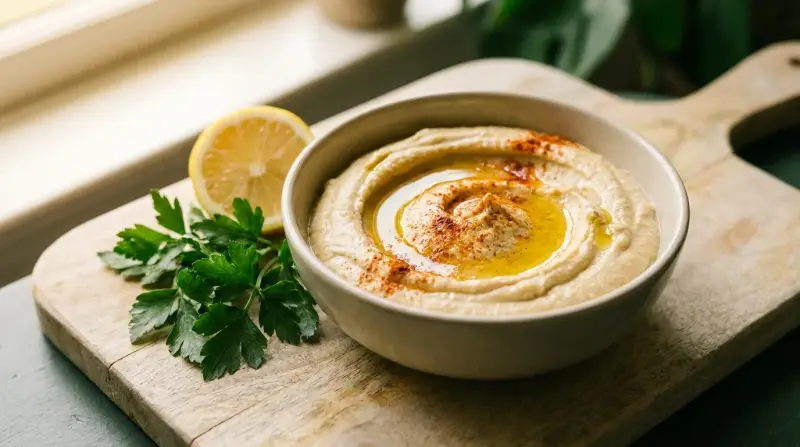
Yes, hummus does contain protein, but the amount varies; a standard serving supplies about 2–3 g of plant‑based protein, which is modest compared to animal sources. Its protein comes mainly from chickpeas and, if added, ingredients like Greek yoghurt or cottage cheese raise the content.
Nutritional profile of traditional hummus
Traditional hummus is made from cooked chickpeas, tahini, olive oil, lemon juice and garlic. A 30 g (1 tbsp) portion typically provides 70–80 kcal, 5 g of total fat, 4–5 g of carbohydrate and 2–3 g of protein. The chickpeas contribute the bulk of protein, while tahini adds healthy unsaturated fats and a small amount of additional protein. Olive oil supplies monounsaturated fat, and lemon juice adds vitamin C. Because the dip is uncooked after blending, it should be stored at a refrigerator temperature of ≤4 °C and consumed within 5 days for safety.
How much protein does hummus really contain?
When measured per 100 g, typical hummus contains roughly 6–8 g of protein. This translates to about 2 g of protein per 30‑gram serving, which is roughly the size of a standard snack portion. For comparison, a 200‑g serving of Greek yoghurt can deliver 20 g of protein, illustrating that hummus is a modest source. The protein quality is plant‑based, providing essential amino acids but at a lower biological value than whey or animal proteins, meaning the body may not utilise it as efficiently without complementary foods.
Common belief about hummus protein – truth and misconception
Many home cooks assume that hummus is a high‑protein dip because it is marketed as a healthy snack. The belief is partly true: hummus does contain protein, but the quantity is far lower than that of dedicated high‑protein foods. The misconception arises from focusing on the presence of protein rather than the amount. While chickpeas are a good source of plant protein, a typical dip serving supplies only a fraction of daily protein needs. Understanding the actual numbers helps you plan meals without over‑estimating protein intake.
Ways to boost protein in hummus
Adding protein‑rich ingredients is simple and retains the classic flavour. Below are three effective methods:
- Cottage cheese and ice water: Blend 150 g (5 oz) low‑fat cottage cheese with a handful of ice cubes and the usual hummus base. The cottage cheese adds about 12 g of protein per 100 g, raising the dip to roughly 6 g of protein per 100 g. This technique is used in the Protein Hummus Dip: High-Protein Mediterranean Classic.
- Plain Greek yoghurt: Replace half of the olive oil with 100 ml (3 fl oz) of thick Greek yoghurt. Greek yoghurt contributes approximately 10 g of protein per 100 ml, increasing overall protein by 3–4 g per 100 g of dip.
- Protein powder: Stir in 30 g (1 oz) of unflavoured whey or plant‑based protein powder after blending. This addition supplies an extra 20 g of protein without altering texture significantly. For ideas on using protein powder in other meals, see How to Make Protein Oatmeal with Protein Powder.
When increasing protein, watch the moisture balance; additional liquid may be needed to retain a smooth consistency. Blend in small amounts of ice water or a spoon‑full of low‑fat milk until the desired texture returns.
A printable recipe card for "Protein Hummus Dip: High-Protein Mediterranean Classic" is just below the article, ready to download or print.
Keep reading
Frequently asked questions
Can hummus be stored safely for a week?
Store homemade hummus in an airtight container at ≤4 °C. It remains safe for up to 5 days; beyond that, the risk of bacterial growth rises, so discard any dip that shows off‑colour or off‑odour.
Is hummus suitable for a low‑carb diet?
Traditional hummus contains about 4–5 g of carbohydrate per 30 g serving, which fits moderate low‑carb plans. Reducing tahini or using cauliflower‑based alternatives can lower the carb count further.
Does adding lemon juice affect protein quality?
Lemon juice provides acidity that improves flavour but does not impact protein content or quality. It can aid digestion of legumes, making the existing protein slightly more bioavailable.
How does hummus compare to other dips in protein?
Compared with dips such as Greek yoghurt dip (≈10 g protein per 100 g) or cottage‑cheese based dips (≈12 g protein per 100 g), traditional hummus is lower‑protein. However, incorporating the boosting methods above can bring its protein level into a similar range.
Printable recipe card: Protein Hummus Dip: High-Protein Mediterranean Classic
Save it, print it, or keep it on your phone while you cook.
Loading the recipe card…

About the author
Makeva
Makeva is a home‑cook who loves crafting approachable meals that balance flavor and nutrition. She specializes in quick weeknight dinners, hearty soups, and wholesome baked goods, sharing step‑by‑step guidance and practical tips. Readers can expect clear instructions, adaptable recipes, and a friendly tone that encourages confidence in the kitchen.