Lunch Recipes
Discover a variety of balanced lunch recipes that are quick to prepare and keep you focused through the afternoon. From vibrant salads to satisfying wraps, each dish is designed to support steady energy and curb cravings.
1 recipe
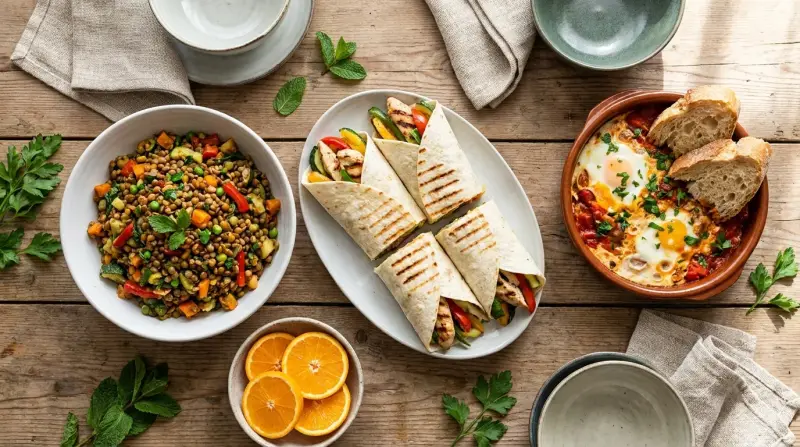
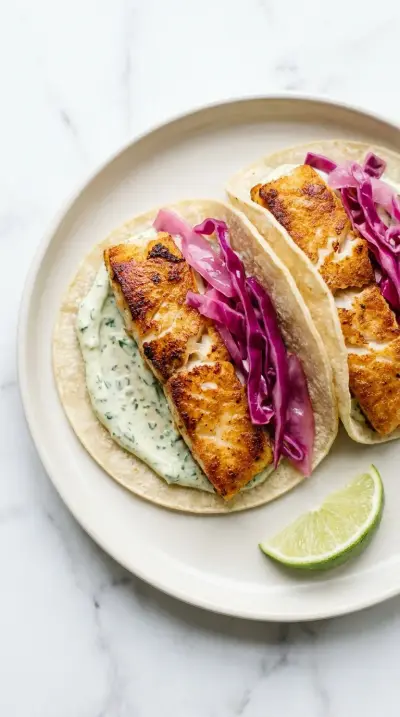
What makes these lunch recipes effective for sustained energy
Midday meals that keep blood sugar stable rely on a balance of protein, fiber, and healthy fats. Protein slows carbohydrate absorption, while fiber from vegetables and whole grains adds bulk without excess calories. Healthy fats from nuts, seeds, or avocado provide satiety that lasts through the afternoon. When each component is present in appropriate portions, the body receives a steady release of glucose, reducing the typical post‑lunch slump.
Key ingredients for balanced midday meals
Choosing the right ingredients simplifies the planning process. Below are categories to consider for every recipe:
- Protein sources: grilled chicken breast (3‑4 oz), canned tuna in water (½ cup), tofu cubes (½ cup), or boiled eggs (2).
- Fiber‑rich vegetables: mixed greens, bell peppers, shredded carrots, broccoli florets, or snap peas. Aim for at least 1 ½ cups per serving.
- Whole‑grain carbs: quinoa (½ cup cooked), brown rice (½ cup cooked), whole‑wheat tortillas, or farro (½ cup cooked). Limit portions to ¼‑½ cup to avoid excess calories.
- Healthy fats: sliced avocado (¼ fruit), a handful of almonds (1 oz), or a drizzle of olive oil (1 tsp).
- Flavor enhancers: fresh herbs, citrus juice, mustard, or low‑sodium soy sauce. Use sparingly to keep sodium in check.
Techniques and tips for quick preparation
Efficiency in the kitchen comes from a few repeatable steps:
- Batch‑cook proteins: Grill a sheet of chicken breasts or bake a block of tofu at the start of the week. Store in airtight containers for up to four days.
- Pre‑portion grains: Cook a large pot of quinoa or brown rice, then divide into individual containers. Reheat in the microwave for 60‑90 seconds.
- Use a sharp knife or mandoline to slice vegetables quickly. A five‑minute prep time is realistic when vegetables are pre‑washed.
- Assemble in layers for salads: start with greens, add protein and grains, then sprinkle nuts and drizzle dressing just before eating.
- Keep dressing simple: whisk together 1 tsp olive oil, 1 tsp lemon juice, a pinch of salt, and a dash of pepper. Store in a small jar for up to a week.
How to serve and customize
Each recipe can be adjusted for dietary preferences or seasonal produce. Consider these options:
- Swap chicken for canned salmon to increase omega‑3 intake.
- Replace wheat tortillas with lettuce leaves for a low‑carb wrap.
- Include a side of fruit—such as a small apple or a handful of berries—for natural sweetness.
- Adjust spice level with crushed red pepper, cumin, or smoked paprika, depending on flavor goals.
- For vegetarian meals, increase the portion of tofu or add a quarter‑cup of chickpeas.
When plating, aim for visual contrast: a bright salad base, a protein of a different color, and a sprinkle of nuts or seeds for texture.
Storing and make‑ahead options
Proper storage preserves flavor and texture. Follow these guidelines:
- Place salads in containers with a separate compartment for dressing. Combine just before eating to avoid soggy greens.
- Wrap sandwiches or burritos tightly in parchment paper, then place in a zip‑top bag. Consume within 24 hours for optimal texture.
- Freeze cooked grains in portion‑size bags. Thaw in the refrigerator overnight; reheating in the microwave restores fluffiness.
- Protein portions can be stored in the refrigerator for up to four days or frozen for up to three months. Thaw in the fridge before reheating.
Planning a make‑ahead lunch on Sunday reduces weekday decision fatigue. Prepare a batch of each component, then mix and match throughout the week.
Frequently asked questions
How much protein should I include in a lunch?
Aiming for 20‑30 grams of protein per meal supports muscle maintenance and satiety. This amount is typically met by 3‑4 oz of cooked chicken, ½ cup of beans, or two boiled eggs.
Can I use pre‑cut vegetables to save time?
Yes, pre‑cut vegetables are convenient, but check the label for added sodium or preservatives. Rinse them briefly before use to remove any surface residue.
What is the best way to keep a salad crisp for several days?
Store greens in a dry container lined with paper towels to absorb moisture. Keep dressing separate until ready to eat.
Is it safe to eat lunch leftovers after two days?
When stored at 40 °F (4 °C) or below, most cooked proteins and grains remain safe for up to three days. Reheat to an internal temperature of 165 °F (74 °C) before consuming.
How can I reduce sodium without sacrificing flavor?
Use herbs, citrus zest, and spices in place of salt. Low‑sodium soy sauce, reduced‑sodium broth, or a splash of vinegar can add depth without excess sodium.