Dinner Recipes
Looking for fast, family‑friendly dinner ideas? Here you’ll find a collection of balanced meals that can be on the table in 30 minutes or less, using everyday ingredients. Each recipe is designed to keep prep simple so you can spend more time enjoying the evening together.
1 recipe
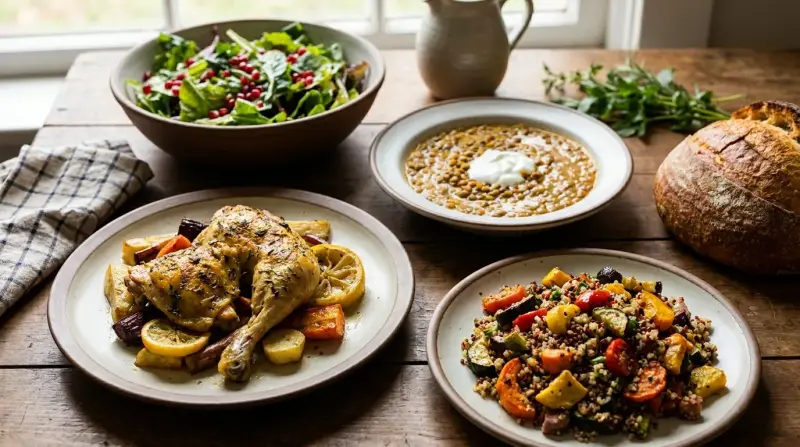
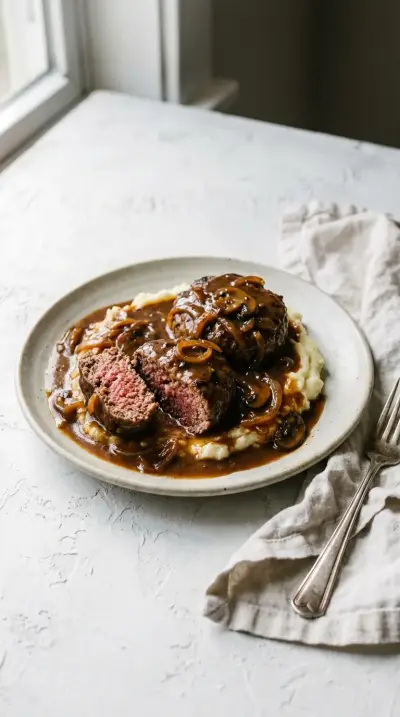
What makes these recipes special
Busy weeknights demand meals that are quick, balanced, and appealing to a range of ages. The recipes in this collection focus on three core principles: speed, nutrition, and flexibility. Each dish can be assembled in 30 minutes or less, incorporates protein, vegetables, and whole‑grain or starchy components, and offers simple swaps so families can adapt to dietary preferences without starting from scratch.
Because the meals rely on pantry staples, frozen vegetables, and pre‑cooked proteins, you spend less time chopping and more time at the table. The flavor foundation—herbs, aromatics, and a touch of acidity—keeps the dishes lively even when prep time is short.
Key ingredients to keep on hand
Building a reliable set of ingredients reduces last‑minute grocery trips. Below are the categories that appear most often in the featured recipes:
- Proteins: boneless skinless chicken breasts or thighs, lean ground turkey or beef, canned beans (black, cannellini, chickpeas), and pre‑cooked shrimp.
- Whole grains and starches: quick‑cook brown rice, quinoa, whole‑wheat pasta, and frozen sweet‑potato cubes.
- Vegetables: frozen mixed vegetables, fresh broccoli, bell peppers, onions, and garlic. Frozen options are pre‑washed and pre‑cut, saving prep time.
- Flavor builders: low‑sodium chicken or vegetable broth, canned diced tomatoes, soy sauce, Dijon mustard, lemon or lime juice, and a selection of dried herbs (oregano, thyme, Italian seasoning) and spices (cumin, smoked paprika, red‑pepper flakes).
- Healthy fats: extra‑virgin olive oil, avocado oil, and a small amount of butter for finishing sauces.
Stocking these items lets you assemble a dinner from the pantry in minutes, while still delivering variety throughout the week.
Techniques and tips for speed
Even the simplest recipes benefit from a few time‑saving habits. Apply the following methods to cut down on active cooking time:
- One‑pot cooking: Use a large skillet or Dutch oven to brown protein, deglaze, and finish the sauce all in the same vessel. This eliminates extra pans and reduces cleanup.
- Batch‑prepping aromatics: Chop a large batch of onions, garlic, and carrots at the start of the week. Store them in airtight containers in the refrigerator for quick access.
- Pre‑cooked grains: Cook a big pot of brown rice or quinoa on Sunday and freeze portions. Reheat in the microwave or add directly to a skillet with a splash of broth.
- High‑heat searing: Heat the pan before adding oil and protein. A hot surface creates a quick crust, locking in moisture and reducing overall cooking time.
- Use a lid: Covering the pan traps steam, which speeds up vegetable softening and helps sauces reduce faster.
Combine these techniques with a well‑organized kitchen layout—keep knives, cutting boards, and the most‑used spices within arm’s reach—to shave minutes off each meal.
How to serve for maximum appeal
Presentation matters, especially when feeding a family with varied tastes. Follow these simple guidelines to make the plate look inviting:
- Color contrast: Pair a protein with a bright vegetable (e.g., roasted red peppers with chicken) and a neutral grain to create visual interest.
- Portion control: Use a ¼‑¼‑½ plate model—¼ protein, ¼ grain or starch, ½ vegetables—to ensure balanced nutrition without weighing each component.
- Finish with freshness: A squeeze of lemon, a sprinkle of chopped parsley, or a drizzle of olive oil adds brightness and signals that the dish was just finished.
- Family‑style serving: Place the main dish in a large serving bowl and let each person help themselves. This encourages interaction and reduces the need for multiple plates.
Storing and make‑ahead options
Even with quick meals, leftovers can become a lifesaver for the next day’s lunch or a rushed dinner. Follow these storage rules to maintain flavor and safety:
- Cool before refrigerating: Allow food to sit at room temperature for no more than 30 minutes, then transfer to shallow containers.
- Separate components: Store sauces, grains, and proteins in individual containers when possible. This prevents sogginess and allows you to reheat only what you need.
- Label with dates: Write the preparation date on each container. Most cooked dishes stay safe in the fridge for 3‑4 days and in the freezer for up to 3 months.
- Reheat properly: Use a skillet on medium heat for grains and sauces, adding a splash of broth or water to restore moisture. Microwaving works for most items, but stir halfway through to avoid cold spots.
For make‑ahead meals, consider assembling “assembly‑only” dishes such as tacos or grain bowls. Store cooked protein, grains, and chopped toppings separately, then combine at dinner time for a fresh‑tasting plate in under five minutes.
Frequently asked questions
How can I reduce the sodium content without sacrificing flavor?
Choose low‑sodium broth, rinse canned beans, and replace soy sauce with a splash of tamari or a dash of balsamic vinegar. Amplify taste with herbs, citrus zest, and a small amount of smoked paprika.
What are the best shortcuts for chopping vegetables?
Use a food processor fitted with a chopping blade for onions, carrots, and bell peppers. For a truly hands‑off option, purchase pre‑diced frozen vegetables; they are flash‑frozen at peak freshness and retain texture when cooked quickly.
Can I substitute gluten‑free grains without changing cooking times?
Yes. Replace brown rice with quinoa or millet; both cook in 12‑15 minutes. Adjust liquid ratios slightly—quinoa typically needs a 2:1 water‑to‑grain ratio.
Is it safe to keep cooked chicken in the fridge for more than three days?
For optimal safety and quality, consume cooked chicken within three days. If you need longer storage, portion and freeze the chicken in airtight bags; it remains safe for up to three months.
How do I keep sauces from separating when reheating?
Reheat sauces over low heat while stirring constantly. Adding a teaspoon of water or broth each minute helps emulsify the sauce and restores a smooth texture.