Halal Ribeye Steak: Seared Beef with Herb Butter
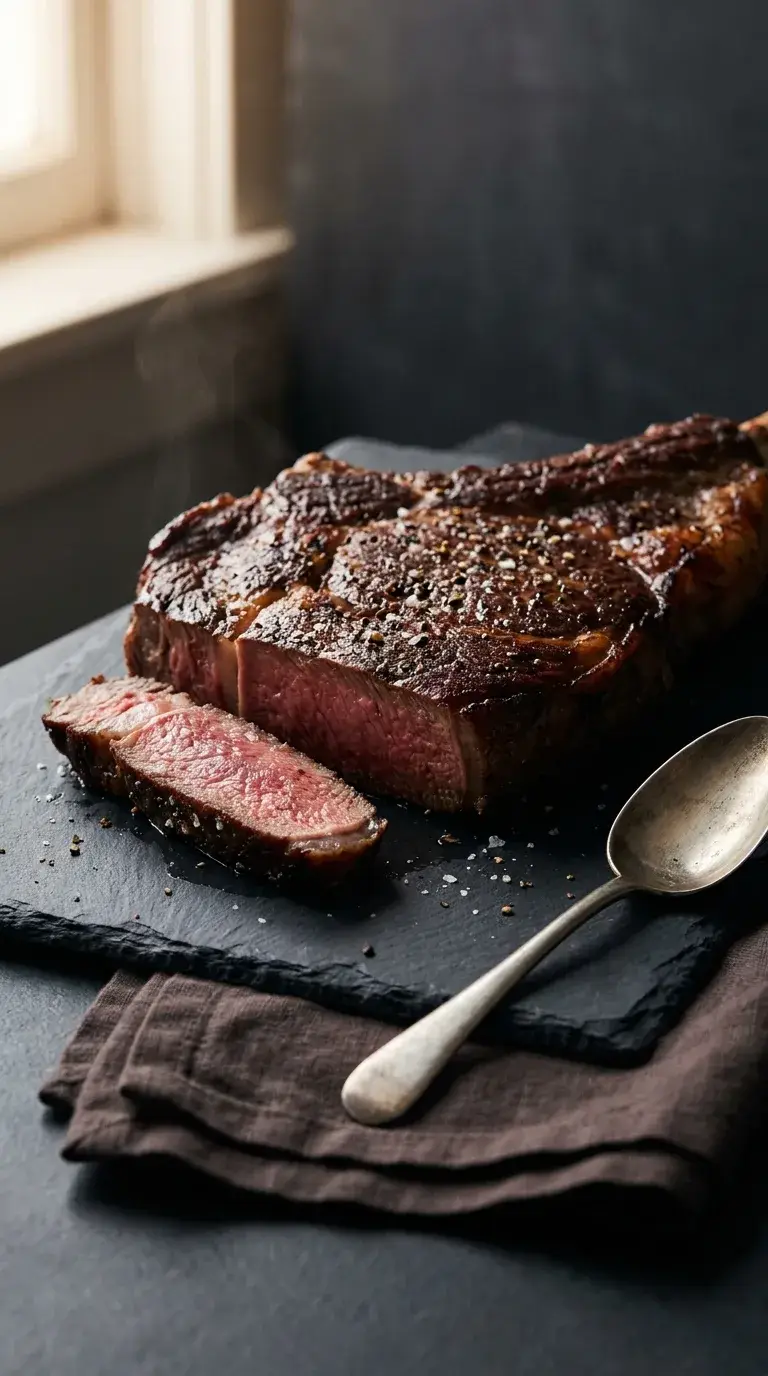
Choose a cast-iron skillet over a standard pan to prepare your ribeye steak. This heavy material maintains a consistent, high temperature to colour the exterior without cooling down when the meat hits the surface. Pat the meat dry with paper towels before cooking. This removes surface moisture so the steak sears instead of steaming in the pan.
This dish combines simple, halal-friendly seasonings with a touch of herb-infused butter. You will produce a steak with a deep, buttery flavour and a juicy centre. Using an instant-read thermometer ensures you hit 63°C (145°F) for exact doneness. Let the meat rest for 5 minutes under aluminium foil to redistribute the juices before you slice against the grain.
Halal Ribeye Steak: Seared Beef with Herb Butter
Recipe cardIngredients
Watch how it's made
Instructions
-
Prepare the meat
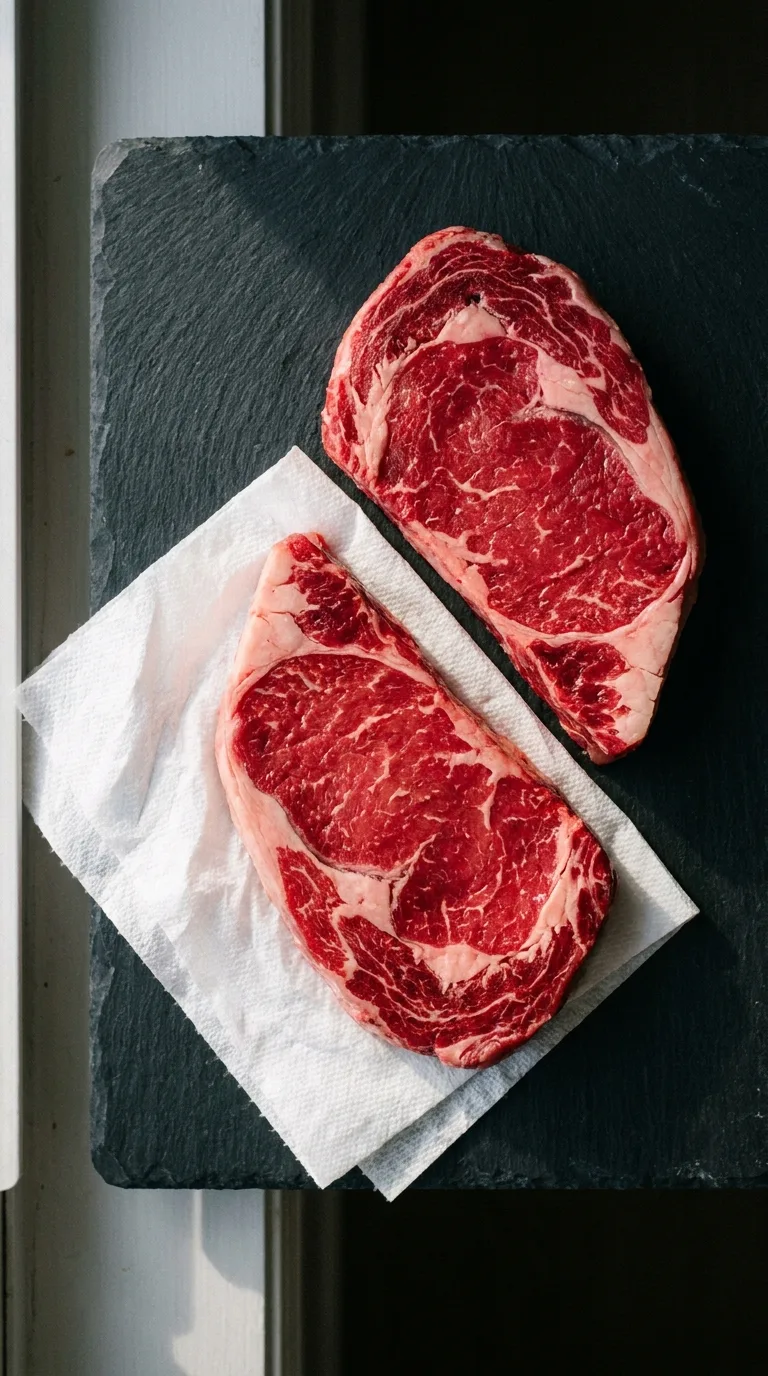
Pat the ribeye steaks dry with paper towels. Leave them at room temperature for 20 minutes. This ensures the meat cooks evenly from the centre to the edge.
-
Season the steak
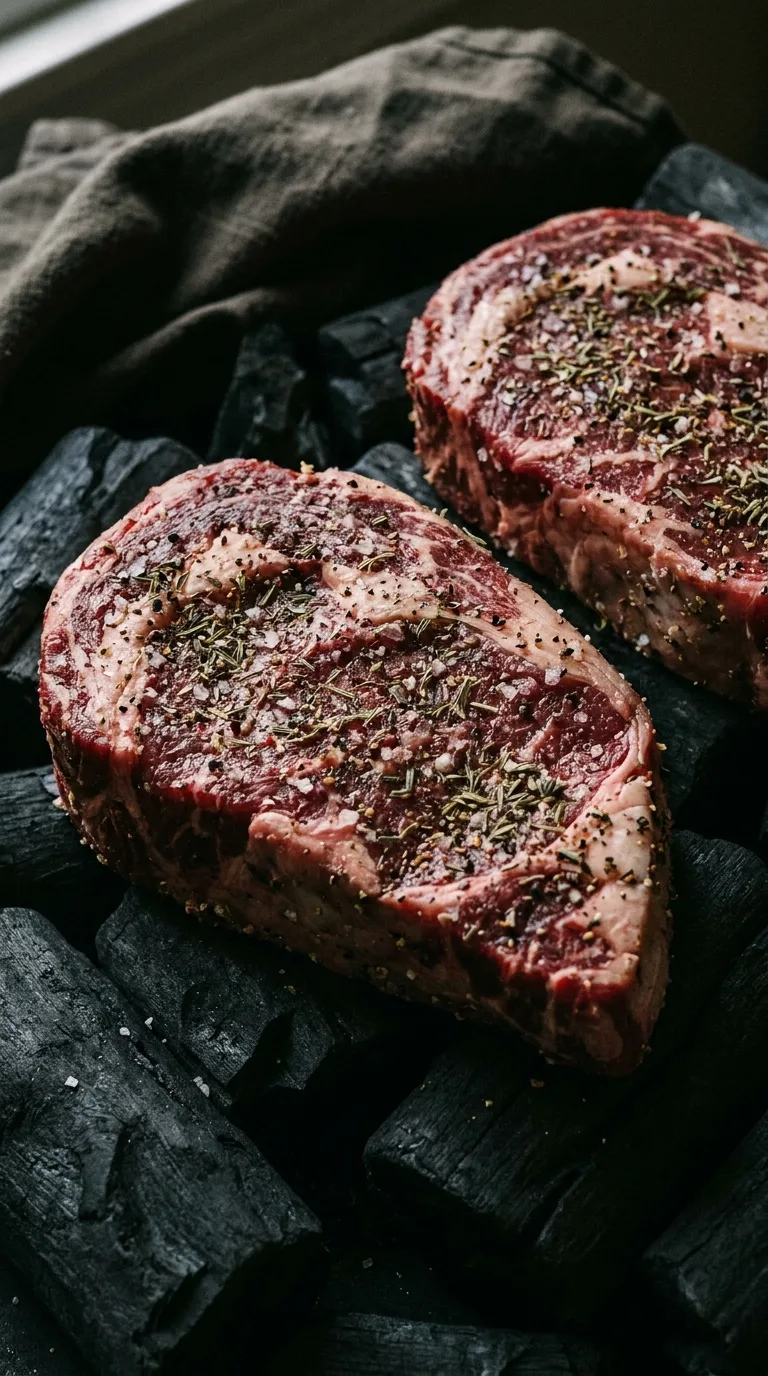
Season each side generously with sea salt, freshly ground black pepper, and dried thyme. Press the spices into the meat so they adhere during the sear.
-
Heat the pan
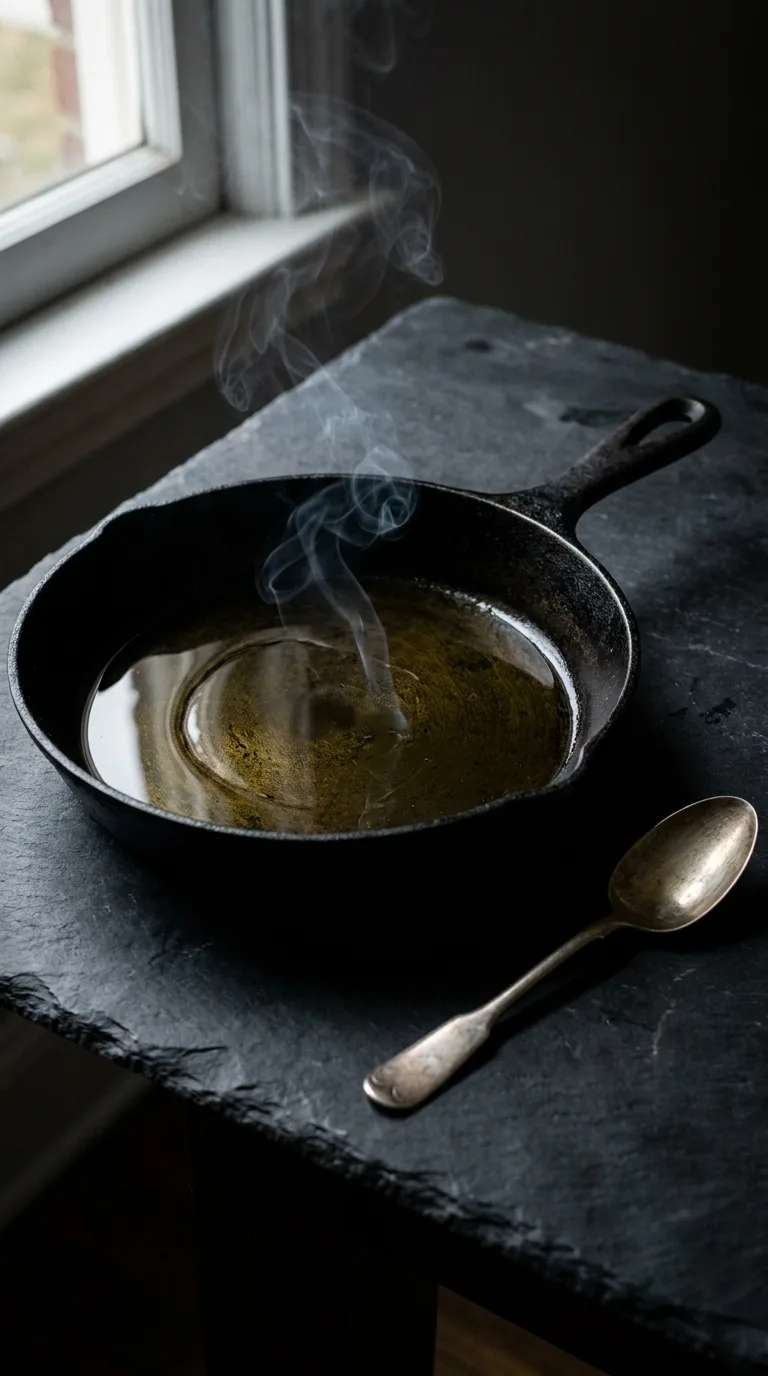
Heat the skillet over medium-high heat until it begins to smoke lightly. Add the olive oil and swirl to coat the surface. A hot pan creates the Maillard reaction for a brown crust.
-
Sear the ribeye
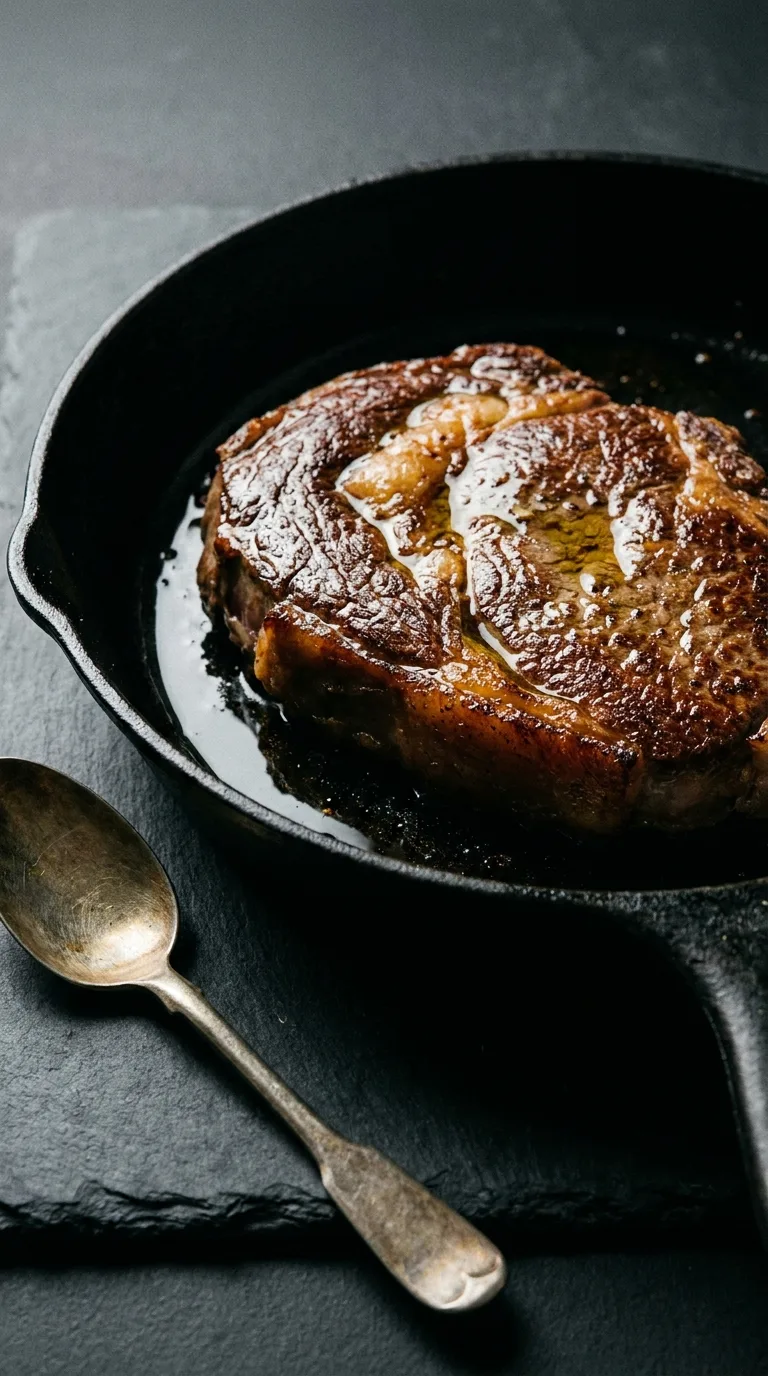
Place one steak in the pan. Sear without moving for 2 minutes, then flip and sear the other side for another 2 minutes.
-
Baste with butter
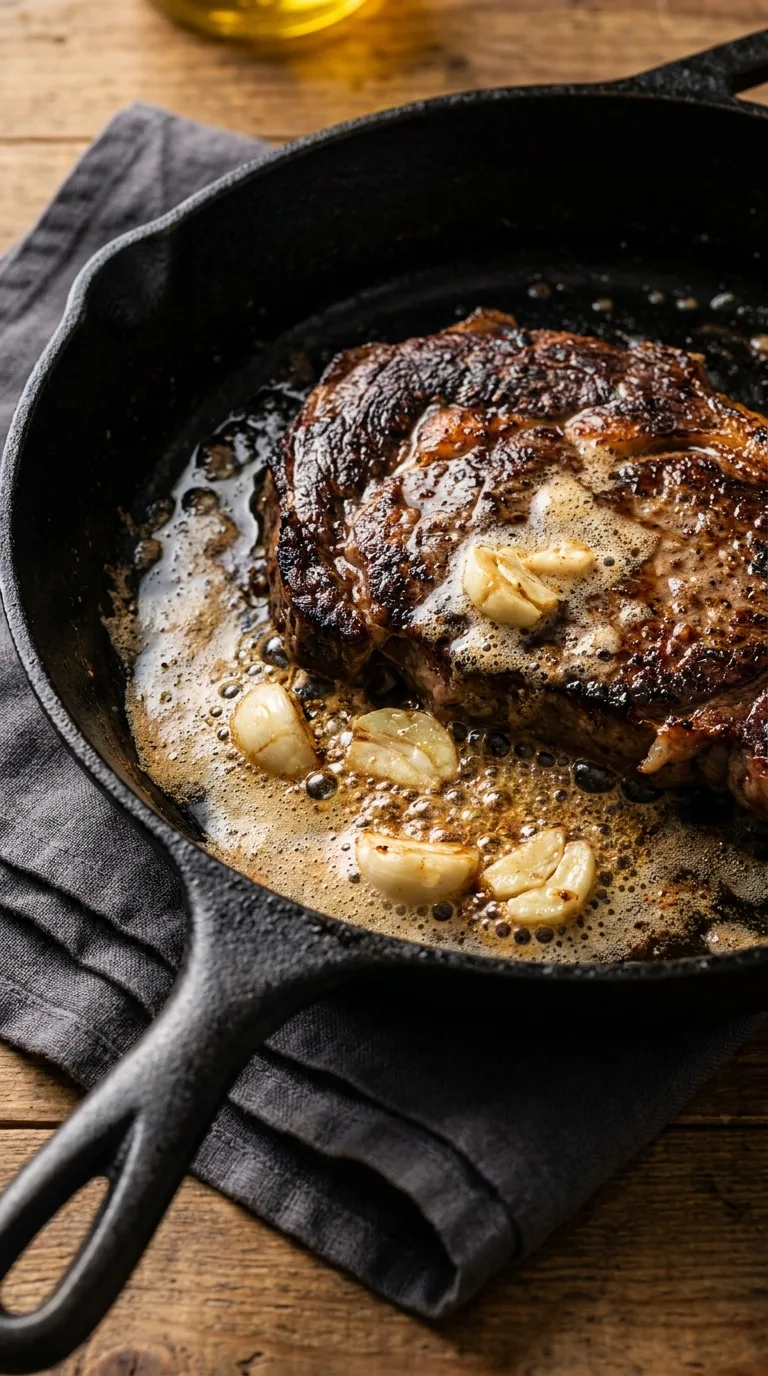
Add the butter and crushed garlic to the pan. Tilt the skillet and spoon the melted butter over the steak for 30 seconds while the second side sears to add a rich, savoury flavour.
-
Check the temperature
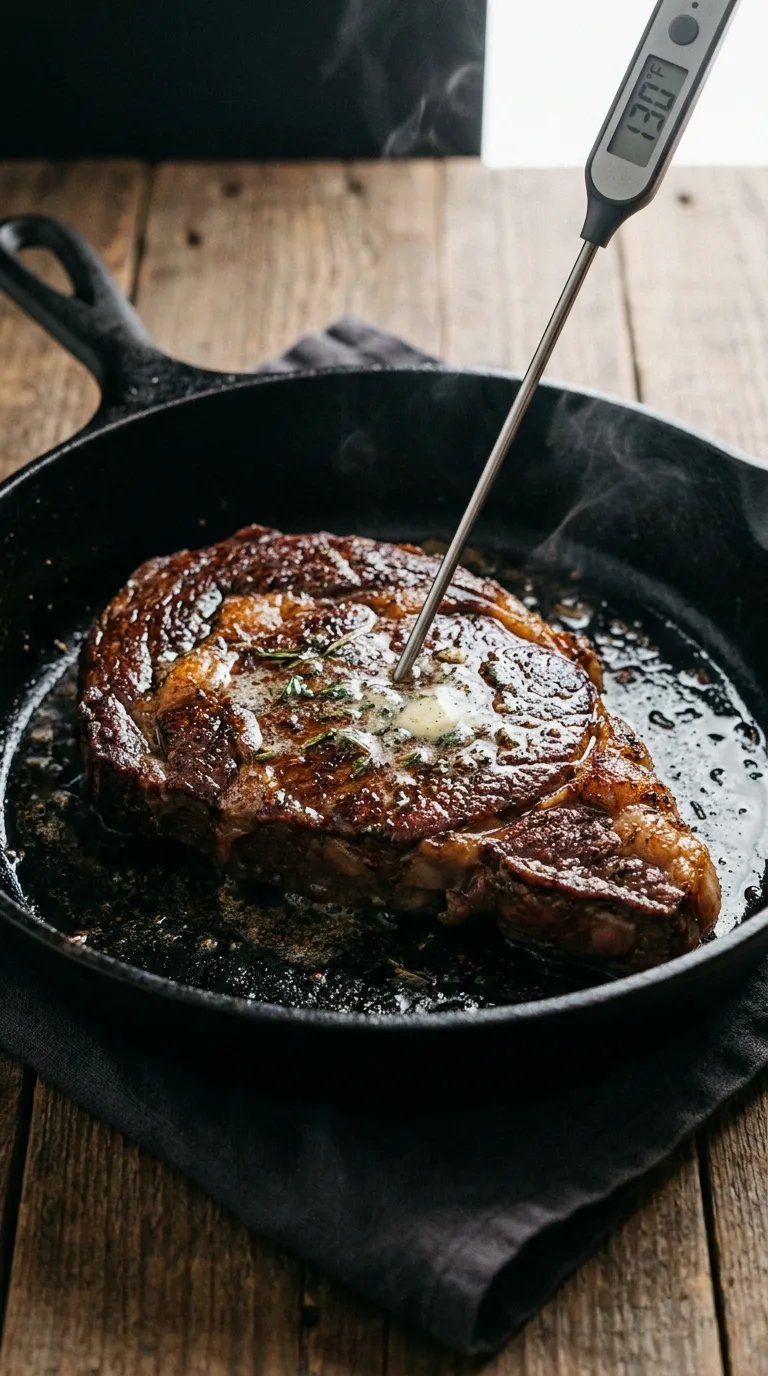
Insert the instant-read thermometer into the thickest part of the steak. Remove the meat from the pan when it reads 63°C (145°F). This removes the guesswork from the cooking process.
-
Rest the meat
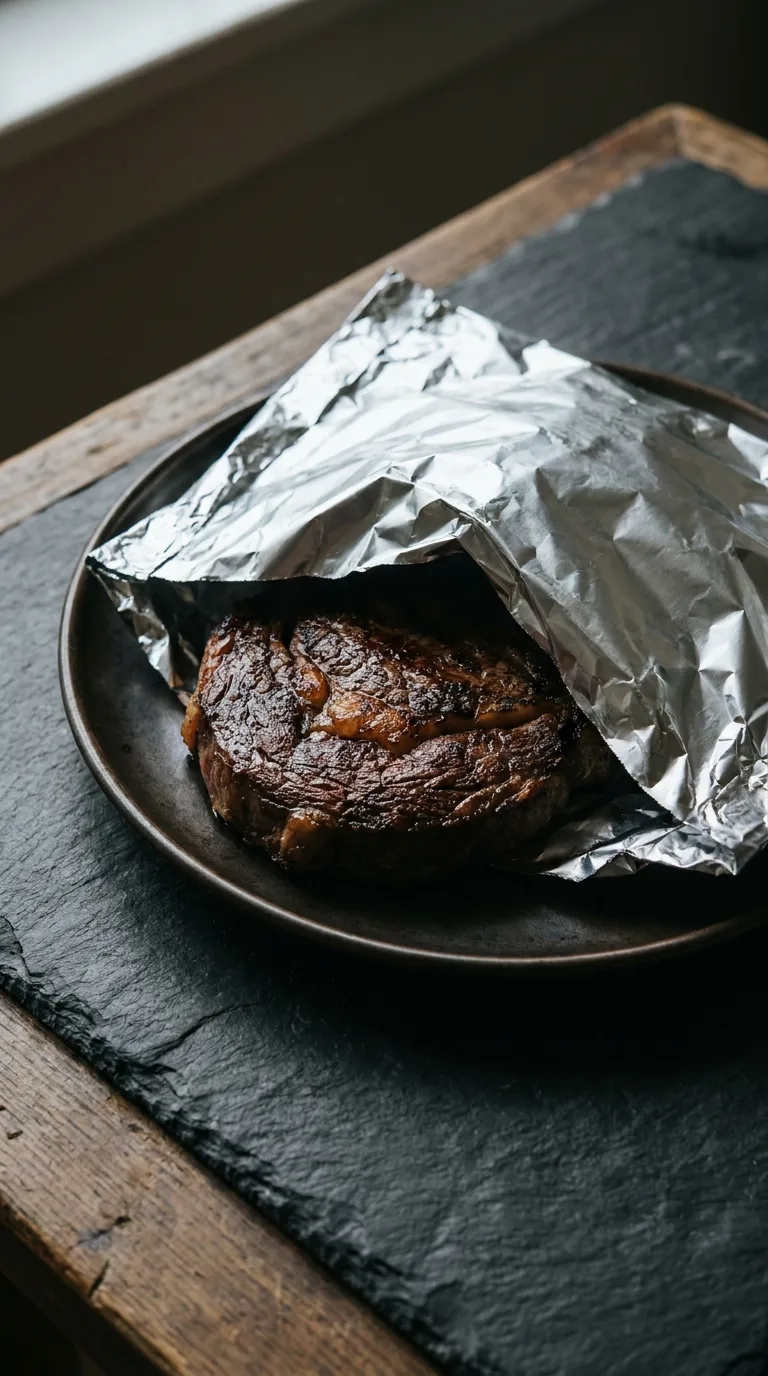
Transfer the steak to a plate and loosely tent it with aluminium foil. Let it rest for 5 minutes. This allows the juices to redistribute so they do not run out when you cut the meat.
-
Slice and serve
Slice the steak against the grain. Serve immediately with your chosen accompaniments to ensure the meat remains warm.
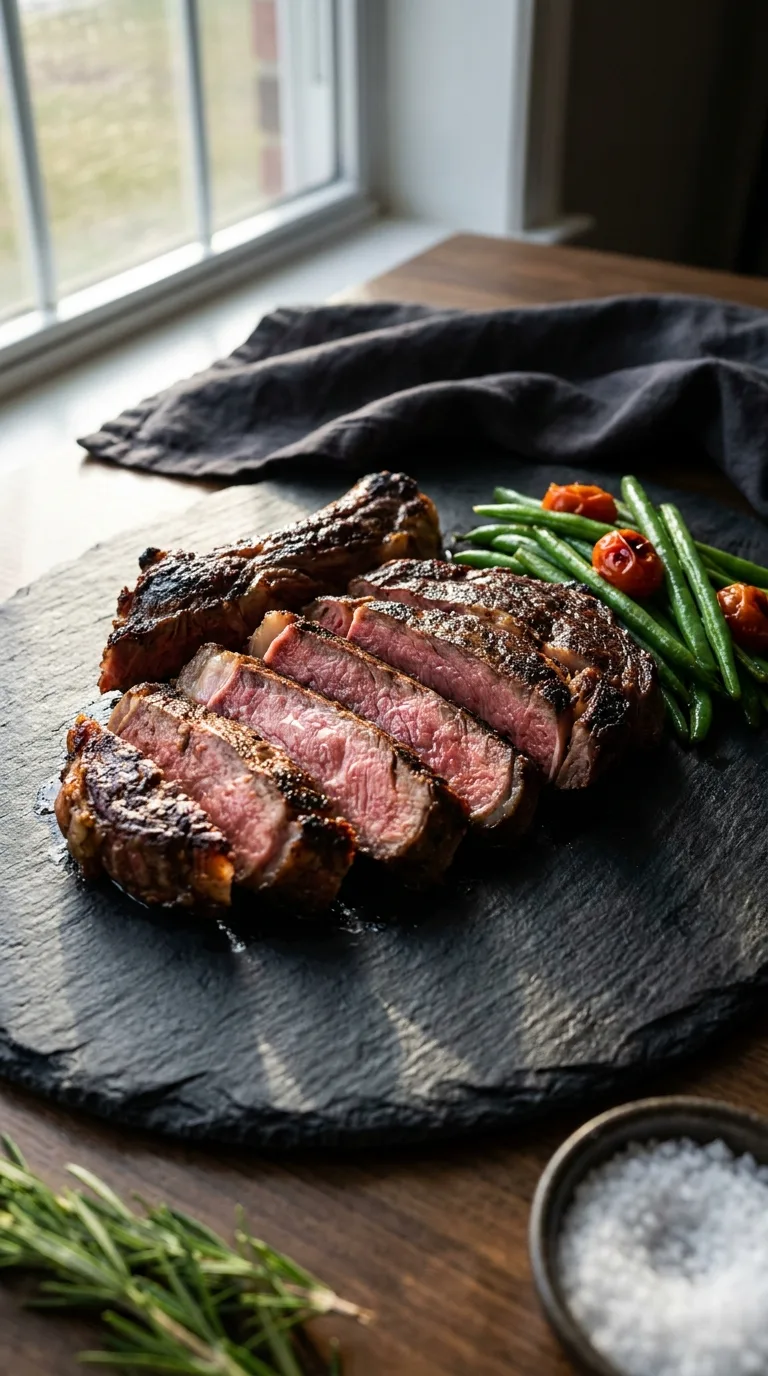
Use an instant-read thermometer to avoid overcooking. If the internal temperature rises too quickly, the meat becomes tough and loses its juices. Removing the steak at 63°C (145°F) guarantees the exact doneness you prefer and keeps the interior juicy.
What to serve with it
Pair your ribeye steak with garlic buttered roasted baby potatoes and steamed green beans for a classic meal. For a lighter option, use grilled asparagus spears with olive oil and citrus juice. A beetroot salad with balsamic glaze adds earthiness and acidity to balance the rich, buttery fats of the meat.
Storing and reheating
Keep cooked steak in the fridge for 2 to 4 days. You can freeze it in an airtight wrapper for up to 3 months. Thaw the meat overnight in the refrigerator before reheating. Never leave cooked steak at room temperature for more than 2 hours to ensure food safety.
Nutrition per serving
- Calories
- 615
- Protein
- 38.5 g
- Carbs
- 1.2 g
- Fat
- 48.2 g
- Fiber
- 0.4 g
- Sugar
- 0.3 g
Estimated, and offered as a guide rather than a medical figure.
Made it? Rate it.
Questions people ask
Can I use a different pan instead of cast iron?
Yes, but use a heavy-bottomed pan. A heavy base retains heat better, which prevents the temperature from dropping when the meat hits the surface. This ensures you achieve a deep brown colour on the exterior without overcooking the centre.
Why do I need to let the steak rest?
Rest the meat for 5 minutes under foil. This allows the muscle fibres to relax and the juices to redistribute throughout the steak. If you slice it immediately, the juices will run out, leaving the meat dry and tough.
What happens if I skip the room temperature step?
The steak may cook unevenly. Cold meat drops the pan temperature rapidly, which slows the searing process. Letting it sit for 20 minutes ensures the heat penetrates the centre more consistently for a precise internal temperature of 63°C (145°F).
Can I substitute the dried thyme?
Yes, you can use smoked paprika and oregano for a different profile. These herbs provide a savoury, earthy depth. Ensure you season the meat generously before searing to allow the spices to toast in the oil and butter.

About the author
Makeva
Makeva is a home‑cook who loves crafting approachable meals that balance flavor and nutrition. She specializes in quick weeknight dinners, hearty soups, and wholesome baked goods, sharing step‑by‑step guidance and practical tips. Readers can expect clear instructions, adaptable recipes, and a friendly tone that encourages confidence in the kitchen.