Buttermilk Pancakes: Thick American Griddle Cakes
Good buttermilk pancakes depend on real cultured buttermilk. Reach for a carton labelled cultured buttermilk in the chilled dairy aisle, because its natural acidity reacts with the bicarbonate of soda to lift the batter as it hits the pan. Put back ultra-heat-treated cartons or low-fat buttermilk drinks thickened with gums, which lack the body and sharp tang needed for a tender crumb. Bring your 480 ml cultured buttermilk to room temperature before mixing so the melted butter blends smoothly instead of solidifying into tiny flecks.
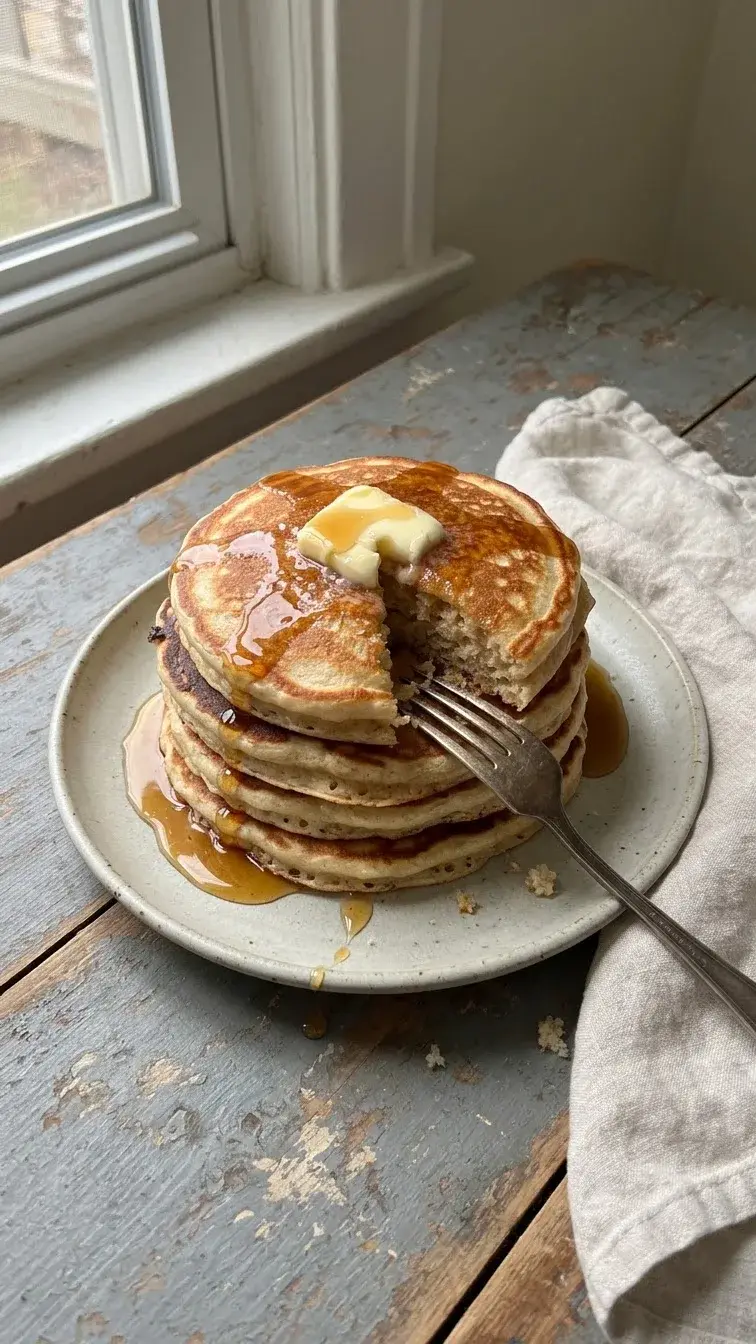
You fold the wet ingredients gently into the dry flour just until the streaks disappear, leaving small lumps so the gluten stays relaxed. A 10-minute rest lets the flour hydrate while the raising agents activate. Cooked slowly over medium-low heat, each round cake puffs to a golden brown colour with delicately crisp edges and a soft, airy centre, taking 35 minutes from start to plate.
Buttermilk Pancakes: Thick American Griddle Cakes
Recipe cardIngredients
Watch how it's made
Instructions
-
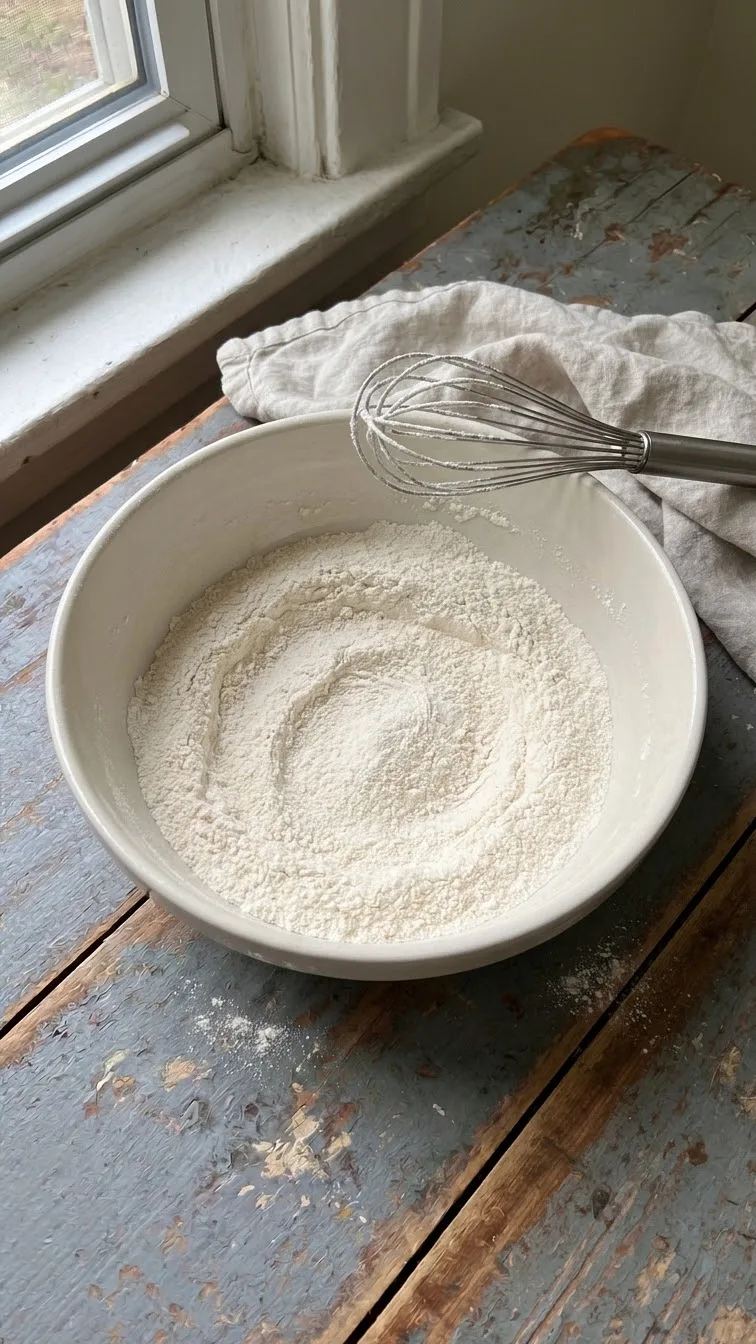
Whisk the dry ingredients
Tip the 250 g plain flour, 30 g caster sugar, 2 teaspoons baking powder, 1 teaspoon bicarbonate of soda, and 0.5 teaspoon fine sea salt into a large mixing bowl. Whisk them thoroughly until no streaks of raising agent remain, which ensures every pancake rises evenly.
-
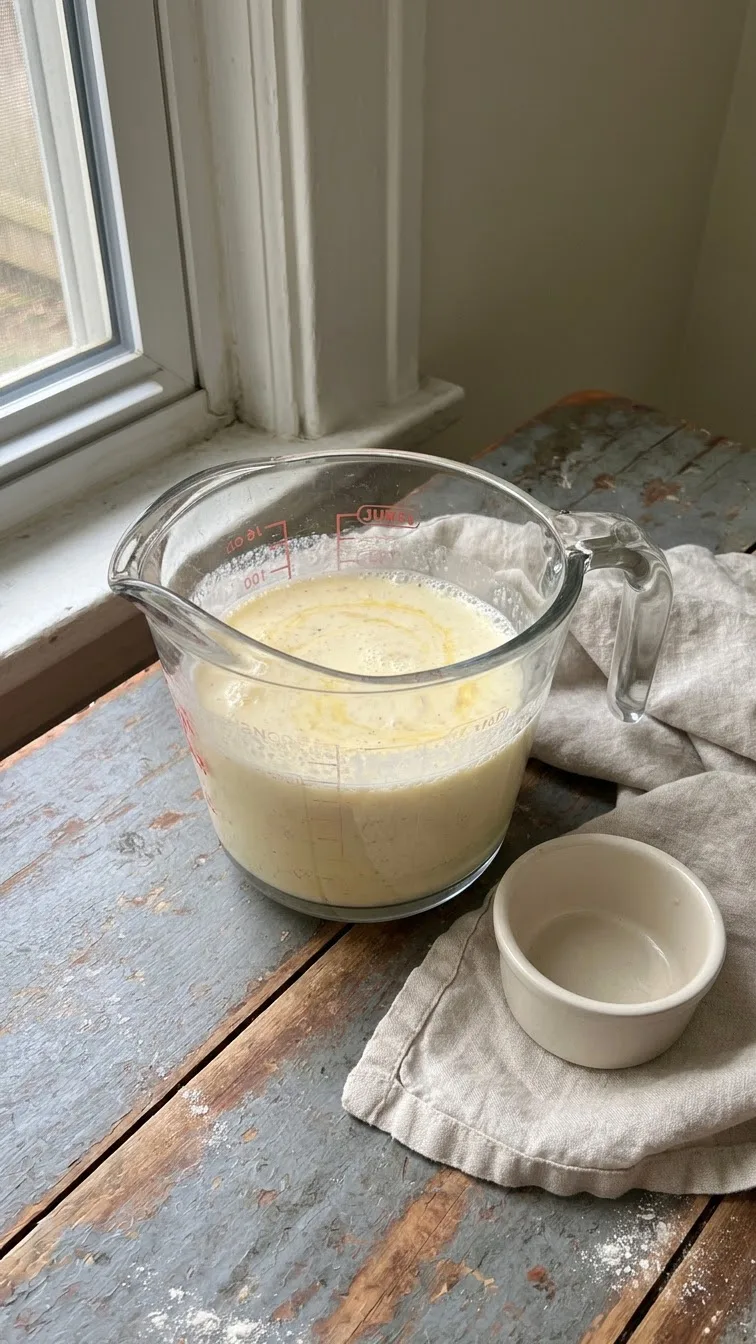
Combine the wet ingredients
Pour the 480 ml cultured buttermilk, 2 large eggs, 45 g melted unsalted butter, and 1 teaspoon alcohol-free vanilla bean paste into a separate medium bowl or measuring jug. Whisk until the mixture looks completely smooth and uniform. Using room-temperature buttermilk and eggs stops the melted butter from hardening into tiny solid flecks on contact.
-
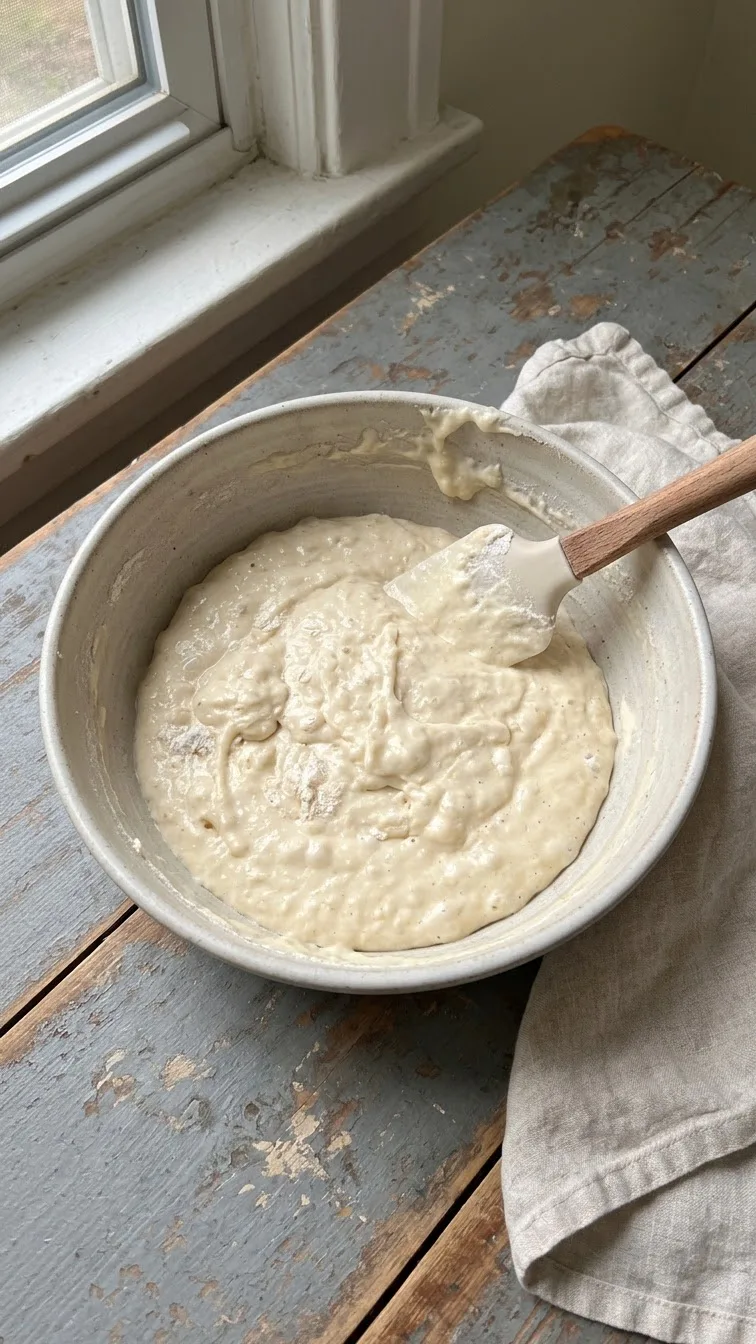
Fold the batter gently
Pour the wet buttermilk mixture into the dry ingredients and fold them together with a silicone spatula just until the dry flour streaks disappear. Stop while small lumps remain in the batter, because beating it smooth overworks the gluten and yields flat, rubbery pancakes.
-
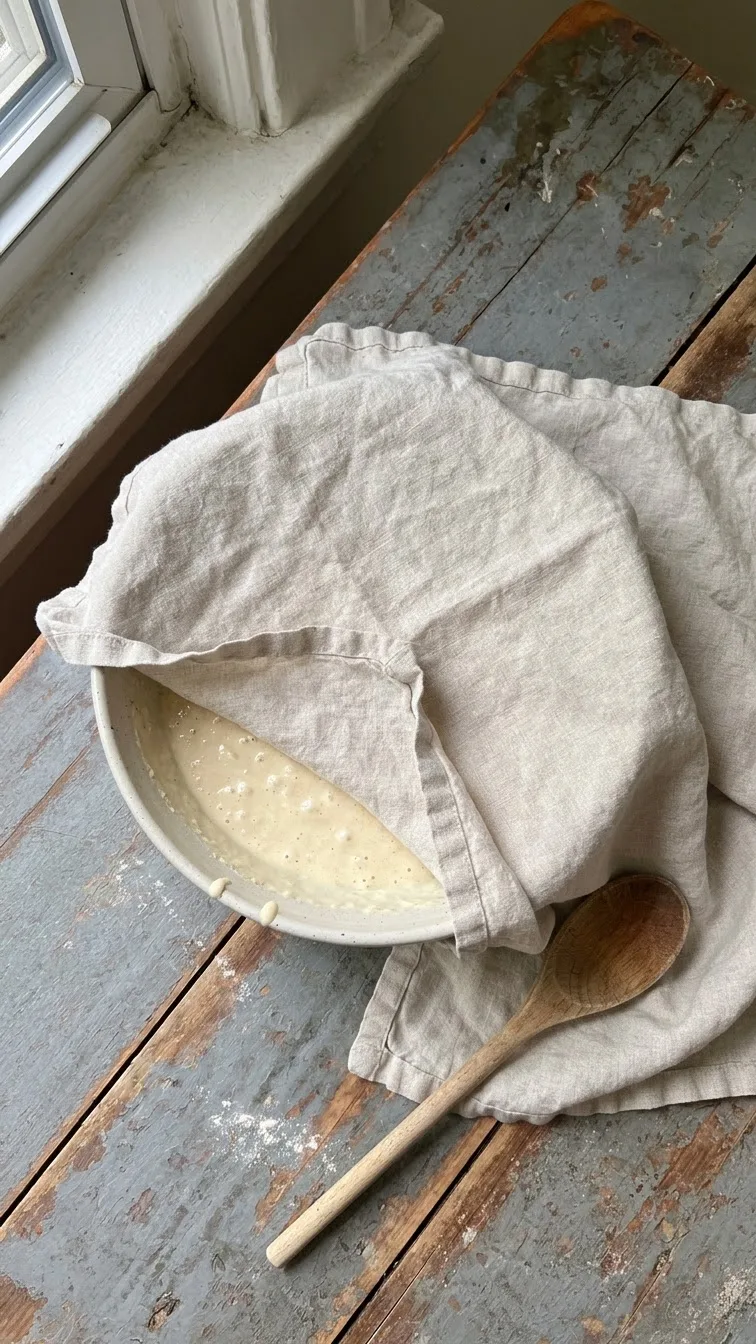
Rest the pancake batter
Cover the bowl with a clean tea towel and leave the batter at room temperature for 10 minutes. This rest lets the flour absorb moisture while the raising agents begin to bubble, giving you thicker, lighter pancakes.
-
Preheat and grease the pan
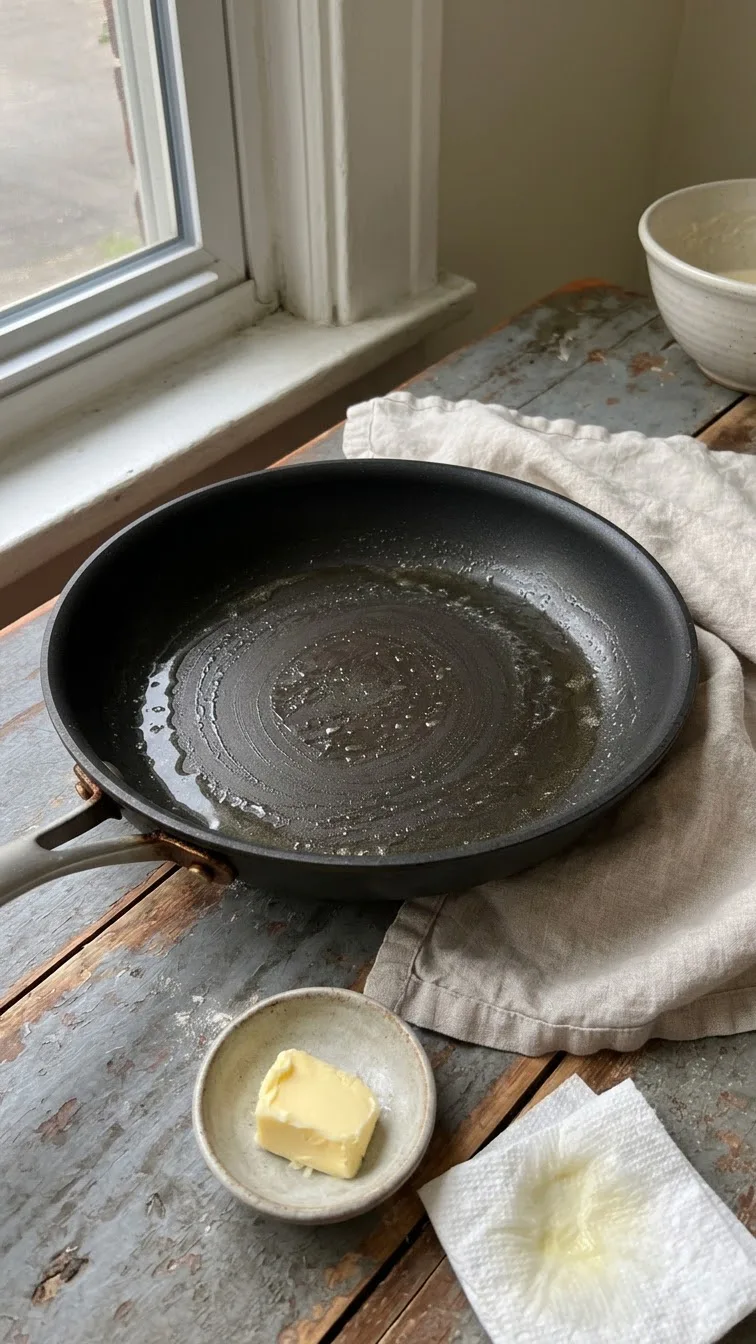
Set a large non-stick frying pan or heavy-based griddle over medium-low heat for 3 minutes until evenly warm. Lightly grease the surface with a thin film of unsalted butter and wipe away any excess with kitchen paper so the pancakes brown evenly without frying in pools of fat.
-
Ladle and cook the first side
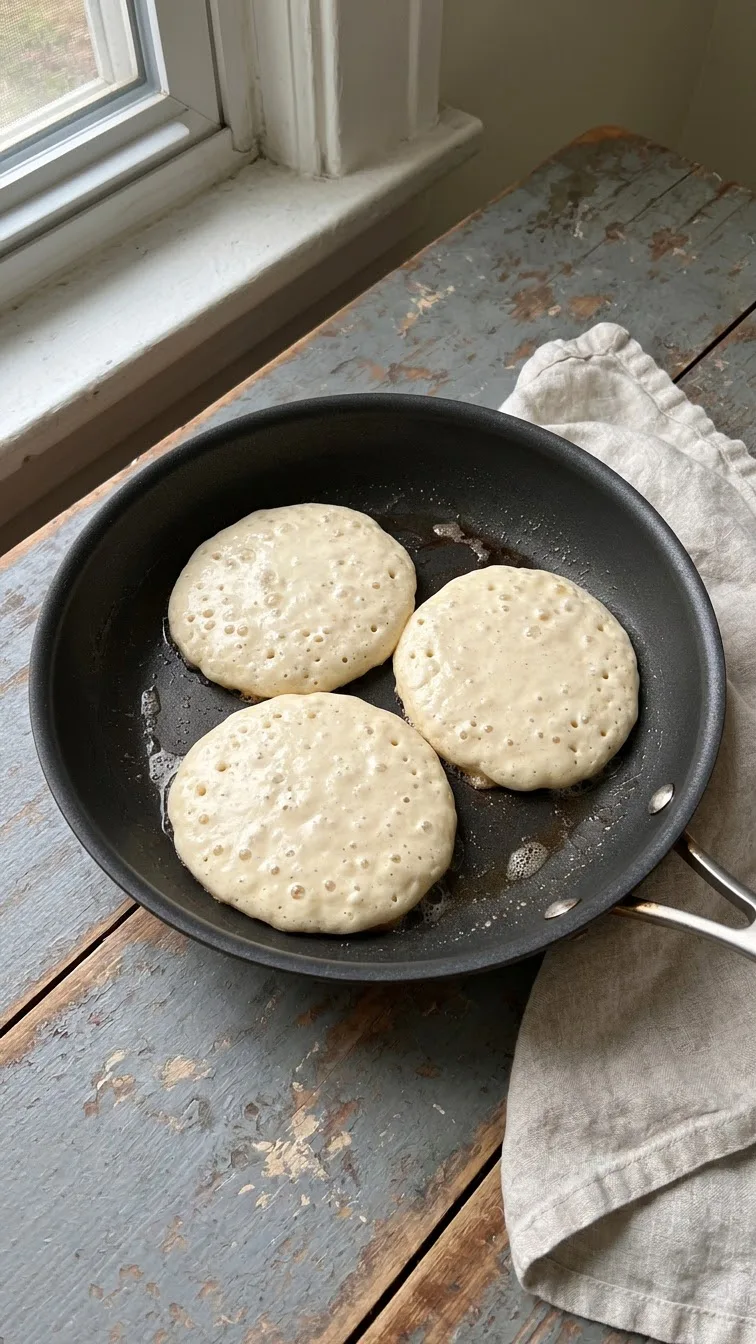
Ladle about 80 ml of batter per pancake onto the pan, leaving at least 4 cm between each round so they have room to spread. Leave them undisturbed for 2 to 3 minutes until bubbles rise across the surface, pop, and the edges look matte and set.
-
Flip and brown the underside
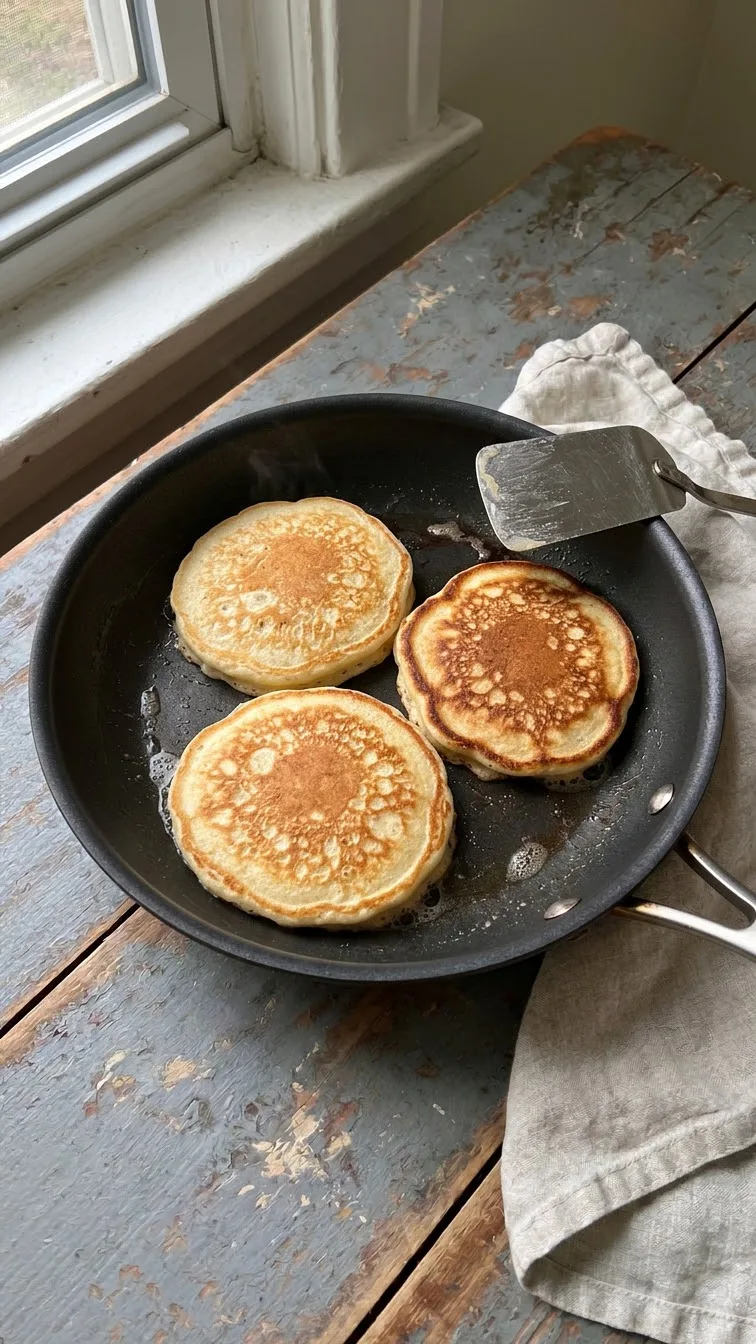
Slide a wide turner underneath each pancake and flip it cleanly. Cook the second side for 1 to 2 minutes until each pancake puffs up, cooks through in the centre, and turns an even golden brown underneath.
-
Keep warm and serve
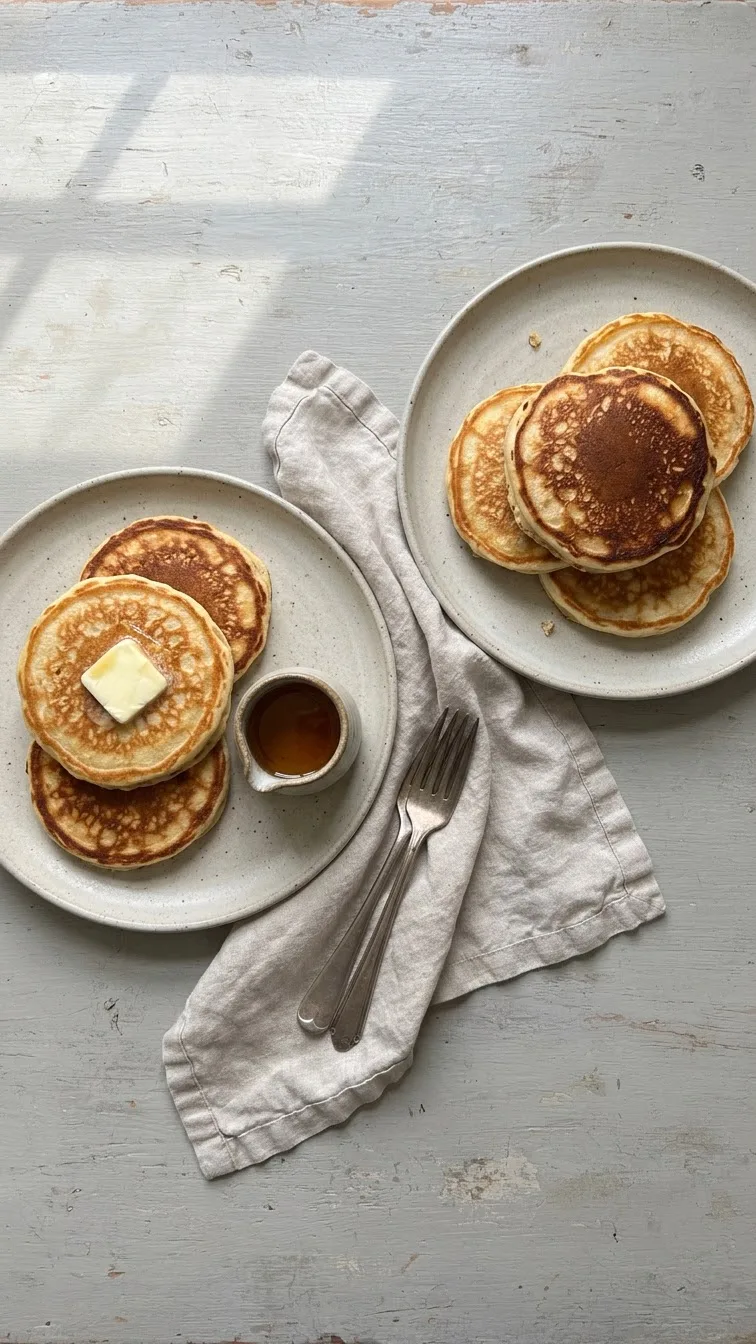
Move cooked pancakes to a wire rack set over a baking tray in a 100°C (210°F) oven to stay warm and crisp while you finish the remaining batter, adding a tiny smear of butter between batches. Stack the warm pancakes onto plates and serve straight away.
Overheating the pan and overmixing the batter are the two fastest ways to spoil buttermilk pancakes. If the outside turns dark brown before bubbles appear on top, lower the heat immediately so the centre has time to cook through, and always leave small lumps in the batter for a tender crumb.
Cultured buttermilk and what to use instead
Cultured buttermilk supplies the acid that activates the bicarbonate of soda and keeps the crumb tender. If you cannot find it, stir 1 tablespoon lemon juice into 480 ml unsweetened soya milk and leave it to sour for a few minutes. The pancakes still rise well, though the crumb tastes milder and slightly less rich.
What to serve with it
Stack the warm pancakes high with a knob of salted butter and warm pure maple syrup. For a fruit topping, add fresh raspberries, sliced strawberries, thick Greek yoghurt, and a dusting of icing sugar. For a sweet and savoury contrast, serve them alongside crispy pan-fried halal beef rashers drizzled with clear blossom honey.
Storing and reheating
Cool leftover pancakes completely before packing them into an airtight container in the refrigerator for up to 3 days. To freeze, lay them flat on a baking tray for 1 hour until solid, then bag them with baking parchment between each cake for up to 2 months. Reheat from frozen at 180°C (350°F) for 8 minutes.
Nutrition per serving
- Calories
- 435
- Protein
- 12.8 g
- Carbs
- 61.5 g
- Fat
- 15.1 g
- Fiber
- 2.1 g
- Sugar
- 14.2 g
Estimated, and offered as a guide rather than a medical figure.
Made it? Rate it.
Questions people ask
Why should I leave lumps in the pancake batter?
Leave small lumps in the batter because stirring until completely smooth overworks the gluten in the flour. Developed gluten turns cooked pancakes dense and rubbery rather than light and airy, and those tiny flour pockets hydrate during the 10-minute rest anyway.
Can I add fresh blueberries or chocolate chips to this batter?
Yes, you can add either one without changing the base batter. Dot 150 g fresh blueberries onto the wet batter right after ladling each pancake into the pan so they do not stain it grey, or fold 100 g dark chocolate chips in gently at the end of mixing.
How do I stop buttermilk pancakes from burning before the centre cooks?
Keep your frying pan over medium-low heat rather than medium-high. Buttermilk pancakes contain caster sugar and dairy solids that brown rapidly, so gentle heat gives the raising agents enough time to lift and cook the centre before the surface darkens.

About the author
Makeva
Makeva is a home‑cook who loves crafting approachable meals that balance flavor and nutrition. She specializes in quick weeknight dinners, hearty soups, and wholesome baked goods, sharing step‑by‑step guidance and practical tips. Readers can expect clear instructions, adaptable recipes, and a friendly tone that encourages confidence in the kitchen.