Breakfast Recipes
Explore quick, nutritious breakfast recipes designed to support weight loss. Each dish balances protein, fiber, and healthy fats to keep you satisfied and energized all morning.
3 recipes
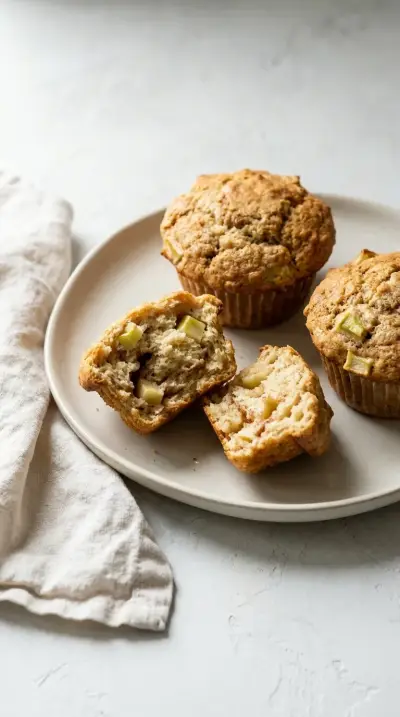
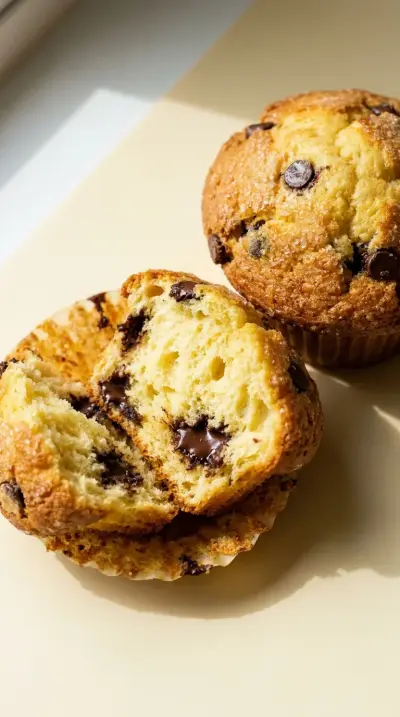
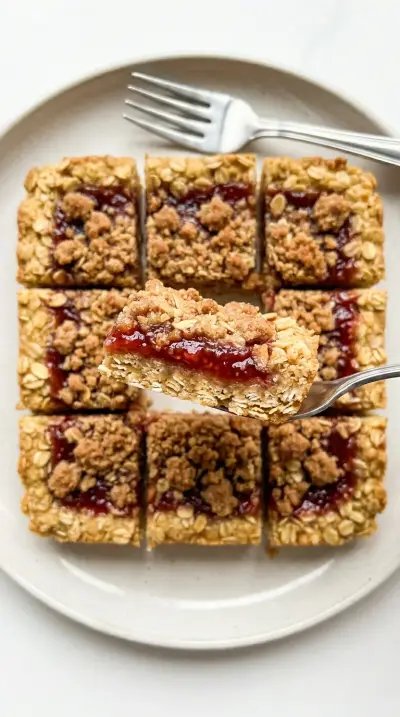
What makes these breakfast recipes weight‑loss friendly
Each recipe in this guide is built around three nutrition principles: high protein, ample fiber, and a moderate amount of healthy fat. Protein supports satiety and preserves lean muscle while you create a calorie deficit. Fiber slows glucose absorption, reducing spikes in blood sugar that can trigger cravings. Healthy fats—such as those from nuts, seeds, or avocado—provide lasting energy without the rapid dip that simple carbs often cause.
In addition to macronutrient balance, the recipes prioritize low‑glycemic‑index (GI) ingredients. Low‑GI foods release glucose more slowly, helping you stay full longer and keeping your metabolism steady throughout the morning.
Key ingredients for a balanced breakfast
Below are the staple ingredients that appear frequently across the recipes. Adjust portions to meet your individual calorie goals.
- Eggs or egg whites – a complete protein source that cooks quickly and can be scrambled, baked, or poached.
- Greek yogurt (plain, non‑fat or low‑fat) – provides 10‑15 g of protein per serving and a creamy base for parfaits and smoothies.
- Whole‑grain oats – a soluble fiber powerhouse; choose rolled or steel‑cut oats for minimal processing.
- Nut butters (almond, peanut, or cashew) – supply monounsaturated fats and a modest protein boost; use 1 tsp per serving to keep calories in check.
- Fresh berries, sliced apple, or kiwi – low‑calorie fruit options that add antioxidants and natural sweetness.
- Leafy greens (spinach, kale, or arugula) – can be folded into omelets or blended into smoothies for extra micronutrients without bulk.
- Seeds (chia, flax, hemp) – deliver omega‑3 fatty acids and additional fiber; a tablespoon per serving is sufficient.
- Whole‑grain or sprouted‑grain bread – offers complex carbohydrates and a firm structure for open‑face toppings.
Techniques and tips for preparation
Efficiency matters when you’re aiming for a healthy start without sacrificing time. Follow these methods to streamline cooking while preserving nutrient quality.
- Batch‑cook oats: Prepare a large pot of steel‑cut oats on Sunday, portion into containers, and reheat with a splash of milk or water each morning.
- Use a non‑stick skillet or cast‑iron pan for eggs; a light coating of cooking spray eliminates excess oil.
- Pre‑portion protein: Cook a batch of chicken breast, turkey sausage, or tofu on the weekend, then slice into bite‑size pieces for quick scramble mixes.
- Layer flavors by adding herbs, spices, or a dash of hot sauce at the end of cooking. This adds satisfaction without extra calories.
- Blend smartly: When making smoothies, start with liquid (water, unsweetened almond milk), then add protein (Greek yogurt or protein powder), followed by greens, fruit, and finally seeds or nut butter. This order prevents clumping.
Serving suggestions and portion control
Even nutrient‑dense foods can contribute excess calories if portion sizes are unchecked. Use the following guidelines to keep meals balanced.
- Measure protein: Aim for 20‑30 g per breakfast. This typically equals 2 large eggs, ¾ cup Greek yogurt, or ½ cup cooked lean meat.
- Fiber target: Include at least 5‑7 g of fiber. One half‑cup of cooked oats plus a quarter‑cup of berries meets this goal.
- Healthy fat limit: Restrict added fats to 1‑2 tsp of nut butter or ¼ avocado per serving.
- Plate composition: Fill half the plate with vegetables or fruit, one‑quarter with protein, and one‑quarter with whole grains or starchy vegetables.
- Use smaller dishes: A 10‑inch plate or a shallow bowl can visually cue you to serve less, reducing the risk of overeating.
Storing and make‑ahead options
Planning ahead removes the temptation to skip breakfast or reach for processed alternatives. Below are storage strategies that preserve flavor and texture.
- Overnight oats: Combine rolled oats, Greek yogurt, milk, and chia seeds in a mason jar. Refrigerate for 4‑6 hours; add fresh fruit just before eating.
- Egg muffin cups: Whisk eggs with chopped vegetables, pour into a greased muffin tin, and bake at 350 °F for 15‑20 minutes. Store 3‑4 cups in the fridge for up to 4 days.
- Freezer‑friendly smoothie packs: Portion frozen berries, spinach, and a scoop of protein powder into zip‑top bags. In the morning, blend with liquid and a spoonful of nut butter.
- Pre‑roasted nuts and seeds: Toast a mix of almonds, walnuts, and pumpkin seeds; keep in an airtight container for quick topping.
- Batch‑cooked quinoa or brown rice: Use ½ cup as a base for savory breakfast bowls; reheat in the microwave with a splash of broth.
Frequently asked questions
Can I skip breakfast and still lose weight?
Skipping meals may reduce overall calorie intake, but it can also lead to greater hunger later, causing larger portions or less nutritious choices. A balanced breakfast helps regulate appetite and supports consistent energy levels.
How many calories should my breakfast contain?
For most adults aiming for gradual weight loss, a breakfast of 300‑400 calories aligns with a 1,200‑1,600 calorie daily target. Adjust based on your total daily energy expenditure and personal goals.
Is it okay to have fruit juice in the morning?
Fruit juice is low in fiber and high in natural sugars, which can spike blood glucose. Whole fruit is preferable because the skin and pulp retain fiber, slowing sugar absorption.
Can I use dairy‑free yogurt instead of Greek yogurt?
Yes, choose a plain, unsweetened soy or almond yogurt that provides at least 5 g of protein per serving. Check the label for added sugars, which can undermine weight‑loss goals.
What’s the best way to track protein intake?
Use a food‑logging app or a simple spreadsheet. Record the weight of protein sources (e.g., 100 g chicken breast = ~31 g protein) and sum totals for the day to ensure you meet your target.