Coconut Flour Thin Pancakes: Crepe-Style Grain-Free Breakfast
Most home cooks treat coconut flour like wheat flour when making coconut flour thin pancakes, producing a dry, gritty paste that refuses to spread and splits the moment you try to fold it. Coconut flour absorbs roughly four times more liquid than standard wheat flour, so a heavy hand leaves you with thick, cakey discs rather than delicate rounds.
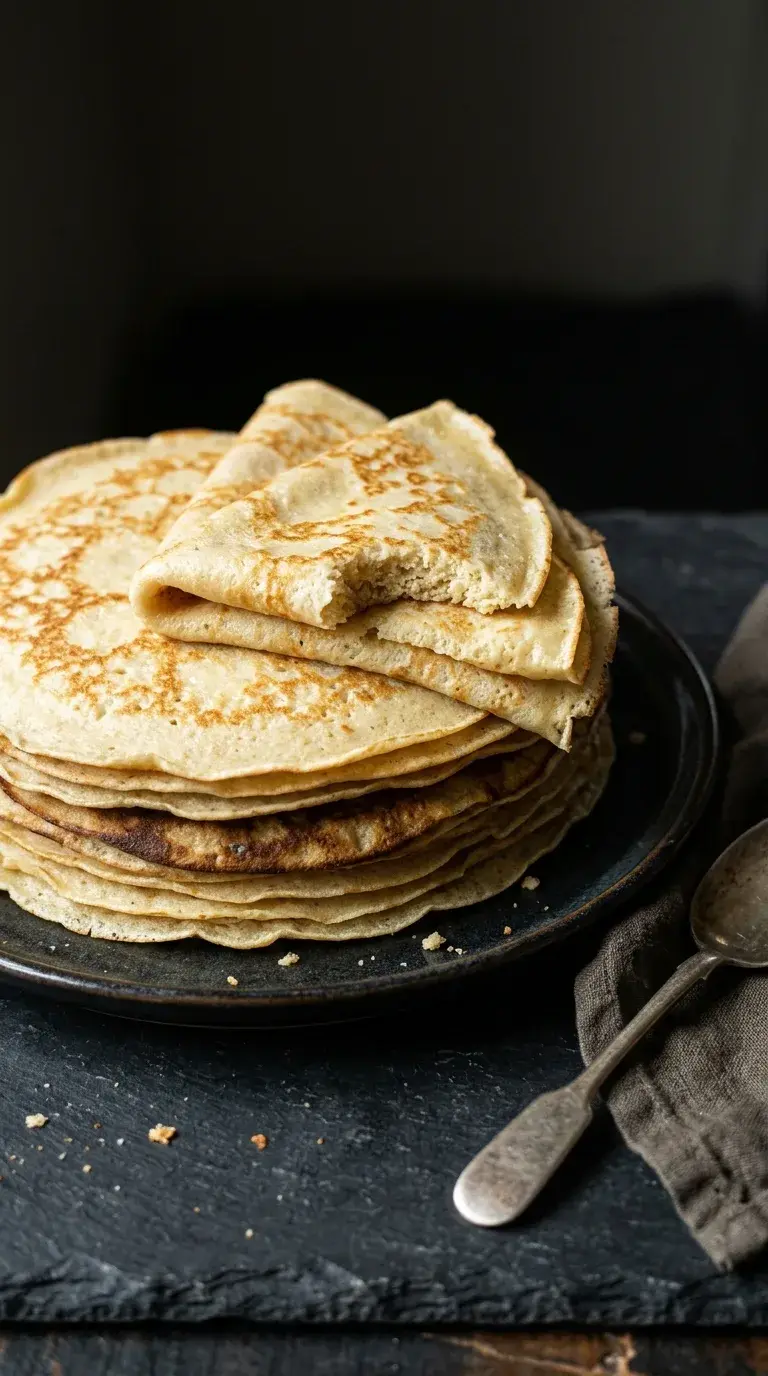
When the liquid ratio is right, these grain-free pancakes behave like classic French crepes. Each 18 cm round cooks in under two minutes to a pale golden colour with lacy edges, yielding a tender, flexible wrap you can roll around sweet fruit or savoury fillings without tearing. The entire batch takes 20 minutes from bowl to plate.
Two details decide the texture: sifting 30 g of coconut flour into 4 large eggs and 240 ml of milk, then resting the batter for 5 minutes. That short rest lets the fibre hydrate fully to the consistency of single cream so it swirls evenly across a 175°C (350°F) pan.
Coconut Flour Thin Pancakes: Crepe-Style Grain-Free Breakfast
Recipe cardIngredients
Instructions
-
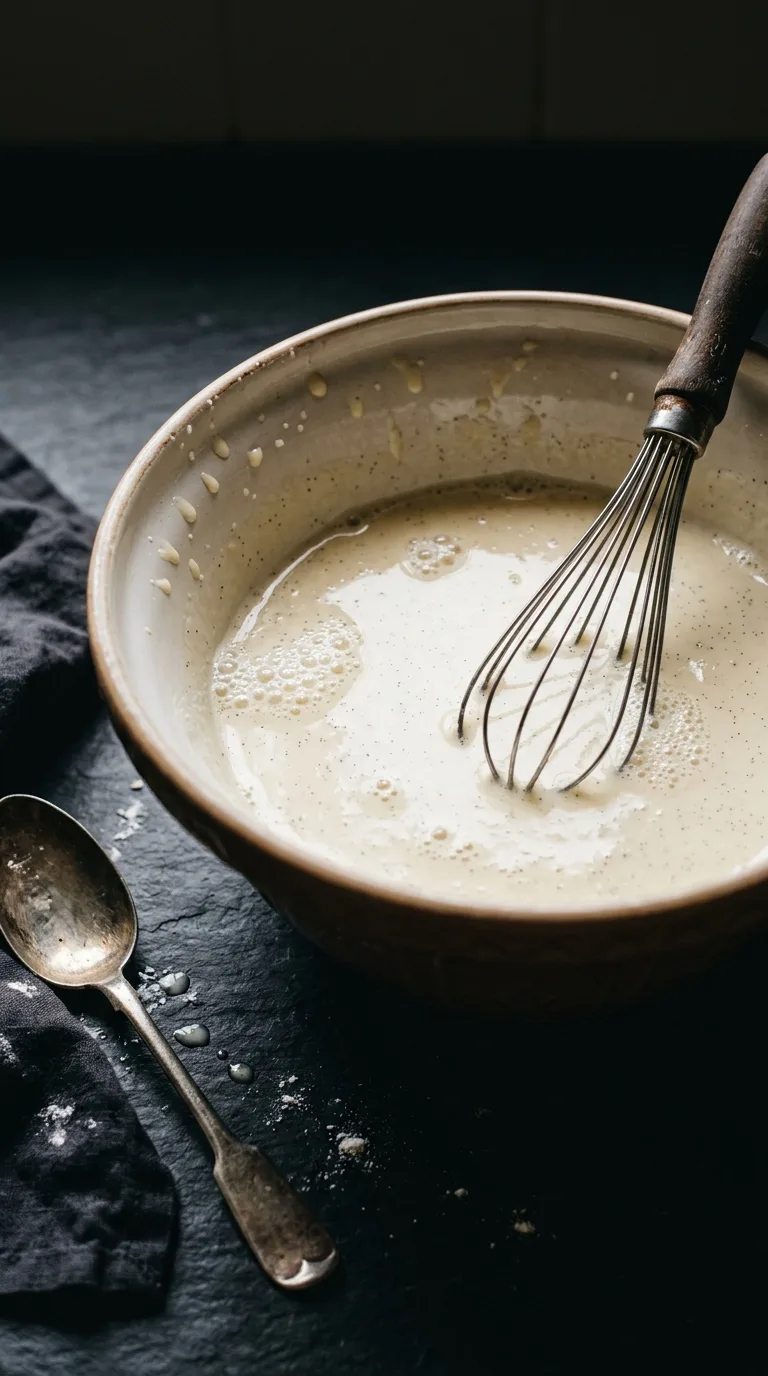
Whisk the wet ingredients
Crack the 4 room-temperature eggs into a medium mixing bowl and whisk vigorously for 30 seconds until smooth and slightly frothy. Pour in the 240 ml milk, 45 ml oil, 15 ml honey (or sugar), and 10 ml vanilla bean paste, then whisk until completely combined. Using room-temperature eggs and milk prevents melted coconut oil from solidifying into tiny flecks.
-
Sift and rest the batter
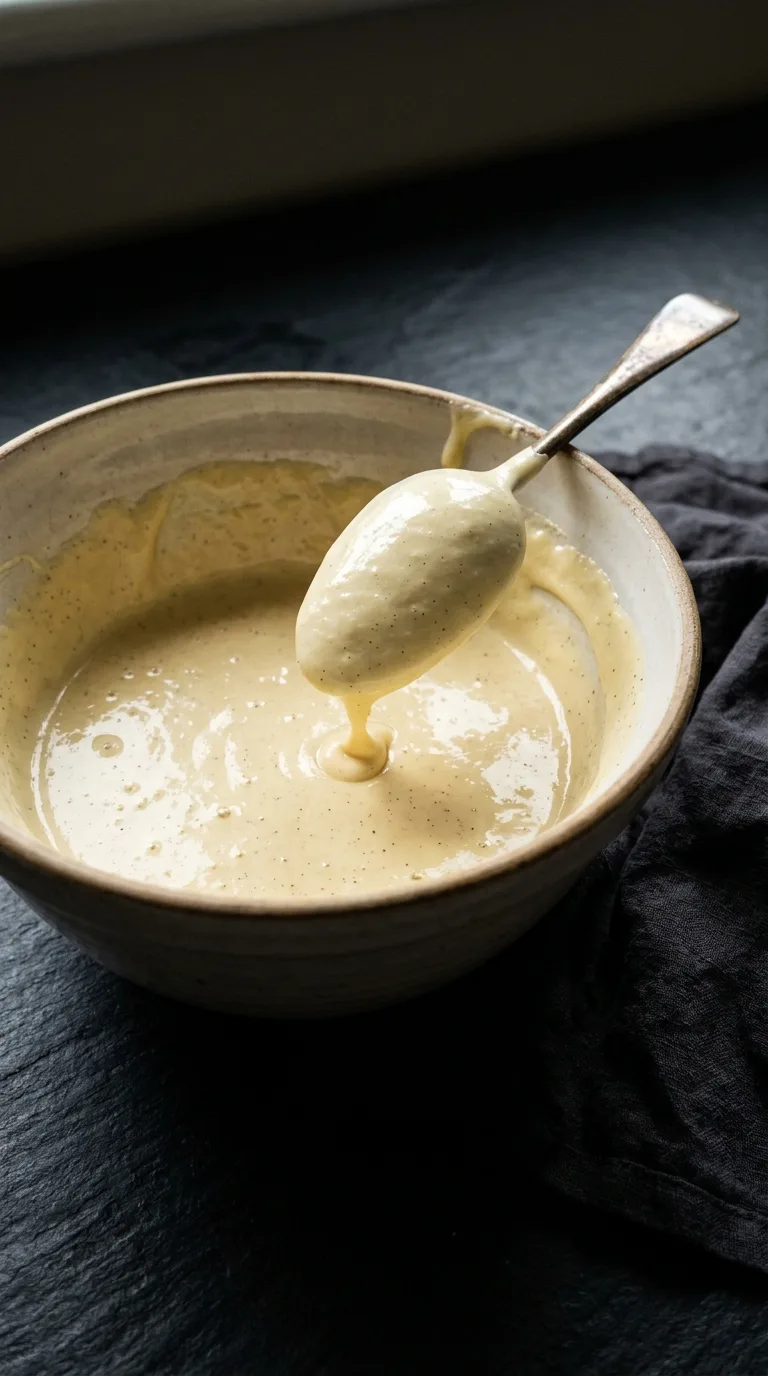
Set a fine-mesh sieve over the bowl and sift in the 30 g coconut flour, 1/4 teaspoon fine sea salt, and 1/4 teaspoon baking powder to remove any stubborn lumps. Whisk thoroughly until smooth, then leave the batter to rest on the counter for 5 minutes so the ultra-absorbent coconut flour can hydrate and thicken to the consistency of single cream.
-
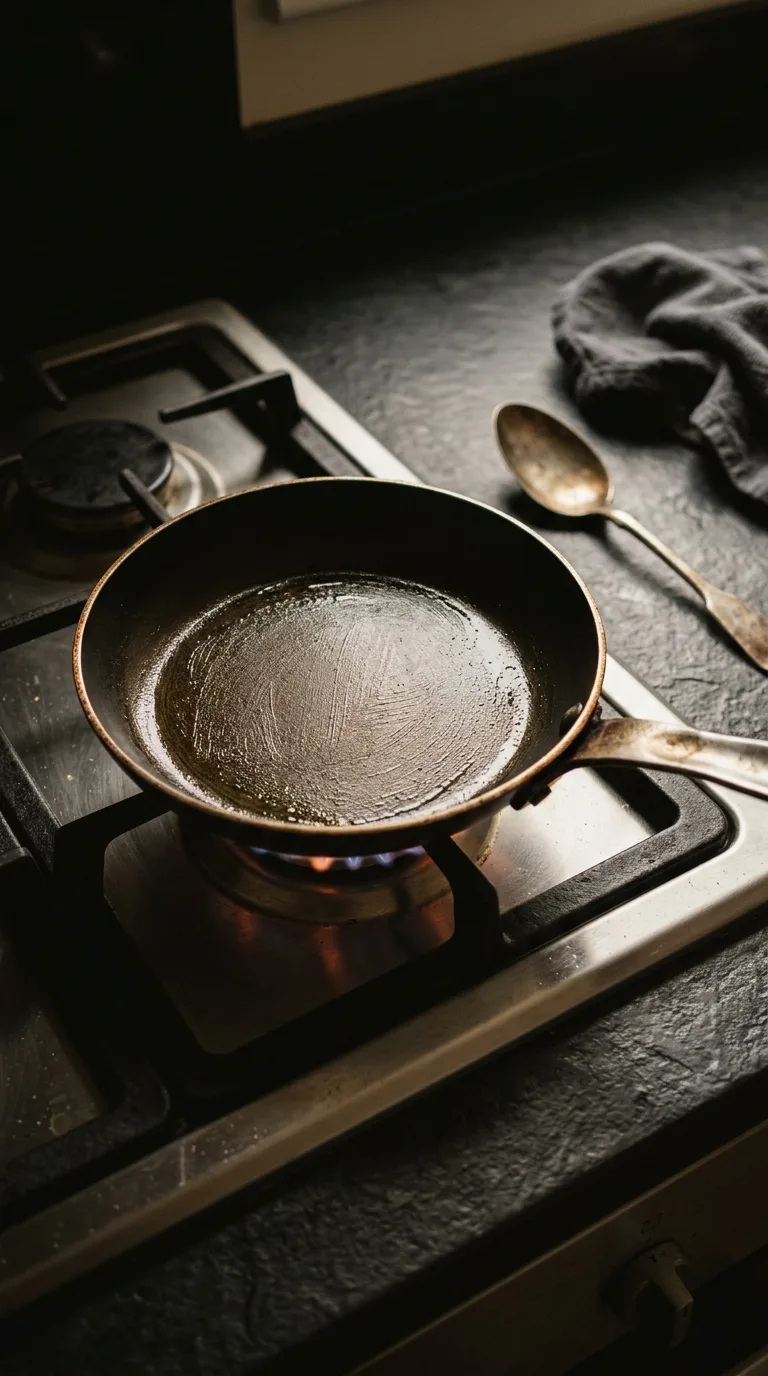
Heat and oil the pan
Place a 20 cm non-stick frying pan over medium heat for about 2 minutes until the surface reaches roughly 175°C (350°F). Lightly brush the base with a thin film of oil so the delicate pancake releases cleanly without sticking.
-
Swirl the batter thin
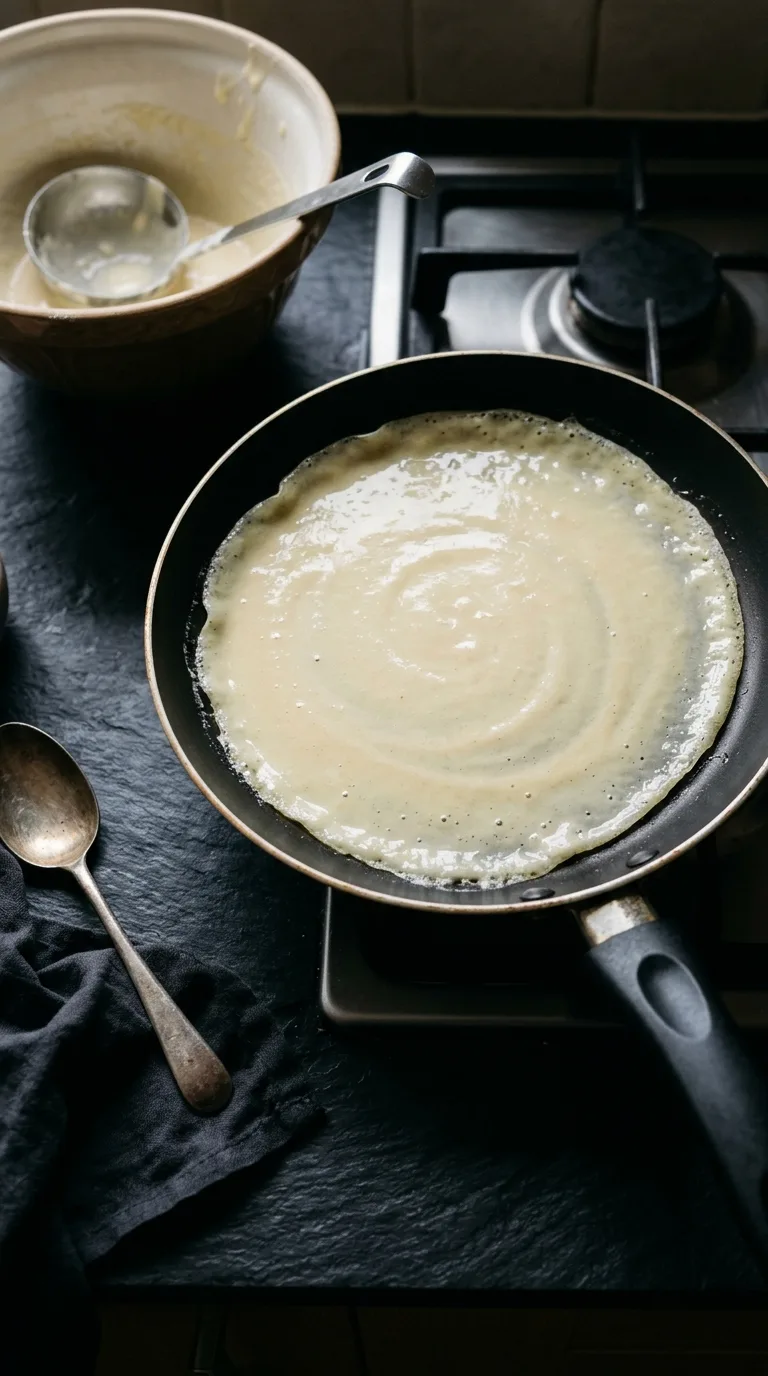
Give the rested batter a quick stir, lift the pan off the heat, and pour about 60 ml of batter into the centre. Immediately tilt and swirl the pan in a circular motion so the batter spreads into a thin, even 18 cm round before it sets on the hot surface.
-
Cook the first side
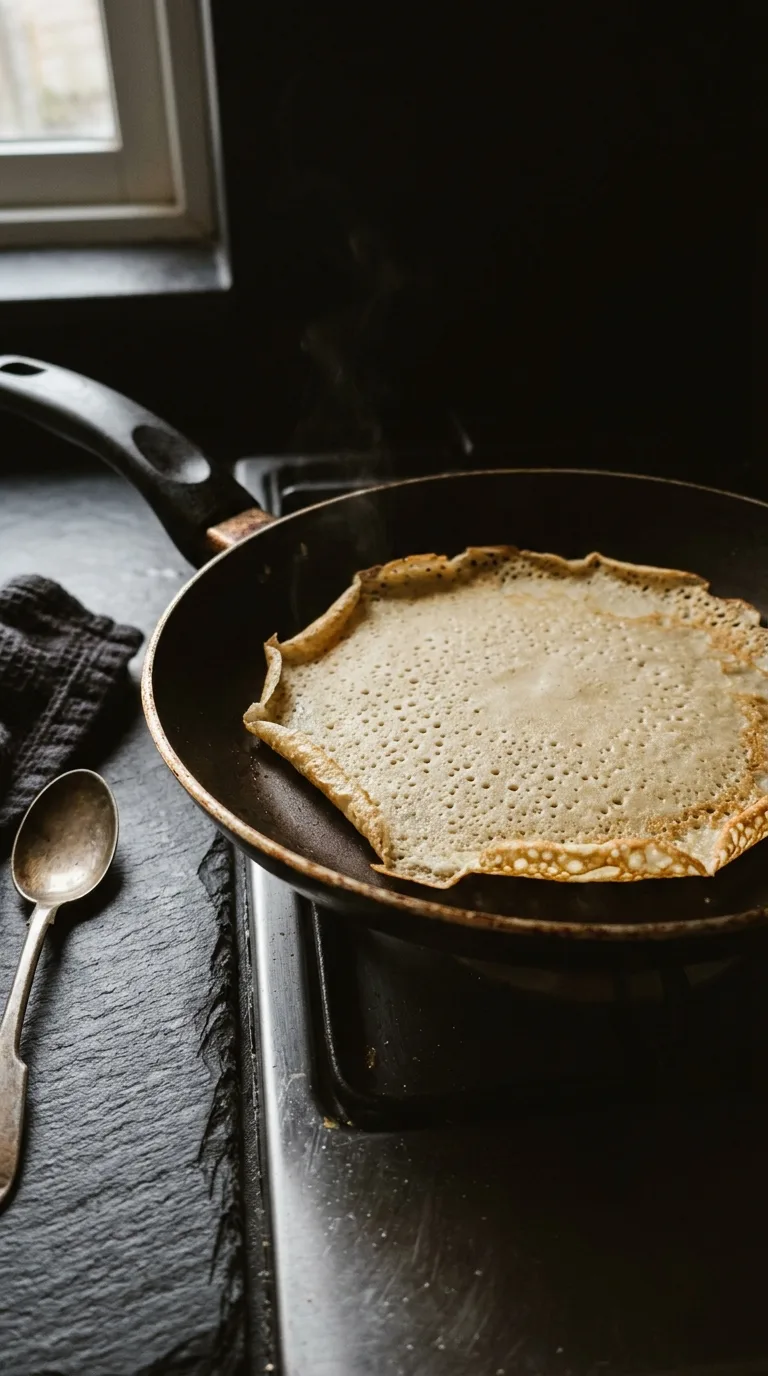
Return the pan to the heat and cook for 60 to 90 seconds until the top surface looks completely dry and tiny bubbles appear. Wait until the edges turn golden brown and begin to lift slightly, which signals the structure has set enough to hold together.
-
Flip and finish cooking
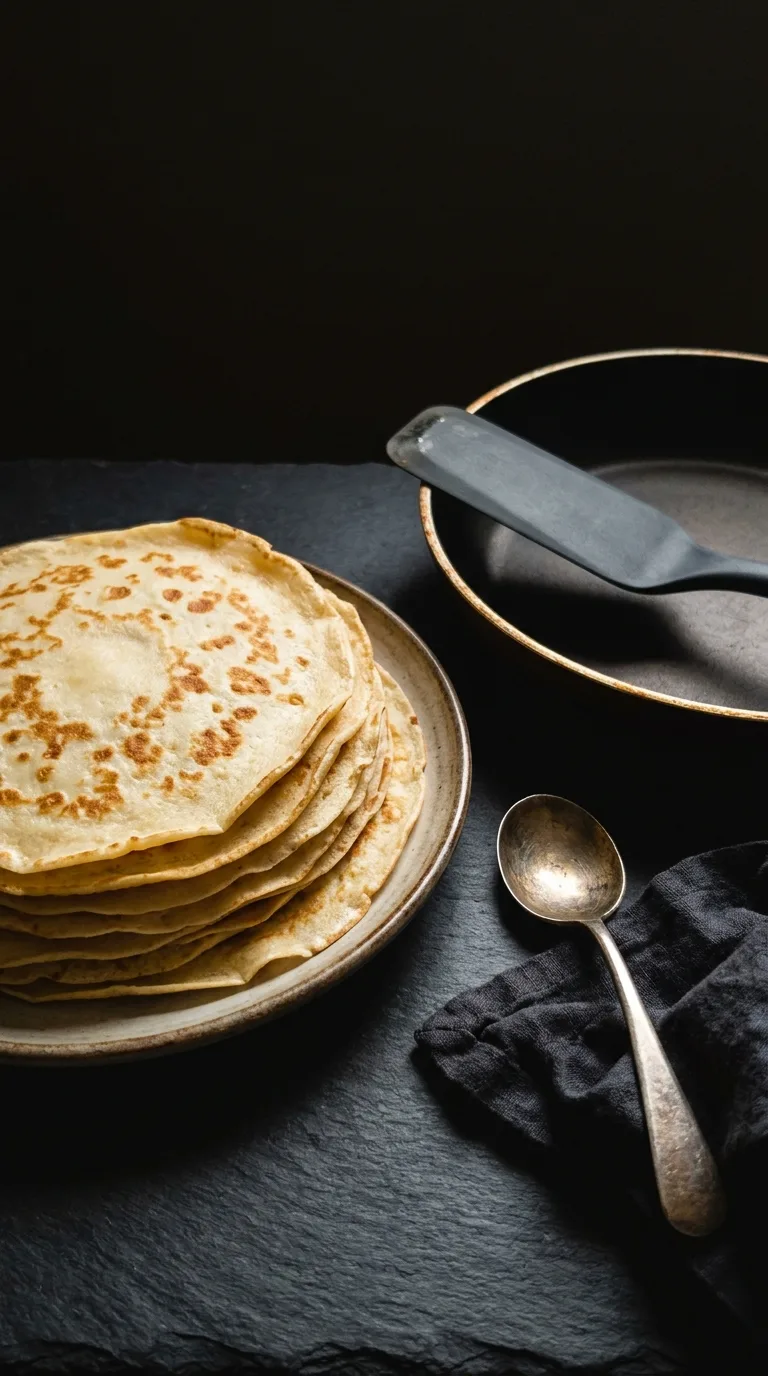
Slide a thin flexible silicone spatula gently underneath the pancake, flip it carefully, and cook the second side for 30 to 45 seconds until lightly spotted with golden brown. Transfer the finished thin pancake to a warm plate and repeat with the remaining batter, lightly greasing the pan between pancakes and adjusting the heat if they brown too quickly.
-
Fold or roll to serve
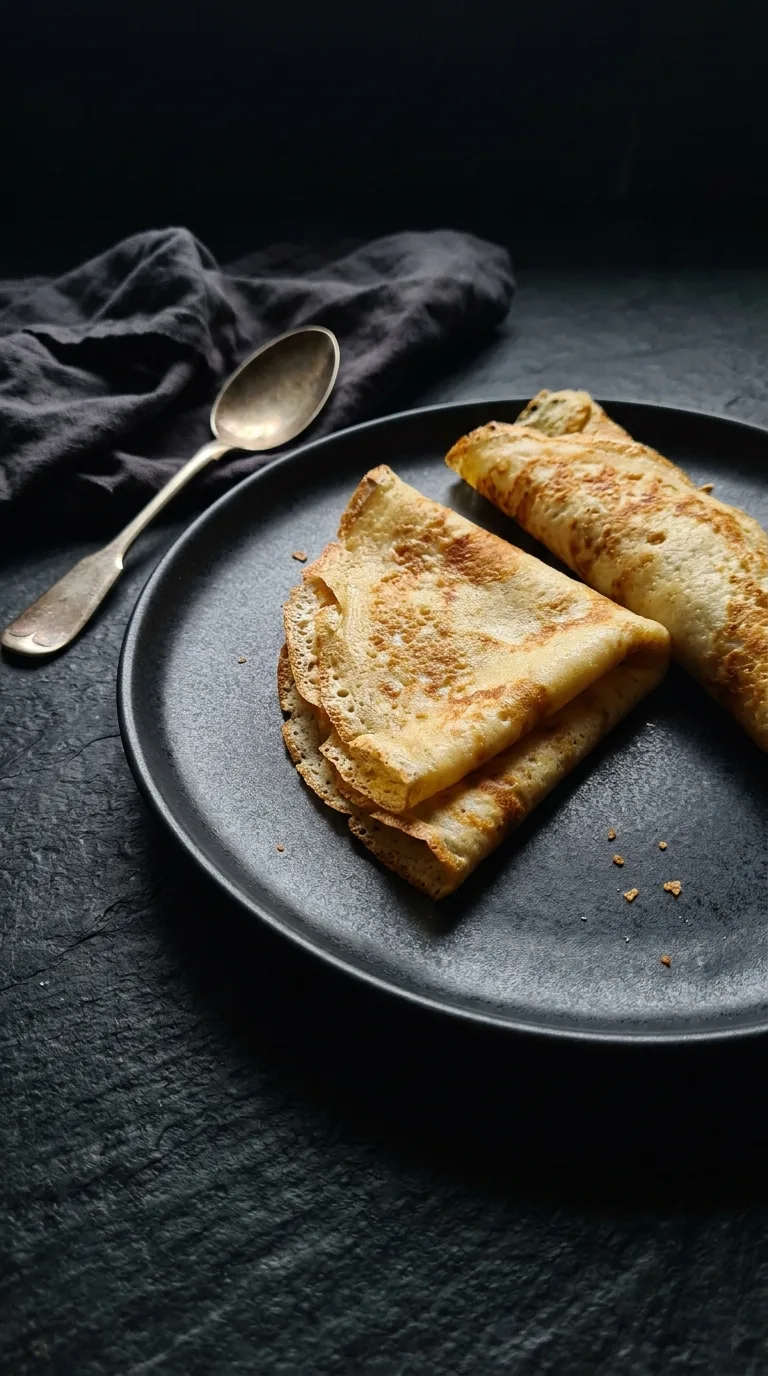
Serve the coconut flour thin pancakes warm while they are still soft and pliable. Fold them into quarters or roll them up around your favourite sweet or savoury fillings.
Coconut flour continues absorbing liquid while the bowl sits on the counter. If the batter thickens past the consistency of single cream and stops swirling easily across the pan, whisk in 15 ml of extra milk at a time until it flows smoothly off the ladle again.
What goes wrong and why
Dry, crumbly pancakes that split when folded happen when the batter becomes too thick before hitting the pan. Because coconut flour keeps absorbing moisture as it sits, watch how the batter leaves your ladle. If it stops flowing like single cream, whisk in 15 ml of extra milk at a time until smooth.
What to serve with it
Roll these warm pancakes around almond butter, sliced strawberries, and a drizzle of honey or maple syrup, or fill them with thick Greek yoghurt, blueberries, and ground cinnamon. For a savoury brunch, leave out the honey and vanilla bean paste and fill the pliable rounds with scrambled eggs, grated cheddar cheese, and fresh chives.
Storing and reheating
Keep cooked pancakes covered at cool room temperature for up to 2 hours before serving. For longer storage, layer cooled pancakes between sheets of baking parchment in an airtight container in the fridge for up to 3 days, or freeze in a sealed bag for up to 2 months and reheat in a dry pan.
Nutrition per serving
- Calories
- 122
- Protein
- 4.2 g
- Carbs
- 5.5 g
- Fat
- 9.3 g
- Fiber
- 1.4 g
- Sugar
- 3.4 g
Estimated, and offered as a guide rather than a medical figure.
Made it? Rate it.
Questions people ask
Can you use coconut flour for pancake batter?
Yes, coconut flour works well for thin pancakes when paired with enough eggs and liquid. Because it lacks gluten, four large eggs provide the structure needed to hold each 18 cm round together so it flips cleanly and bends without breaking.
What happens if you use coconut flour instead of all-purpose flour?
Using coconut flour in a straight swap for wheat flour creates a dense, dry paste that refuses to spread. Coconut flour absorbs roughly four times more moisture than standard wheat flour, so it requires far more milk and eggs to stay pourable.
How much coconut flour to replace 120 g (1 cup) of flour?
Use about 30 g to 40 g of coconut flour to replace 120 g (1 cup) of standard wheat flour. You must also increase the eggs and liquid in the batter so the high fibre content hydrates properly without turning chalky.

About the author
Makeva
Makeva is a home‑cook who loves crafting approachable meals that balance flavor and nutrition. She specializes in quick weeknight dinners, hearty soups, and wholesome baked goods, sharing step‑by‑step guidance and practical tips. Readers can expect clear instructions, adaptable recipes, and a friendly tone that encourages confidence in the kitchen.