Salads Recipes
Explore a collection of crisp, garden-fresh salads that are quick to assemble and packed with flavor. Each recipe highlights seasonal vegetables, light dressings, and optional protein boosts to keep you satisfied.
1 recipe
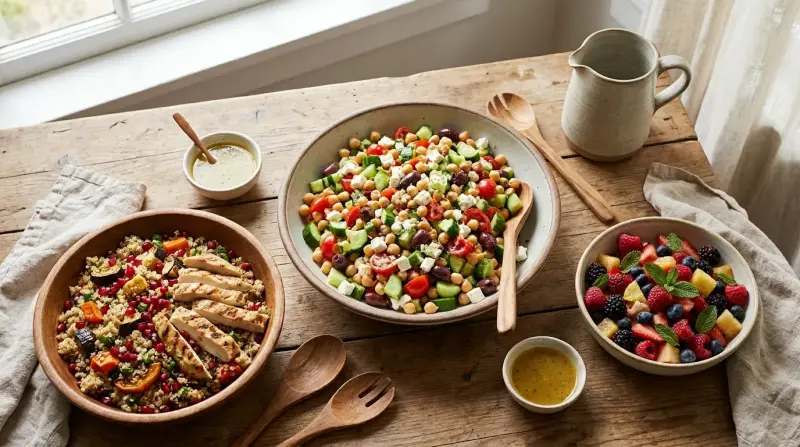
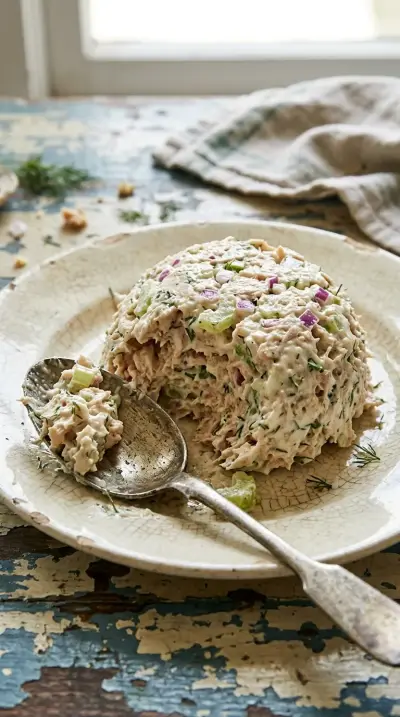
What makes fresh garden salads stand out
Fresh garden salads rely on the natural texture and flavor of raw vegetables. Because the ingredients are used shortly after harvest, they retain a crisp bite and bright color that can be lost in cooked dishes. The simplicity of the base allows you to adjust the calorie density easily—swap a high‑fat cheese for a lean protein, or choose a vinaigrette over a creamy dressing—to fit a weight‑loss plan without sacrificing satisfaction.
Another advantage is speed. Most components require only washing, chopping, and a quick toss, which means you can prepare a balanced meal in under ten minutes. This speed makes the salads ideal for busy mornings, lunch breaks, or post‑workout refueling.
Key ingredients for balanced garden salads
Choosing the right vegetables creates a foundation of fiber, vitamins, and minerals. Aim for a mix of leafy greens (such as romaine, spinach, or kale), colorful crunch (carrots, bell peppers, radishes), and seasonal additions (snap peas in spring, roasted beets in fall). Adding a source of protein—grilled chicken, canned tuna, boiled eggs, or chickpeas—helps stabilize blood sugar and prolong satiety.
Dressings should be light yet flavorful. A basic vinaigrette of three parts olive oil to one part acid (lemon juice, vinegar, or citrus) combined with a pinch of salt, pepper, and herbs provides a bright finish. For extra omega‑3s, replace part of the oil with walnut or flaxseed oil. Remember that a tablespoon of dressing adds roughly 120 calories, so measure if you’re tracking intake.
Techniques and tips for optimal texture and flavor
To keep greens from wilting, dry them thoroughly after washing. A salad spinner works best, but you can also pat them with a clean kitchen towel. Cutting vegetables into uniform sizes ensures even coating with dressing and a consistent mouthfeel. For tougher greens like kale, massage the leaves with a small amount of oil and salt for two minutes; this softens the fibers and reduces bitterness.
Layering the salad can improve flavor distribution. Place sturdier vegetables (cucumbers, carrots) at the bottom, add proteins in the middle, and finish with delicate greens on top. Toss the dressing just before serving to prevent sogginess. If you prefer a pre‑tossed salad for convenience, keep the dressing separate and combine when you’re ready to eat.
Storing and make‑ahead considerations
When preparing salads for the week, store components separately. Greens stored in a sealed container with a paper towel absorb excess moisture and stay crisp for up to five days. Hard vegetables can be pre‑chopped and kept in airtight bags. Protein sources should be cooked or rinsed, then refrigerated in their own containers.
Assemble the salad the night before only if you’ll eat it within 24 hours and use a light dressing. For longer storage, keep the dressing in a small jar and add it at the moment of consumption. This approach preserves texture and prevents the greens from becoming limp.
Frequently asked questions
Can I make a garden salad vegan?
Yes. Replace animal‑based proteins with beans, lentils, tofu, or tempeh, and use a vinaigrette that contains no honey or dairy.
How long can a dressed salad stay fresh?
A dressed salad will stay crisp for about 4–6 hours at refrigerator temperature. After that, the greens may soften, so it’s best to keep dressing separate for longer storage.
What is the best way to keep avocado from browning in a salad?
Dress avocado pieces with a splash of lemon or lime juice immediately after cutting. Store them in an airtight container; the acid slows oxidation and maintains color for several hours.
Is it okay to add cooked grains like quinoa to a fresh garden salad?
Adding cooked grains increases the carbohydrate content and makes the salad more filling. Ensure the grains are cooled before mixing to avoid wilting the greens.
Can I freeze any components of a garden salad?
Most raw vegetables lose texture when frozen, but you can freeze cooked proteins or grain bases. Thaw them in the refrigerator before adding to fresh greens.