Desserts Recipes
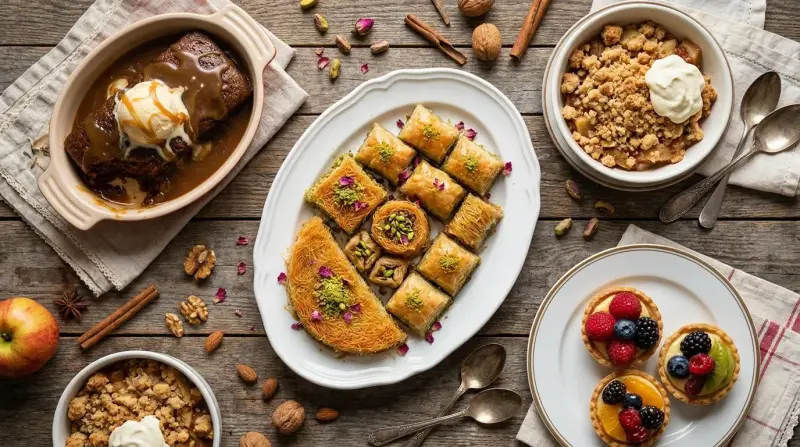
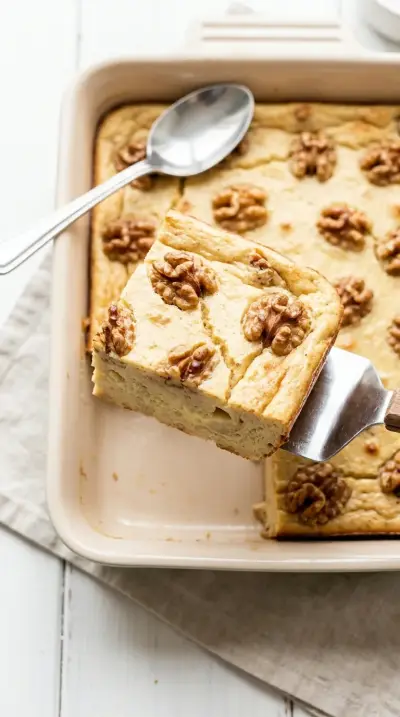
Discover a collection of dessert recipes that satisfy your sweet tooth while fitting your fat‑burn plan. From fruit‑forward parfaits to protein‑rich brownies, each dish is simple, nutritious, and ready to enjoy.
1 recipe
What makes these dessert recipes special
All of the desserts in this collection are built around the principle of supporting a fat‑burn plan without sacrificing taste. The recipes prioritize nutrient density, moderate carbohydrate loads, and a balance of protein and healthy fats. By choosing ingredients that have a low glycemic impact, each treat helps keep blood‑sugar spikes in check, which can reduce overall hunger after eating. The dishes also incorporate natural sweeteners and flavor enhancers, so you get the satisfaction of a sweet bite without relying on refined sugar.
Key ingredients for fat‑burn friendly desserts
Understanding which components contribute the most to a lean‑focused dessert can simplify recipe selection. Below are the staples that appear most often across the collection.
- Protein powders – whey, casein, or plant‑based isolates add satiety and help preserve muscle while you cut calories.
- Greek yogurt or cottage cheese – provide creamy texture, calcium, and a protein boost with minimal added fat.
- Unsweetened nut milks – almond, cashew, or oat milks keep moisture levels high without the calories of dairy milk.
- Whole‑grain flours – oat, almond, or coconut flour increase fiber, which slows digestion and supports steady energy release.
- Natural sweeteners – stevia, monk fruit, or erythritol deliver sweetness with a fraction of the calories of sucrose.
- Healthy fats – avocado, nut butters, and extra‑virgin olive oil contribute mouthfeel and help absorb fat‑soluble vitamins.
- Fresh fruit and berries – add natural sugars, antioxidants, and fiber, making them ideal for topping or blending.
Techniques and tips for lower‑calorie sweetness
Even when you use the right ingredients, preparation methods can make a big difference in the final calorie count and texture.
- Blend, don’t over‑mix – for batters, a brief blend ensures ingredients combine without developing excess gluten, which can make baked goods dense.
- Use a water bath for custards – gentle, even heat prevents curdling and reduces the need for added thickeners.
- Incorporate frozen fruit – frozen berries release moisture as they thaw, reducing the amount of added liquid or oil.
- Swap sugar with fruit puree – applesauce or mashed banana can replace up to half of the sugar in many recipes while adding natural sweetness.
- Portion control with silicone molds – using mini muffin tins or silicone chocolate molds helps keep serving sizes consistent.
- Finish with a sprinkle of spice – cinnamon, nutmeg, or vanilla extract can amplify perceived sweetness, allowing you to use less sweetener.
Serving suggestions and portion control
How you present a dessert can influence both satisfaction and overall intake. Aim for a balance of visual appeal and sensible sizing.
- Plate desserts on a small dish (6‑inch diameter) to create a sense of abundance without extra calories.
- Pair a protein‑rich treat with a fresh fruit side; the fiber from fruit adds bulk and helps you feel fuller.
- Use a dollop of Greek yogurt or a drizzle of nut butter as a garnish instead of heavy sauces.
- Label individual servings in the freezer or fridge so you can grab the exact portion when cravings strike.
Storing, make‑ahead, and freezer options
Many of the recipes are designed for batch cooking, which saves time and reduces the temptation to reach for less‑nutritious alternatives.
- Refrigeration – most mousse‑style desserts and Greek‑yogurt parfaits stay fresh for 3‑4 days in an airtight container.
- Freezing – brownies, protein bars, and baked cookies freeze well for up to 2 months. Wrap each piece in parchment paper before placing them in a zip‑top bag to prevent freezer burn.
- Reheat safely – microwaving baked goods for 10‑15 seconds restores softness without over‑cooking.
- Make‑ahead jars – layer chia pudding, fruit, and nuts in mason jars for grab‑and‑go desserts that stay crisp for a week.
Frequently asked questions
Can I substitute sweeteners?
Yes. Most recipes that call for stevia or monk fruit can accept erythritol or a blend of these sweeteners. When swapping, use the conversion ratio indicated on the sweetener package, as some are more concentrated than others.
How much protein should a dessert contain?
Aiming for 8‑15 grams of protein per serving helps keep blood‑sugar stable and reduces post‑meal cravings. Adjust the amount of protein powder or Greek yogurt to meet this target without drastically altering texture.
Are fruit‑based desserts enough to satisfy cravings?
Fruit provides natural sweetness, fiber, and micronutrients, making it an effective base for many cravings. Pairing fruit with a protein source—such as a spoonful of cottage cheese or a drizzle of nut butter—creates a more balanced snack that can curb the desire for higher‑calorie sweets.
What is the best way to keep baked desserts moist?
Incorporate a small amount of unsweetened applesauce or pureed pumpkin into the batter. Both add moisture without adding significant fat. Storing baked items with a slice of bread in an airtight container also helps retain softness for several days.