Oat Date Pancakes: Soft Wholegrain Breakfast Flatcakes
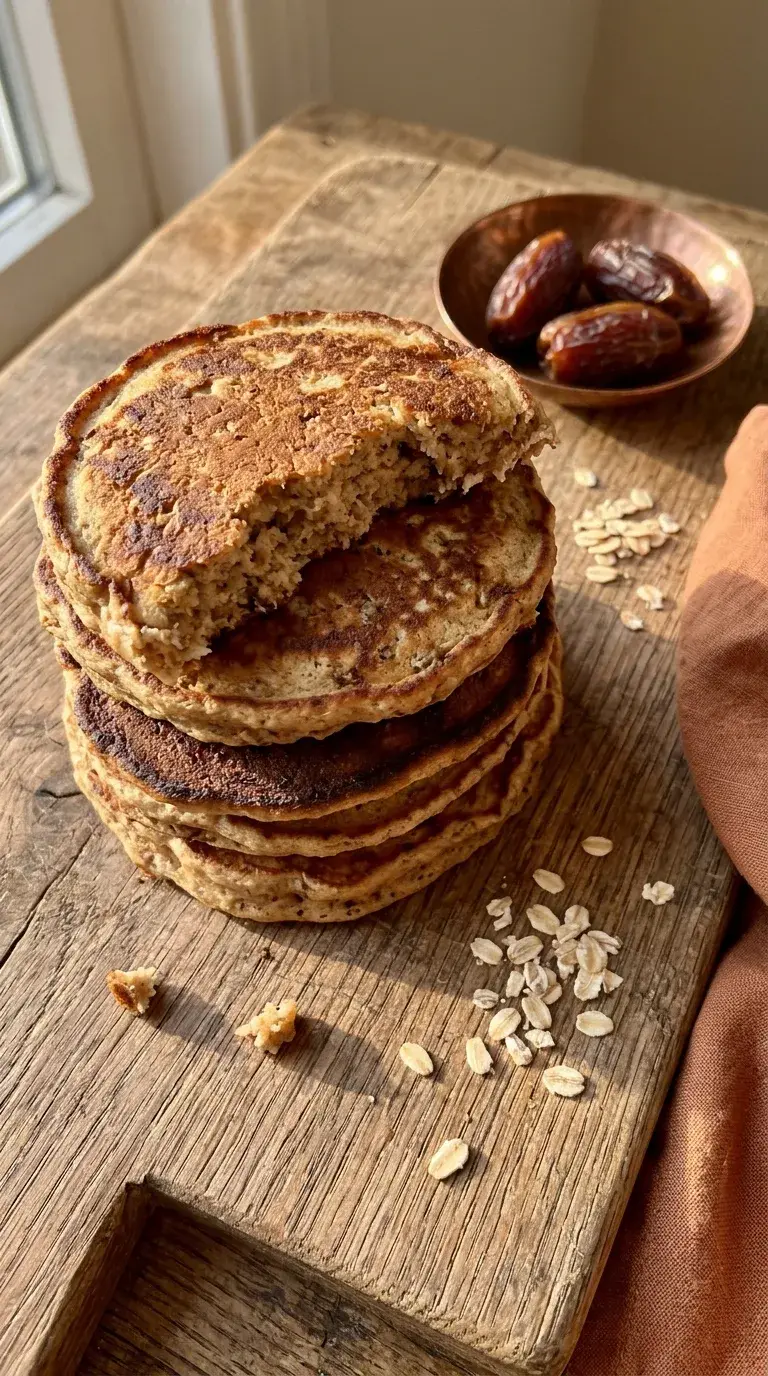
You can make oat date pancakes with store-bought oat flour, or you can pulse whole rolled oats in a blender for 20 to 30 seconds before mixing. Grinding your own oats gives you a coarse, flour-like texture that holds together cleanly when paired with 60 g of wholemeal flour. Soaking the chopped Medjool dates in warmed milk for 10 minutes softens the fruit so it blends completely smooth without leaving chewy lumps in the batter.
These Middle Eastern breakfast pancakes rely entirely on fruit for sweetness, with ground cinnamon and vanilla adding warmth to the wholegrain base. Resting the batter for 10 minutes lets the ground oats absorb the liquid, resulting in 14 thick, tender pancakes with caramelised golden-brown edges after cooking on a 175°C (350°F) griddle.
Oat Date Pancakes: Soft Wholegrain Breakfast Flatcakes
Recipe cardIngredients
Instructions
-
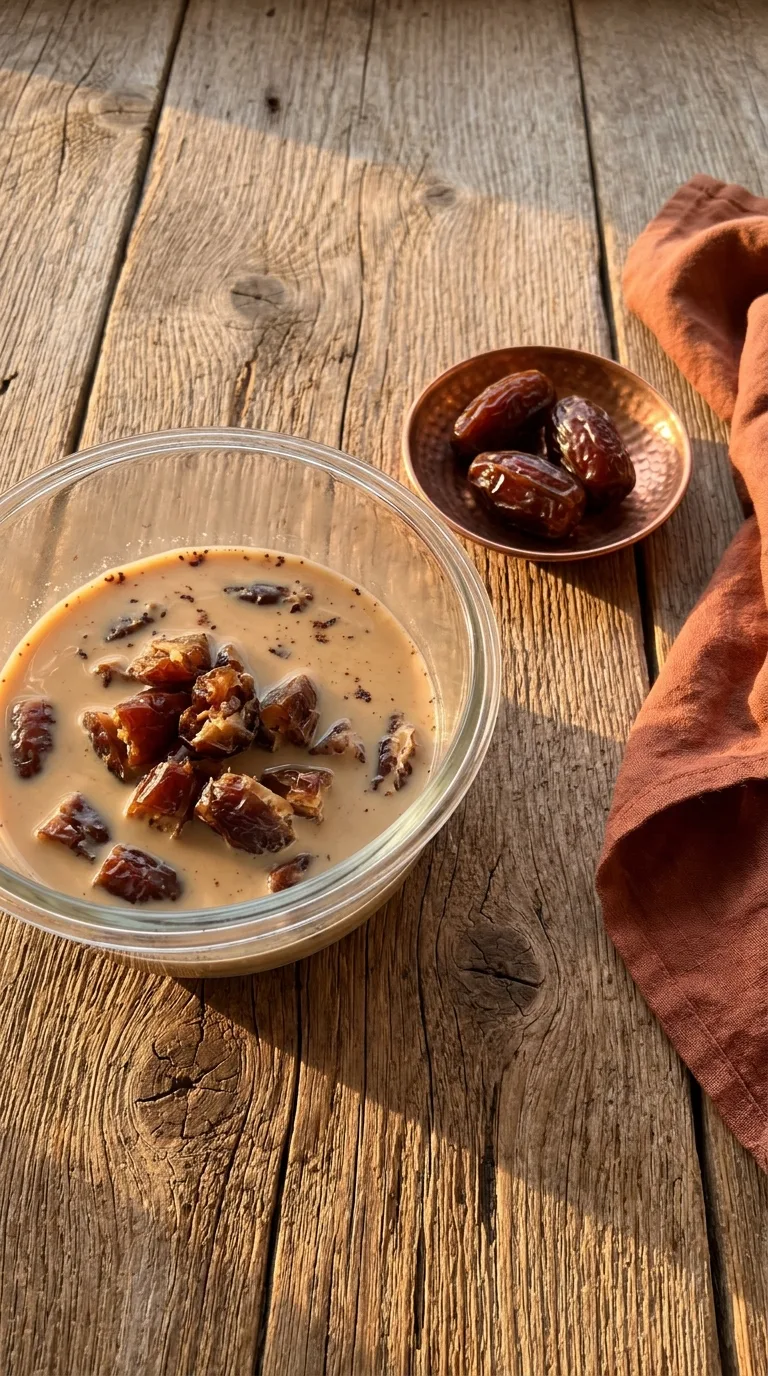
Soak the Medjool dates
Check the chopped Medjool dates by hand for stray stones, then place them in a medium heatproof bowl and pour the warmed milk over them. Leave the dates to soak for 10 minutes until completely softened so they puree smoothly without leaving tough lumps.
-
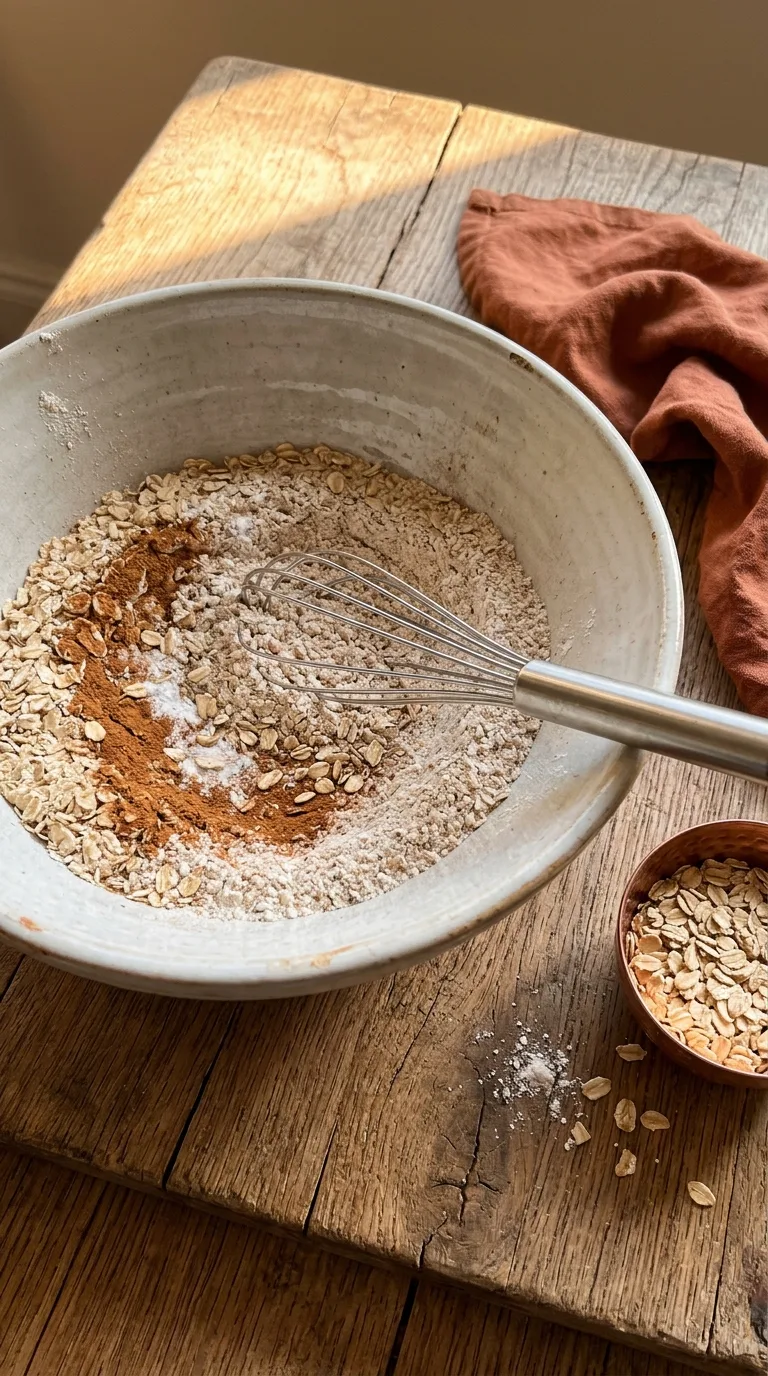
Grind the rolled oats
While the dates soak, put the rolled oats into a clean, dry high-speed blender or food processor and pulse for 20 to 30 seconds until they reach a coarse, flour-like consistency. Transfer the ground oats to a large mixing bowl and whisk in the wholemeal flour, baking powder, ground cinnamon, and fine sea salt so the raising agent distributes evenly.
-
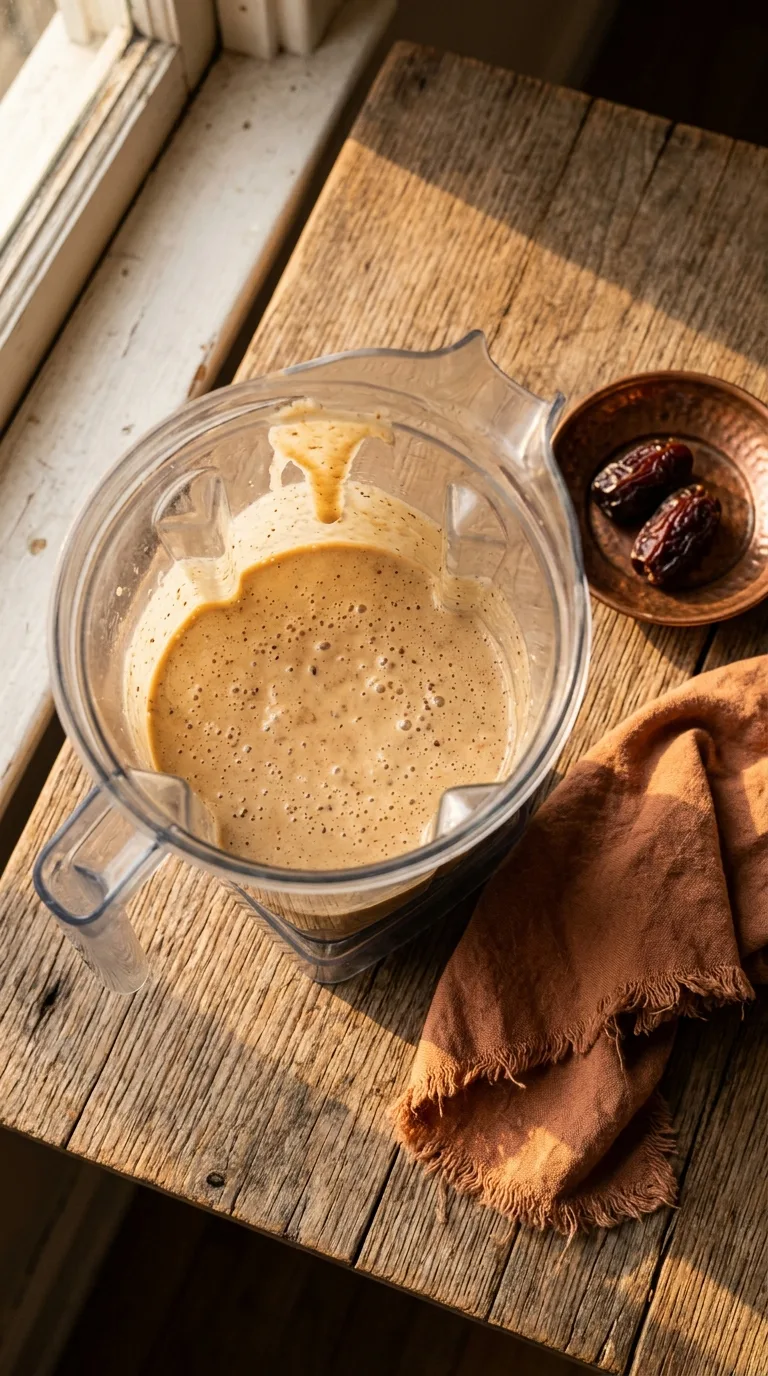
Blend the wet mixture
Tip the softened dates and all of their soaking milk into the blender alongside the room-temperature eggs, 30 ml of neutral vegetable oil or melted unsalted butter, and vanilla. Blend on high speed for 45 to 60 seconds until the liquid is pale caramel, creamy, and completely free of large date pieces.
-
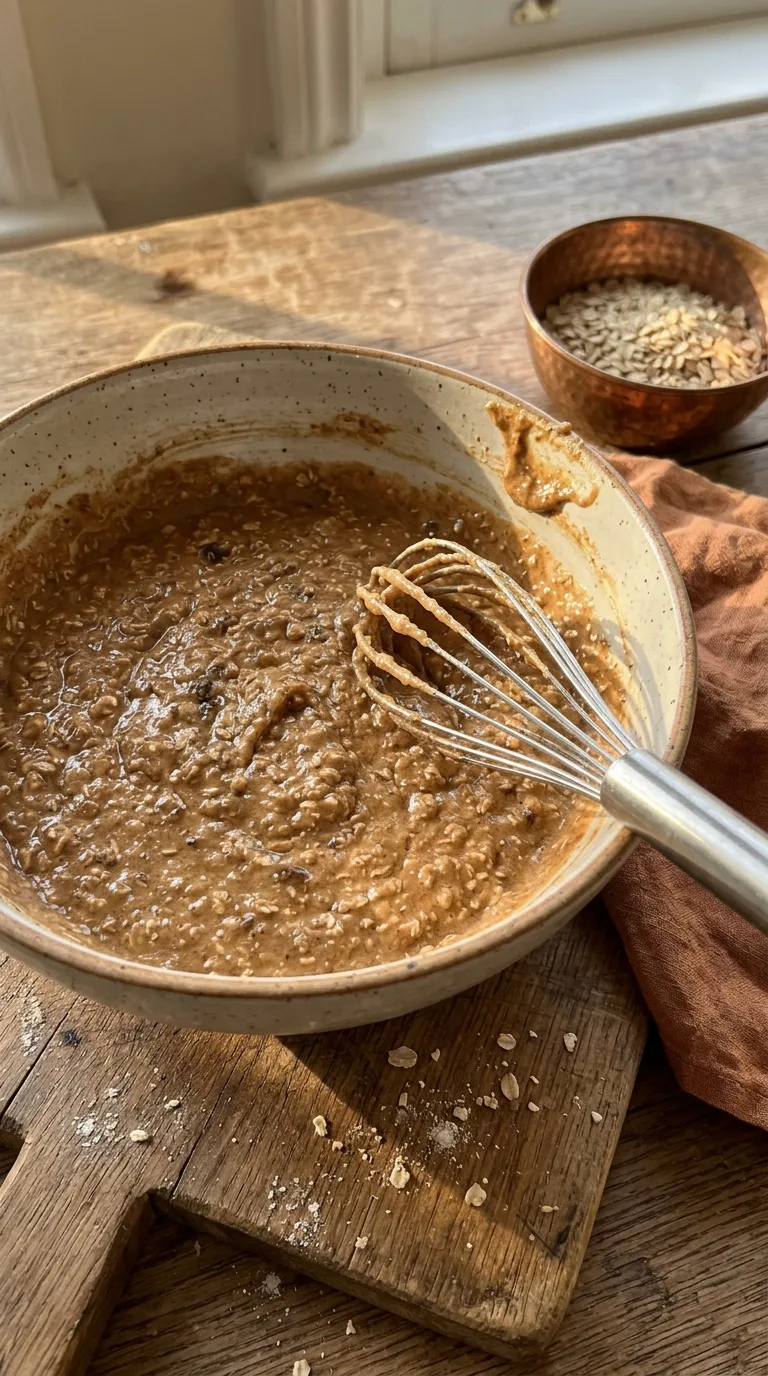
Fold the batter together
Pour the smooth date and milk mixture into the bowl of dry oat ingredients. Gently fold and whisk just until combined into a thick, pourable batter, stopping as soon as dry streaks disappear so the pancakes remain light and tender.
-
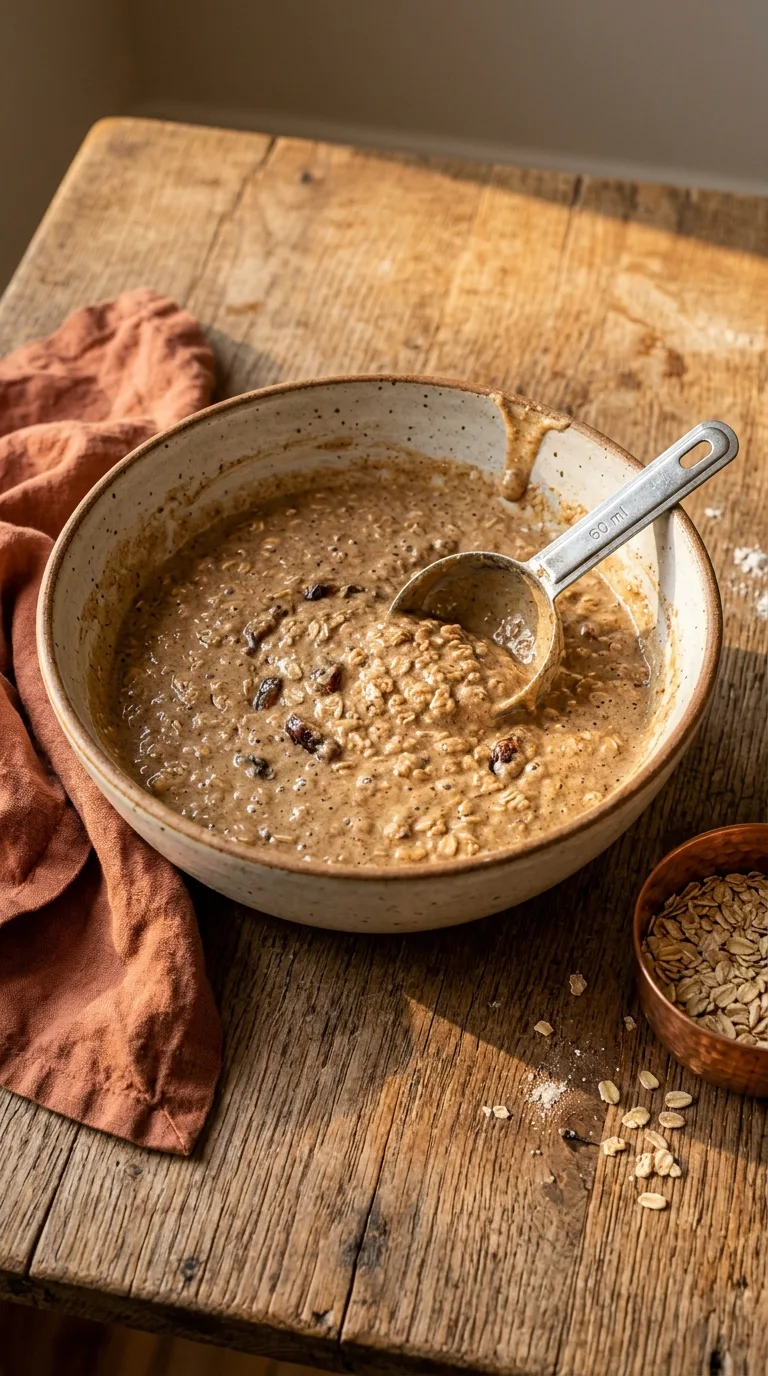
Rest the oat batter
Leave the batter to stand at room temperature for 10 minutes before heating the pan. Resting gives the coarse ground oats and wholemeal flour time to absorb the milk so the batter thickens and holds its shape on the griddle.
-
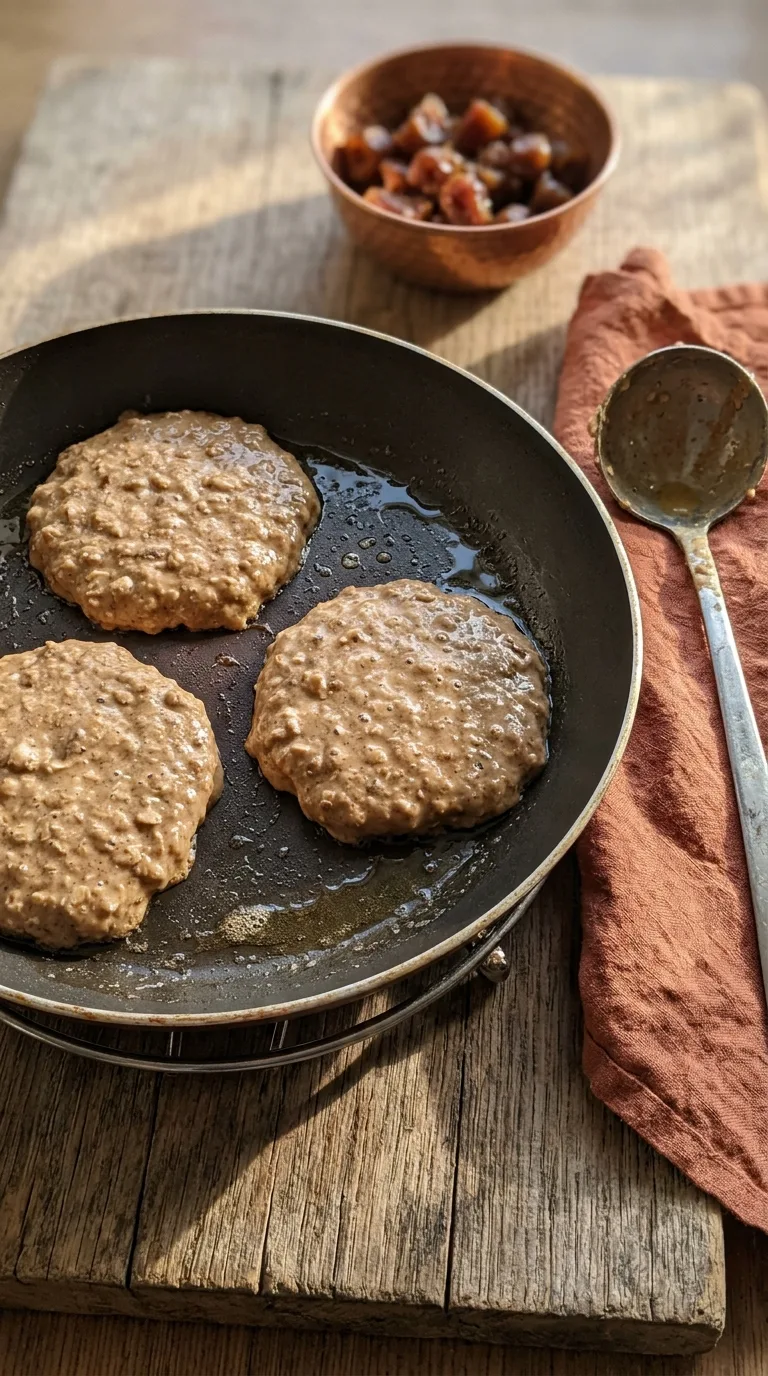
Heat and portion batter
Place a large non-stick frying pan or flat griddle over medium heat until the surface reaches 175°C (350°F), then brush lightly with oil or melted butter. Scoop 60 ml of batter per pancake onto the hot surface, leaving at least 4 cm of space between each round so they have room to spread.
-
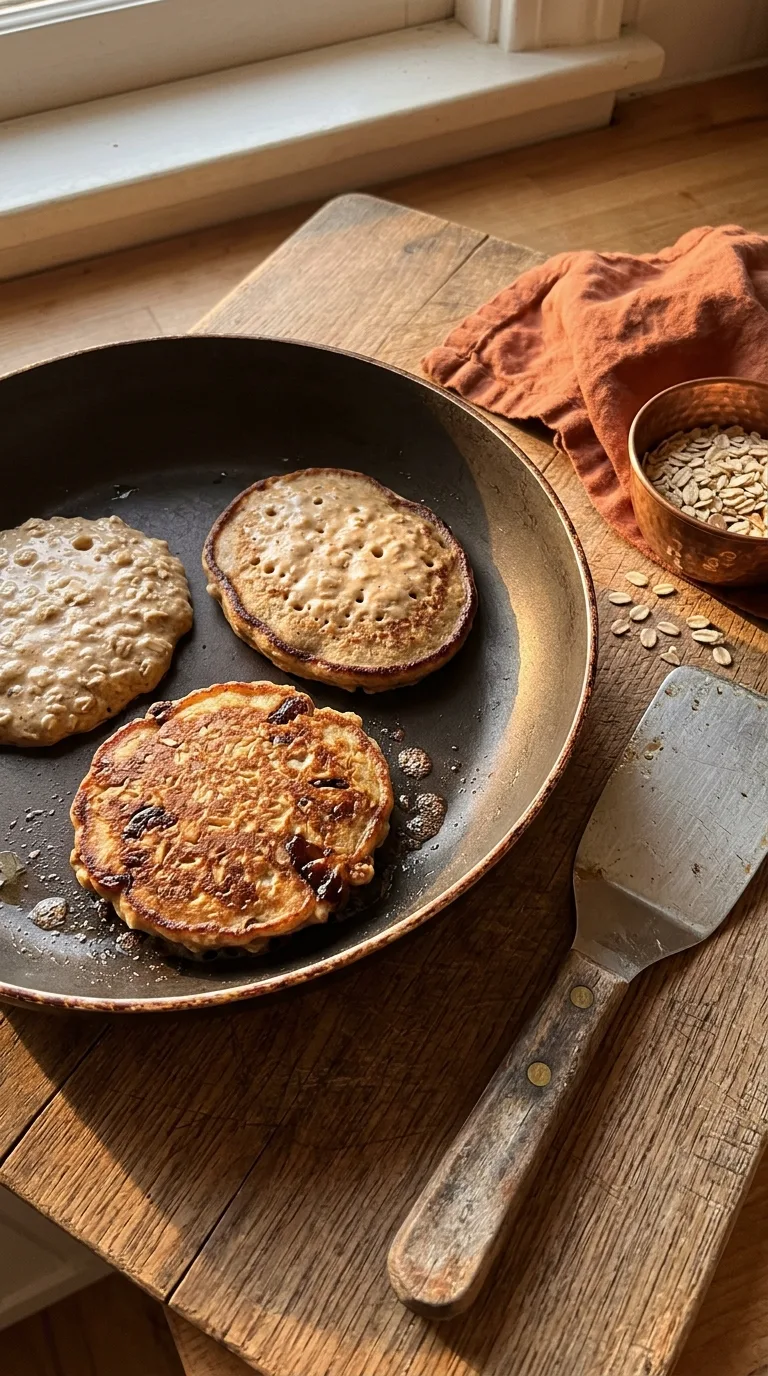
Cook until golden brown
Cook the pancakes for 2 to 3 minutes until small bubbles appear across the top, the edges look dry and set, and the underside turns deep golden brown. Flip carefully with a wide spatula and cook for 1 to 2 minutes more until the second side is golden brown and the centre springs back lightly when pressed.
-
Finish the remaining batches
Move the cooked pancakes to a warm plate and repeat with the remaining batter, lightly greasing the pan between batches. Lower the heat to medium-low if the exteriors darken too fast before the centres cook through, and stir 1 to 2 tablespoons of extra milk into the bowl if the final batter grows too thick to spread.
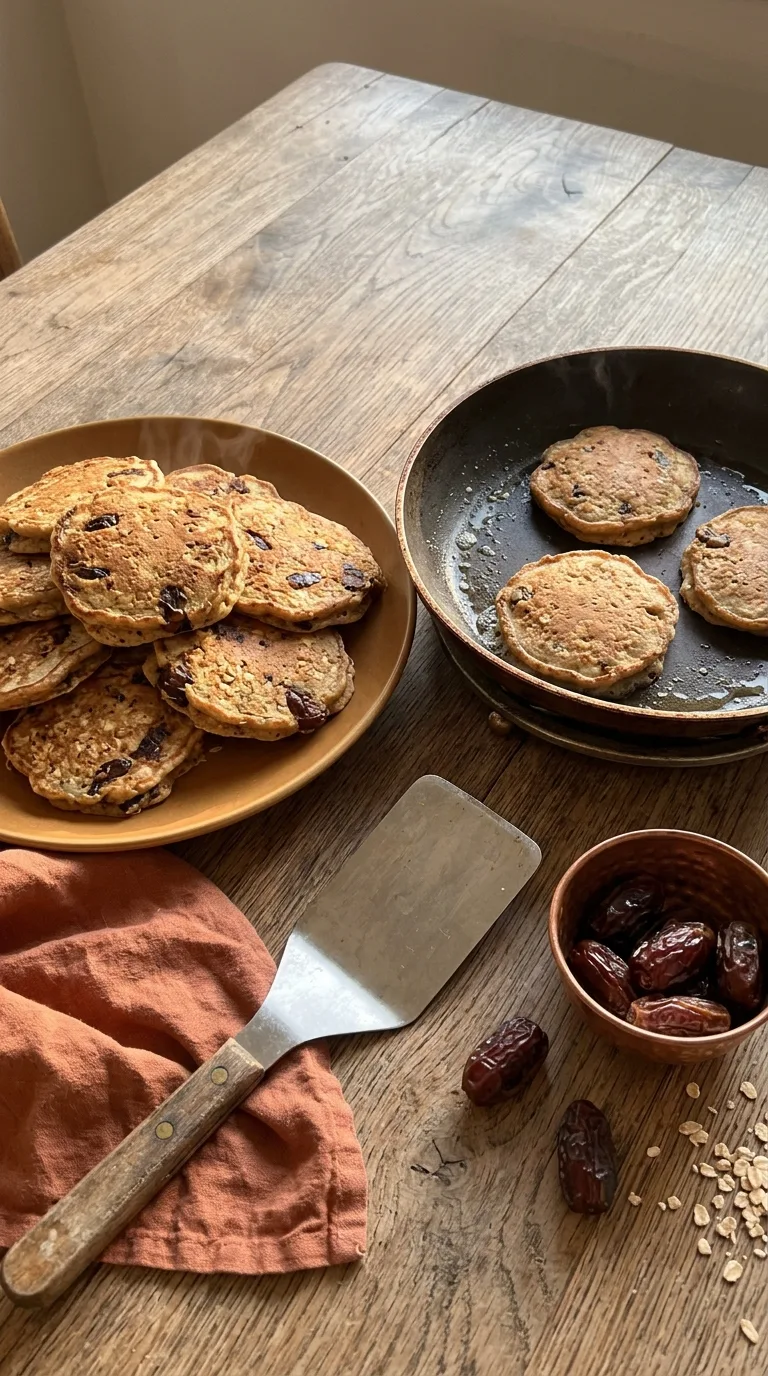
Natural date sugars caramelise much faster than refined white sugar, so high heat will scorch the outside before the oat centre cooks through. If a pancake browns darkly in under 2 minutes, turn your stove down to medium-low and grease the pan lightly before the next batch.
What to serve with it
Stack the warm pancakes high and top them with a dollop of thick Greek yoghurt, sliced fresh bananas, and a light dusting of ground cinnamon. For extra richness, scatter toasted chopped walnuts or pecans and fresh berries over the stack, then finish with a drizzle of pure date syrup or warm tahini.
Storing and reheating
Cool leftover pancakes completely, then store them in an airtight container in the refrigerator for up to 4 days with baking parchment between each layer. You can also freeze them in a single layer for 1 hour before transferring to a bag for 2 months, reheating straight from frozen in a 180°C (350°F) oven for 5 to 7 minutes.
Nutrition per serving
- Calories
- 128
- Protein
- 4.2 g
- Carbs
- 20.5 g
- Fat
- 3.5 g
- Fiber
- 2.6 g
- Sugar
- 8.9 g
Estimated, and offered as a guide rather than a medical figure.
Made it? Rate it.
Questions people ask
Can I make oat date pancakes without eggs?
Yes, replace the 2 large eggs with 2 tablespoons of ground flaxseed mixed with 5 tablespoons of warm water. Leave the mixture to gel for 5 minutes so it binds the ground oats and wholemeal flour cleanly on the griddle.
Why has my pancake batter become too thick for the final batch?
Ground rolled oats and wholemeal flour continue absorbing milk while you cook the first batches. Stir 1 to 2 tablespoons of extra milk into the bowl to loosen the batter back to a pourable consistency so it spreads easily.
Can I make these pancakes dairy-free?
Yes, use 480 ml of unsweetened almond milk for soaking the Medjool dates and 30 ml of neutral vegetable oil instead of melted butter. The natural sugars and fats in the dates still give the batter a rich, tender crumb.
How do I stop oat date pancakes from burning on the outside?
Keep the pan at a steady medium heat around 175°C (350°F) and lower it to medium-low if the pancakes darken too fast. Natural fruit sugars in Medjool dates caramelise faster than refined sugar, so high heat scorches the crust before the centre sets.

About the author
Makeva
Makeva is a home‑cook who loves crafting approachable meals that balance flavor and nutrition. She specializes in quick weeknight dinners, hearty soups, and wholesome baked goods, sharing step‑by‑step guidance and practical tips. Readers can expect clear instructions, adaptable recipes, and a friendly tone that encourages confidence in the kitchen.