The healthiest dip for weight loss: low‑calorie, high‑protein options
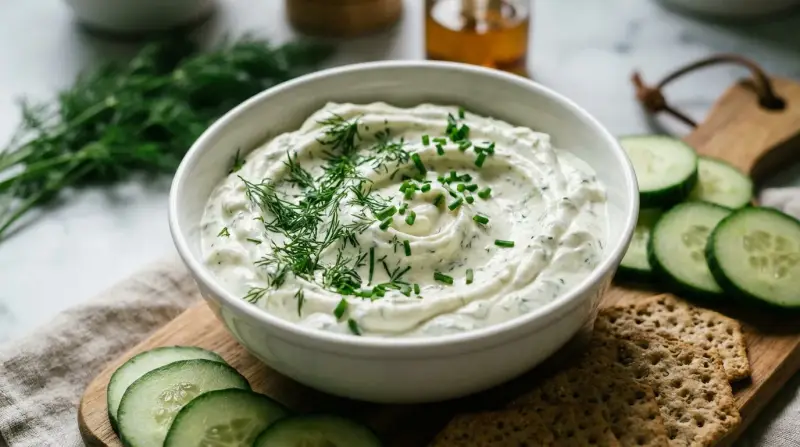
The healthiest dip for weight loss is a low‑calorie, high‑protein choice that adds flavour without excess fat or sugar; Greek yoghurt mixed with fresh herbs usually tops the list because it supplies plenty of protein, probiotics and minimal calories while keeping the dip creamy and satisfying.
Comparison of top weight‑loss‑friendly dips
| Dip | Time & Effort | Calorie / Protein (per 2 tbsp) | Best For |
|---|---|---|---|
| Greek yoghurt & herb dip | 10 min, no cooking | 20 kcal, 4 g protein | Quick snack, high‑protein diet |
| Cottage cheese & chive dip | 10 min, no cooking | 25 kcal, 5 g protein | Low‑fat cravings, dairy lovers |
| Black bean & salsa dip | 15 min, brief simmer | 45 kcal, 3 g protein | Fibre boost, plant‑based eaters |
| Roasted vegetable & lentil dip | 35 min, roast then blend | 50 kcal, 4 g protein | Vegetable‑centric meals, vegans |
| Avocado & lime dip | 10 min, no cooking | 60 kcal, 2 g protein | Healthy‑fat addition, Mediterranean style |
Greek yoghurt and herb dip – the lean winner
This dip combines strained Greek yoghurt (0 % fat), lemon juice, garlic, dill and chives. The high protein content (about 10 g per 100 g) keeps you full, while the probiotic cultures support gut health. Use a non‑stick bowl to avoid sticking, and whisk until smooth.
- Ingredients: 200 g fat‑free Greek yoghurt, 1 tsp lemon juice, 1 clove minced garlic, 1 tbsp chopped fresh dill, 1 tbsp chopped chives, pinch of sea salt, optional ½ cucumber diced.
- Method: Combine yoghurt, lemon juice, garlic, herbs and salt in a bowl; stir until evenly mixed. For extra crunch, fold in cucumber at the end.
- Nutrition (2 tbsp): 20 kcal, 4 g protein, 0 g fat, 2 g carbohydrate.
Why it works: The low fat keeps calories down, the protein and dairy calcium promote satiety, and the herbs provide antioxidants without adding sodium. Avoid full‑fat yoghurt; if a richer mouthfeel is desired, add a drizzle of extra‑virgin olive oil (½ tsp adds only 20 kcal).
Bean‑based dips – protein and fibre powerhouses
Chick‑pea hummus, black‑bean salsa dip and edamame humus each deliver plant protein and soluble fibre, which slow digestion and curb hunger. Keep added oil to a minimum – a teaspoon of olive oil is sufficient for creaminess while keeping calories modest.
- Black bean & salsa dip: 200 g cooked black beans, 50 g canned diced tomatoes, 1 tsp cumin, 1 tsp lime juice, ½ tsp olive oil. Blend until smooth; heat 5 min at 180 °C (350 °F) to deepen flavour.
- Edamame humus: 150 g shelled edamame, 1 tbsp low‑salt soy sauce, 1 tsp tahini, 1 clove garlic, water to thin. Process for a silky texture.
Each provides roughly 45–55 kcal per 2 tbsp and 3–5 g protein. The fibre content (3–4 g) helps regulate blood sugar, a key factor for weight management.
Vegetable‑puree dips – ultra low‑calorie options
Pureed roasted vegetables such as cauliflower, beet or pumpkin create dips that are almost negligible in calories yet rich in vitamins. Roasting at 200 °C (400 °F) caramelises natural sugars, adding depth without extra fat.
- Cauliflower dip: 300 g cauliflower florets, 1 tsp nutritional yeast, 1 clove garlic, 1 tbsp low‑fat milk, pinch of smoked paprika. Roast cauliflower, then blend with remaining ingredients.
- Beet hummus: 200 g cooked beetroot, 100 g chickpeas, 1 tsp lemon juice, ½ tsp olive oil, salt to taste. Blend until smooth; the beet gives a vibrant colour and natural sweetness.
Calories stay under 30 kcal per 2 tbsp, protein remains around 2 g, and the high water and fibre content promote fullness.
Customising any dip for weight loss
To keep dips slimming, follow these guidelines:
- Limit added oils to ½ tsp per cup of dip; choose heart‑healthy oils like olive or avocado.
- Use spices, smoked salts or citrus zest for flavour without sodium.
- Incorporate fresh herbs at the end of blending to preserve colour and antioxidants.
- Control portion size: a standard serving is 2 tbsp (about 30 g); pair with raw veg or whole‑grain crackers.
- Store dips in airtight containers at ≤4 °C; consume within 3 days for yoghurt‑based versions and within 5 days for bean or veg purees.
- For an extra protein boost, swirl in a spoonful of a high‑protein spread such as the Chocolate Hazelnut Protein Dip: Savoury-Sweet Nut Spread – just a teaspoon adds 15 kcal and 3 g protein.
A printable recipe card for "Chocolate Hazelnut Protein Dip: Savoury-Sweet Nut Spread" is just below the article, ready to download or print.
Frequently asked questions
Can these dips be prepared in advance?
Yes, most dips can be made up to three days ahead. Keep them sealed and refrigerated; give a quick stir before serving to restore texture.
How long can the dips be stored safely?
Yoghurt‑based dips last 3 days at ≤4 °C, bean‑based dips 5 days, and roasted‑vegetable purees up to 7 days. Discard if you notice off‑smell or mould.
What portion size keeps the dip low‑calorie?
Two tablespoons (≈30 g) provides a satisfying taste while keeping calories between 20 and 60, depending on the base. Pair with fibre‑rich vegetables to further lower the net energy density.
Can any of these dips be frozen?
Bean‑based and vegetable purees freeze well; store in freezer‑safe bags for up to three months. Thaw in the fridge and stir in a splash of water or milk to restore smoothness. Yogurt‑based dips do not freeze well because the texture can become grainy.
Printable recipe card: Chocolate Hazelnut Protein Dip: Savoury-Sweet Nut Spread
Save it, print it, or keep it on your phone while you cook.
Loading the recipe card…

About the author
Makeva
Makeva is a home‑cook who loves crafting approachable meals that balance flavor and nutrition. She specializes in quick weeknight dinners, hearty soups, and wholesome baked goods, sharing step‑by‑step guidance and practical tips. Readers can expect clear instructions, adaptable recipes, and a friendly tone that encourages confidence in the kitchen.