What Is Protein French Toast? Complete Guide and Cooking Tips
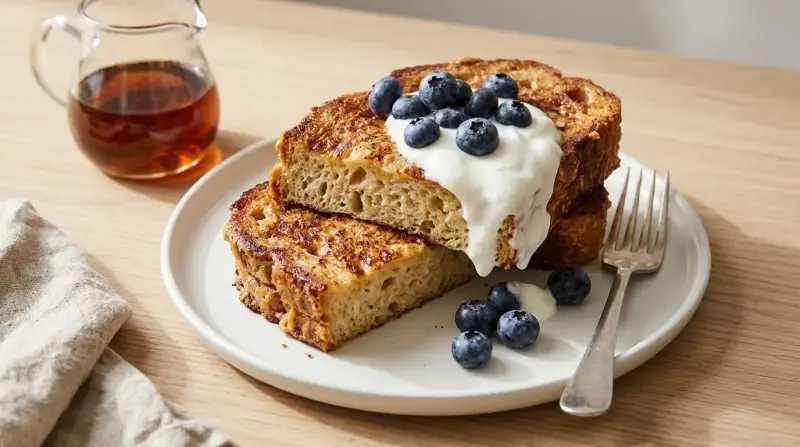
Protein French toast is a nutrient-dense variation of the classic breakfast dish made by soaking sliced bread in a custard of whole eggs, liquid egg whites, milk, and unflavoured or vanilla protein powder before pan-frying. This swaps refined sugar and heavy cream for concentrated protein, delivering 25 to 35 grams of protein per serving while keeping a golden crust and soft centre.
How Protein French Toast Differs from the Classic Dish
Traditional French toast relies on a rich custard of whole egg yolks, whole milk or heavy cream, and granulated sugar. While that combination produces a tender interior, it delivers mostly fats and simple carbohydrates, often leaving you hungry two hours after breakfast. Protein French toast alters the macro balance of the soaking liquid without sacrificing the familiar pan-toasted flavour of cinnamon and vanilla.
To raise the protein content efficiently, home cooks make three deliberate swaps in the batter and bread selection:
- Liquid egg whites replace some whole eggs: Using 1 whole egg paired with 60 millilitres (4 tablespoons) of liquid egg whites keeps the richness and emulsifying power of a single yolk while adding pure, fat-free albumen protein.
- Protein powder thickens the custard: Whisking 15 to 30 grams (half to 1 full scoop) of whey, casein, or plant-based protein powder into 120 millilitres (half a cup) of dairy or soy milk creates a velvety batter that clings to the bread instead of running off into the pan.
- Heartier breads hold their structure: Dense loaves such as sourdough, wholegrain, or sprouted grain bread absorb high-protein liquid without collapsing, unlike airy white sandwich bread.
If you want to see how these ratios come together in practice, try the Protein French Toast: Sourdough Breakfast with Vanilla Protein recipe, which uses thick sourdough slices to balance tangy flavour with a sweet vanilla custard. For context on how this stacks up against a standard morning plate, you can also check How Much Protein Are 2 Eggs and a Piece of Toast? to compare total grams per meal.
Does Adding Protein Powder Make French Toast Dry and Chalky?
Many home cooks assume that adding protein powder to French toast batter automatically creates a dry, rubbery, or chalky slice. That belief is partially true, because pure whey isolate loses moisture rapidly when exposed to high heat, tightening its protein bonds and squeezing out liquid. However, it is completely false that protein French toast must taste chalky, provided you adjust the liquid ratio and lower your stove temperature.
When protein powder is whisked directly into eggs without extra liquid, the batter becomes overly thick and coats only the outside of the bread. As soon as that concentrated protein layer hits a hot skillet, it cooks into a dry, powdery crust before the centre of the bread warms through. You can prevent this texture entirely by dissolving the powder fully in milk first, keeping at least one whole egg yolk in the mix for natural fats, and cooking over medium-low heat rather than high heat.
| Protein Type | Liquid Adjustment per 30 g Scoop | Texture Result | Best Pan Heat Setting |
|---|---|---|---|
| Whey concentrate | Add 60 ml milk | Soft, light, slightly crisp edges | Medium-low, around 160°C (320°F) |
| Whey isolate | Add 90 ml milk and 1 whole yolk | Firm and tender if not overcooked | Low to medium-low, 150°C (300°F) |
| Casein or whey-casein blend | Add 100 ml milk | Thick, creamy, custard-like interior | Medium-low, around 160°C (320°F) |
| Pea or soy plant blend | Add 100 to 120 ml milk | Hearty, dense, holds shape well | Medium-low, around 160°C (320°F) |
Choosing the Best Bread, Protein Powder, and Toppings
Selecting the right foundation determines whether your slices turn out custardy or soggy. Fresh, soft bakery bread acts like a sponge and falls apart when lifted from the bowl, whereas day-old bread that has dried slightly on the counter absorbs liquid evenly while keeping its crumb intact. Aim for slices cut 2 to 2.5 centimetres (about 1 inch) thick.
Sourdough is a standout choice because its sturdy crust frames the soft interior, and its mild acidity balances sweet vanilla protein powder. Wholegrain, brioche, and gluten-free loaves also work well, though gluten-free slices usually need 5 seconds less soaking time because their starches soften faster. If you enjoy high-protein baked goods on busy mornings, exploring Can You Toast Protein Bagels? The Best Methods and Times gives you another fast option when you do not want to get out a mixing bowl.
For toppings, skip heavy butter and standard corn-based syrups that add empty calories. Instead, layer foods that complement the vanilla and cinnamon notes while adding extra nutrients:
- Plain Greek yoghurt or skyr: A 60 gram (quarter-cup) dollop adds another 6 to 8 grams of protein and a cool, tangy contrast to the warm toast.
- Warm berry compote: Simmer 100 grams of fresh or frozen raspberries or blueberries with a splash of water for 3 minutes until they burst into a natural fruit sauce.
- Nut or seed butters: Drizzle 15 grams (1 tablespoon) of almond butter, peanut butter, or tahini over the top for healthy fats and staying power.
- Turkey bacon or beef sausages: If you prefer a sweet-and-savoury plate, serve your slices alongside crisp halal turkey bacon or seasoned beef breakfast patties.
Step-by-Step Method and Common Mistakes to Fix
Cooking protein French toast requires gentler heat and slightly more patience than standard toast. Follow these exact steps to get an even, golden-brown finish every time:
- Whisk the dry and wet ingredients separately first: In a wide, shallow dish, whisk 120 millilitres (half a cup) of milk with 20 to 30 grams of protein powder, 2.5 millilitres (half a teaspoon) of ground cinnamon, and a pinch of fine sea salt until completely smooth. Add 1 large egg, 60 millilitres (4 tablespoons) of liquid egg whites, and 5 millilitres (1 teaspoon) of alcohol-free vanilla extract, whisking until no lumps remain.
- Soak the bread briefly: Lay 2 thick slices of day-old sourdough in the shallow dish for 10 to 15 seconds on the first side, then flip and soak for 10 seconds on the second side. Lift the bread and let excess batter drip back into the bowl for 3 seconds.
- Preheat the pan gently: Place a non-stick skillet or well-seasoned cast-iron pan over medium-low heat, aiming for a surface temperature around 160°C (320°F). Lightly coat the surface with 5 grams (1 teaspoon) of unsalted butter or avocado oil.
- Cook slowly to a safe internal temperature: Lay the soaked slices in the pan without crowding them. Cook for 4 to 5 minutes on the first side until deep golden brown, then flip and cook for another 3 to 4 minutes. Because the batter contains raw eggs, the centre of the bread should reach an internal temperature of 74°C (165°F) so the custard sets safely without any wet, raw pockets.
If a batch goes wrong, check these common culprits and apply the quick fix:
- The outside burns while the inside stays wet: Your burner is too hot. Protein powder and dairy sugars brown much faster than plain egg batter. Lower the heat by one full notch and cover the pan with a lid for the final 60 seconds to trap gentle steam and cook the centre through.
- Lumps of protein powder stick to the bread: Protein powder clumps when dumped into cold egg whites. Always whisk the powder into room-temperature milk first using a fork or small balloon whisk before adding the eggs.
- The slices stick to the pan and tear: The skillet was either not preheated before adding the bread, or the batter pooled around the edges. Wait until a drop of water sizzles gently on the pan before adding butter, and let excess batter drip off the bread before laying it down.
A printable recipe card for Protein French Toast: Sourdough Breakfast with Vanilla Protein is just below the article, ready to download or print for your kitchen.
Frequently asked questions
Can I make protein French toast without protein powder?
Yes, you can skip protein powder entirely and still achieve a high-protein breakfast. Simply replace the powder with extra liquid egg whites—using 1 whole egg plus 120 millilitres (half a cup) of egg whites—and serve the finished slices with 100 grams of Greek yoghurt or cottage cheese on top. This approach keeps the flavour completely traditional while still delivering roughly 25 grams of protein per serving.
How do I store and reheat leftover protein French toast?
Let cooked slices cool completely on a wire rack for 20 minutes so trapped steam does not make them soggy, then store them in an airtight container in the refrigerator for up to 3 days. For longer storage, freeze individual slices separated by parchment paper in a sealed freezer bag for up to 2 months. Reheat chilled or frozen slices in a toaster or an oven set to 175°C (350°F) for 5 to 8 minutes until crisp on the outside and piping hot in the centre.
Which type of protein powder works best in French toast batter?
A whey-casein blend or standard whey concentrate produces the softest, most authentic custard texture because both hold moisture well during gentle pan-frying. Pure whey isolate works if you add an extra 30 millilitres (2 tablespoons) of milk to prevent dryness, while plant-based pea or soy powders absorb more liquid and create a thicker, heartier coating. Unflavoured or vanilla powders blend most naturally with cinnamon and maple syrup.
Can I prepare the protein French toast batter the night before?
You can whisk the eggs, liquid egg whites, milk, protein powder, cinnamon, and vanilla together in a sealed jar up to 24 hours in advance and keep it in the refrigerator. Give the jar a vigorous shake before pouring it into your shallow dish, as protein powder naturally settles at the bottom overnight. Wait until morning to soak the bread itself, because leaving sourdough submerged overnight will turn it into mush.
Printable recipe card: Protein French Toast: Sourdough Breakfast with Vanilla Protein
Save it, print it, or keep it on your phone while you cook.
Loading the recipe card…

About the author
Makeva
Makeva is a home‑cook who loves crafting approachable meals that balance flavor and nutrition. She specializes in quick weeknight dinners, hearty soups, and wholesome baked goods, sharing step‑by‑step guidance and practical tips. Readers can expect clear instructions, adaptable recipes, and a friendly tone that encourages confidence in the kitchen.