Are Protein Smoothies Good for Weight Loss? A Home Cook's Guide
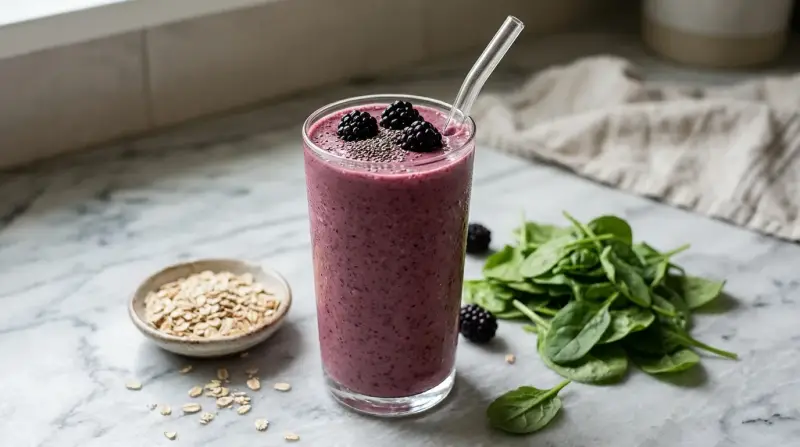
Yes, protein smoothies are good for weight loss when they replace higher-calorie meals or snacks while keeping you full. High protein intake slows digestion, reduces hunger hormones, and protects lean muscle mass during a calorie deficit, provided you avoid excess added sugars, oversized portions, and calorie-dense nut butters.
How protein smoothies support fat loss
Weight loss depends on maintaining a consistent calorie deficit, yet feeling constantly hungry makes sticking to that deficit difficult. Protein requires more energy to digest than carbohydrates or fats, giving your metabolism a modest boost after you drink it. More importantly, hitting 25 to 35 grams of protein per smoothie triggers satiety signals that keep you satisfied for three to four hours.
Blending your ingredients also allows you to pack micronutrients and dietary fibre into a fast, portable meal. However, liquid calories digest slightly faster than solid food. To counter this, you need to build thickness and texture into your blend rather than drinking thin, watery shakes. If you prefer chewing your morning meal for extra fullness, you can easily turn the same base ingredients into a spoonable dish like this Greek Yogurt Granola Bowl: High-Protein Breakfast.
Building a balanced weight-loss smoothie
A weight-loss smoothie works best when every ingredient serves a clear nutritional purpose. Aim for a total energy target between 300 and 450 calories if the smoothie replaces a full meal, or 150 to 220 calories if it serves as an afternoon snack.
| Component | Recommended Amount | Best Choices | Role in Weight Loss |
|---|---|---|---|
| Protein base | 25–35 g protein | Whey isolate, pea protein, 170 g (6 oz) plain Greek yogurt | Preserves muscle and curbs appetite |
| Liquid | 200–250 ml (7–8.5 fl oz) | Unsweetened almond milk, cold water, skimmed milk | Controls thickness without excess sugar |
| Fibre & greens | 80–120 g (3–4 oz) | Frozen berries, baby spinach, 1 tablespoon chia seeds | Slows digestion and adds volume |
| Healthy fats | 1 teaspoon to 1 tablespoon | Ground flaxseed, 10 g (0.35 oz) almond butter, quarter avocado | Aids vitamin absorption and adds richness |
Keep your liquid chilled at 4°C (39°F) or colder, and use frozen fruit instead of ice cubes. Ice waters down the flavour and makes the smoothie feel less satisfying, whereas frozen berries or sliced courgette create a thick, spoonable consistency without extra calories.
Common smoothie mistakes that stall progress
Many store-bought smoothies and poorly balanced homemade blends contain as much sugar and energy as a milkshake, silently erasing your daily calorie deficit.
- Pouring heavy-handed fats: Nut butters, seeds, and coconut milk are nutritious, yet just two heaped tablespoons of peanut butter add nearly 200 calories. Measure fats with a proper measuring spoon rather than pouring straight from the jar.
- Relying on fruit juice or sweetened yogurt: Fruit juice strips away natural fibre and spikes blood glucose. Swap juice for cold water or unsweetened plant milk, and choose plain strained yogurt instead of flavoured varieties.
- Skipping savoury pairings later in the day: Sweet smoothies every morning can trigger cravings for salty, crunchy snacks by mid-afternoon. Balance your day with savoury high-protein foods, such as pairing raw vegetables with The healthiest dip for weight loss: low‑calorie, high‑protein options, or serving toast made from hearty loaves featured in Why Protein Bread Is Good for You: Health Benefits Explained.
- Poor storage habits: Blended smoothies separate and lose nutrients when left at room temperature. Store pre-blended portions in an airtight glass jar in the fridge at 4°C (39°F) or below for up to 24 hours, and shake well before drinking.
The short version
- Protein smoothies aid weight loss when they provide 25–35 grams of protein within a 300–450 calorie meal budget.
- Use frozen berries, baby spinach, and chilled liquids at 4°C (39°F) to build thick volume without ice or fruit juice.
- Measure calorie-dense fats like nut butter and seeds with a spoon to prevent accidental calorie surplus.
- Choose plain Greek yogurt or unsweetened protein powder to avoid hidden sugars that trigger mid-morning hunger.
- Refrigerate leftover smoothies in sealed jars at 4°C (39°F) or lower and drink within 24 hours for best texture and safety.
A printable recipe card for Greek Yogurt Granola Bowl: High-Protein Breakfast is just below the article, ready to download or print.
Printable recipe card: Greek Yogurt Granola Bowl: High-Protein Breakfast
Save it, print it, or keep it on your phone while you cook.
Loading the recipe card…

About the author
Makeva
Makeva is a home‑cook who loves crafting approachable meals that balance flavor and nutrition. She specializes in quick weeknight dinners, hearty soups, and wholesome baked goods, sharing step‑by‑step guidance and practical tips. Readers can expect clear instructions, adaptable recipes, and a friendly tone that encourages confidence in the kitchen.