Protein‑Boosting Ingredients to Add to Your Smoothie
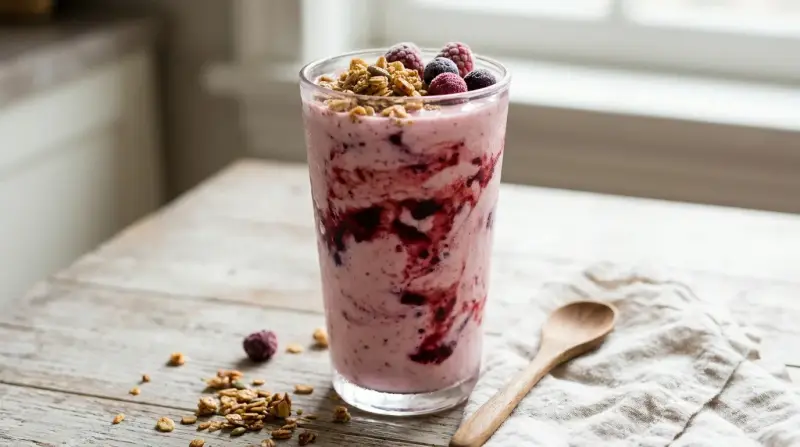
You can boost a smoothie’s protein by adding Greek yoghurt, cottage cheese, milk or plant‑based milks, nut butters, seeds, cooked oats, silken tofu, or a protein powder such as whey, pea or soy; even chia or hemp seeds give a modest increase.
Top protein‑rich ingredients for smoothies
Greek yoghurt is a staple because a 150 g serving provides roughly 10 g of protein and adds a velvety mouthfeel. Choose plain, full‑fat varieties to avoid added sugars. Cottage cheese works similarly; 100 g supplies about 11 g of protein and a subtle creamy texture that blends well when pre‑blended with liquid.
Milk contributes both protein and calcium. Whole cow’s milk delivers 3.4 g protein per 100 ml, while soy milk is the next best plant‑based option with about 3 g per 100 ml. Almond or oat milks are lower in protein and should be complemented with other sources.
Nut butters, such as peanut, almond or sunflower seed butter, add 4–5 g protein per tablespoon (16 g) and healthy fats that keep you satiated. Blend a spoonful with a splash of liquid to avoid clumping.
Seeds are tiny powerhouses. Chia seeds offer 2 g protein per 15 g and create a gel when soaked, thickening the drink. Hemp seeds deliver 3.3 g protein per 30 g and a nutty flavour. Both also supply omega‑3 fatty acids.
Cooked oats provide about 2.5 g protein per 30 g (1/4 cup) and lend a smooth, hearty texture. For a quicker option, use rolled oats soaked in the liquid base for a minute before blending.
Silken tofu blends flawlessly, giving up to 8 g protein per 100 g while remaining virtually flavourless, allowing fruit or spices to dominate.
Protein powders are convenient and precise. Whey isolate offers 20–25 g protein per scoop (30 g) and is quickly absorbed. Pea or rice powders suit vegetarian or dairy‑free diets, providing 15–20 g protein per scoop. Always check the label for added sugars or artificial flavours.
How to balance protein with texture and flavour
High‑protein ingredients can sometimes make a smoothie gritty or overly thick. Pair dense items with enough liquid – aim for 200–250 ml of milk, water or juice for a single‑serving smoothie. If you prefer a colder drink, use frozen fruit or add a few ice cubes after the first blend.
Sweetness can be adjusted naturally: ripe banana (½ medium, about 50 g) adds 0.6 g protein and natural sugars, while a handful of berries contributes antioxidants without overwhelming the protein taste.
Acidity from citrus juice (30 ml lemon or orange) brightens the flavour and can help mask any chalky aftertaste from protein powders. Add a dash of vanilla extract (5 ml) for a smoother profile.
For extra crunch, sprinkle toasted granola or toasted coconut flakes on top just before serving. This not only adds texture but also a small protein boost if the topping contains nuts.
Common myth: you need whey protein powder for a good protein smoothie
Many cooks believe whey is the only way to achieve a high‑protein smoothie, but the reality is more nuanced. Whey is quickly absorbed, which is useful post‑workout, yet it is dairy‑based and unsuitable for vegans or those with lactose intolerance. Plant‑based powders such as pea, soy or hemp provide comparable protein amounts and are easier on the digestive system for some people.
Natural whole foods can also reach similar protein levels without supplements. For example, blending 150 g Greek yoghurt (10 g protein), 1 tbsp almond butter (2 g protein) and 30 g rolled oats (2.5 g protein) already delivers over 14 g protein, enough for most breakfast needs. Using whole ingredients adds fibre, micronutrients and variety that powders alone cannot match.
Choosing whey solely for convenience may overlook these benefits. The best approach is to consider dietary restrictions, taste preferences and the timing of the smoothie. If you do use whey, balance it with fruit and liquid to avoid a thin, dairy‑only taste.
Practical tips for blending and storage
Start with liquids at the bottom of the blender, followed by soft items (yoghurt, milk), then powders, and finally frozen fruit or ice. This order creates a vortex that pulls dry ingredients down for even mixing.
Blend on low for 10 seconds to break up large pieces, then increase to high for 30–45 seconds until the mixture is smooth and no grainy bits remain. If the smoothie is too thick, add a splash of water or milk; if too thin, add extra frozen fruit or a spoonful of oats.
For make‑ahead smoothies, store in a sealed glass jar in the fridge for up to 24 hours. Give the jar a gentle shake before drinking. If you plan to keep it longer, freeze in individual portions; they stay good for three months. Thaw overnight in the fridge and blend briefly before serving.
Remember food safety: keep dairy‑based smoothies refrigerated at or below 4 °C (40 °F) and discard any that develop an off‑smell after 48 hours.
For a ready‑made high‑protein example, try the Greek Yogurt Granola Smoothie: Protein‑Rich Breakfast Drink. It combines Greek yoghurt, milk, and toasted granola for a balanced protein boost.
If you’re curious about timing, read Can You Make a Protein Smoothie the Night Before? Practical Tips for storage advice that preserves texture and flavour.
For those who love oats, the guide Can You Eat Protein Oats Raw? Safety, Prep, and Benefits explains how to incorporate them safely into smoothies.
A printable recipe card for "Greek Yogurt Granola Smoothie: Protein‑Rich Breakfast Drink" is just below the article, ready to download or print.
Frequently asked questions
Can I use dairy‑free milk and still get enough protein?
Yes. Soy milk provides about 3 g protein per 100 ml, which is comparable to cow's milk. Pea‑based milks can contain even more, around 4–5 g per 100 ml, making them an excellent dairy‑free option.
Is it safe to add raw eggs for protein?
Raw eggs carry a risk of salmonella and are not recommended for smoothies unless the eggs are pasteurised. Safer alternatives include Greek yoghurt, silken tofu or protein powder.
How much protein should a single‑serving smoothie contain?
For most adults, 15–20 g of protein per meal is a good target. A smoothie that combines yoghurt, milk, and a tablespoon of nut butter usually reaches this range.
Can I freeze a smoothie with protein powder?
Yes. Freezing does not degrade the protein quality. Thaw the frozen smoothie in the fridge and give it a quick blend before drinking to restore the original texture.
Printable recipe card: Greek Yogurt Granola Smoothie: Protein-Rich Breakfast Drink
Save it, print it, or keep it on your phone while you cook.
Loading the recipe card…

About the author
Makeva
Makeva is a home‑cook who loves crafting approachable meals that balance flavor and nutrition. She specializes in quick weeknight dinners, hearty soups, and wholesome baked goods, sharing step‑by‑step guidance and practical tips. Readers can expect clear instructions, adaptable recipes, and a friendly tone that encourages confidence in the kitchen.