Can You Eat Protein Oats Raw? Safety, Prep, and Benefits
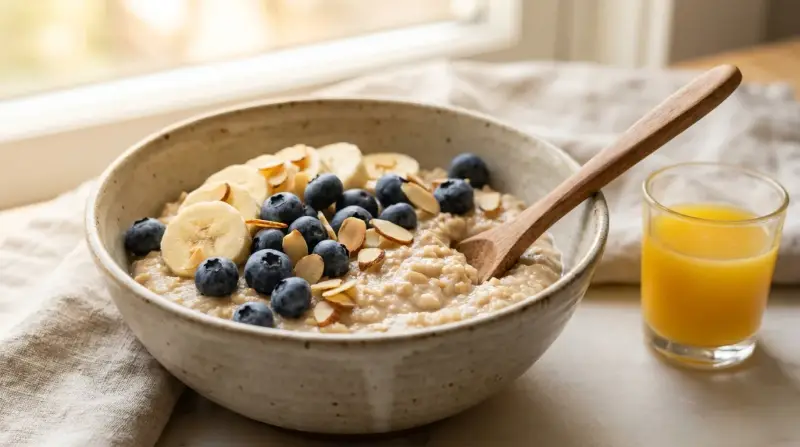
Yes, you can eat protein oats raw as long as the oats have been steamed during processing and you soak them in a liquid long enough to soften the grain and improve digestibility. Proper soaking also reduces phytic acid, making nutrients more absorbable and minimizing stomach discomfort.
What Are Protein Oats?
Protein oats are simply rolled oats that have been blended with a high‑quality protein source, such as whey, pea, or soy protein isolate. The base oat is typically a quick‑cook or old‑fashioned rolled oat that has already undergone a brief heat‑steam treatment during milling. This treatment gelatinizes the starches, which means the oat kernels are technically “cooked” enough to be safe to eat without further heat. The added protein powder does not require cooking; it dissolves readily in liquid. When you combine the two, you end up with a grain‑protein mixture that can be eaten cold, warm, or incorporated into shakes.
Nutritional Benefits of Raw Protein Oats
Because the oats retain most of their natural fiber and the protein powder adds a concentrated boost, raw protein oats deliver a balanced profile of carbs, protein, and healthy fats. One cup (≈85 g) of dry protein oat blend typically supplies:
- Calories: 350‑380 kcal
- Carbohydrates: 45‑50 g, primarily complex starches
- Protein: 25‑30 g, depending on the powder used
- Fiber: 8‑10 g of soluble β‑glucan, which helps regulate blood sugar
- Micronutrients: magnesium, selenium, phosphorus, and zinc
For anyone aiming to hit a daily protein target, the How to Get 30 g of Protein in a Bowl of Oatmeal article shows how a single serving can meet that goal without adding meat or dairy. The soluble fiber also supports gut health by feeding beneficial bacteria, while the protein aids muscle repair after exercise.
Safety Considerations and Digestibility
Even though oats are pre‑steamed, eating them straight from the bag can feel gritty and may cause mild indigestion for some people. The primary concerns are:
- Phytic acid: Oats contain natural phytic acid that binds minerals. Soaking the oats for at least 30 minutes in an acidic medium (like a splash of lemon juice or a tablespoon of yogurt) helps break down the phytic acid.
- Microbial growth: Raw grain can harbor spores if stored improperly. Keep dry oats in an airtight container at or below 68 °F (20 °C). Once you’ve mixed them with liquid, treat the batch like any perishable food and refrigerate it at 40 °F (4 °C) or colder.
- Digestive comfort: The fiber in oats expands when wet. If you consume an unsoaked cup, the grain can absorb water in your stomach, potentially leading to a bloated feeling.
Following the soaking steps below mitigates these issues, making raw protein oats both safe and pleasant to eat.
How to Prepare Raw Protein Oats
Preparing raw protein oats is essentially a “no‑cook” version of oatmeal. The method below yields a creamy, spoon‑ready bowl in about ten minutes.
- Measure ½ cup (≈45 g) of dry protein oat blend into a bowl.
- Add ½ cup (120 ml) of cold milk, almond milk, or a plant‑based yogurt for extra creaminess.
- Stir in 1 tablespoon of chia seeds or ground flaxseed; these help thicken the mixture as they absorb liquid.
- Cover the bowl and let it sit at room temperature for 5 minutes, then stir again to break up any clumps.
- Transfer the bowl to the refrigerator for a minimum of 30 minutes, or overnight for a softer texture. If you’re short on time, a quick 5‑minute microwave burst (200 °F/93 °C for 30 seconds) will finish the softening without fully cooking.
- Before serving, give the oats a final stir, add a pinch of cinnamon or vanilla extract for flavor, and top with fruit, nuts, or a drizzle of honey.
If you prefer a warm version, the same soaking ratio works; simply heat the mixture on the stove over low heat for 2‑3 minutes, stirring constantly. For an easy reference, check out our Protein Oatmeal Pancakes: American Whole-Grain Breakfast recipe, which uses the same blend as a base for fluffy pancakes.
Flavor Boosters and Mix‑Ins
Raw protein oats have a neutral base, so you can customize them to match any taste profile. Consider these options:
- Sweeteners: A teaspoon of maple syrup, agave nectar, or a few drops of stevia provide gentle sweetness without spiking blood sugar.
- Spices: Cinnamon, nutmeg, or pumpkin spice add aroma and a sense of warmth.
- Fruit: Fresh berries, diced apple, or banana slices contribute natural sugars and extra fiber.
- Nuts & Seeds: Chopped almonds, walnuts, or pumpkin seeds give crunch and healthy fats.
- Protein Enhancers: A scoop of additional whey or plant‑based protein powder can push the protein content past 30 g per serving.
If you make a larger batch, you can portion it into individual containers and freeze for up to three months. For detailed freezing instructions, read Can You Freeze Protein Oatmeal Balls? Yes, and Here’s How. Thaw in the fridge overnight, give a quick stir, and enjoy.
Troubleshooting Common Issues
Oats Feel Too Hard
If the soaked oats remain gritty after refrigeration, they likely didn’t receive enough liquid or sufficient soaking time. Increase the liquid ratio to 1:1.5 (e.g., ½ cup oats to ¾ cup milk) and soak for at least 45 minutes. Adding a tablespoon of yogurt can also increase moisture and help break down the grain.
Stomach Discomfort or Bloating
Rapid consumption of high‑fiber oats can cause bloating, especially for those unaccustomed to soluble fiber. Start with a smaller portion (¼ cup dry oats) and gradually increase the serving size over several days. Also, ensure you’ve included a source of acidity, such as a splash of lemon juice or a spoonful of kefir, which aids digestion.
Flavor Is Bland
Because raw oats lack the caramelized notes of cooked oatmeal, they can taste flat. Boost flavor by toasting the dry oat blend briefly (2‑3 minutes) in a dry skillet before mixing, or by incorporating a pinch of sea salt and a dash of vanilla extract. A small amount of nut butter (1 teaspoon) adds richness without extra sugar.
Below the article you’ll find a printable recipe card for Protein Oatmeal Pancakes: American Whole-Grain Breakfast, ready to download or print.
Frequently asked questions
Can I eat protein oats raw if they’re instant?
Instant oats have been pre‑cooked and dried, so they are safe to eat raw after soaking. The same soaking guidelines apply: ½ cup oats with at least an equal volume of liquid for 30 minutes.
Do I need to refrigerate raw protein oats?
Yes. Once the oats are mixed with liquid, treat the mixture like any other perishable food and keep it at 40 °F (4 °C) or colder. This prevents bacterial growth and keeps the texture pleasant.
How long can raw protein oats be stored?
In the refrigerator, a soaked batch stays fresh for up to three days. If you freeze the portion, it remains safe for three months, but texture may become slightly denser; a quick thaw and stir restore consistency.
Will raw protein oats cause weight gain?
Weight change depends on overall calories. A standard serving provides around 350‑380 calories; if it fits within your daily allowance, it will not cause weight gain. Pair it with low‑calorie toppings to keep the meal balanced.
Can I use gluten‑free oats for raw protein oats?
Absolutely. Gluten‑free rolled oats undergo the same steam‑treatment, so they can be soaked and eaten raw. Just verify the package states “processed in a gluten‑free facility” if you have a strict sensitivity.
Printable recipe card: Protein Oatmeal Pancakes: American Whole-Grain Breakfast
Save it, print it, or keep it on your phone while you cook.
Loading the recipe card…

About the author
Makeva
Makeva is a home‑cook who loves crafting approachable meals that balance flavor and nutrition. She specializes in quick weeknight dinners, hearty soups, and wholesome baked goods, sharing step‑by‑step guidance and practical tips. Readers can expect clear instructions, adaptable recipes, and a friendly tone that encourages confidence in the kitchen.