Why Oatmeal Contains Protein and How It Benefits You
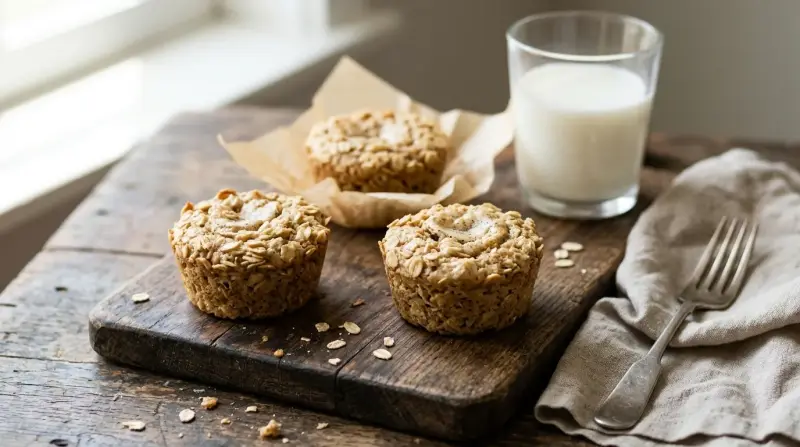
Oatmeal contains protein because oats are whole grains whose seeds store amino‑acid‑rich endosperm and germ, providing the plant’s building blocks for growth; these protein fractions remain after milling, so each gram of dry oats supplies a modest amount of plant‑based protein.
Protein composition of oats
Oat kernels consist of three main parts: the bran, the endosperm and the germ. The endosperm holds starch, but it also contains about 10‑12 % protein by weight, primarily in the form of globulins and avenalin, a plant‑specific storage protein. The germ, the embryonic core, adds another 20‑25 % protein relative to its small mass, making it a concentrated source of essential amino acids such as lysine and methionine, which are limited in many cereals.
Key protein fractions
- Avenalin – the predominant oat storage protein, rich in glutamine and proline.
- Globulins – water‑soluble proteins that contribute to the overall nitrogen content.
- Albumins – minor fractions that dissolve in salt solutions.
These proteins survive the steaming and rolling processes used to make rolled oats, so the protein content of the final oatmeal is comparable to that of the raw grain.
Typical protein content per serving
A standard 40 g (½ cup) serving of dry rolled oats yields roughly 150 ml of cooked oatmeal and provides about 5 g of protein. This equates to 12 % of the recommended daily intake for an average adult, far lower than meat or dairy sources but still a valuable contribution when combined with other foods.
For comparison, the table below shows protein amounts in common breakfast grains:
| Food | Dry weight (g) | Protein (g) |
|---|---|---|
| Rolled oats | 40 | 5 |
| Quinoa | 40 | 6 |
| Brown rice | 40 | 3 |
| Whole‑wheat cereal | 40 | 4 |
Because oats are primarily carbohydrate, they should be paired with higher‑protein foods to reach the 20‑30 g protein target many people aim for at breakfast.
Why oats naturally contain protein
Plants synthesise protein to support cell structure, enzymes and defence mechanisms. In the oat seed, protein is stored in the endosperm and germ to supply the emerging seedling with nitrogen until it can photosynthesise. This evolutionary role means that every edible oat grain carries a measurable protein fraction, even after processing.
The presence of protein also aids in the texture of cooked oatmeal. Proteins denature and form a light gel matrix that traps water, giving the porridge a creamy consistency rather than a watery one.
How to maximise protein in oatmeal
Boosting the protein content does not require fancy equipment; simple additions can double or triple the protein per bowl.
- Add a scoop (≈30 g) of whey or plant‑based protein powder. For a recipe that already incorporates protein, see Protein Oatmeal No Banana: Baked Oatmeal Cups for a ready‑made example.
- Stir in 150 ml of Greek yoghurt or kefir after cooking; this contributes an extra 8‑10 g of protein.
- Mix in a tablespoon of nut butter or a handful of chopped nuts; each tablespoon adds about 4 g of protein and healthy fats.
- Top with seeds such as hemp, pumpkin or chia; three tablespoons deliver roughly 6 g of protein and omega‑3 fatty acids.
- Combine oats with cottage cheese or low‑fat quark for a creamy, high‑protein base.
For a deeper dive into the exact protein numbers you can expect from oats and tips for boosting them, read How Much Protein Does Oatmeal Contain? Exact Numbers and Boosting Tips.
Common mistakes when boosting protein
Many home cooks unintentionally reduce the nutritional quality of their oatmeal when adding protein sources.
- Over‑heating protein powder – exposing whey to boiling temperatures can denature it, causing a grainy texture. Add powder after removing the pot from the heat and stir gently.
- Neglecting fibre balance – adding large amounts of nut butter without extra water can make the bowl too thick and impede digestion. Counterbalance with a splash of milk, almond milk or low‑fat yoghurt.
- Ignoring food safety – if you prepare a large batch and store it, keep it refrigerated below 4 °C (40 °F) and consume within three days. Reheat to at least 75 °C (167 °F) before serving.
When you follow these guidelines, you can create a protein‑rich oatmeal that remains pleasant to eat and supports morning muscle maintenance.
A printable recipe card for "Protein Oatmeal No Banana: Baked Oatmeal Cups" is just below the article, ready to download or print.
Keep reading
Frequently asked questions
Can I replace milk with a plant‑based alternative without losing protein?
Yes. Soy milk provides about 3 g of protein per 100 ml, comparable to dairy. Almond or oat milk contain less, so you may need to add an extra protein source such as nut butter or a protein‑powder scoop.
Is oat protein complete?
Oat protein is not a complete protein because it is low in lysine. Combining oats with lysine‑rich foods like dairy, legumes or meat creates a balanced amino‑acid profile.
How long can I store cooked oatmeal with added protein?
Store the cooked mixture in an airtight container at 4 °C (40 °F) for up to three days. Reheat to at least 75 °C (167 °F) before eating to ensure safety.
Will adding egg whites increase the protein without altering flavour?
Stirring in whisked egg whites while cooking creates a fluffy texture and adds about 10 g of protein per 100 ml, with minimal impact on taste. Ensure the mixture reaches 75 °C (167 °F) to fully coagulate the whites.
Printable recipe card: Protein Oatmeal No Banana: Baked Oatmeal Cups
Save it, print it, or keep it on your phone while you cook.
Loading the recipe card…

About the author
Makeva
Makeva is a home‑cook who loves crafting approachable meals that balance flavor and nutrition. She specializes in quick weeknight dinners, hearty soups, and wholesome baked goods, sharing step‑by‑step guidance and practical tips. Readers can expect clear instructions, adaptable recipes, and a friendly tone that encourages confidence in the kitchen.