Protein Oatmeal No Banana: Baked Oatmeal Cups
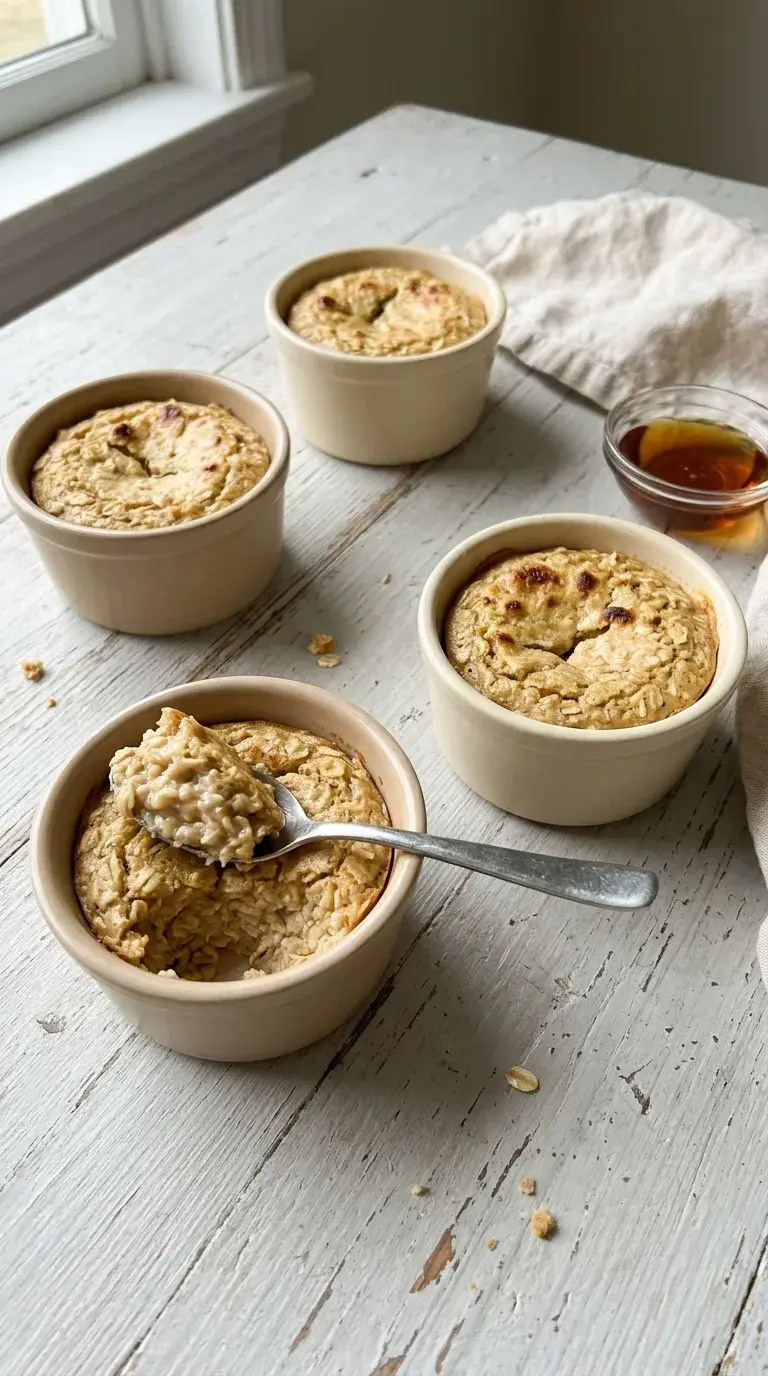
These baked oatmeal cups are an American breakfast staple focused on high protein content. You get a dense and creamy texture from the blend of cottage cheese and almond butter, while the rolled oats provide a hearty base. This protein oatmeal no banana version relies on vanilla whey protein powder for sweetness and structure, resulting in a fluffy rise and a golden crust.
Whisk the batter vigorously to break up any soft spots in the oat-protein mixture. You must do this to ensure a uniform rise across all four ramekins. Fold in the egg last to bind the mixture together without overworking it. Allow the cups to cool for 5 minutes after removing them from the 180°C (350°F) oven. This short rest sets the interior and prevents the centre from collapsing before you serve them.
Protein Oatmeal No Banana: Baked Oatmeal Cups
Recipe cardIngredients
Instructions
-
Prepare the oven
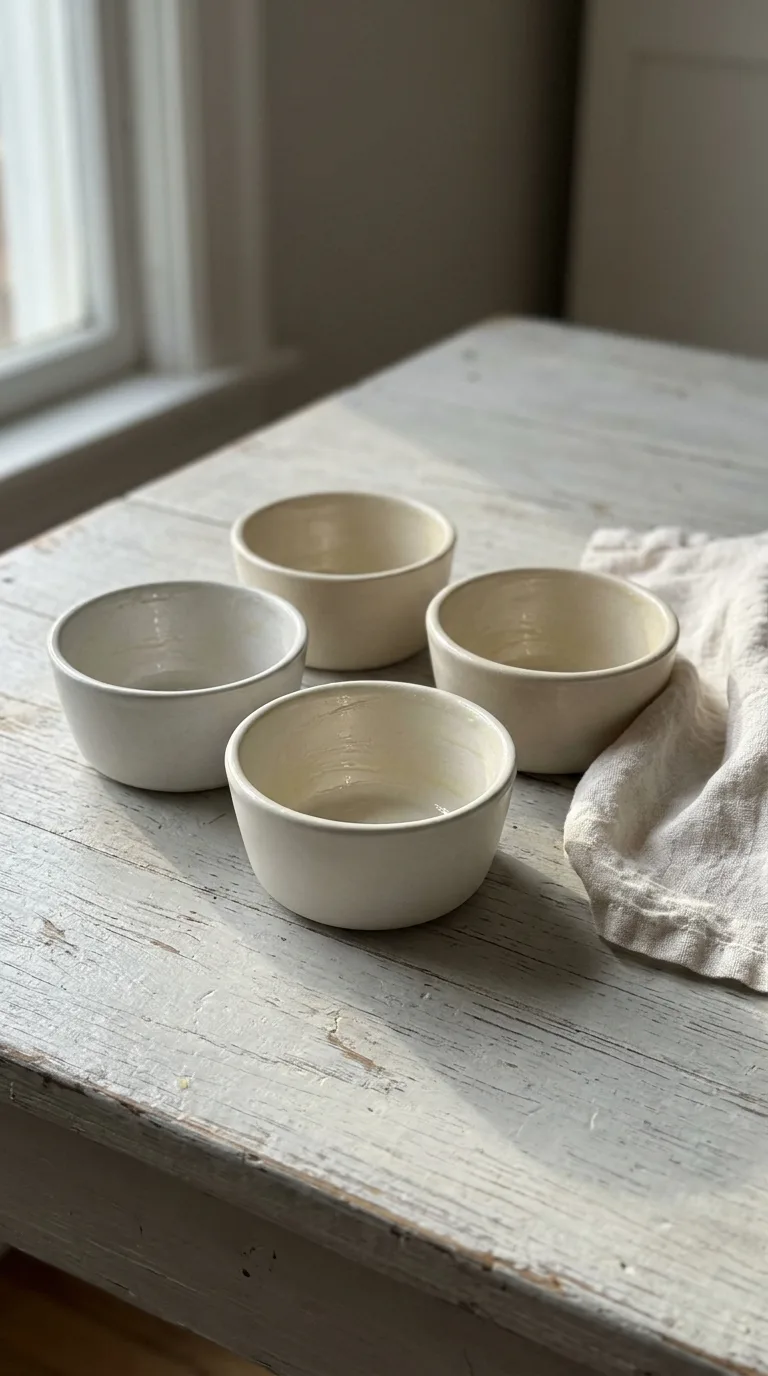
Preheat your oven to 180°C (350°F). Grease 4 ramekins with oil or butter or line them with parchment paper. This prevents the oats from sticking to the sides during baking.
-
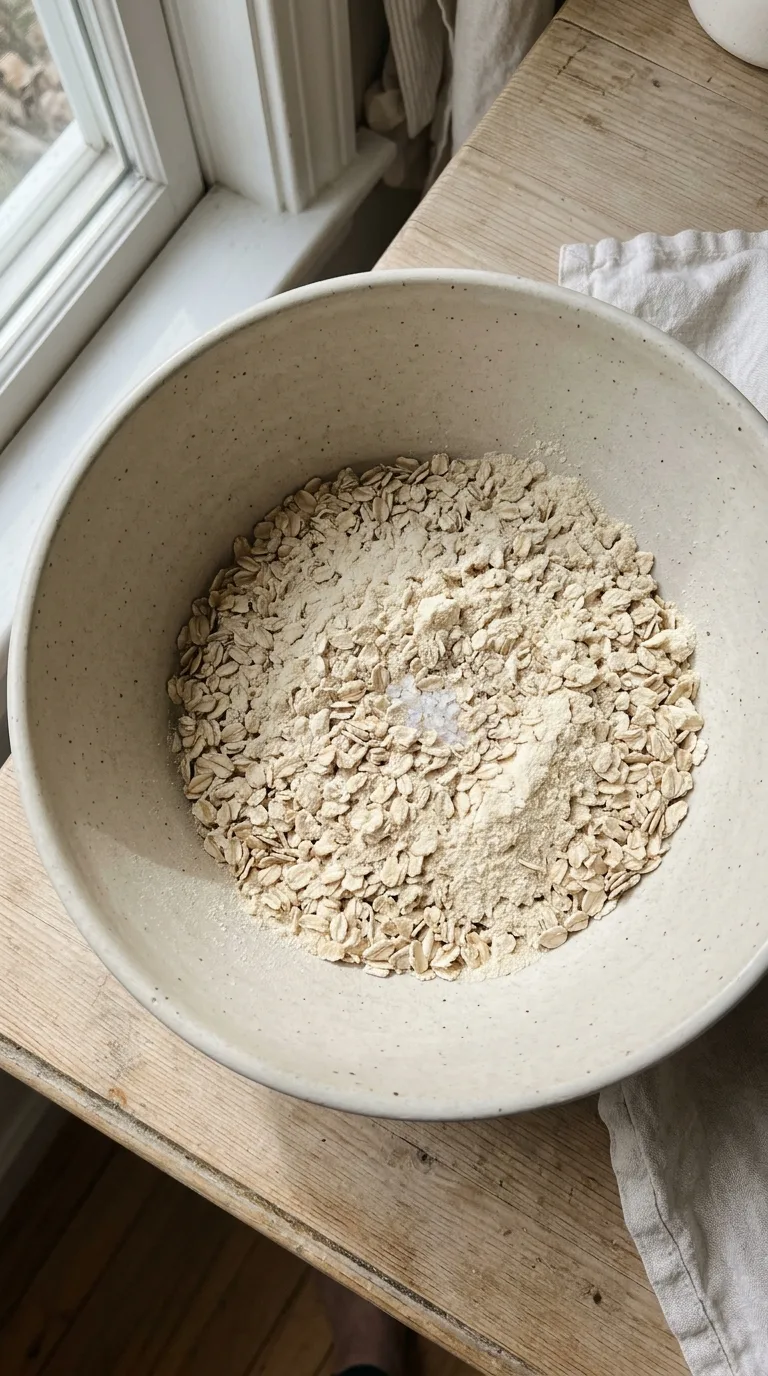
Combine dry ingredients
Mix the rolled oats, vanilla protein powder, and a pinch of salt in a medium bowl. Stir until the ingredients are evenly distributed. Adding salt now ensures it is integrated throughout the batter.
-
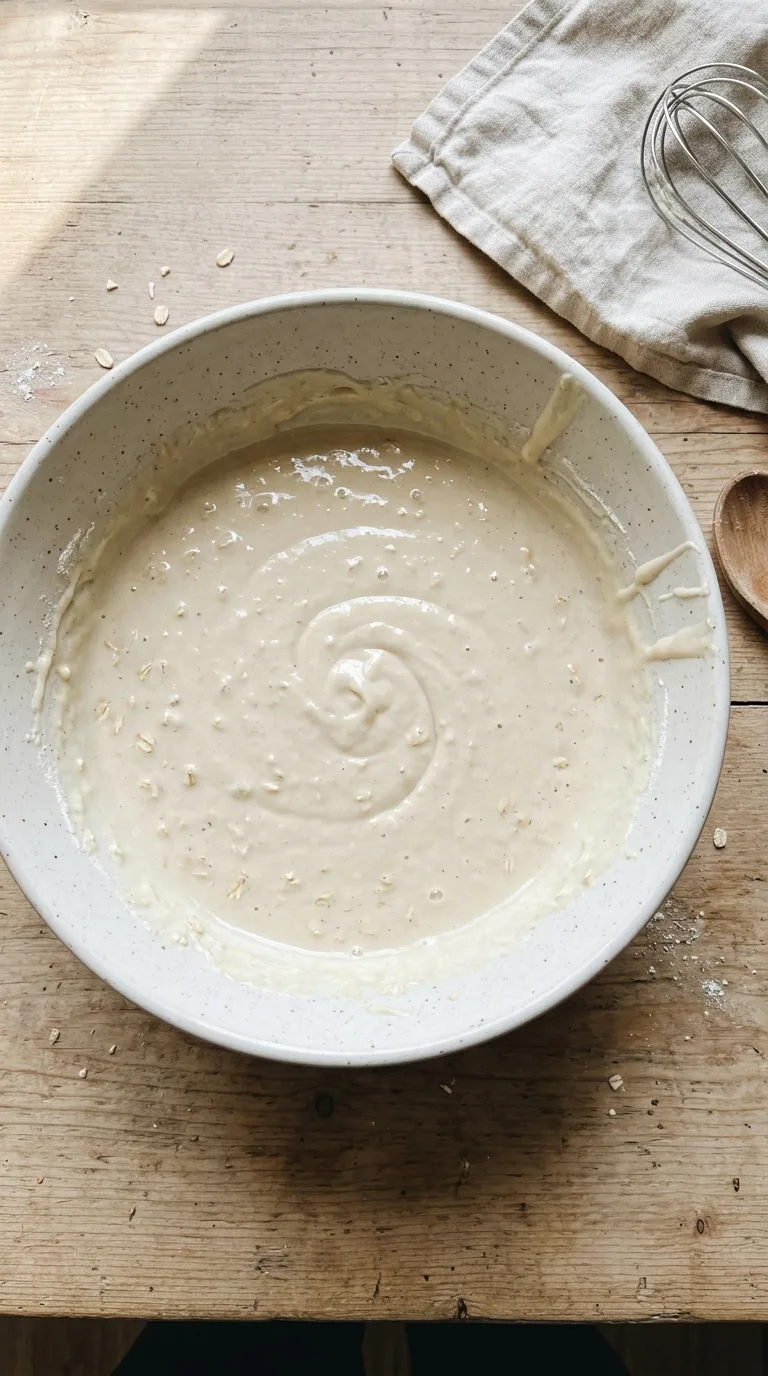
Whisk the batter
Add the cottage cheese, almond butter, vanilla extract, maple syrup, and milk to the bowl. Stir vigorously with a whisk. Continue until the batter is smooth and glossy to avoid lumps in the final texture.
-
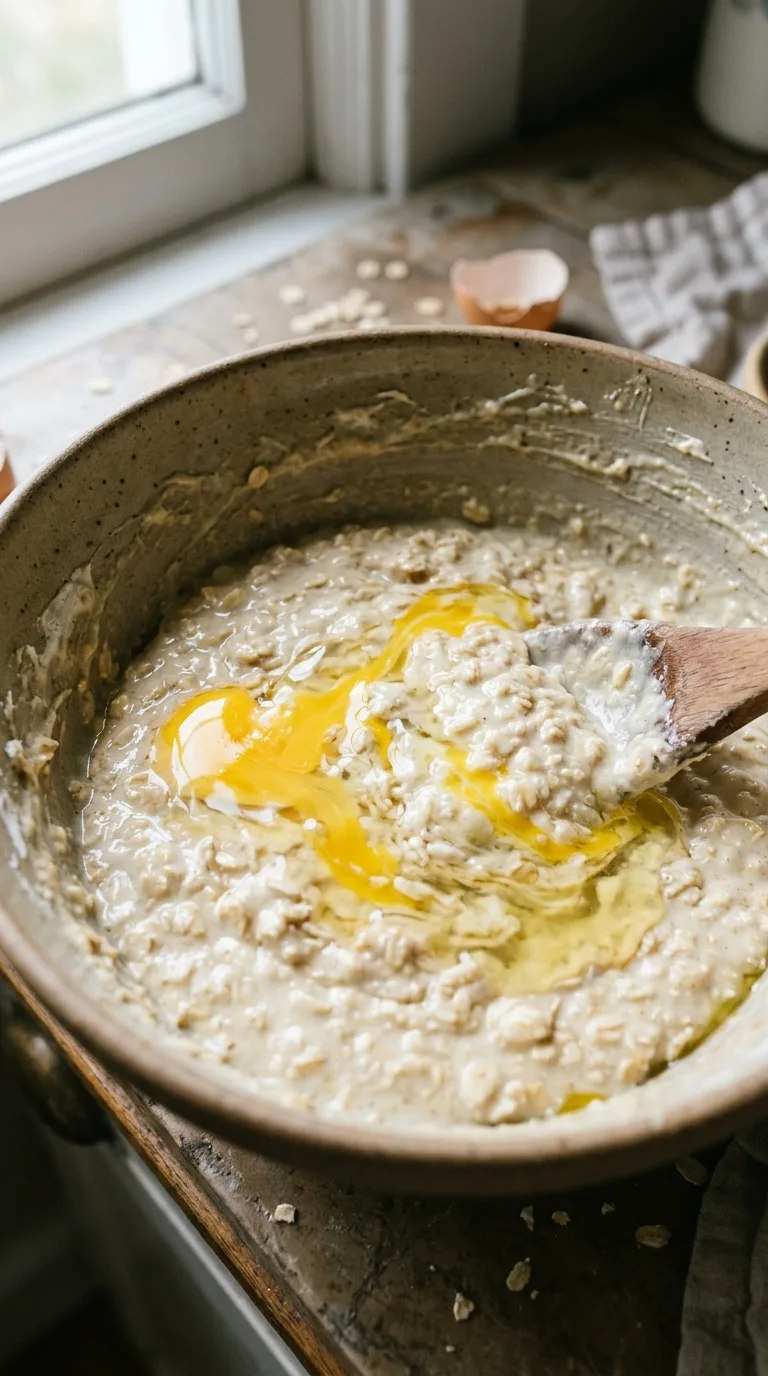
Bind the mixture
Gently fold in the whole egg. Ensure it is fully incorporated. The egg acts as a binder to hold the oatmeal cups together as they rise.
-
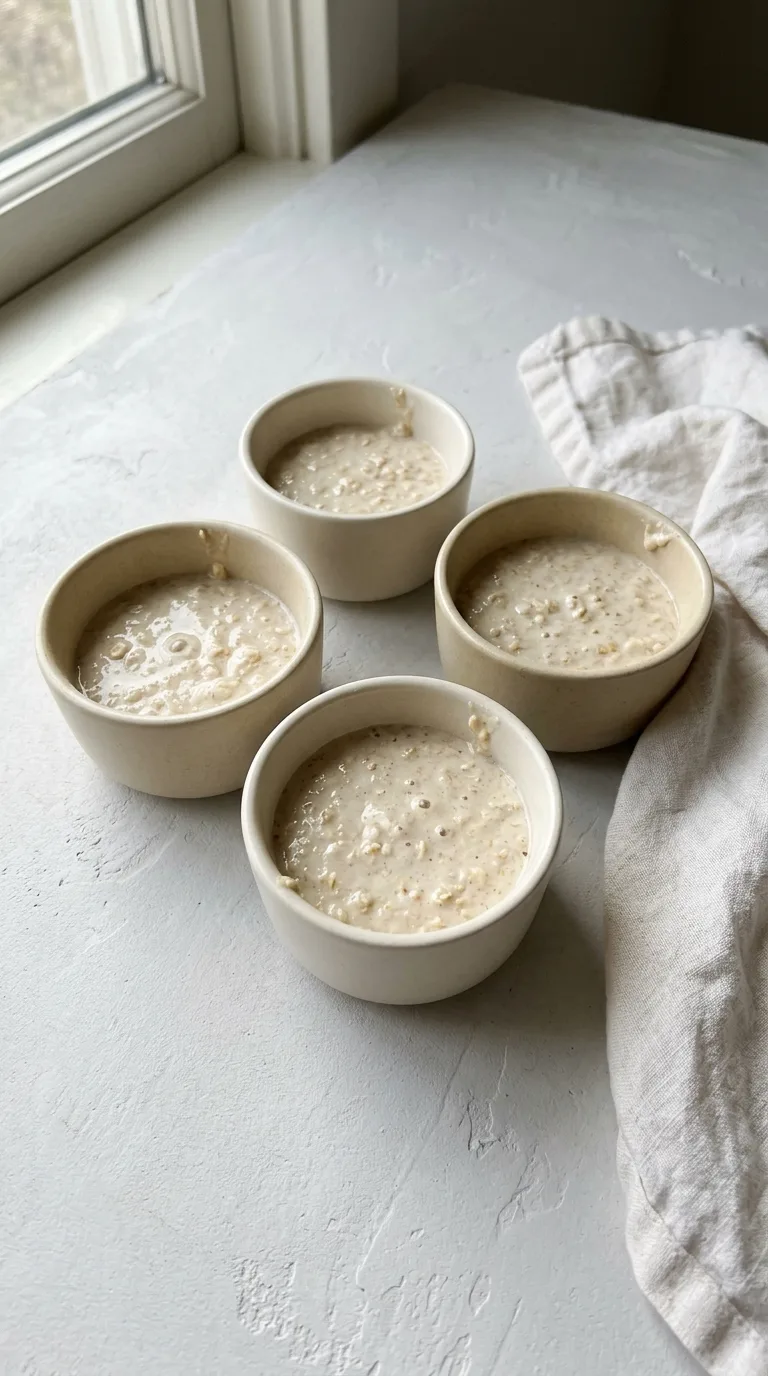
Fill the ramekins
Split the batter evenly between the 4 ramekins. Fill each about three-quarters full. This space allows the oats to spread and rise without overflowing the containers.
-
Bake the cups
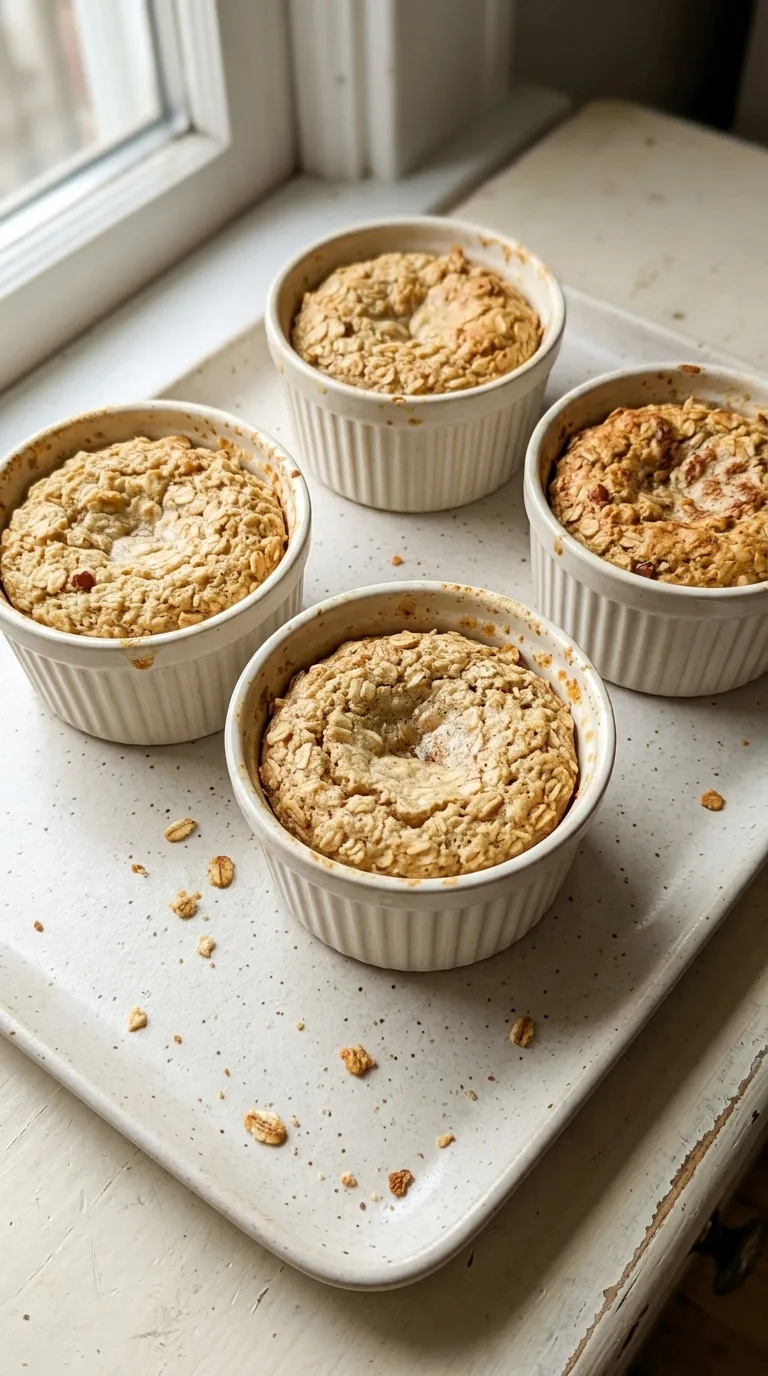
Place the ramekins on a baking sheet or oven rack. Bake for 18 minutes. A light golden crust should form, and a toothpick inserted into the centre must come out clean.
-
Set the interior
Remove the ramekins from the oven. Let the cups cool for 5 minutes. This brief rest sets the interior structure so the cups do not collapse when served.
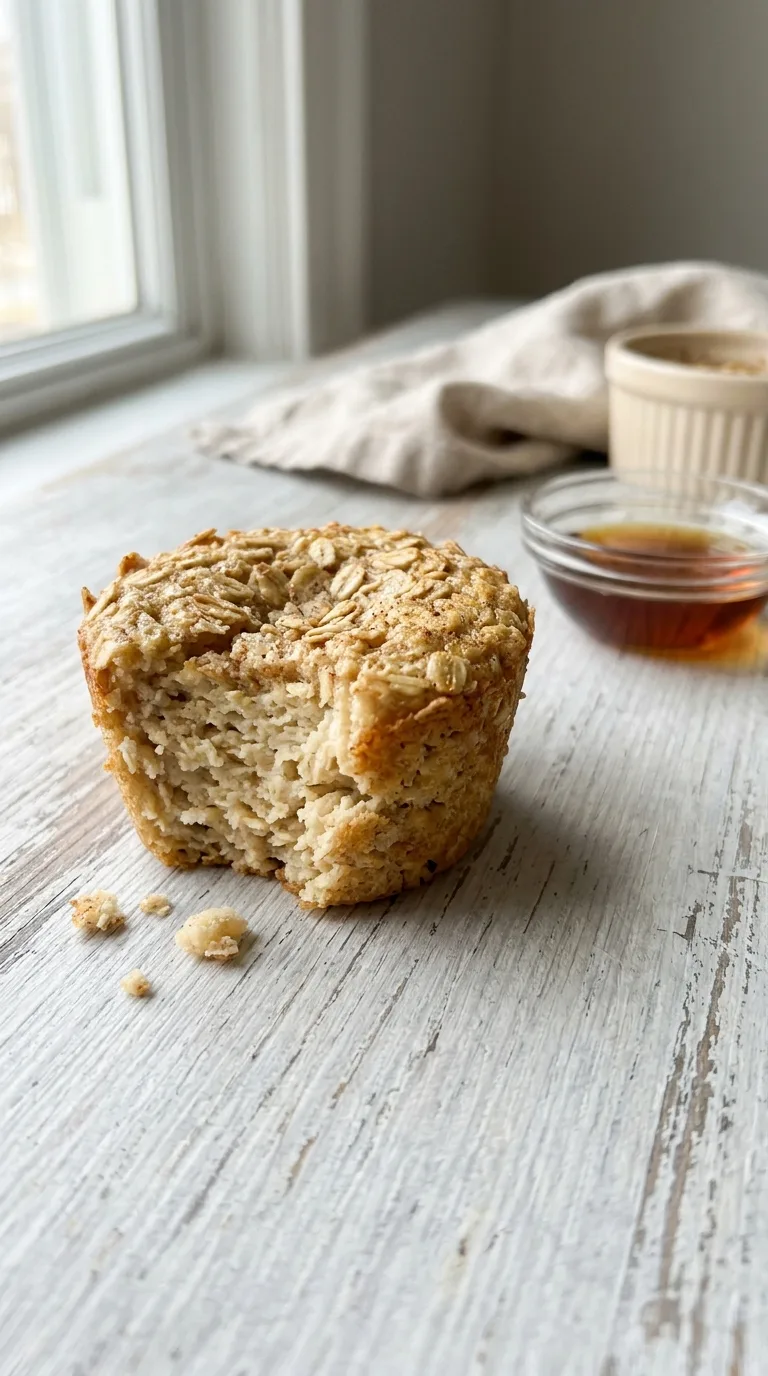
Whisk the batter vigorously to break up soft spots in the oat-protein mixture. If you see clumps of protein powder or cottage cheese, the cups will rise unevenly. A smooth, glossy batter ensures a uniform lift and consistent texture in every bite.
Storing and reheating
Keep leftover cups at room temperature for no more than 2 hours. Store them in an airtight container in the freezer for up to 3 months. Reheat in a microwave for 1 to 2 minutes until warm to restore the soft interior and fluffy texture.
What to serve with it
Top the warm cups with fresh berries, sliced almonds, or a sprinkle of cinnamon. You may add a scoop of plain Greek yoghurt or a dollop of whipped coconut cream for a richer finish. Drizzle with honey or additional maple syrup to increase the sweetness.
Nutrition per serving
- Calories
- 315
- Protein
- 30.0 g
- Carbs
- 26.0 g
- Fat
- 12.0 g
- Fiber
- 4.5 g
- Sugar
- 14.0 g
Estimated, and offered as a guide rather than a medical figure.
Made it? Rate it.
Questions people ask
Can I make baked protein oats without a banana?
Yes. Use low-fat cottage cheese and egg to provide the necessary moisture and binding. This creates a dense yet fluffy texture without the specific flavour or sugar content of a banana.
What can I put in my oatmeal to get more protein?
Add whey protein powder and cottage cheese to the base. These ingredients significantly increase the protein count per serving while maintaining a creamy consistency during the baking process.
How to get 30g of protein in oatmeal?
Combine 30 g of vanilla whey protein powder with 125 g of cottage cheese and an egg. This specific combination ensures each baked cup reaches approximately 30 g of protein.

About the author
Makeva
Makeva is a home‑cook who loves crafting approachable meals that balance flavor and nutrition. She specializes in quick weeknight dinners, hearty soups, and wholesome baked goods, sharing step‑by‑step guidance and practical tips. Readers can expect clear instructions, adaptable recipes, and a friendly tone that encourages confidence in the kitchen.