How to Make Protein Smoothies at Home: Easy Step‑by‑Step Guide
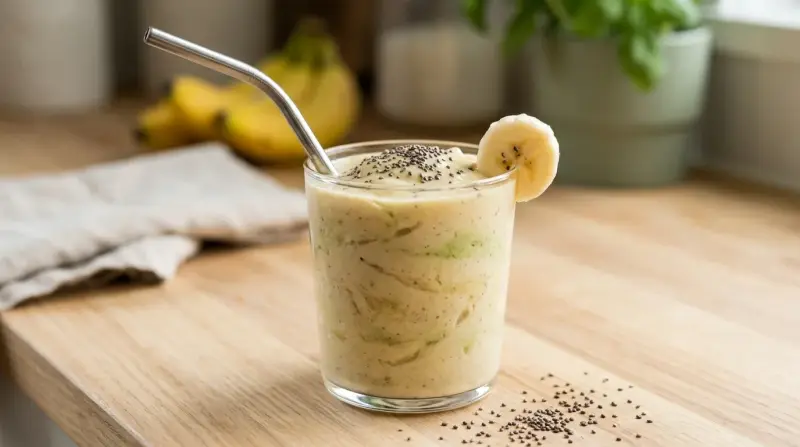
To make protein smoothies at home, combine a liquid base, a protein source, fruit or vegetable, and optional boosters in a high‑powered blender, blend until smooth, and serve immediately for a nutritious, filling drink.
Essential Ingredients for a Protein Smoothie
Choosing the right components determines both nutritional value and texture. All quantities are given in metric first, with the familiar imperial measure in brackets.
- Liquid base: 250 ml (1 cup) of milk, almond milk, soy milk or fruit juice. The liquid helps the blender process the solids and determines the drink's thickness.
- Protein source: 30 g (1 oz) of whey or plant‑based protein powder, or 150 g (5 oz) of Greek yoghurt. Protein supplies the essential amino acids for muscle repair.
- Fruit or veg: 150 g (5 oz) of frozen banana, berries, mango or a handful of spinach. Frozen fruit adds natural sweetness and a cold texture without ice.
- Optional boosters: 15 g (½ oz) of nut butter, 10 g (⅓ oz) of chia seeds, a drizzle of honey or maple syrup, or a pinch of cinnamon for flavour.
For a balanced smoothie, aim for at least 15–20 g of protein per serving. If you need extra calories, increase the liquid or add a tablespoon of nut butter. The Protein‑Boosting Ingredients to Add to Your Smoothie article lists further options.
Step‑by‑Step Blending Process
Following a consistent order reduces the risk of a stuck blade and achieves a silky texture.
- Place the liquid base in the blender jar first. This creates a vortex that pulls the other ingredients down.
- Add the protein source. If using powder, sprinkle it over the liquid to avoid clumping.
- Drop in the frozen fruit or veg. The cold pieces help keep the drink refreshing.
- Top with any optional boosters, such as nut butter or seeds.
- Secure the lid and start the blender on low speed for 5 seconds, then increase to high for 30–45 seconds, or until the mixture is uniformly smooth. If the blend is too thick, add 30 ml (2 Tbsp) more liquid and pulse briefly.
- Pour into a glass and enjoy immediately. Consumption within 30 minutes preserves the nutritional integrity of the protein.
Using a high‑powered blender, such as a Vitamix, produces the creamiest result, but a standard 600‑watt countertop blender works adequately if you follow the ingredient order.
Customising Your Smoothie for Goals and Preferences
Adjust the basic formula to meet specific dietary goals, taste preferences or allergy requirements.
- For weight loss: Use water or unsweetened almond milk as the liquid, limit added sweeteners, and add fibre‑rich greens like kale.
- For muscle gain: Increase protein powder to 45 g (1½ oz) and add 200 ml (¾ cup) of oat milk for extra calories.
- Dairy‑free: Replace Greek yoghurt with soy yoghurt and choose a plant‑based protein powder.
- Low‑sugar: Choose berries over bananas and omit honey; use stevia‑sweetened yoghurt if desired.
A quick comparison of common protein powders helps you pick the best match.
| Type | Protein (g per scoop) | Key Benefits | Considerations |
|---|---|---|---|
| Whey concentrate | 20 | Fast absorption, complete amino‑acid profile | May contain lactose |
| Pea protein | 18 | Plant‑based, hypo‑allergenic | Texture can be grainy |
| Brown rice protein | 15 | Easy on the stomach, vegan | Low in lysine |
| Egg‑white powder | 24 | Zero carbs, high biological value | Not suitable for vegans |
Read How to Drink Protein Shakes Properly for Best Absorption for guidance on timing and pairing with meals.
Tips for Texture, Storage and Safety
Even a perfect recipe can suffer from poor handling. Follow these recommendations.
- Temperature: Blend with frozen fruit to keep the drink below 4 °C (39 °F). If the smoothie warms above this, bacterial growth accelerates.
- Consistency adjustments: For a thinner drink, add extra liquid 30 ml (2 Tbsp) at a time. For a thicker texture, include a handful of ice cubes or increase frozen fruit by 30 g (1 oz).
- Storage: Transfer leftovers to an airtight jar and refrigerate promptly. Consume within 24 hours; after that, protein quality declines and the risk of spoilage rises.
- Freezing: Portion the smoothie into 250 ml (1 cup) freezer‑safe containers. Thaw in the refrigerator overnight and shake well before drinking.
- Safety checks: If the smoothie smells sour or develops a slimy texture, discard it. Always use fresh produce and check that protein powder is within its “use by” date.
When you need a quick breakfast for children, the Kids Protein Oatmeal: Creamy Banana Breakfast recipe offers a similar protein boost in a warm porridge.
Below the article you will find a printable recipe card for "Kids Protein Oatmeal: Creamy Banana Breakfast", ready to download or print for easy reference.
Frequently asked questions
Can I use fresh fruit instead of frozen?
Yes, fresh fruit works, but the smoothie will be less thick and may require a few ice cubes or a splash of extra liquid to achieve the desired texture.
How much protein should each smoothie contain?
For most adults, 15–20 g of protein per serving provides a satiating amount without excess calories; athletes may aim for 25–30 g.
Is it safe to blend raw egg whites?
Raw egg whites carry a risk of salmonella. Use pasteurised egg‑white liquid or a powdered form to keep the smoothie safe.
What is the best way to clean my blender after a protein smoothie?
Rinse immediately, then fill the jar with warm water and a drop of dishwashing liquid, blend for 30 seconds, and rinse again. This prevents protein residue from hardening.
Printable recipe card: Kids Protein Oatmeal: Creamy Banana Breakfast
Save it, print it, or keep it on your phone while you cook.
Loading the recipe card…

About the author
Makeva
Makeva is a home‑cook who loves crafting approachable meals that balance flavor and nutrition. She specializes in quick weeknight dinners, hearty soups, and wholesome baked goods, sharing step‑by‑step guidance and practical tips. Readers can expect clear instructions, adaptable recipes, and a friendly tone that encourages confidence in the kitchen.