Why Are Protein Shakes Bad for You? Risks and Smarter Swaps
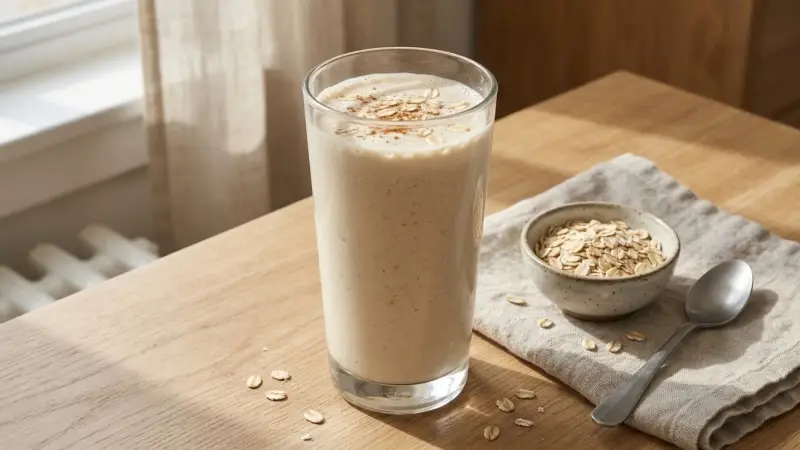
Protein shakes can be bad for you when commercial powders contain added sugars, artificial thickeners or trace heavy metals that strain your digestion and liver. Drinking high-calorie shakes on top of regular meals also drives unintentional weight gain, while relying on liquid supplements displaces the fibre and micronutrients found in whole foods.
Comparing common protein shake options
| Shake type | Prep time and effort | Key health drawbacks | Who it suits best |
|---|---|---|---|
| Ready-to-drink bottled shakes | 0 minutes; twist cap and drink | Often high in added sugars, vegetable oils and stabilisers; costly per serving | Busy commuters needing occasional emergency fuel |
| Flavoured commercial whey tubs | 2 minutes; shake with water or milk | Risk of artificial sweeteners, heavy metal contaminants and lactose bloating | Strength athletes tracking exact gram targets |
| Plant-based protein powders | 2 minutes; blend with liquid | Gritty texture, higher sodium levels and potential trace lead or cadmium from soil | Dairy-free cooks avoiding milk proteins |
| Homemade whole-food oat blend | 5 minutes; measure and blend ingredients | Requires fresh ingredients, a blender and quick washing up | Home cooks wanting steady energy and real fibre |
Hidden sugars, excess calories and weight gain
Many shop-bought powders and bottled shakes taste like milkshakes because manufacturers load them with cane sugar, corn syrup or artificial sweeteners. A single scoop mixed with 300 ml (10 fl oz) of whole milk can easily deliver 350 to 450 calories without triggering the fullness signals your brain receives from chewing solid food. When you drink these shakes alongside your usual meals rather than using them to replace a snack, the surplus energy stores as body fat.
Artificial sweeteners such as sucralose and acesulfame potassium also disrupt gut bacteria in sensitive people. Even unsweetened tubs frequently include maltodextrin, a fast-digesting starch that spikes blood glucose rapidly. Checking the nutrition panel for fewer than 5 grams of sugar per 30-gram serving prevents unnecessary blood sugar swings. If you prefer chewing your nutrients for longer satiety, reading Why Protein Bread Is Good for You: Health Benefits Explained shows how baked whole-food alternatives keep hunger at bay far longer than liquid calories.
Digestive distress and ingredient quality
Bloating, gas and stomach cramps are the most immediate complaints linked to protein supplements. Whey concentrate contains substantial lactose, which triggers cramping if your body produces low levels of the lactase enzyme. Switching to whey isolate reduces lactose, yet many tubs still rely on xanthan gum, guar gum or chicory root fibre to create a thick mouthfeel. These additives ferment rapidly in the colon and cause uncomfortable swelling within an hour of drinking.
Ingredient regulation presents a second concern. Protein powders are sold as dietary supplements rather than strictly tested medicines, meaning batches can harbour trace amounts of heavy metals such as lead, arsenic, cadmium and mercury absorbed from agricultural soil. Choosing tubs certified by independent testing bodies lowers this risk. You should also consider how supplements interact with daily habits and medications; for guidance on timing pain relief around your post-workout drink, check Can You Take Ibuprofen with a Protein Shake Safely? before mixing your next glass.
How to make a safer protein shake at home
Blending whole-food ingredients in your own kitchen gives you complete control over sweetness, fibre and thickness without gums or mystery fillers. Start with 240 ml (8 fl oz) of cold milk or unsweetened soy milk at 4°C (39°F) as your liquid base. Add 40 grams of rolled oats, 1 small ripe banana (about 100 grams), 15 grams of plain, unflavoured whey or pea protein powder and 1/2 teaspoon of ground cinnamon.
Blend on high speed for 45 to 60 seconds until the oats break down completely into a velvety consistency. Cold liquid prevents the whey from clumping against the blender blades, while blending oats for a full minute eliminates any chalky residue. If you want a colder, thicker drink, drop in 60 grams of ice cubes during the final 15 seconds of blending rather than adding extra powder.
For a balanced morning meal that combines slow-release carbohydrates with clean protein, follow our Protein Oatmeal Drink: Creamy Breakfast Shake recipe. Store any leftover homemade shake in a sealed glass jar in the refrigerator at 4°C (39°F) or below and drink it within 24 hours, shaking vigorously before serving because natural oat starch settles at the bottom.
A printable recipe card for Protein Oatmeal Drink: Creamy Breakfast Shake is just below the article, ready to download or print.
Frequently asked questions
Can drinking protein shakes every day damage your kidneys?
For healthy adults with normal kidney function, a daily protein shake does not cause kidney damage when total daily protein stays within sensible limits of 1.2 to 2.0 grams per kilogram of body weight. However, if you have pre-existing kidney disease, high protein intake forces your kidneys to work harder to filter nitrogen waste, so you must consult your doctor first.
Why do protein shakes make me feel bloated right away?
Immediate bloating usually comes from lactose in whey concentrate, thickeners like xanthan gum or sugar substitutes such as sorbitol and xylitol. Swallowing excess air while shaking a bottle vigorously also traps gas in your stomach. Letting your shake rest for 2 minutes after blending allows trapped air bubbles to escape.
Is it better to get protein from food instead of shakes?
Whole foods such as eggs, Greek yoghurt, poultry, fish, lentils and tofu are superior to powders because they supply iron, zinc, B vitamins and dietary fibre alongside amino acids. Whole foods also require chewing, which slows down eating and triggers stronger fullness hormones than liquid shakes.
How much protein powder is safe to use in one serving?
Most adults absorb and utilise 20 to 30 grams of protein from a single serving effectively for muscle repair. Taking 50 or 60 grams in one shake rarely builds extra muscle and instead adds excess calories while increasing the likelihood of stomach upset.
Printable recipe card: Protein Oatmeal Drink: Creamy Breakfast Shake
Save it, print it, or keep it on your phone while you cook.
Loading the recipe card…

About the author
Makeva
Makeva is a home‑cook who loves crafting approachable meals that balance flavor and nutrition. She specializes in quick weeknight dinners, hearty soups, and wholesome baked goods, sharing step‑by‑step guidance and practical tips. Readers can expect clear instructions, adaptable recipes, and a friendly tone that encourages confidence in the kitchen.