How to Add More Protein to Your Smoothie for a Satisfying Breakfast
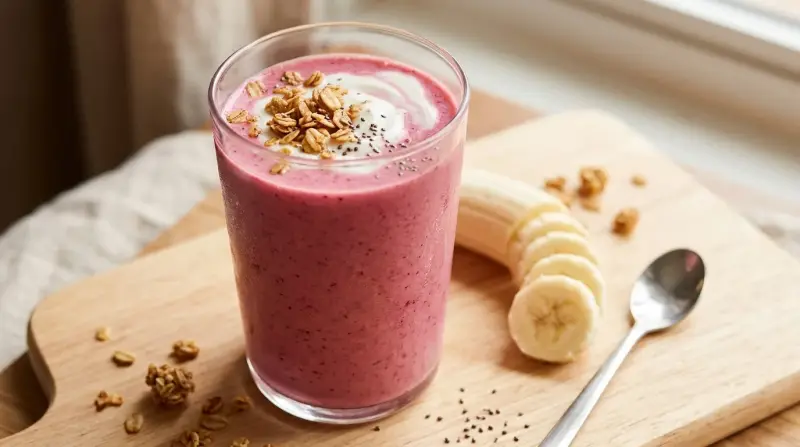
Adding protein to a smoothie can be as simple as blending in a spoonful of Greek yoghurt, a splash of milk, or a handful of seeds, each boosting muscle‑building fuel while keeping the drink smooth and satisfying.
Protein source comparison
| Source | Time | Effort | Result | Best for |
|---|---|---|---|---|
| Greek yoghurt (plain) | 1 min | Low | Creamy, tangy, +3 g protein per 100 g | Low‑fat diets, quick breakfast |
| Cow's milk (full‑fat) | 30 s | Low | Smooth, mild flavour, +3.4 g protein per 100 ml | Those who tolerate dairy, need calcium |
| Silken tofu | 1 min | Low | Silky, neutral, +8 g protein per 100 g | Vegan or dairy‑free diets |
| Peanut butter | 30 s | Medium | Rich, nutty, +4 g protein per tbsp | Energy‑dense meals, nut lovers |
| Oats (rolled) | 2 min (soak) | Medium | Thickens, adds fibre, +2.5 g protein per 30 g | Hearty textures, budget‑friendly |
| Chia seeds | 30 s | Low | Gel‑like, omega‑3s, +2 g protein per tbsp | Plant‑based, gut health focus |
| Hemp seeds | 30 s | Low | Nutty crunch, +3 g protein per tbsp | Quick boost, no soaking needed |
| Cottage cheese | 1 min | Low | Chunky, mild, +11 g protein per 100 g | High‑protein, low‑sugar diets |
| Whey protein powder | 30 s | Low | Silky, flavour‑flexible, +20 g protein per scoop | Serious athletes, precise macros |
Dairy and cultured options
Greek yoghurt is the easiest way to add both protein and a creamy texture. Use 150 ml (½ cup) for a typical 300‑ml smoothie; the yoghurt also contributes probiotics that aid digestion. Choose plain, full‑fat varieties to avoid added sugars that many flavoured yoghurts contain.
Milk contributes protein while keeping the liquid base light. Full‑fat cow's milk supplies the most protein per volume, but soy milk is a close alternative for those with lactose intolerance, offering roughly 3 g protein per 100 ml. When using milk, keep the blend temperature cool to prevent curdling; a chilled glass works best.
Cottage cheese adds a substantial protein punch without overwhelming flavour. Blend 100 g (¾ cup) with a banana or berries for natural sweetness. If the mixture feels grainy, add a splash of fruit juice or extra milk and blend for an additional 20 seconds.
Plant‑based powerhouses
Silken tofu blends seamlessly, delivering a neutral flavour and about 8 g protein per 100 g. No need to pre‑cook; simply cube and add to the blender. To avoid a bean‑like aftertaste, pair tofu with citrus juice, such as orange or lemon, and a handful of frozen berries.
Nut butters—peanut, almond or cashew—add healthy fats and protein. A single tablespoon supplies roughly 4 g protein, but also adds calories, so measure carefully if you are watching energy intake.
Seeds are tiny yet powerful. Hemp seeds give a pleasant crunch and blend without a gelatinous texture. Chia seeds swell when liquid is added; let the smoothie sit for two minutes after blending if you enjoy a thicker, pudding‑like mouthfeel.
Oats are an economical thickener and provide soluble fibre. Soak 30 g (¼ cup) in the liquid for a minute before blending to prevent a gritty texture. Oats also release slow‑digesting carbs, extending satiety.
Using protein powder wisely
Protein powders are convenient, yet they vary widely in quality. Whey isolate offers the highest biological value and dissolves quickly, making it ideal for a silky finish. If you prefer a plant‑based route, pea or rice protein blends deliver 15‑20 g protein per scoop and avoid dairy.
Read the label for added sugars and artificial flavours. A scoop typically equals 30 g; adjust according to your daily protein goal, usually 20‑30 g per meal for active adults.
To prevent clumping, add the powder after the first two ingredients have blended, then finish with the liquid base. This “layered” technique reduces graininess.
Tips for boosting protein without altering flavour
- Balance sweeteners. Natural sweetness from ripe banana, mango or a drizzle of honey (1 tsp) reduces the need for sugary protein powders.
- Mind the temperature. Cold ingredients keep the smoothie refreshing and help protein stay dissolved. Use frozen fruit instead of ice to avoid dilution.
- Combine sources. Pair dairy (Greek yoghurt) with plant seeds (hemp) for a complete amino‑acid profile.
- Store safely. If you make a batch ahead, keep it refrigerated at 4 °C (39 °F) and consume within 24 hours. Shake before drinking as proteins may settle.
For a ready‑made example that incorporates many of these ideas, try the Greek Yogurt Granola Smoothie: Protein‑Rich Breakfast Drink. It combines Greek yoghurt, milk and a sprinkle of hemp seeds for a balanced boost.
Looking for more ideas? The article Protein‑Boosting Ingredients to Add to Your Smoothie outlines additional nuts, beans and fortified milks that can be swapped in.
If you prefer to prep your drink the night before, see the guide Can You Make a Protein Smoothie the Night Before? Practical Tips for safe storage and texture‑preserving tricks.
A printable recipe card for "Greek Yogurt Granola Smoothie: Protein‑Rich Breakfast Drink" is just below the article, ready to download or print.
Frequently asked questions
Can I use plant milk instead of dairy milk?
Yes. Soy, oat and pea milks each contain protein, though soy is the highest at about 3 g per 100 ml. Choose unsweetened versions to keep sugar levels low.
Will adding chia seeds make my smoothie too thick?
Chia seeds swell quickly; they add thickness after a minute or two. Blend first, then let the drink sit if you enjoy a thicker texture, or add extra liquid to thin it out.
How much protein should a single smoothie contain?
For most active adults, 20‑30 g of protein per meal is a good target. Combining a spoonful of Greek yoghurt (≈5 g) with a scoop of whey powder (≈20 g) easily reaches this range.
Is it safe to keep a protein‑rich smoothie in the fridge overnight?
Store at 4 °C (39 °F) and consume within 24 hours. Shake well before drinking, as proteins can settle or separate over time.
Printable recipe card: Greek Yogurt Granola Smoothie: Protein-Rich Breakfast Drink
Save it, print it, or keep it on your phone while you cook.
Loading the recipe card…

About the author
Makeva
Makeva is a home‑cook who loves crafting approachable meals that balance flavor and nutrition. She specializes in quick weeknight dinners, hearty soups, and wholesome baked goods, sharing step‑by‑step guidance and practical tips. Readers can expect clear instructions, adaptable recipes, and a friendly tone that encourages confidence in the kitchen.