How to Make Protein Smoothies Without Powder: Whole‑Food Guide
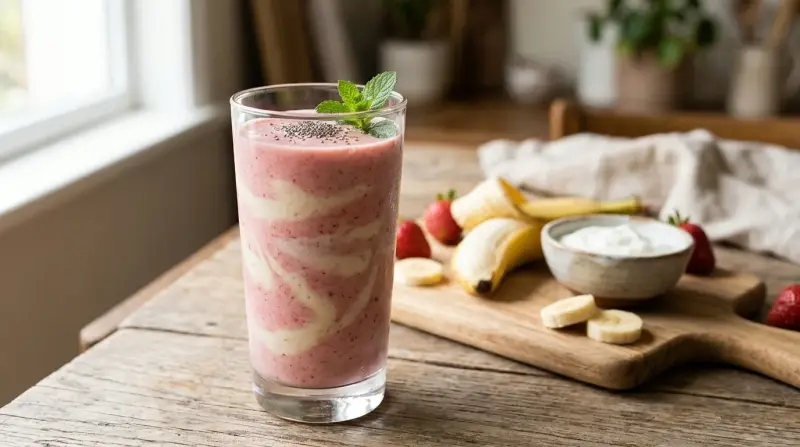
You can create a high‑protein smoothie without any powder by using dairy or plant‑based bases such as Greek yoghurt or soy milk, adding protein‑rich foods like nut butter, cottage cheese, tofu or seeds, and balancing flavours with fruit and a splash of liquid.
Understanding Whole‑Food Protein Sources
Whole foods that naturally contain protein become the backbone of a powder‑free smoothie. Greek yoghurt (approximately 10 g protein per 100 g) provides a thick, tangy base and works well with berries. Cottage cheese adds a mild flavour and around 11 g protein per 100 g; it also lends a silky mouthfeel when blended. Silken tofu offers a neutral taste and about 8 g protein per 100 g, perfect for vegans. Nut butters, such as peanut or almond, supply 25‑30 g protein per 100 g and add healthy fats that improve satiety. Seeds—hemp (31 g), chia (17 g), flax (18 g) per 100 g—contribute protein, fibre and omega‑3 fatty acids. Choose a liquid base that also contains protein: cow’s milk (3.4 g per 100 ml), soy milk (3.3 g per 100 ml) or pea‑protein fortified plant milk. By combining a protein‑rich liquid with at least one solid protein source, you reliably reach 15‑25 g of protein per serving without resorting to powder.
Common Myths About Powder‑Free Smoothies
Many cooks believe that a smoothie without powder will be watery, lack flavour, or provide insufficient protein. The texture myth is partly true: using only fruit and liquid can result in a thin drink, but adding thickening agents like oats (30 g per 100 g), avocado (½ medium avocado adds creaminess) or frozen banana counteracts this. The flavour myth is also half‑right; nut butters and yoghurt contribute richness that masks any earthiness from seeds. The protein myth is largely false: a single cup (250 ml) of Greek yoghurt plus two tablespoons (30 g) of peanut butter already delivers roughly 20 g of protein, meeting most breakfast needs. The key is balance—pair a protein‐dense base with a modest amount of thickener and a fruit for sweetness.
Step‑by‑Step Formula for a Balanced Smoothie
1. Choose a protein‑rich liquid: 250 ml (1 cup) cow’s milk, soy milk, or kefir. 2. Add a creamy protein source: 150 g (½ cup) Greek yoghurt or 100 g (½ cup) cottage cheese. 3. Incorporate a thickening fruit or vegetable: ½ medium banana, ½ avocado, or 30 g (¼ cup) rolled oats. 4. Add a protein‑boosting add‑in: 30 g (2 tbsp) nut butter, 20 g (2 tbsp) hemp seeds, or 15 g (1 tbsp) chia seeds. 5. Sweeten lightly with ½ cup (120 ml) frozen berries or a drizzle of honey (optional, 1 tsp). 6. Blend, adding extra liquid a tablespoon at a time until the mixture runs smoothly. 7. Taste and adjust with a pinch of cinnamon or a splash of vanilla extract (5 ml). This formula is flexible; swapping any component keeps the protein range between 15 g and 30 g per serving.
For a concrete example, try the breakfast‑focused shake that pairs well with the “Protein Oatmeal Without Powder: Hearty Halal Breakfast” recipe. Blend 250 ml soy milk, 150 g Greek yoghurt, 30 g almond butter, 30 g rolled oats, ½ banana, and a handful of frozen strawberries. The resulting drink contains roughly 22 g of protein and matches the oatmeal’s fibre content.
Tips for Texture, Storage and Safety
Texture: If the smoothie feels too thick, thin it with additional milk or water, adding just 30 ml (2 tbsp) increments. For a grainier feel, soak oats or chia seeds for at least 10 minutes before blending; they absorb liquid and become gelatinous, smoothing the blend.
Storage: Fresh smoothies are best consumed within two hours at room temperature. To keep longer, refrigerate in a sealed container for up to 24 hours; give a quick shake before drinking as separation is natural. For freezer storage, pour into a freezer‑safe bottle, leaving 2 cm headspace, and freeze for up to three months. Thaw overnight in the fridge for best texture.
Safety: When using raw eggs or tofu, ensure they are pasteurised to avoid salmonella risk. Milk and yoghurt should be kept below 4 °C (39 °F) until blended. If the smoothie contains dairy, discard it after 48 hours even if refrigerated, as bacterial growth can accelerate.
Want to boost flavour without adding sugar? Check out How to Make Protein Smoothies Taste Better with Simple Flavour Hacks for ideas such as a pinch of sea salt, roasted coffee powder, or a dash of citrus zest.
For a complete guide on blending equipment and technique, read How to Make Protein Smoothies at Home: Easy Step‑by‑Step Guide, which covers blade speed, jar size and cleaning tips.
A printable recipe card for “Protein Oatmeal Without Powder: Hearty Halal Breakfast” is just below the article, ready to download or print.
Keep reading
Frequently asked questions
Can I use dairy‑free milk instead of cow’s milk?
Yes, soy milk, pea‑protein milk or almond milk each contain protein and work as the liquid base. Choose a fortified version to maximise protein content.
How much protein should a single smoothie provide?
Aiming for 15‑25 g of protein per serving aligns with typical breakfast recommendations and helps keep you full until lunch.
Is it safe to add raw egg yolk for extra protein?
Only use pasteurised eggs to avoid salmonella; otherwise, substitute with Greek yoghurt or silken tofu for a similar protein boost.
Can I freeze a protein‑rich smoothie?
Yes, store it in a freezer‑safe container, leaving a small gap for expansion. Thaw in the fridge overnight and give a good shake before drinking.
Printable recipe card: Protein Oatmeal Without Powder: Hearty Halal Breakfast
Save it, print it, or keep it on your phone while you cook.
Loading the recipe card…

About the author
Makeva
Makeva is a home‑cook who loves crafting approachable meals that balance flavor and nutrition. She specializes in quick weeknight dinners, hearty soups, and wholesome baked goods, sharing step‑by‑step guidance and practical tips. Readers can expect clear instructions, adaptable recipes, and a friendly tone that encourages confidence in the kitchen.