Protein Dip for Potatoes: German-Style Crunchy Spread
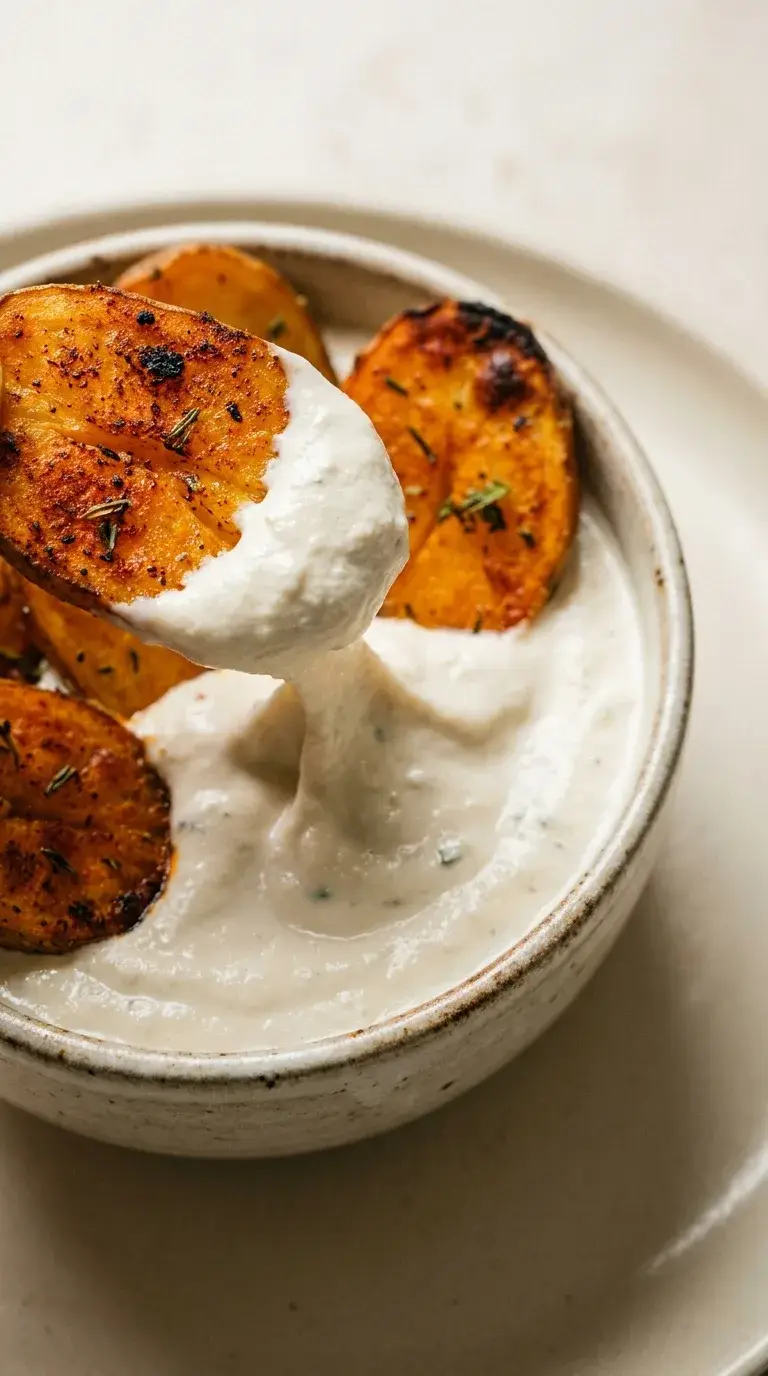
German-style spreads often rely on heavy creams or mayonnaise to achieve their thickness. This protein dip for potatoes replaces those fats with a blend of plain Greek-yoghurt and plain quark. Use these fermented dairy products to keep the texture rich while increasing the protein content. This shift ensures the dip remains light and tangy without sacrificing the body needed to carry the garlic and fresh herbs.
The result is a sharp, cooling contrast to the heat of the oven. Roast the 600 g baby potatoes at 180°C (355°F) until they are golden and crispy. This high temperature caramelises the edges of the potato halves and activates the smoked paprika. Refrigerate the finished dip for 10 minutes before serving. This chill time allows the lemon juice and chives to meld into a cohesive, savoury flavour that cuts through the richness of the roasted oil.
Protein Dip for Potatoes: German-Style Crunchy Spread
Recipe cardIngredients
Instructions
-
Prepare the oven
Preheat your oven to 180 °C (355 °F). Line a baking tray with parchment paper to prevent the potatoes from sticking to the metal. This ensures a clean release after roasting.
-
Cut the potatoes
Wash the baby potatoes thoroughly. Cut them in half lengthwise, keeping the skins on if you prefer more texture. Even sizes ensure the batch cooks at the same rate.
-
Season the vegetables
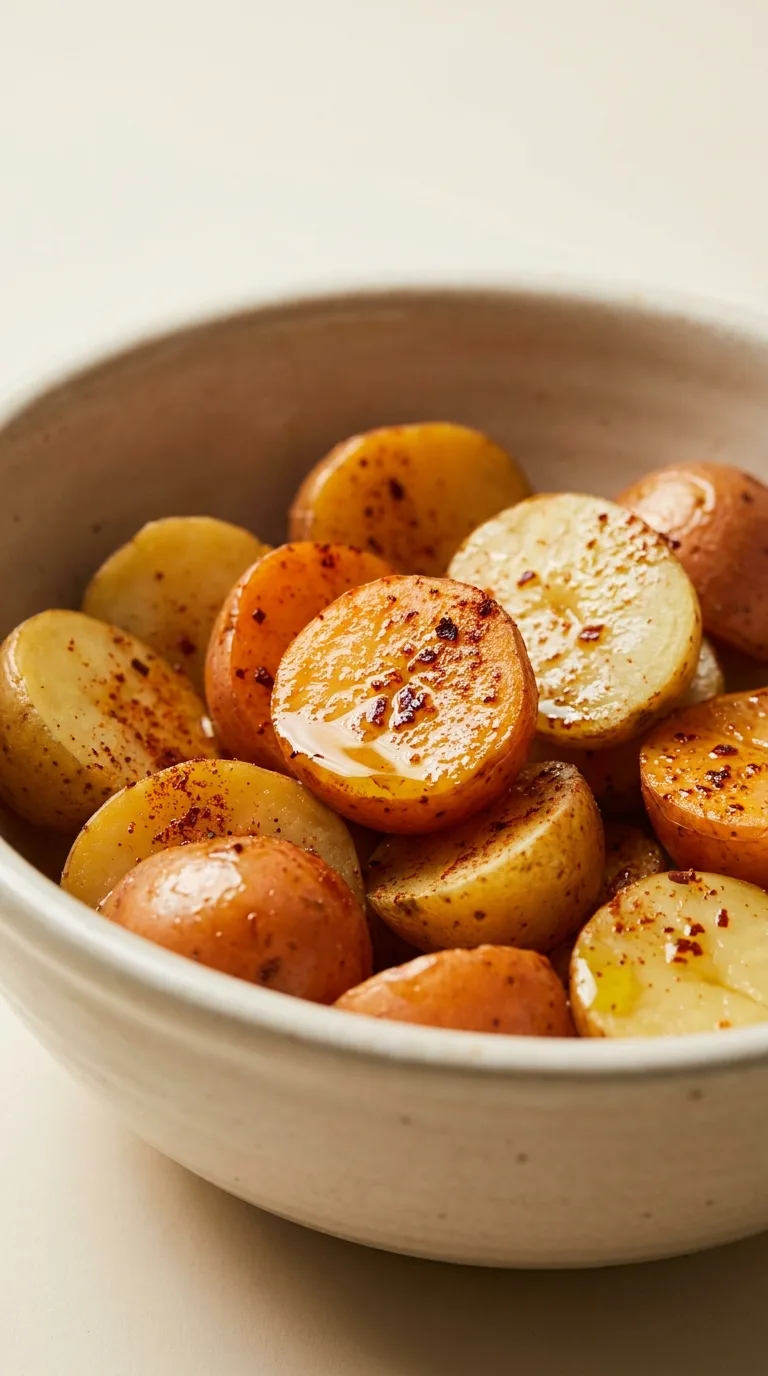
Place the potato halves in a bowl. Drizzle with olive oil and sprinkle with smoked paprika, salt, and pepper. Toss them until every piece is evenly coated for consistent flavour.
-
Roast until crispy
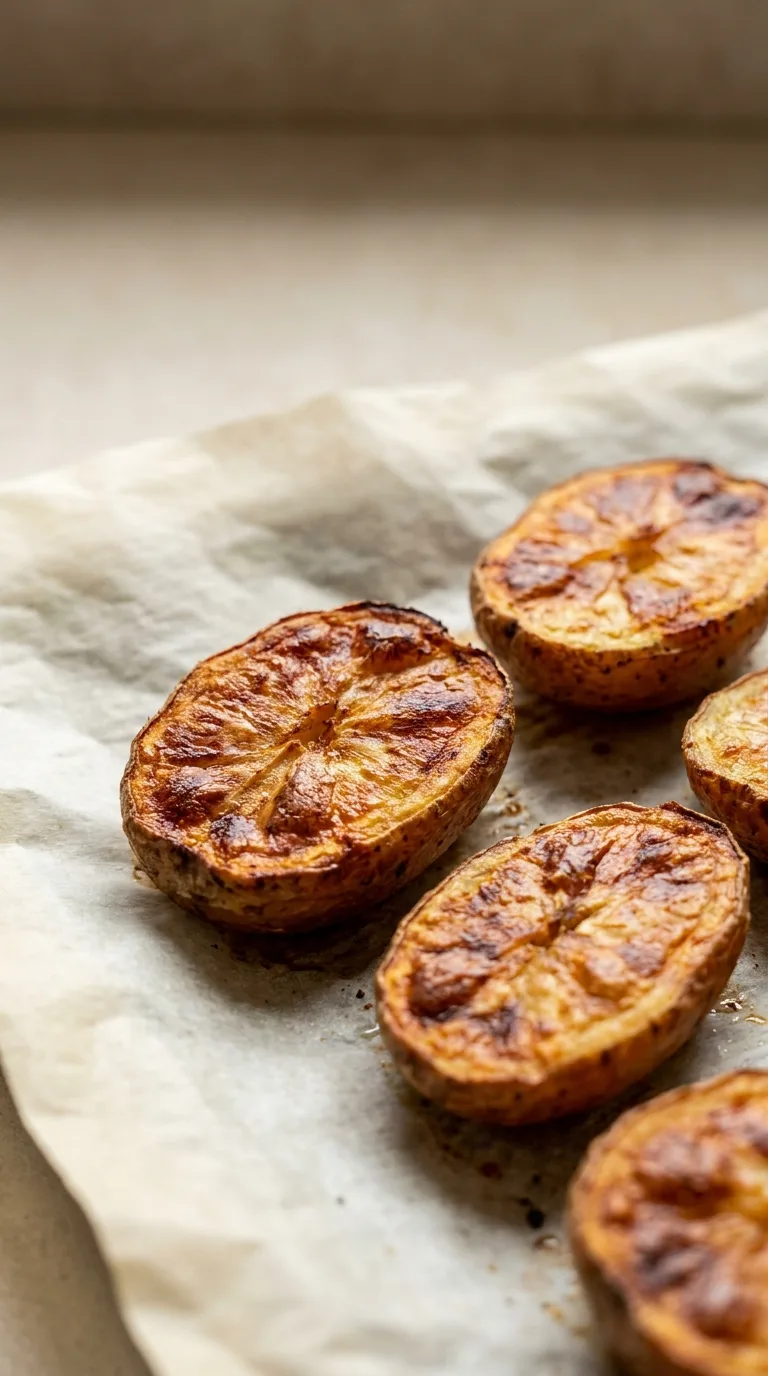
Spread the potatoes in a single layer on the prepared tray. Bake for 20 minutes, turning them once. They are ready when they look golden and feel crispy to the touch.
-
Mix the dip
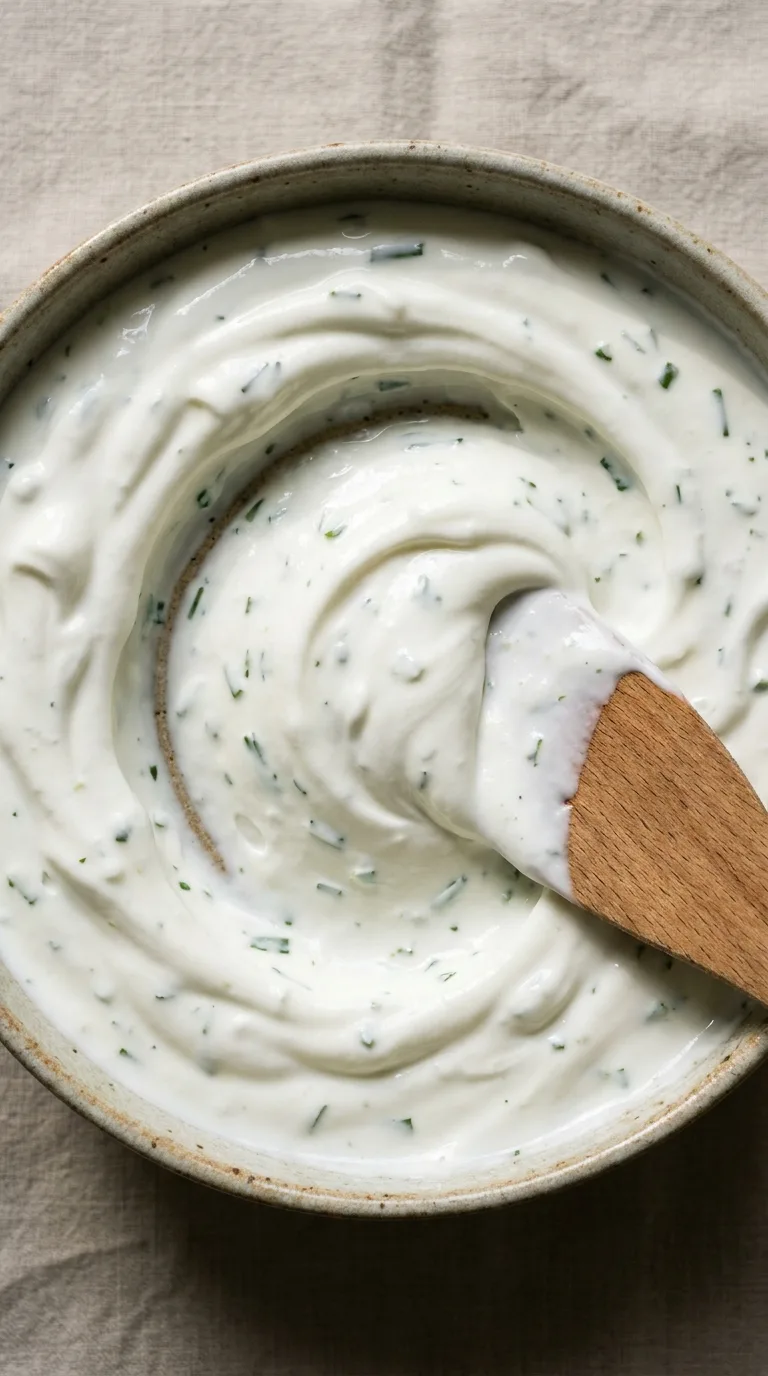
Combine the Greek-yoghurt and quark in a mixing bowl. Add the minced garlic, lemon juice, parsley, chives, salt, and pepper. Whisk until the mixture is smooth and the herbs are distributed.
-
Chill the spread
Transfer the dip to a serving bowl and cover it lightly with cling film. Refrigerate for 10 minutes. Chilling allows the garlic and lemon to meld into the creamy base.
Check the potatoes halfway through roasting. If they are browning too quickly, lower the heat to avoid burning the paprika. If the dip feels too thick to scoop, whisk in a small amount of chilled whey or plant-based milk to reach a smoother consistency.
How it differs from the traditional method
Traditional potato dips often rely on mayonnaise or sour cream for thickness. Replacing these with Greek-yoghurt and quark increases the protein content while reducing the fat. This creates a brighter, more acidic profile that cuts through the richness of the roasted potatoes better than a heavy, oil-based dip.
What to serve with it
Pair this dip with the roasted baby potatoes for a crunchy contrast. You can also provide a platter of thin cucumber slices, carrot sticks and bell-pepper strips for a fresh accompaniment. For a more substantial snack, use the mixture as a savoury spread on whole-grain toast or crackers.
Nutrition per serving
- Calories
- 210
- Protein
- 20.0 g
- Carbs
- 14.0 g
- Fat
- 8.0 g
- Fiber
- 3.0 g
- Sugar
- 4.0 g
Estimated, and offered as a guide rather than a medical figure.
Made it? Rate it.
Questions people ask
Can I make this dip vegan?
Yes. Replace the Greek-yoghurt and quark with plant-based plain soy-yoghurt and a scoop of pea-protein powder. Stir in the fresh herbs and season as usual to maintain the same high protein levels and savoury flavour profile.
What do I do if the dip is too thick?
Whisk in a splash of chilled whey or plant-based milk. Do this gradually until you reach your desired consistency. This thins the base without compromising the stability of the yoghurt and quark emulsion.
How should I freeze the leftovers?
Place the dip in an airtight container and freeze for up to 2 weeks. You must thaw it in the fridge overnight before reheating. This prevents the dairy from separating too quickly during the warming process.

About the author
Makeva
Makeva is a home‑cook who loves crafting approachable meals that balance flavor and nutrition. She specializes in quick weeknight dinners, hearty soups, and wholesome baked goods, sharing step‑by‑step guidance and practical tips. Readers can expect clear instructions, adaptable recipes, and a friendly tone that encourages confidence in the kitchen.