Pineapple Protein Smoothie: Tropical Energy Boost
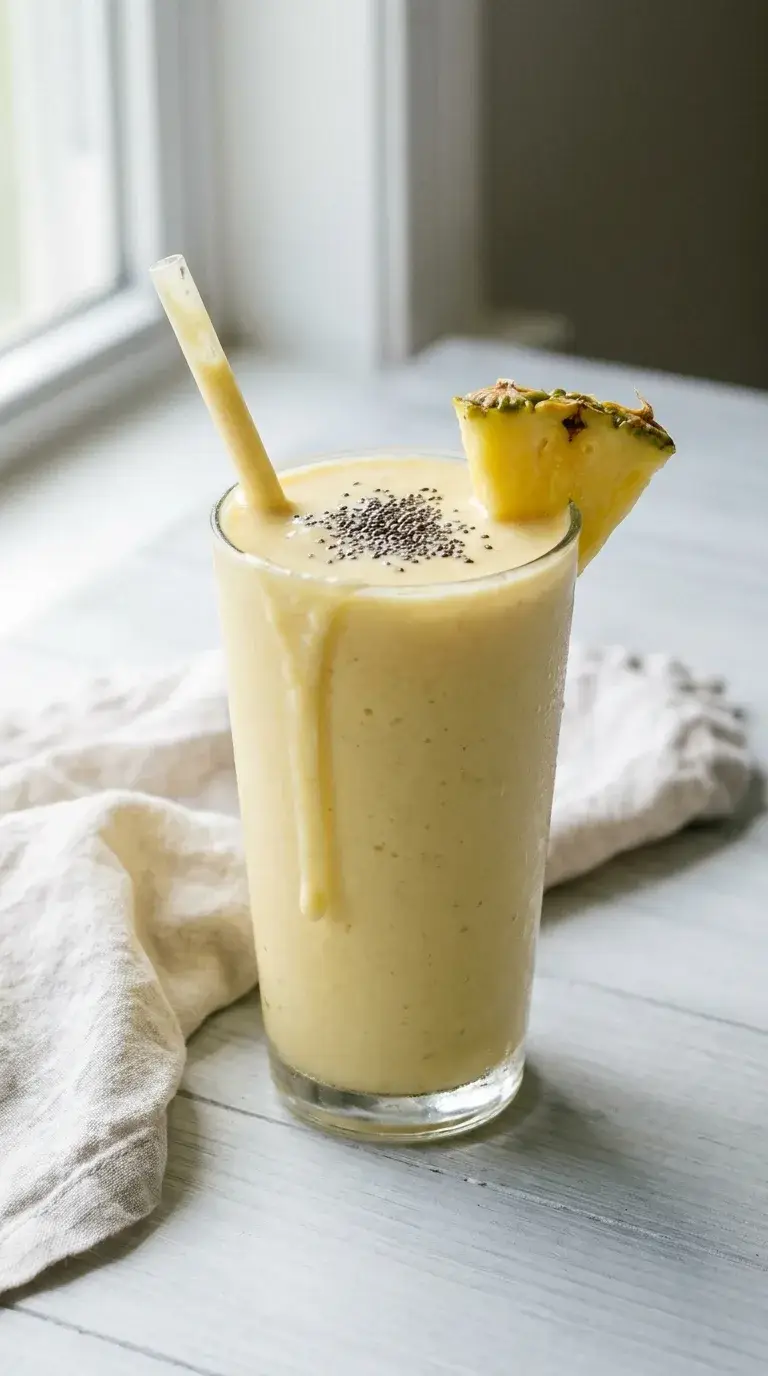
This pineapple protein smoothie is a staple of American health-focused drinks. It combines 140 g (1 cup) of frozen pineapple chunks with 30 g (1 scoop) of vanilla protein powder and 240 ml (1 cup) of unsweetened almond milk. The result is a vibrant, thick beverage with a sharp tropical flavour and a smooth, creamy texture. You can add 1/2 a sliced banana or 1/2 cup of plain Greek yogurt to increase the thickness and add more protein to the blend.
Use frozen pineapple chunks instead of fresh fruit to keep the drink cold naturally without diluting the flavour. Add the ice cubes last to ensure a frothy, chilled texture. If you use fresh fruit and too much ice, the smoothie becomes watery and loses its concentrated sweetness. Blend on high speed for 30–45 seconds to ensure the ice is completely crushed and the protein powder is fully incorporated into the liquid.
Pineapple Protein Smoothie: Tropical Energy Boost
Recipe cardIngredients
Instructions
-
Prepare the base
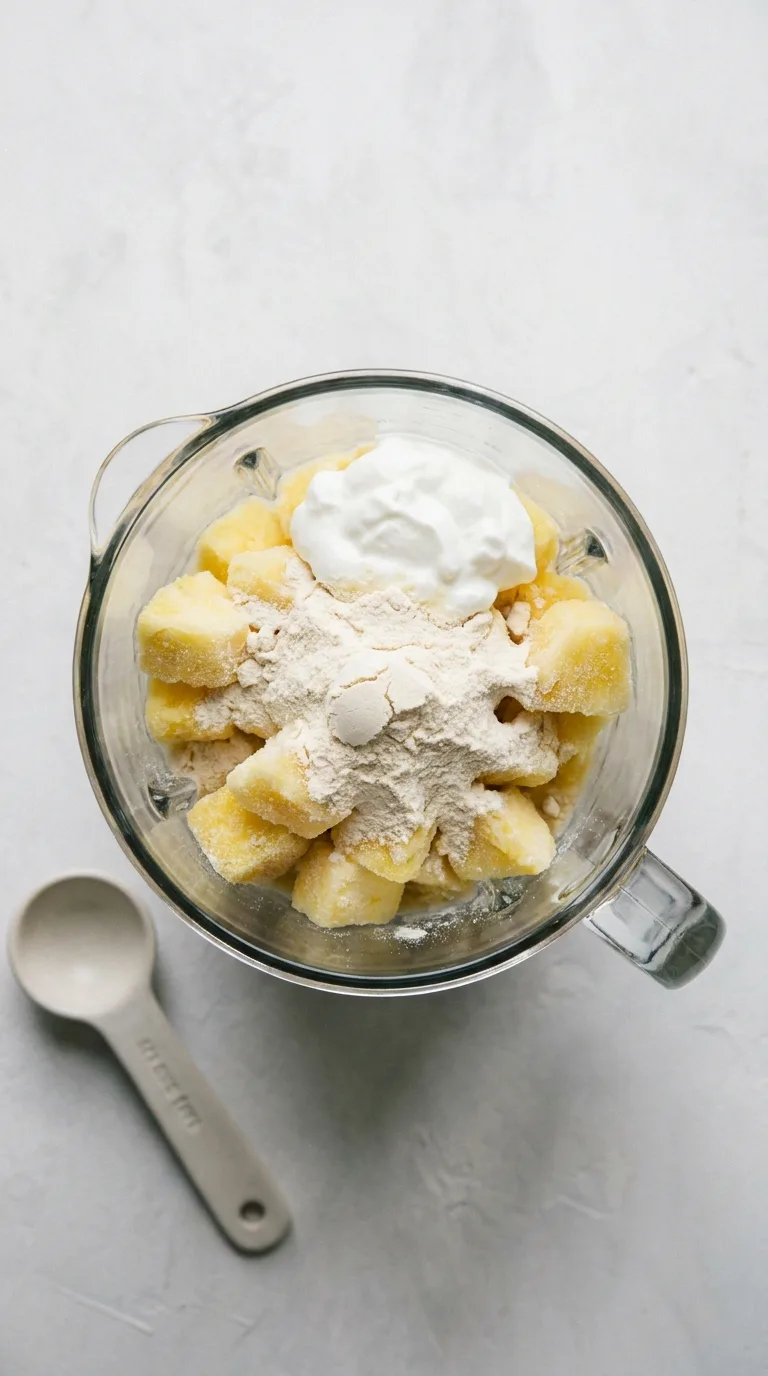
Place the frozen pineapple chunks in the blender bowl. Using frozen fruit ensures the drink stays chilled without diluting the flavour.
-
Add the nutrients
Add the vanilla protein powder, almond milk, sliced banana, chia seeds, and Greek yogurt if you are using them. These ingredients provide the creaminess and protein structure.
-
Chill the mixture
Drop in the ice cubes. This creates a frothy, chilled texture that mimics a professional shake.
-
Blend the smoothie
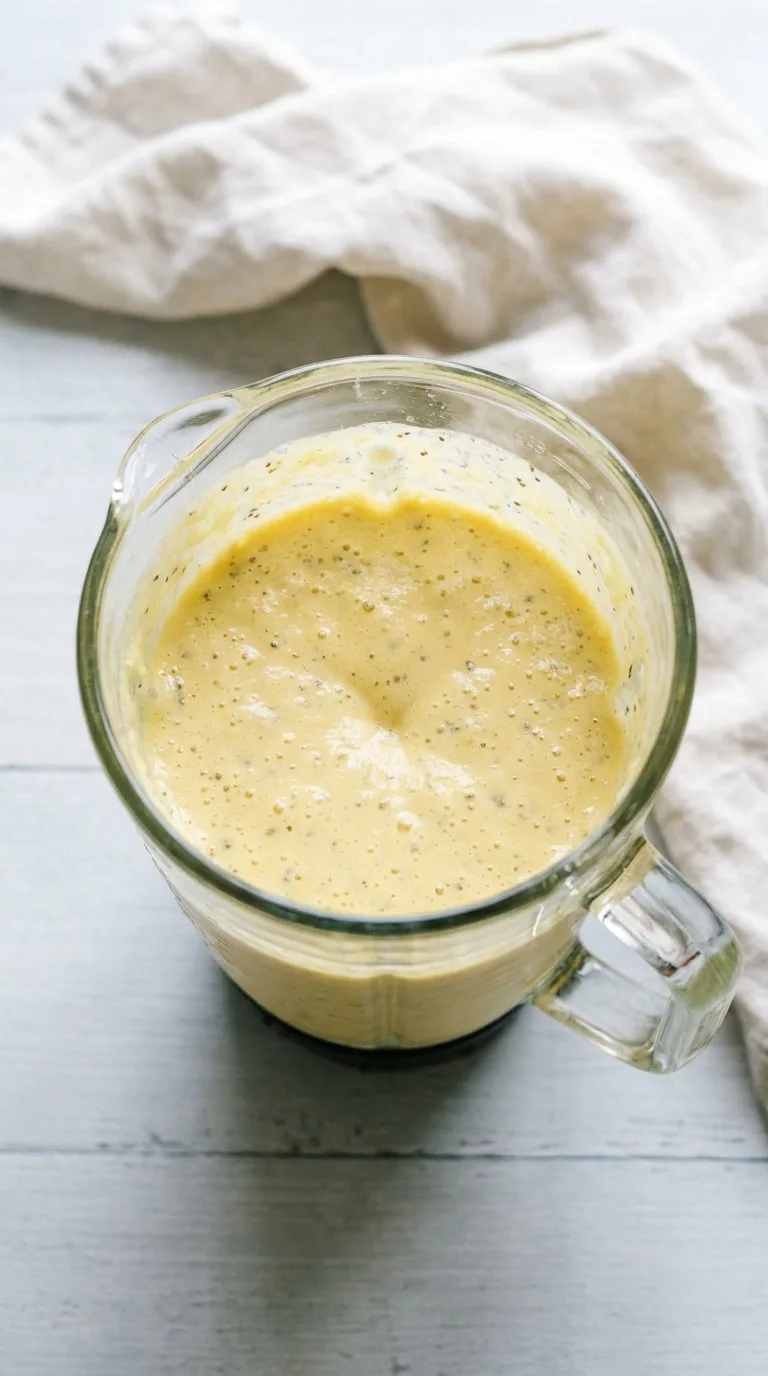
Secure the blender lid tightly and blend on high speed. Process for 30–45 seconds until the mixture is completely smooth and the ice is fully crushed.
-
Adjust the consistency
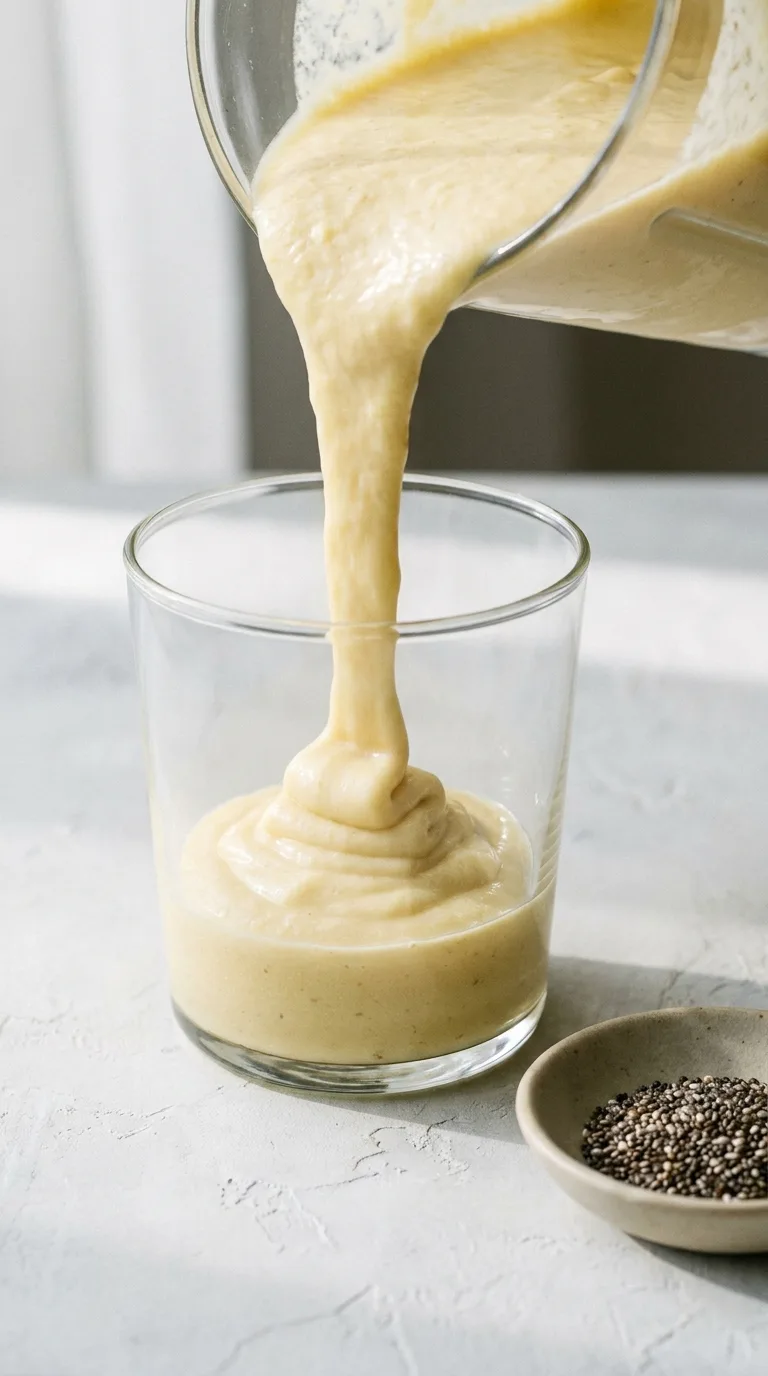
Check the thickness of the blend. If the mixture is too thick to pour, add a splash of almond milk and blend again to reach your preferred viscosity.
-
Finalise and serve
Taste the smoothie and add a drizzle of honey or agave syrup if you want more sweetness. Pour the mixture into a chilled 16 oz glass and serve immediately to maintain the texture.
Watch the consistency during the final blend. If the mixture looks grainy or fails to move, you have too much powder or frozen fruit. Add almond milk in small increments to loosen the blend until it swirls smoothly, ensuring you do not thin the flavour too much.
What to serve with it
Garnish your glass with a fresh pineapple wedge and chia seeds for a visual pop. Serve the smoothie alongside a handful of mixed nuts to provide a contrasting crunch. You may also drizzle coconut water on top to create a tropical trifle effect for a more indulgent presentation.
Storing and reheating
Keep the smoothie in the refrigerator if you plan to drink it within 2 hours. The texture separates after this window. For longer storage, use an airtight container in the freezer for up to 3 days. Re-blend with a splash of almond milk to restore the original smoothness.
Nutrition per serving
- Calories
- 180
- Protein
- 28.0 g
- Carbs
- 22.0 g
- Fat
- 3.0 g
- Fiber
- 2.5 g
- Sugar
- 10.0 g
Estimated, and offered as a guide rather than a medical figure.
Made it? Rate it.
Questions people ask
Can you make a high-protein smoothie with pineapple?
Yes. Combine frozen pineapple with whey or plant-based protein powder and Greek yogurt. These ingredients provide a significant protein boost while the fruit maintains a refreshing, tropical flavour profile suitable for post-workout recovery.
Is pineapple good in protein shakes?
Yes. Pineapple adds a natural sweetness and contains bromelain, an enzyme that aids digestion. It pairs well with vanilla protein powder and creamy bases like almond milk or yogurt to create a balanced texture.
What fruit pairs well with pineapple for a smoothie?
Banana is an excellent pairing. Use a sliced banana to increase the creaminess of the blend. You can also add fresh spinach for a nutrient-dense green version or coconut milk for a piña-colada style flavour.

About the author
Makeva
Makeva is a home‑cook who loves crafting approachable meals that balance flavor and nutrition. She specializes in quick weeknight dinners, hearty soups, and wholesome baked goods, sharing step‑by‑step guidance and practical tips. Readers can expect clear instructions, adaptable recipes, and a friendly tone that encourages confidence in the kitchen.