Drinks Recipes
Explore a collection of low‑calorie drinks designed to support weight‑loss goals. From metabolism‑boosting teas to refreshing infused waters, each recipe is quick to prepare and easy to adapt.
1 recipe
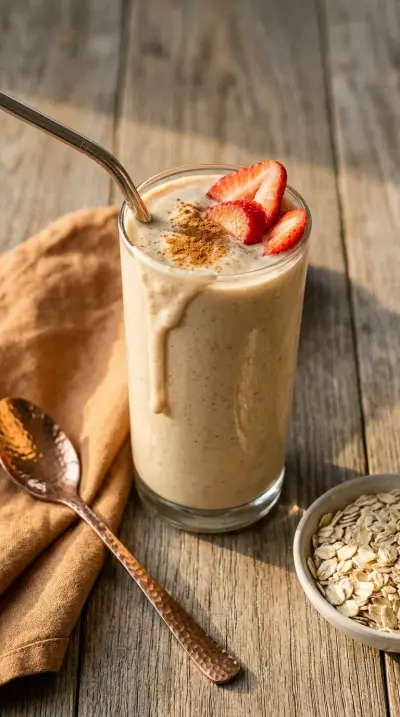
What Makes These Recipes Special
Weight‑loss beverages on Fat‑Burnwiki focus on three principles: low calorie density, metabolic support, and ease of preparation. By limiting added sugars and using natural flavor boosters, each drink stays under 100 calories per serving while still delivering a satisfying taste. Many of the recipes incorporate compounds such as catechins, caffeine, or vinegar that have been linked to modest increases in energy expenditure. The result is a collection that can be integrated into daily meal plans without requiring specialized equipment or exotic ingredients.
Key Ingredients for Metabolism Support
While any fluid can aid hydration, certain ingredients add functional value:
- Green tea – rich in epigallocatechin gallate (EGCG), a catechin shown to modestly raise calorie burn.
- Coffee – provides caffeine, which can enhance thermogenesis when consumed in moderate amounts.
- Apple cider vinegar – a source of acetic acid that may improve satiety and stabilize blood sugar.
- Citrus fruits – supply vitamin C and polyphenols; the acidity also brightens flavor without added sugar.
- Herbs and spices – ginger, cinnamon, and mint contribute aroma and may have mild metabolic effects.
Choosing unsweetened base liquids (water, herbal tea, or black coffee) keeps the calorie count low, while natural sweeteners like stevia or a splash of 100 % fruit juice add sweetness without excessive sugar.
Techniques and Tips for Optimal Flavor
Successful weight‑loss drinks rely on balance, temperature, and timing. Follow these guidelines:
- Steeping time: For teas, steep 2–4 minutes at 175–185°F (80–85°C) to avoid bitterness while extracting beneficial compounds.
- Cold infusion: Place sliced fruit, herbs, or cucumber in cold water for 2–4 hours. This method yields a subtle flavor without heat‑sensitive nutrient loss.
- Layering flavors: Combine a base (e.g., green tea) with a secondary note (e.g., a squeeze of lemon) to create complexity without extra calories.
- Portion control: Measure liquids in a standard 16‑ounce (475 ml) cup to keep servings consistent.
- Adjust acidity: A dash of apple cider vinegar or a splash of lime can brighten the palate and reduce the need for sugar.
How to Serve and Pair
Presentation influences satisfaction. Serve beverages in glassware that showcases color, such as a clear tumbler for infused water or a ceramic mug for hot tea. Pairings can enhance the overall meal plan:
- Cold‑brew green tea with a high‑protein breakfast (Greek yogurt and berries).
- Apple cider vinegar lemonade alongside a leafy‑green salad dressed with olive oil.
- Spiced cinnamon coffee before a morning workout to provide a mild stimulant.
- Herb‑infused water with a mid‑afternoon snack of raw nuts.
When serving hot drinks, aim for a temperature between 140–150°F (60–65°C) to protect oral tissue while preserving flavor.
Storing and Make‑Ahead Options
Many recipes are designed for batch preparation. Store beverages in airtight glass containers to prevent flavor degradation. General guidelines:
- Refrigerated infusions: Keep for up to 48 hours; discard if the liquid becomes cloudy or develops off‑odors.
- Cold‑brew tea: Shelf‑stable for 5 days when kept cold; stir before serving to redistribute settled particles.
- Pre‑measured spice mixes: Combine dried ginger, cinnamon, and a pinch of sea salt in a small jar; add to hot water as needed.
- Freezing: Portion coffee or tea into silicone ice‑cube trays for later use in smoothies or iced drinks.
Label containers with preparation dates to maintain safety and quality.
Frequently asked questions
Can I add protein powder to these drinks?
Yes, unflavored whey or plant‑based protein powders blend well with most cold or warm beverages. Add the powder after the drink reaches the desired temperature to avoid clumping.
How much caffeine is safe for weight‑loss drinks?
Most guidelines recommend limiting caffeine to 400 mg per day for healthy adults. A typical 8‑ounce cup of coffee provides 95 mg; adjust portions accordingly.
Is it okay to sweeten with honey or agave?
Honey and agave contain natural sugars and add calories. If the goal is strict calorie control, use non‑caloric sweeteners or limit added sweeteners to one teaspoon (about 5 calories) per serving.
Do these drinks replace meals?
No. They are intended as supplements to a balanced diet. Use them as snacks, pre‑ or post‑exercise refreshments, or as part of a meal plan that includes adequate protein, fiber, and healthy fats.
Can I reuse fruit or herbs for a second infusion?
After the first 2–4 hour soak, flavor intensity drops significantly. A second infusion may be acceptable for mild taste, but nutritional compounds will be reduced. For best results, use fresh ingredients each batch.