Low-Carb Japanese Pancakes: Fluffy Almond Flour Souffle
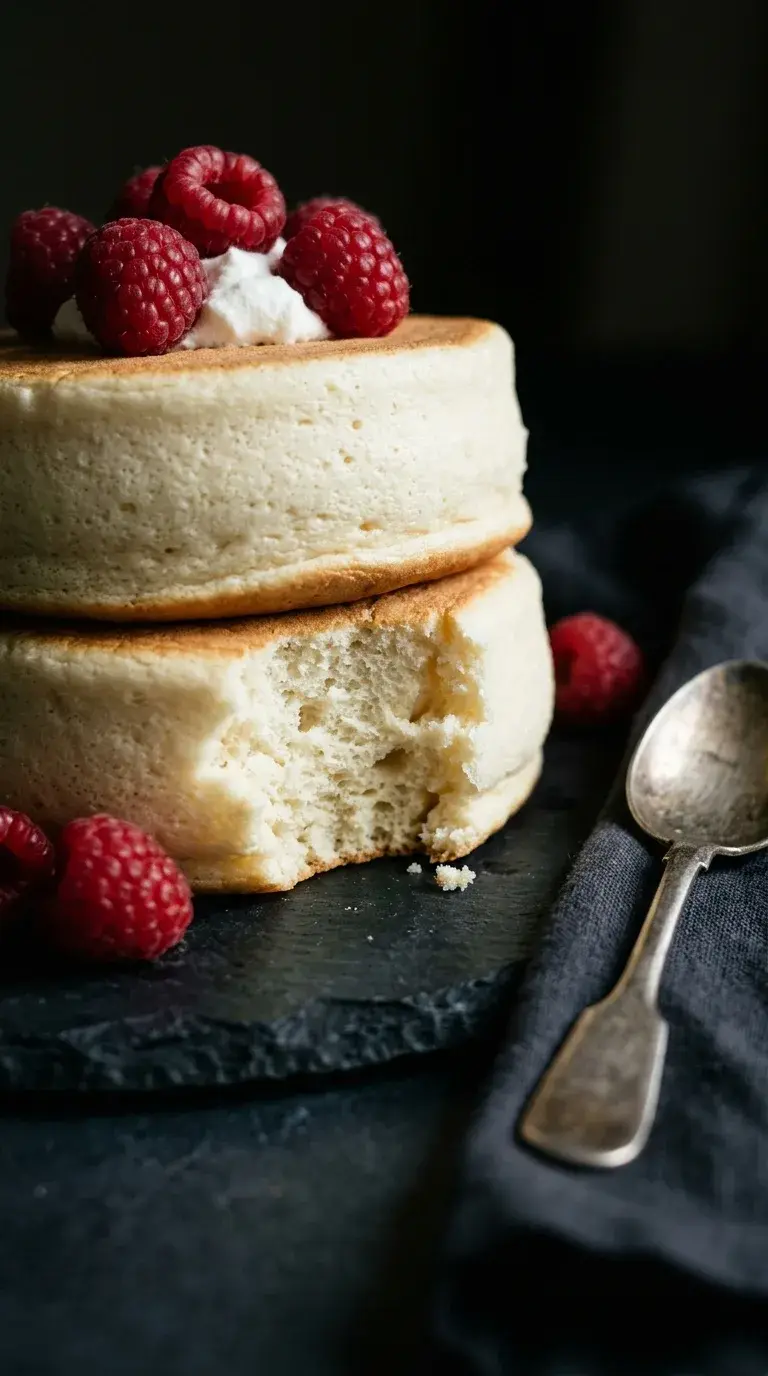
You may beat the meringue too vigorously when making low carb Japanese pancakes. This collapses the air pockets and produces a denser result. A heavy batter leads to a flat pancake that lacks the signature lift of a souffle.
These are airy pancakes with a subtle vanilla flavour. When made correctly, they have a tall, round shape and a soft crust. The blend of almond flour and coconut flour provides a light structure that remains low-carb and halal-friendly.
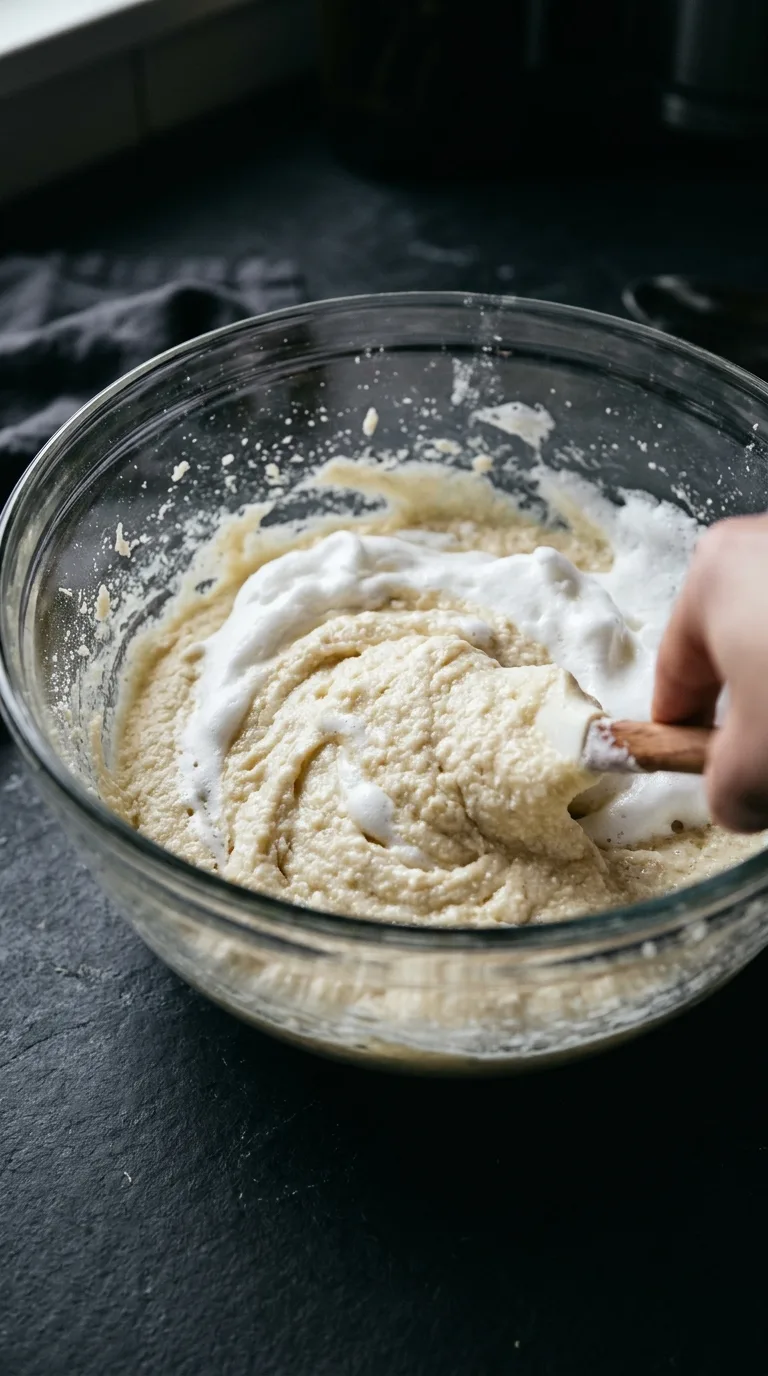
The final fold decides the texture. You must fold the meringue into the batter with a gentle, circular motion. This preserves the air needed to keep the pancakes light. Use a ring mould on a skillet heated to 120°C (250°F) to hold the batter and maintain the height.
Low-Carb Japanese Pancakes: Fluffy Almond Flour Souffle
Recipe cardIngredients
Watch how it's made
Instructions
-
Mix wet ingredients
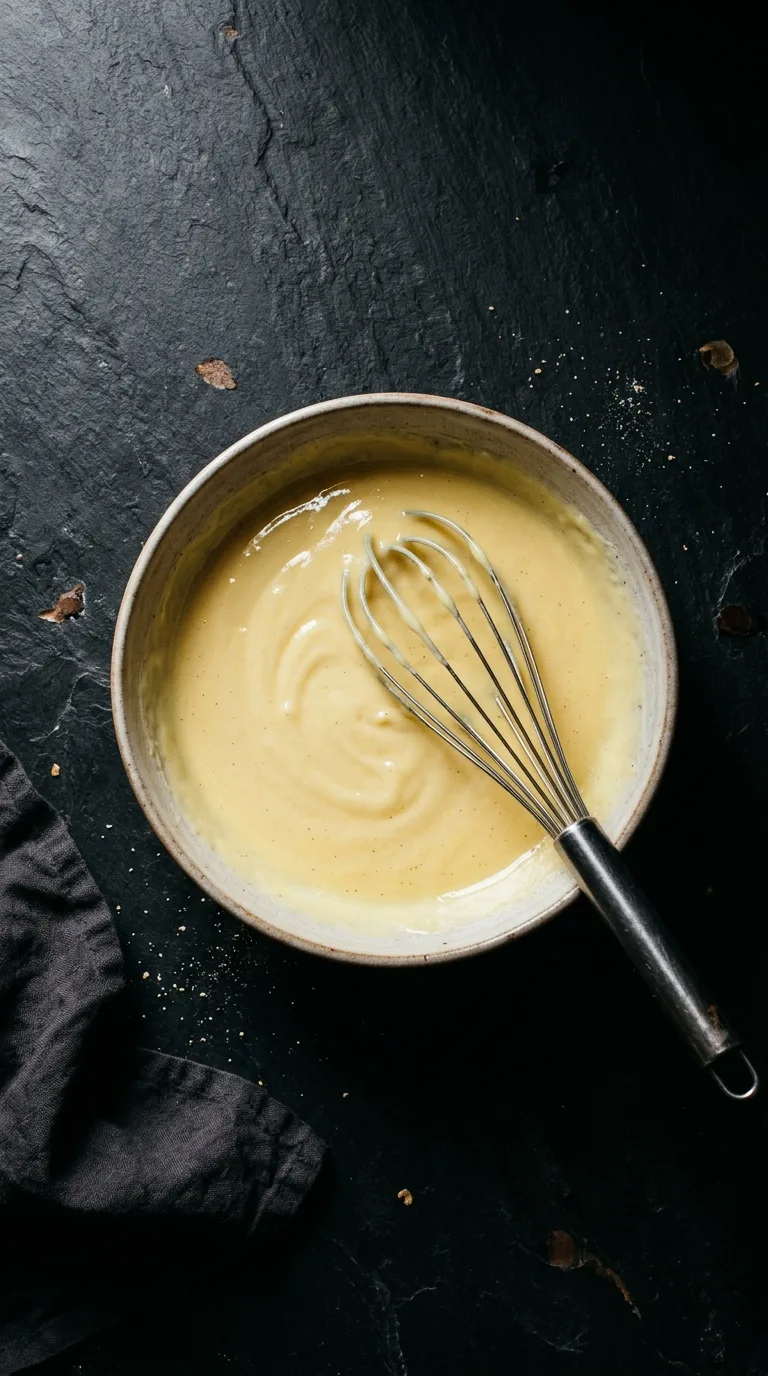
Whisk together egg yolks, Greek yoghurt, melted butter, vanilla extract and allulose in a medium bowl. Stir until the mixture is smooth. This ensures the sweeteners and fats are evenly distributed.
-
Combine dry ingredients
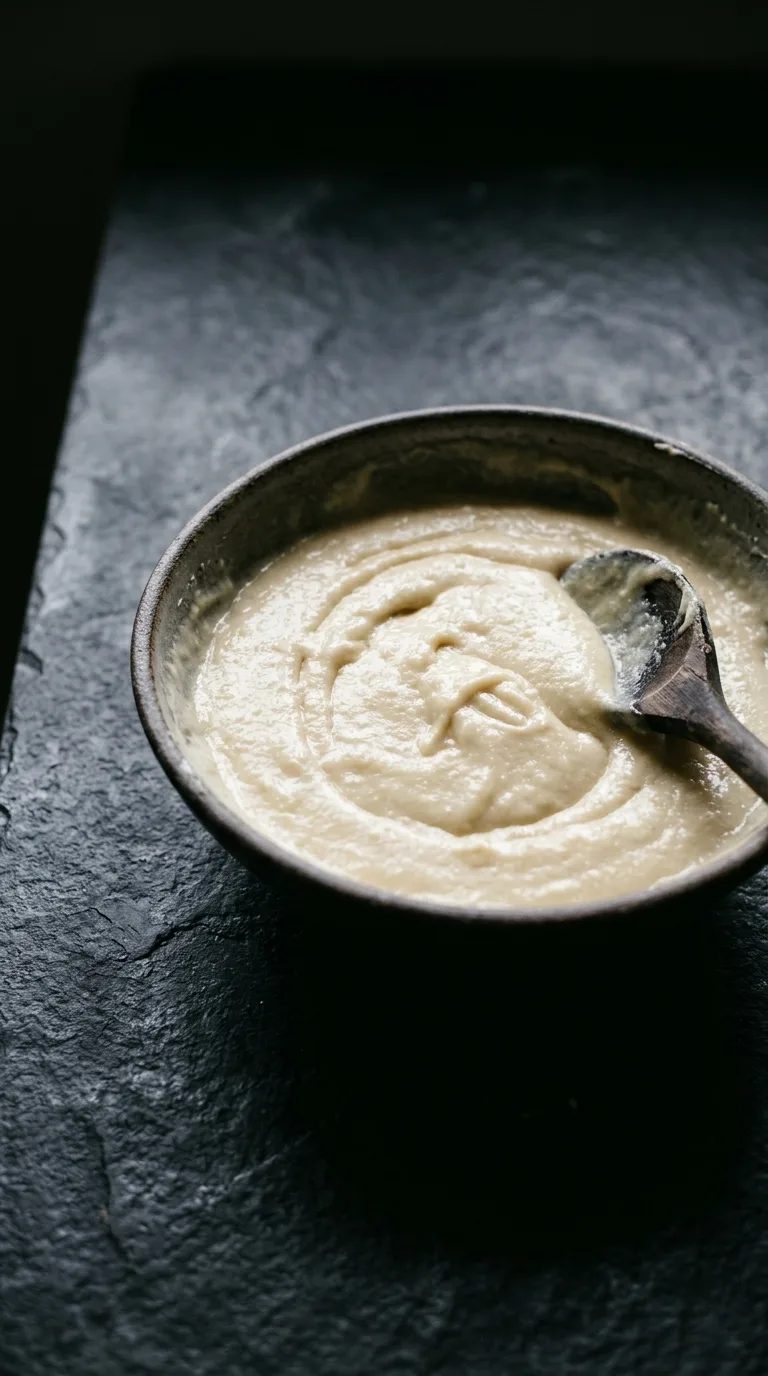
Sift almond flour, coconut flour, xanthan gum and salt into a separate bowl. Gradually fold this dry mixture into the wet ingredients. Continue until no crumbs remain and the batter is fully incorporated.
-
Fold in meringue
Beat egg whites in a clean bowl until stiff peaks form. Gently fold the meringue into the batter three times. You must be careful not to overmix so you keep the batter light and airy.
-
Prepare the pan
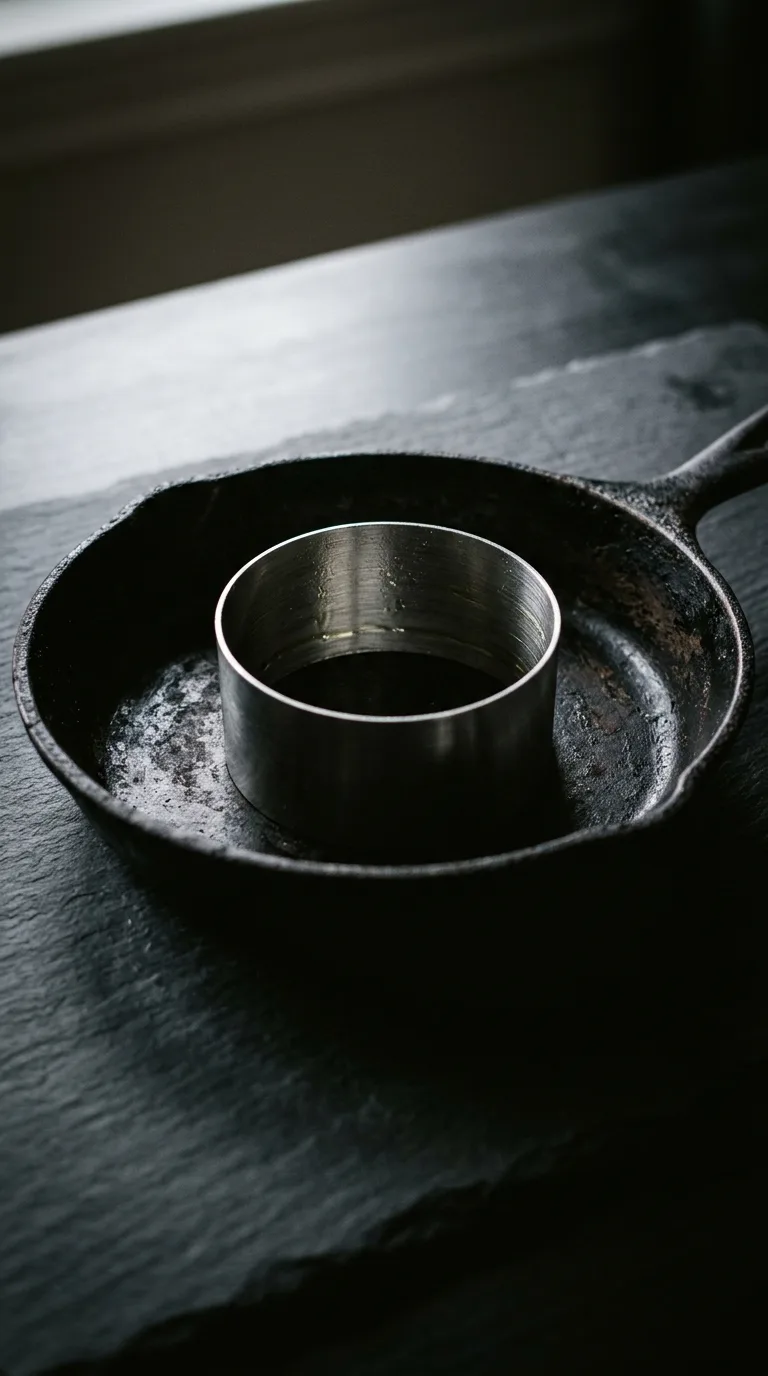
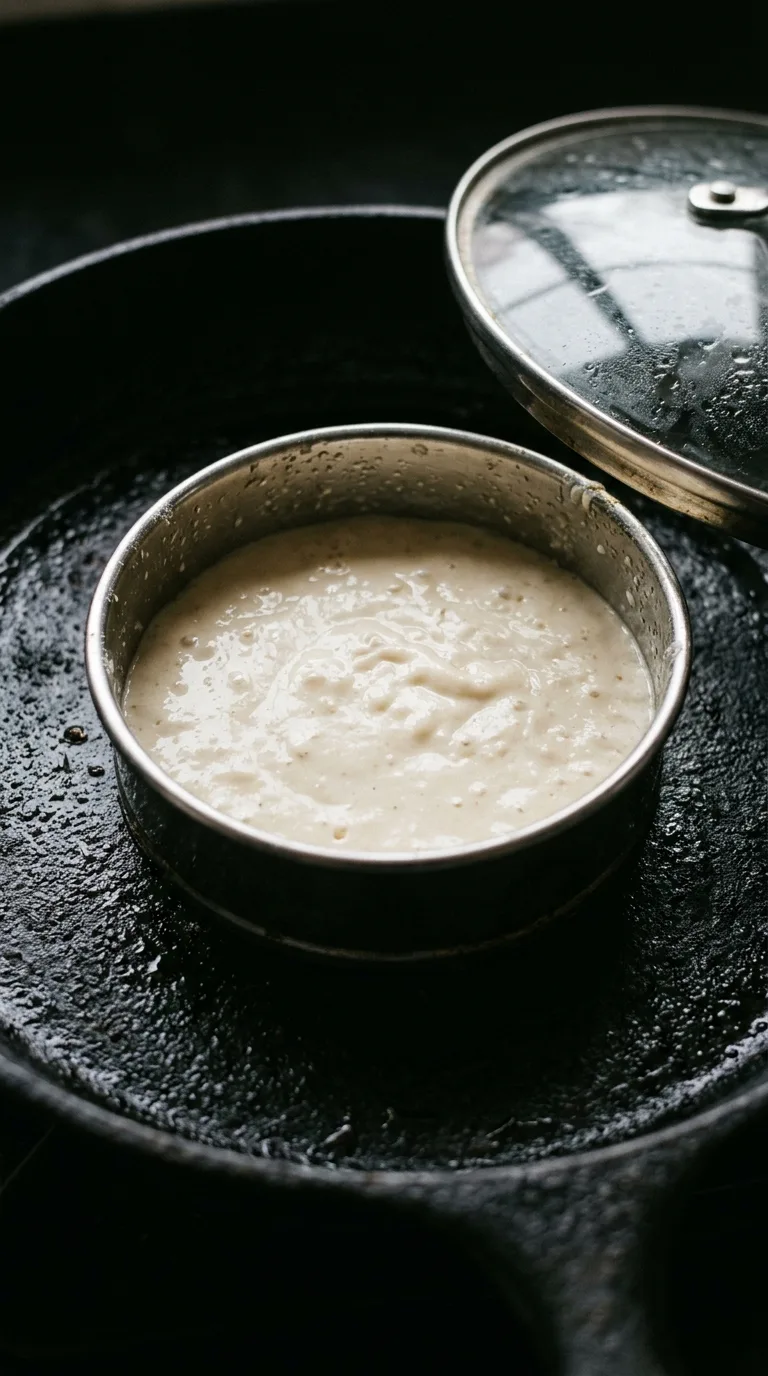
Heat your skillet to 120°C (250°F). Brush the surface with olive oil to prevent sticking and create a soft crust. Place the ring mould on the pan and oil the inside of the ring with a paper towel.
-
Steam the pancakes
Pour one tablespoon of batter into the centre of the ring mould. Immediately cover the pan with a lid. This traps steam to help the pancakes rise and cook through evenly.
-
Cook and flip
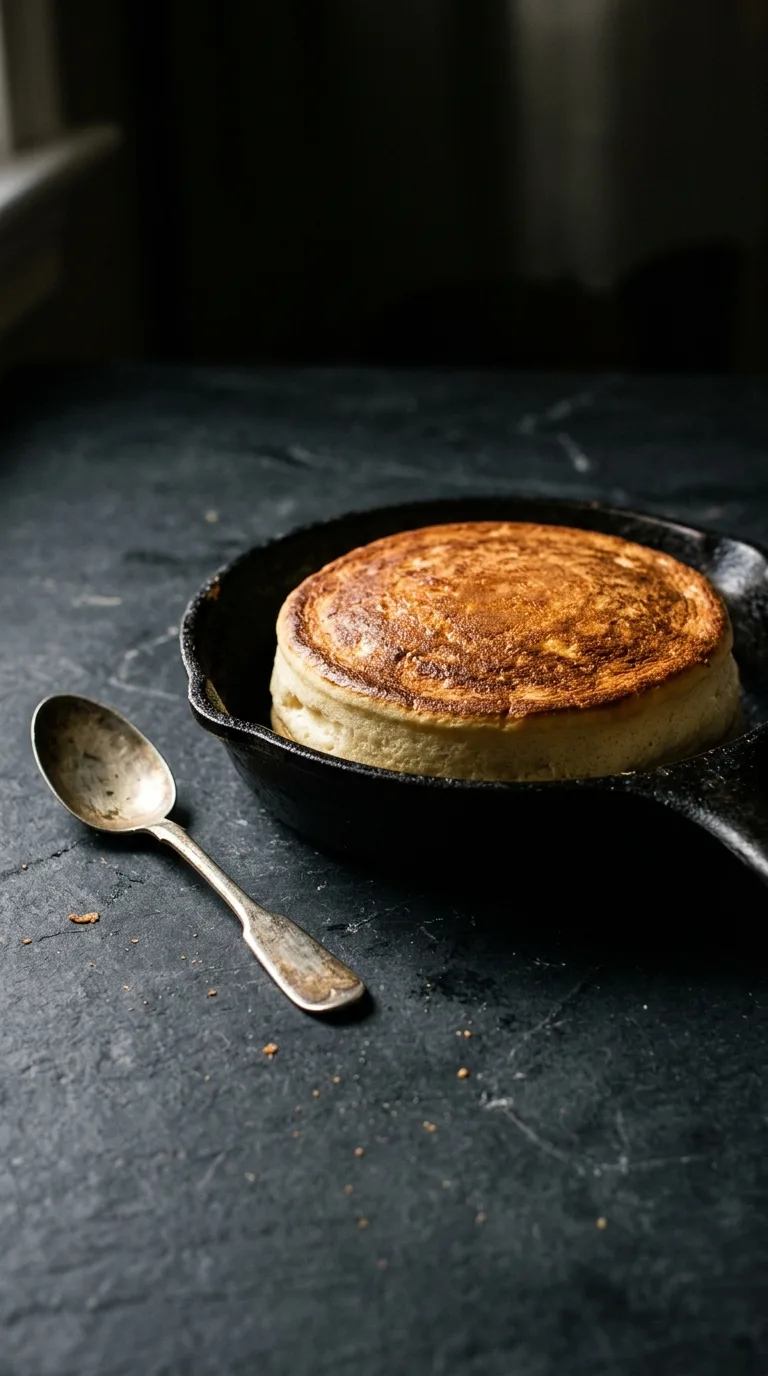
Cook for 4–5 minutes until bubbles form and edges look set. Lift the mould, flip the pancake, and cover with the lid again. Cook for 2–3 minutes until the top is golden brown.
-
Rest and serve
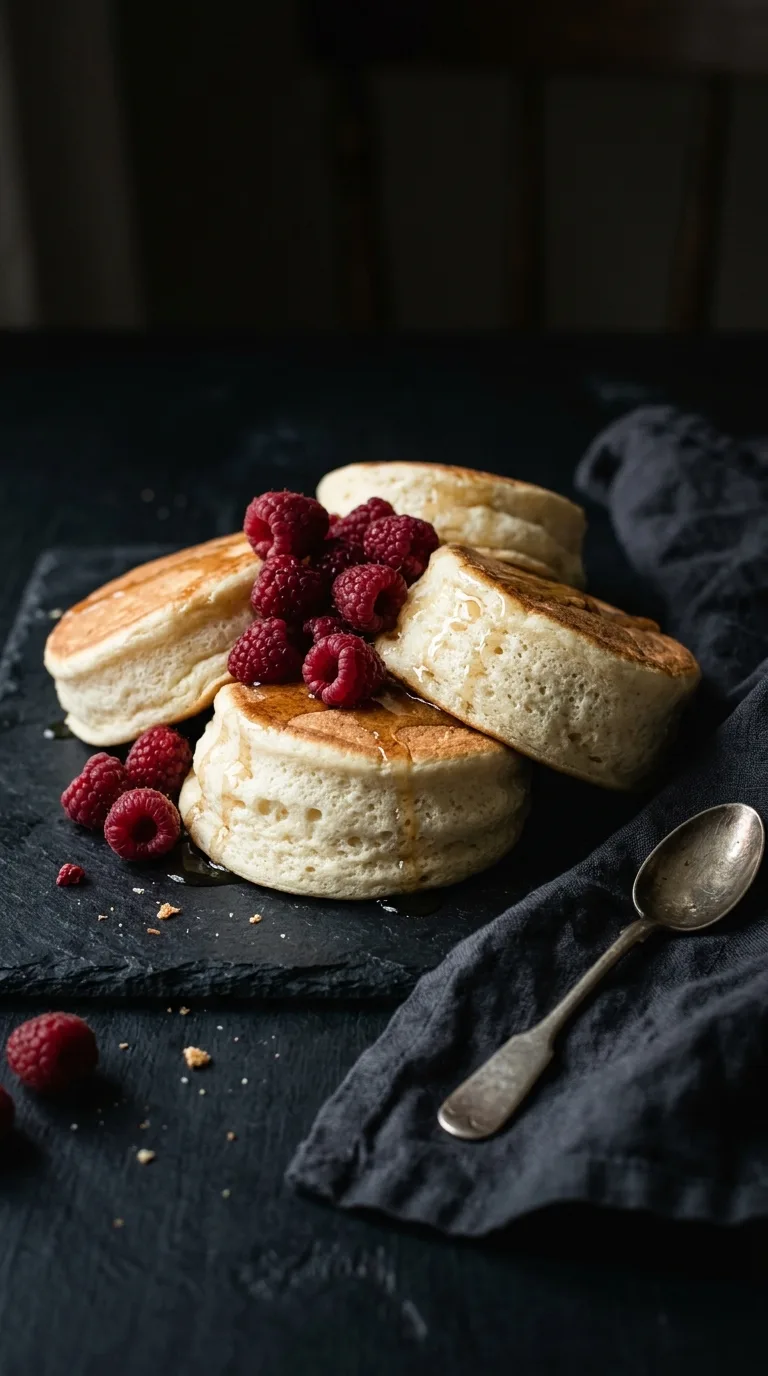
Remove the pancake from the pan. Let it rest for 1 minute so the structure sets before you slide it onto a plate. Repeat the process for the remaining batter.
Maintain a steady, low heat throughout the process. If the pan feels too hot, reduce it to 110–115°C (230–240°F). A high flame will burn the outside of the pancake before the centre is fully cooked, leaving you with a raw middle.
What goes wrong and why
Your pancakes may turn out dense if you whisk the meringue too vigorously. This collapses the air pockets needed for the souffle height. Spot this by checking the batter; if it looks liquid rather than fluffy, the air has escaped and the result will be flat.
What to serve with it
Pair these pancakes with fresh raspberries, sliced kiwi, and unsweetened whipped cream for a bright finish. You can also use low-carb maple syrup with a pinch of cinnamon or cocoa powder. For a more decadent dessert, add a light drizzle of chocolate-hazelnut sauce to the plate.
Storing and reheating
Keep leftover pancakes in an airtight container in the fridge for up to 2 days. To freeze, place them individually on parchment paper before stacking in a freezer bag for 4 weeks. Reheat in a skillet or microwave for 20 to 30 seconds until warm.
Nutrition per serving
- Calories
- 285
- Protein
- 12.0 g
- Carbs
- 10.0 g
- Fat
- 21.0 g
- Fiber
- 4.5 g
- Sugar
- 2.0 g
Estimated, and offered as a guide rather than a medical figure.
Made it? Rate it.
Questions people ask
Can I use a different flour blend?
No. The specific blend of almond and coconut flour provides the structure required for the souffle rise. Changing the proportions will alter the moisture absorption and may prevent the pancakes from holding their height in the ring mould.
Why are my pancakes burning on the outside?
Your pan temperature is too high. Reduce the heat to 110–115°C (230–240°F) to ensure the centre cooks through before the exterior browns. High heat sears the outside too quickly, leaving the middle raw.
What do I do if the batter is too thick to pour?
Add up to 10 ml of unsweetened almond milk or warm water. Whisk the liquid in gently to reach a pourable consistency. Do not overmix, as this will destroy the air bubbles created by the whipped egg whites.

About the author
Makeva
Makeva is a home‑cook who loves crafting approachable meals that balance flavor and nutrition. She specializes in quick weeknight dinners, hearty soups, and wholesome baked goods, sharing step‑by‑step guidance and practical tips. Readers can expect clear instructions, adaptable recipes, and a friendly tone that encourages confidence in the kitchen.