Coconut Flour Only Pancakes: Low-Carb Gluten-Free Breakfast
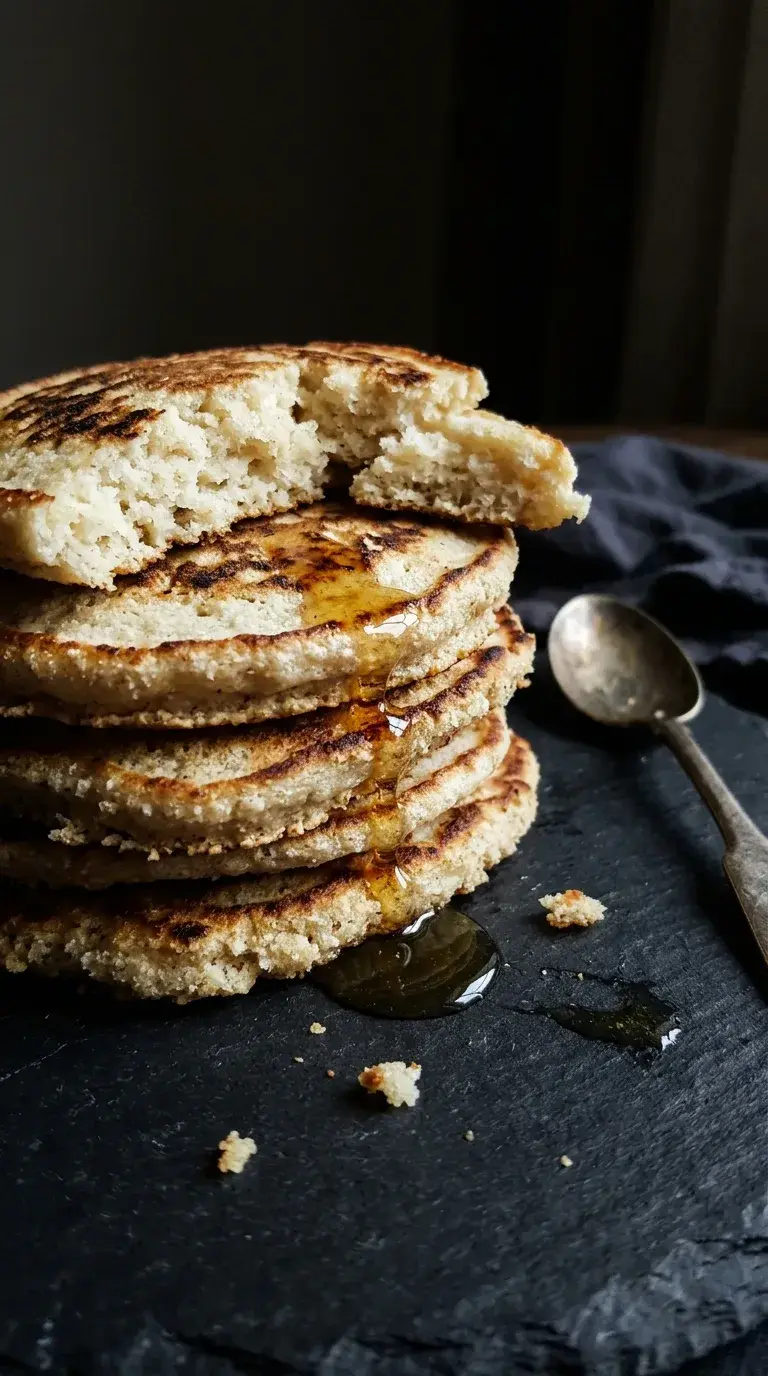
Most cooks rush the batter when making coconut flour only pancakes. They pour the mixture immediately into the pan, which produces a thin, grainy texture that splits during the flip. These pancakes then lack the structure needed to hold their shape.
These American-style pancakes are light and airy. When prepared correctly, they are wholesome, gluten-free, and low-carb. They provide a soft crumb and a subtle coconut flavour that pairs well with fresh berries or Greek yoghurt.
Let the batter rest for 5 minutes before cooking. You must do this so the flour can absorb the liquid. This pause ensures the batter thickens and the pancakes rise evenly in the skillet instead of spreading too thin.
Coconut Flour Only Pancakes: Low-Carb Gluten-Free Breakfast
Recipe cardIngredients
Instructions
-
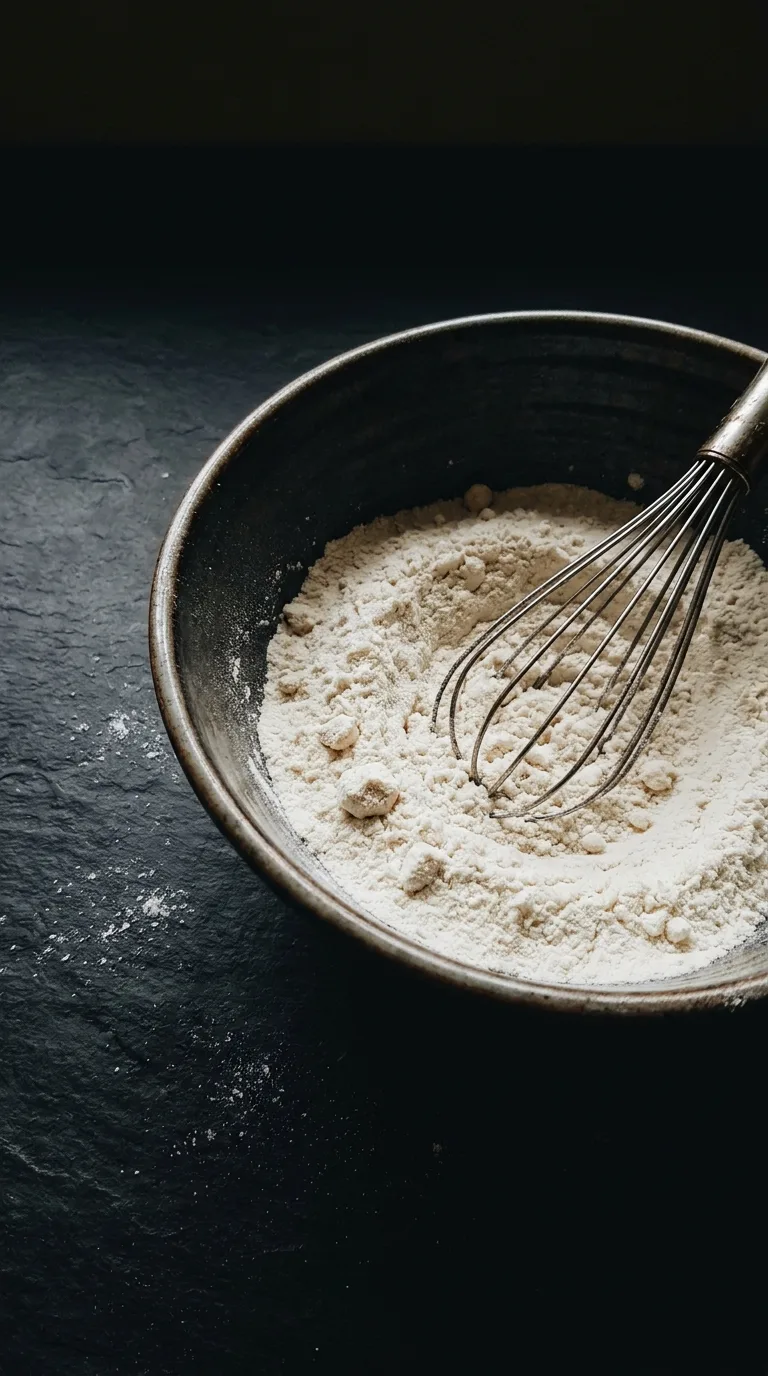
Mix the dry ingredients
Sift the coconut flour, baking powder and salt into a medium-size mixing bowl. Sifting removes lumps to ensure the batter is smooth. This prevents pockets of dry flour in the finished pancake.
-
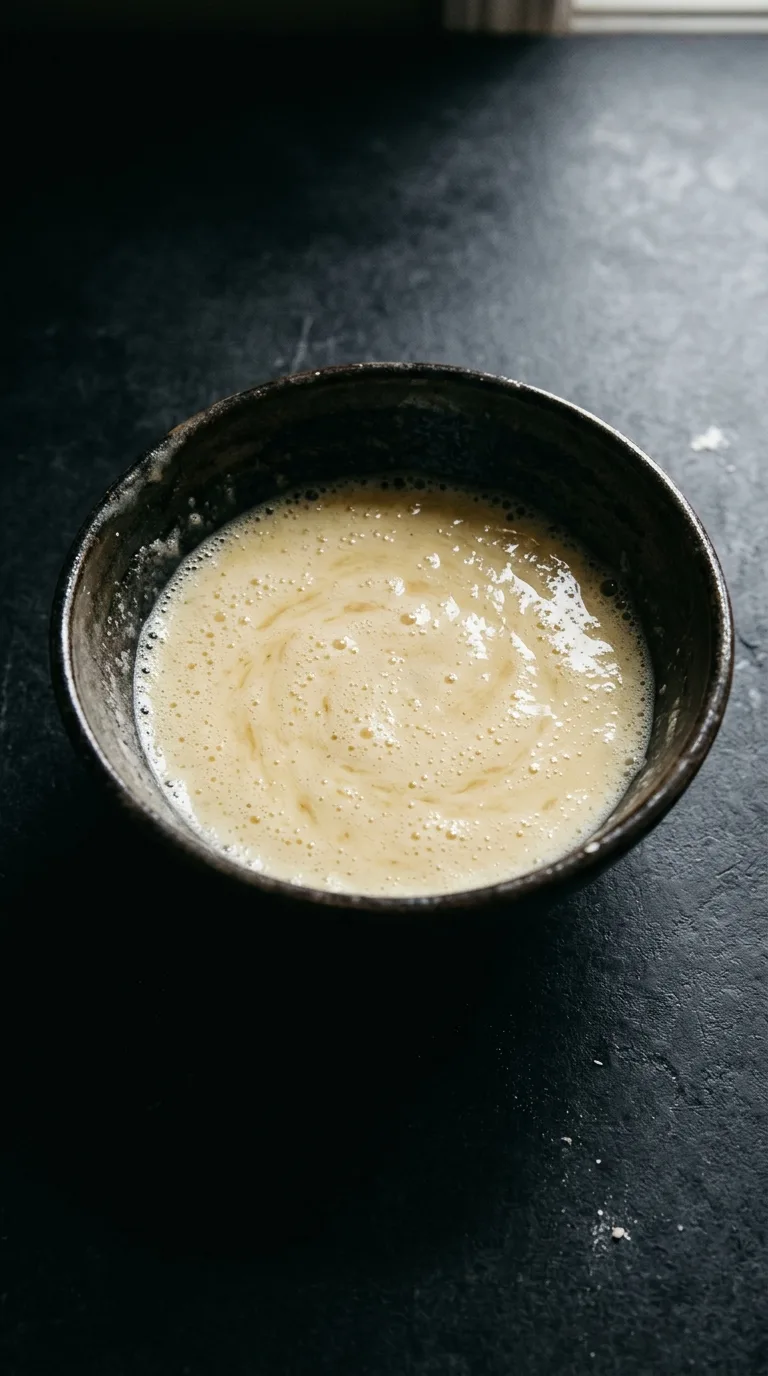
Whisk the wet ingredients
In a separate bowl, whisk the eggs, milk, vanilla extract and honey. Continue until the mixture is frothy. This incorporates air for a lighter texture.
-
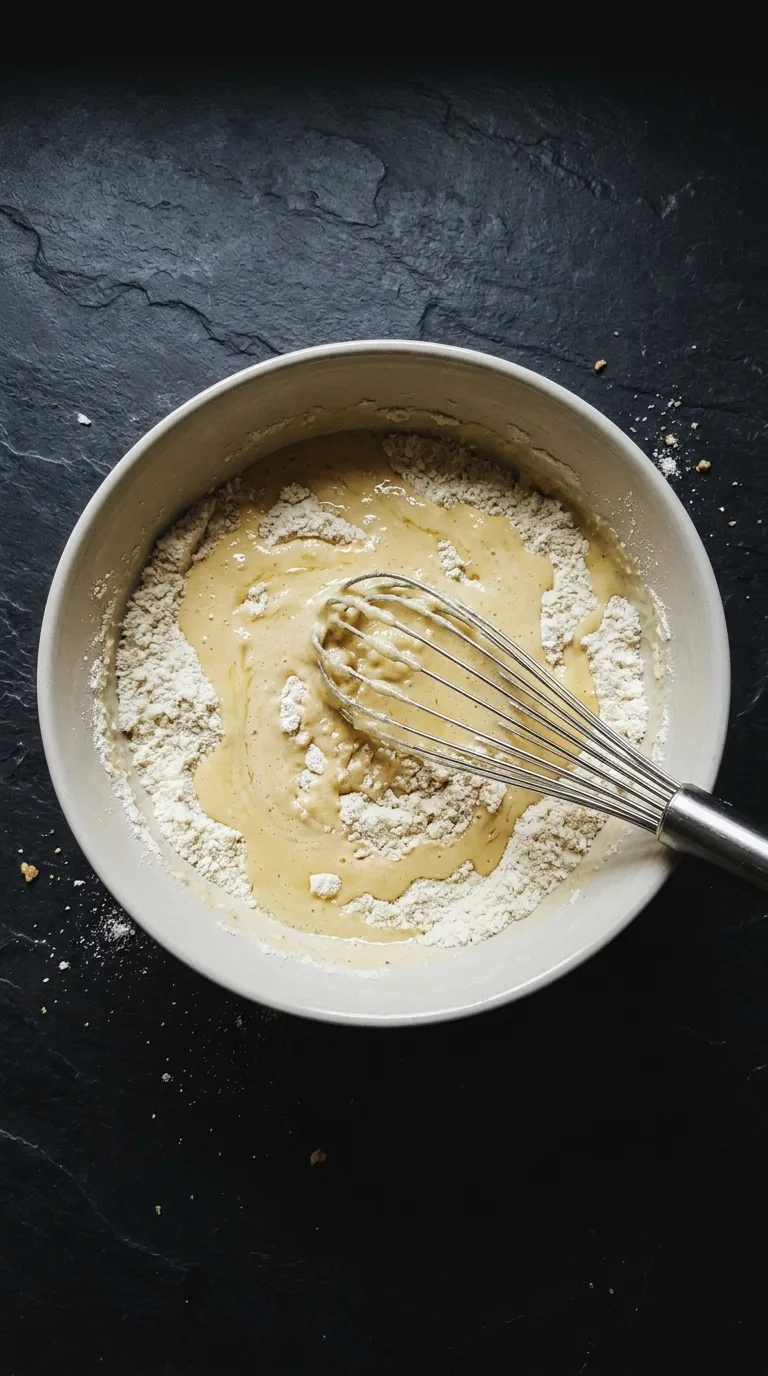
Combine into a batter
Pour the wet ingredients into the dry mixture. Whisk until a smooth batter forms. Ensure no clumps remain so the pancakes cook evenly.
-
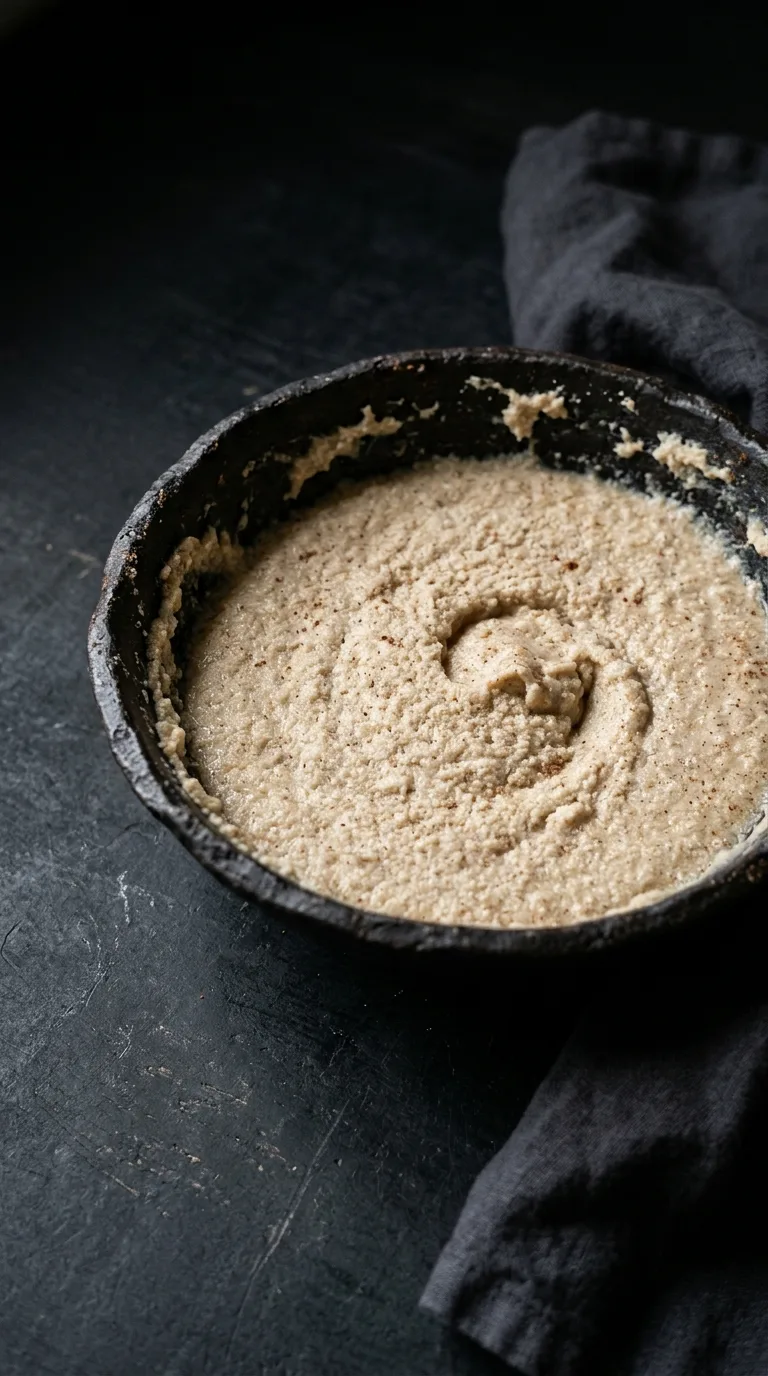
Rest the batter
Stir in the melted butter and optional cinnamon. Let the batter rest for 5 minutes. You do this so the coconut flour can fully absorb the liquid, which prevents the pancakes from being too wet.
-
Heat the skillet
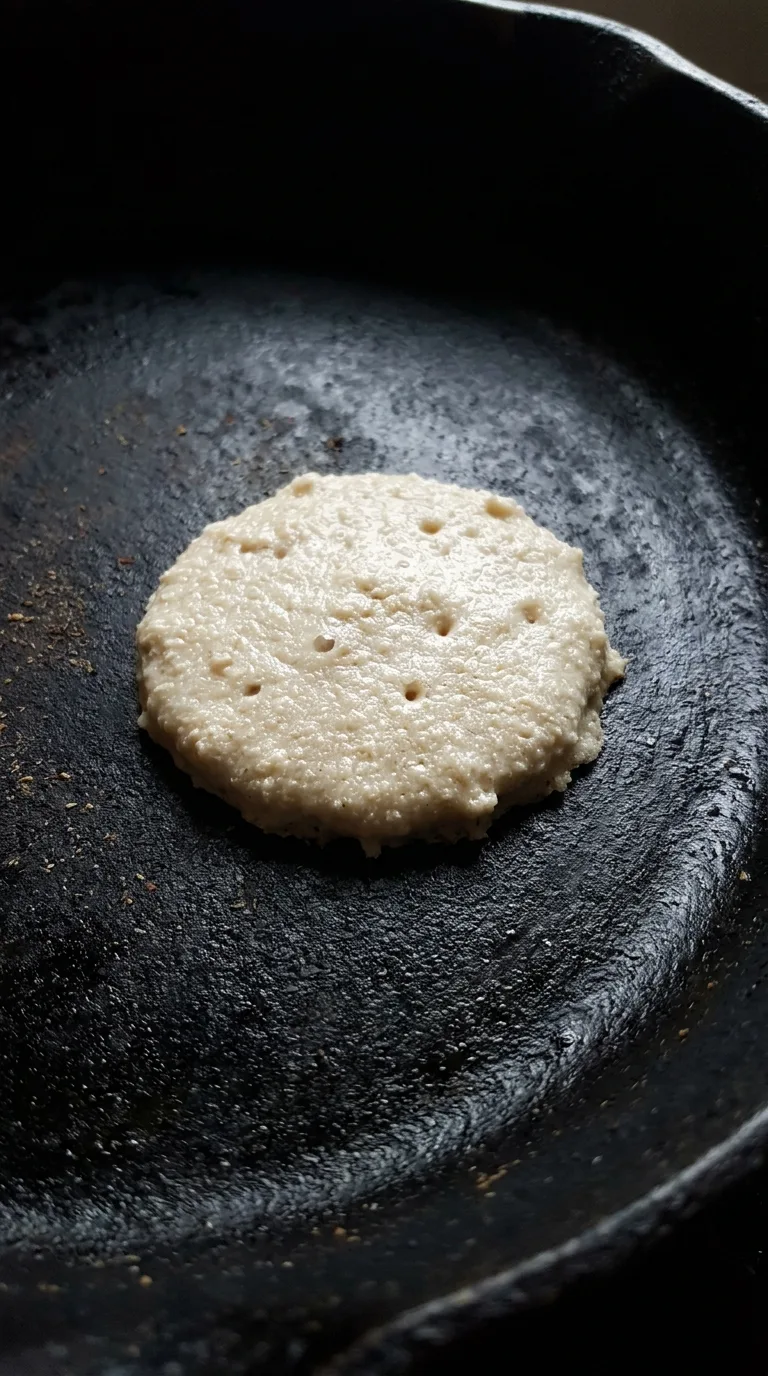
Heat a non-stick skillet over medium-low heat. Lightly grease the surface with a dab of butter or coconut oil. Drop a teaspoonful of batter into the pan to test it. The heat is correct if the batter spreads slowly and bubbles appear within a minute.
-
Cook the first side
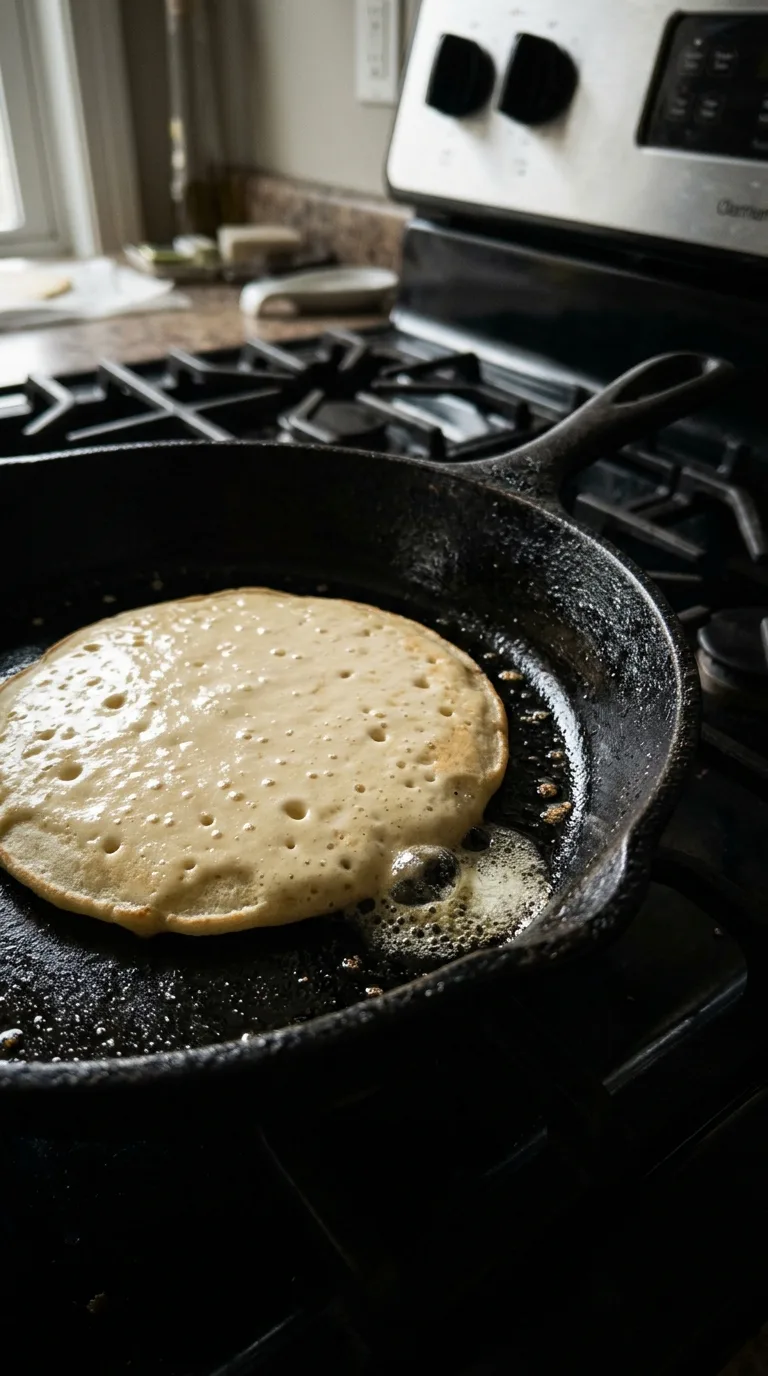
Pour 30 ml of batter into the skillet for each pancake. Cook for 2–3 minutes. You must wait until bubbles form and the edges look set before moving them.
-
Brown the second side
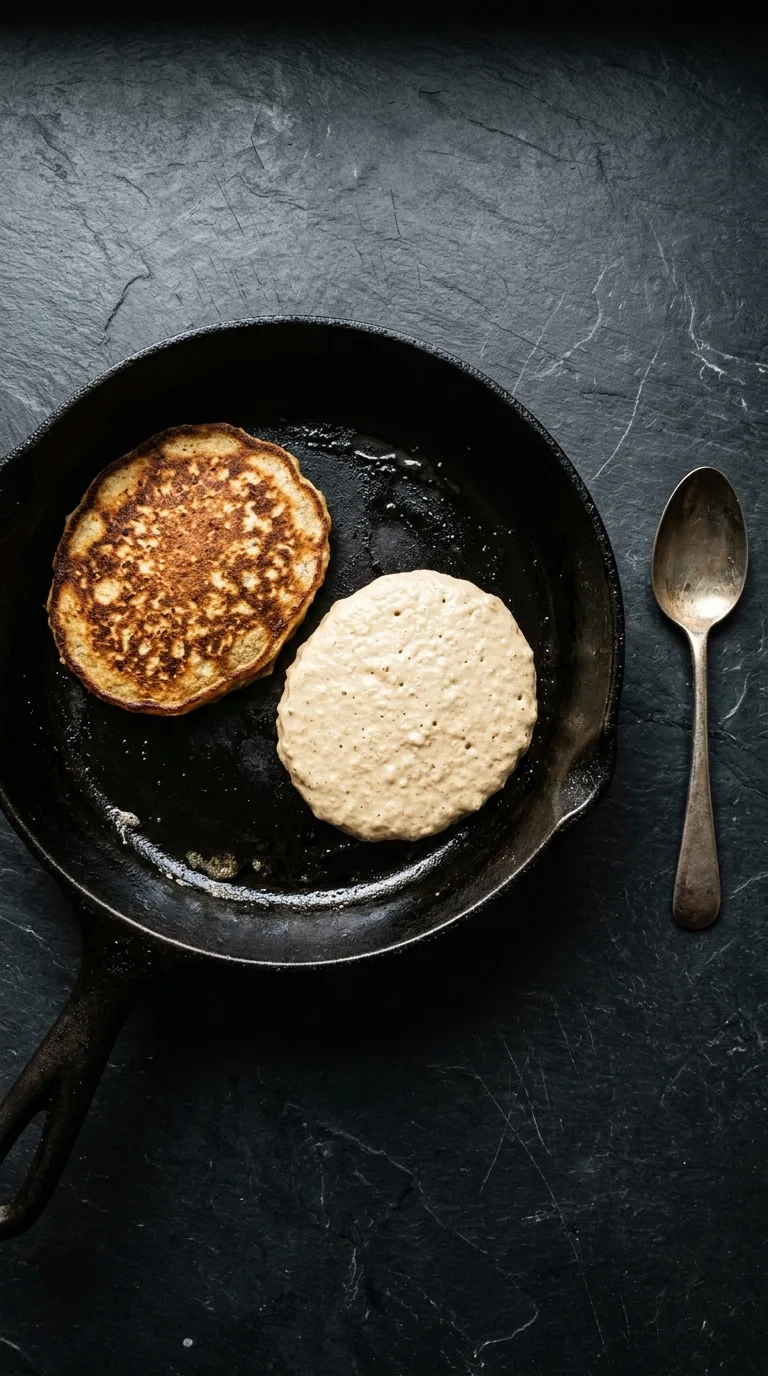
Flip the pancakes gently with a spatula. Cook for another 2–3 minutes. Remove them when they are golden brown and cooked through.
Watch the consistency of your batter after the rest period. If it seems too thick to pour, it will result in heavy, dense pancakes. Stir in a splash of milk (about 10 ml) to reach a pourable consistency before you start cooking.
What goes wrong and why
The batter may become too thick to pour because coconut flour absorbs liquid more aggressively than grain flours. Spot this if the mixture looks like a paste rather than a batter. Add 10 ml of milk to reach a pourable consistency so the pancakes spread evenly in the pan.
What to serve with it
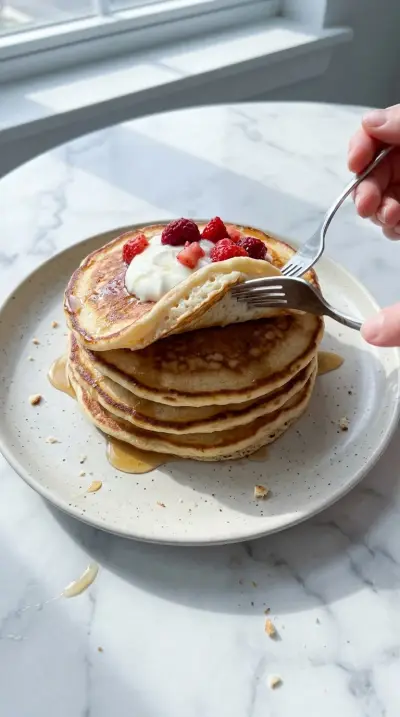
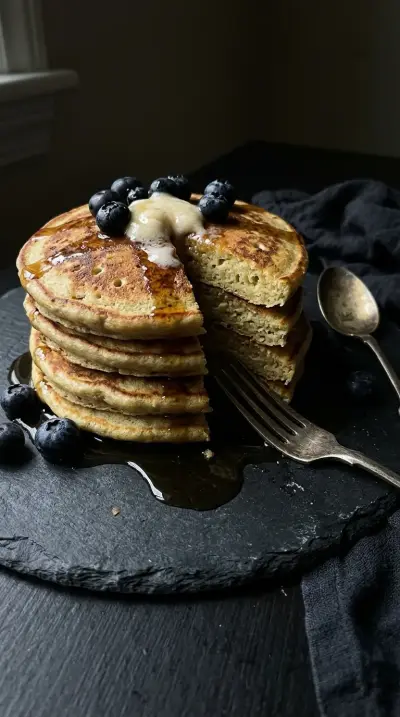
Top these pancakes with fresh berries, Greek yoghurt and honey for a low-GI meal. For a different flavour, use grated coconut and cinnamon. You can also serve them with sliced avocado and sea salt if you prefer a savoury breakfast option instead of a sweet one.
Storing and reheating
Store cooked pancakes in an airtight container in the fridge for up to 2 days. For longer storage, freeze individual pancakes in a single layer on parchment for up to 4 weeks. Reheat them in a toaster or a skillet to restore their texture before serving.
Nutrition per serving
- Calories
- 165
- Protein
- 6.2 g
- Carbs
- 8.4 g
- Fat
- 11.5 g
- Fiber
- 3.1 g
- Sugar
- 4.2 g
Estimated, and offered as a guide rather than a medical figure.
Made it? Rate it.
Questions people ask
Can you make pancakes with only coconut flour?
Yes. This recipe uses coconut flour as the sole dry base. You must include eggs and liquid to provide the structure and moisture that coconut flour lacks compared to wheat flour.
What happens if you use coconut flour instead of all-purpose flour?
The batter becomes much thicker and more absorbent. You cannot swap them one-for-one because coconut flour requires significantly more liquid and eggs to prevent the pancakes from becoming dry and crumbly.
Does coconut flour spike your blood sugar?
No. Coconut flour is high in fibre and low in carbohydrates, which helps slow the absorption of glucose. This makes it a suitable choice for those following low-carb or keto diets.

About the author
Makeva
Makeva is a home‑cook who loves crafting approachable meals that balance flavor and nutrition. She specializes in quick weeknight dinners, hearty soups, and wholesome baked goods, sharing step‑by‑step guidance and practical tips. Readers can expect clear instructions, adaptable recipes, and a friendly tone that encourages confidence in the kitchen.