Blackstone Griddle Pancakes: Fluffy Flat-Top Breakfast
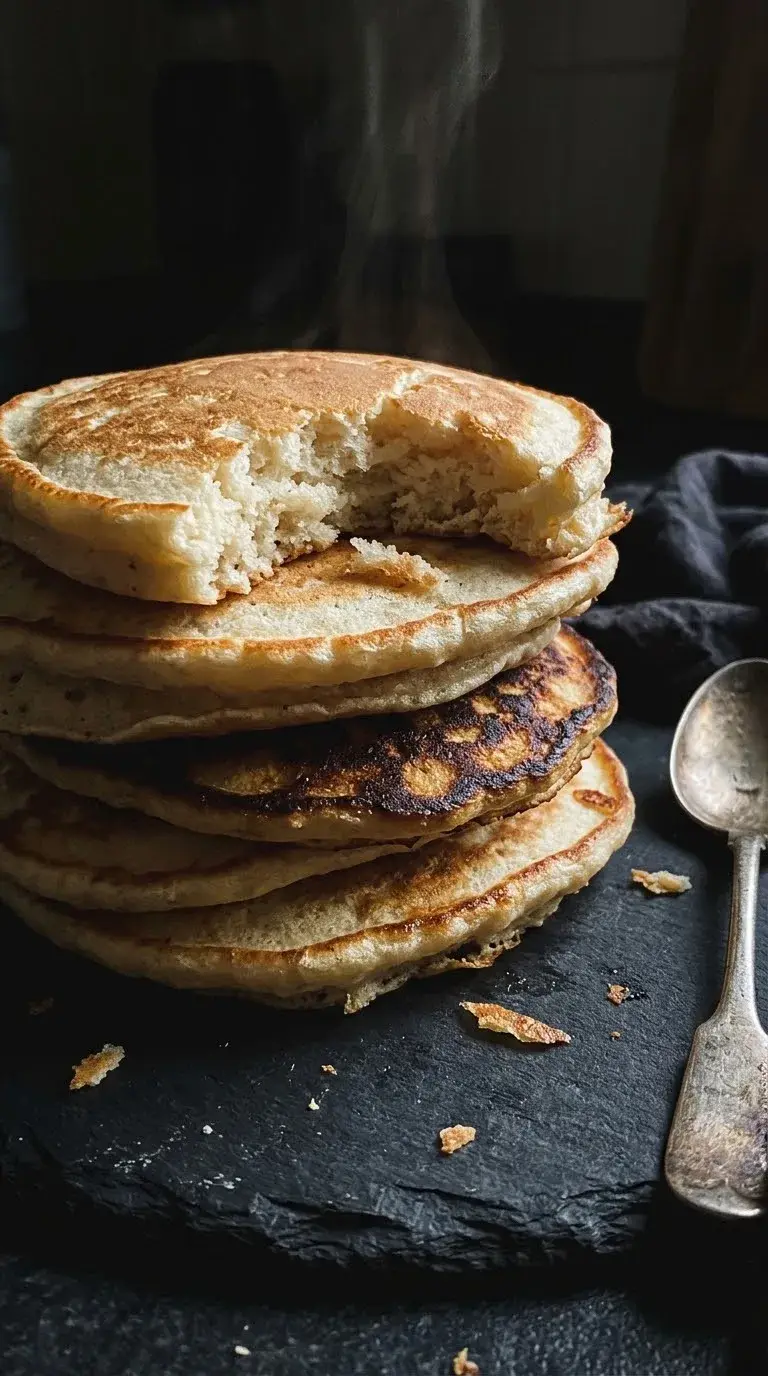
Most home cooks ruin blackstone griddle pancakes by pouring batter onto an overheated flat-top or stirring out every lump. High heat above 190°C (375°F) scorches the outer crust before the centre cooks through, while vigorous whisking develops gluten and leaves you with flat, rubbery discs instead of light rounds.
These American griddle pancakes use 350 ml buttermilk, baking powder, and bicarbonate of soda to build height on a wide steel cooking surface. The whole batch takes 28 minutes from start to finish and yields 12 golden rounds with crisp, buttery edges and an airy, springy interior.
Two quiet steps decide the texture before the batter ever touches the steel. Fold the wet and dry ingredients until small lumps remain, then let the mixture rest for 10 minutes while you verify with an infrared surface thermometer that your Blackstone flat-top sits steady at 175°C (350°F).
Blackstone Griddle Pancakes: Fluffy Flat-Top Breakfast
Recipe cardIngredients
Watch how it's made
Instructions
-
Whisk the dry ingredients
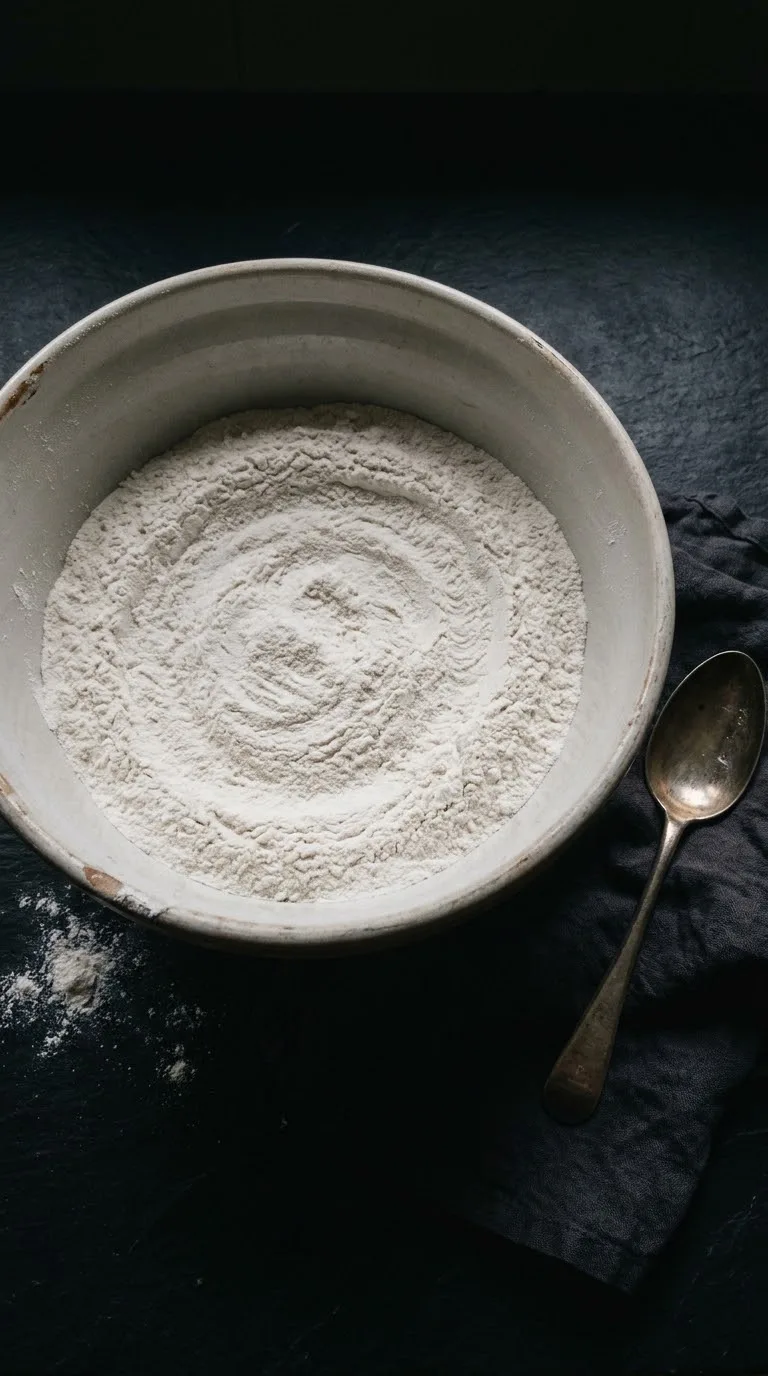
Combine the 250 g plain flour, 2 tbsp caster sugar, 2 tsp baking powder, 1 tsp bicarbonate of soda, and 0.5 tsp fine sea salt in a large mixing bowl. Whisk thoroughly until the leaveners and salt disperse evenly throughout the flour so every pancake rises at the same rate.
-
Blend the wet ingredients
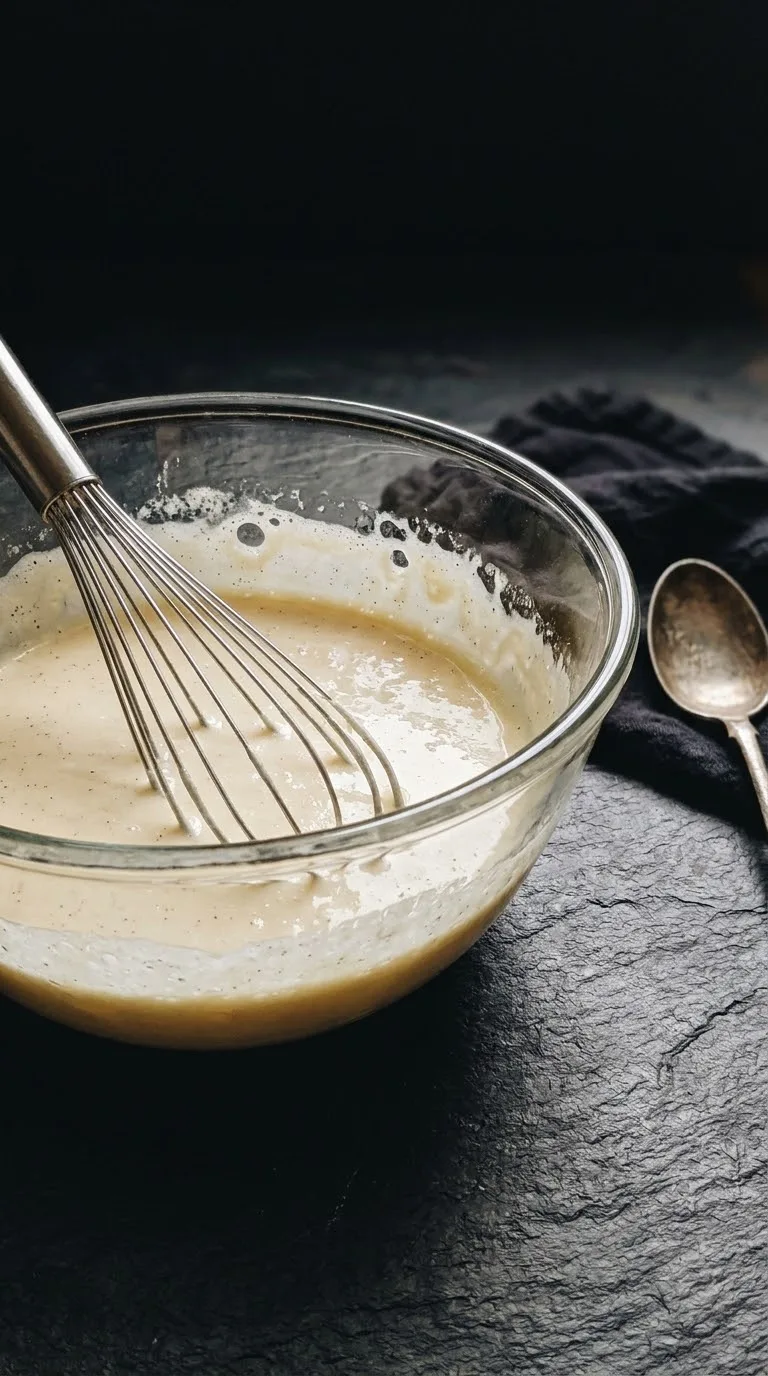
Whisk the 350 ml room-temperature buttermilk, 2 large eggs, 45 g slightly cooled melted butter, and 1 tsp halal vanilla bean paste in a medium mixing bowl until smooth. Using room-temperature dairy and eggs prevents the melted butter from seizing into hard clumps before it meets the flour.
-
Fold and rest the batter
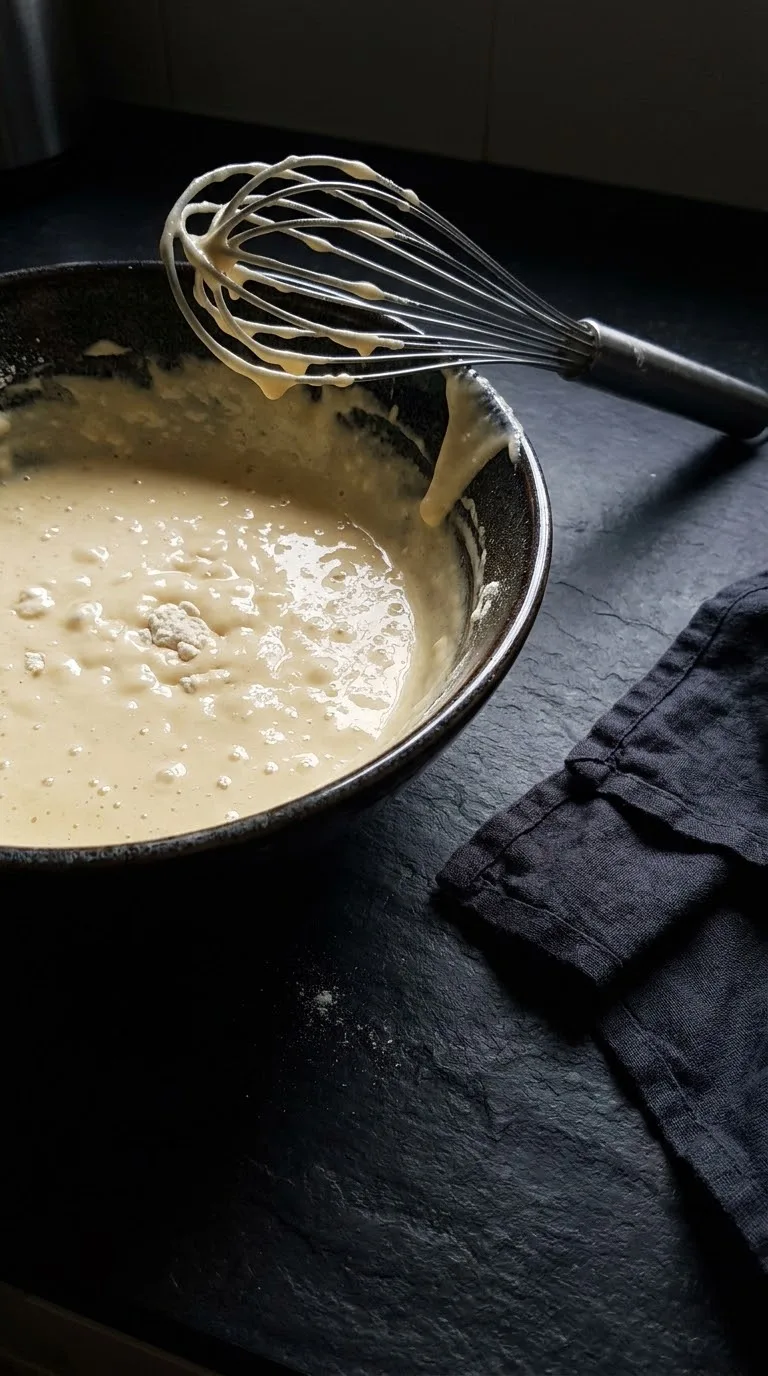
Pour the wet mixture into the dry ingredients and gently fold with a whisk or spatula until just combined, leaving small lumps in the batter. Overmixing develops gluten and makes the pancakes tough. Let the batter rest at room temperature for 10 minutes so the flour hydrates and the leaveners begin to activate.
-
Preheat the Blackstone flat-top
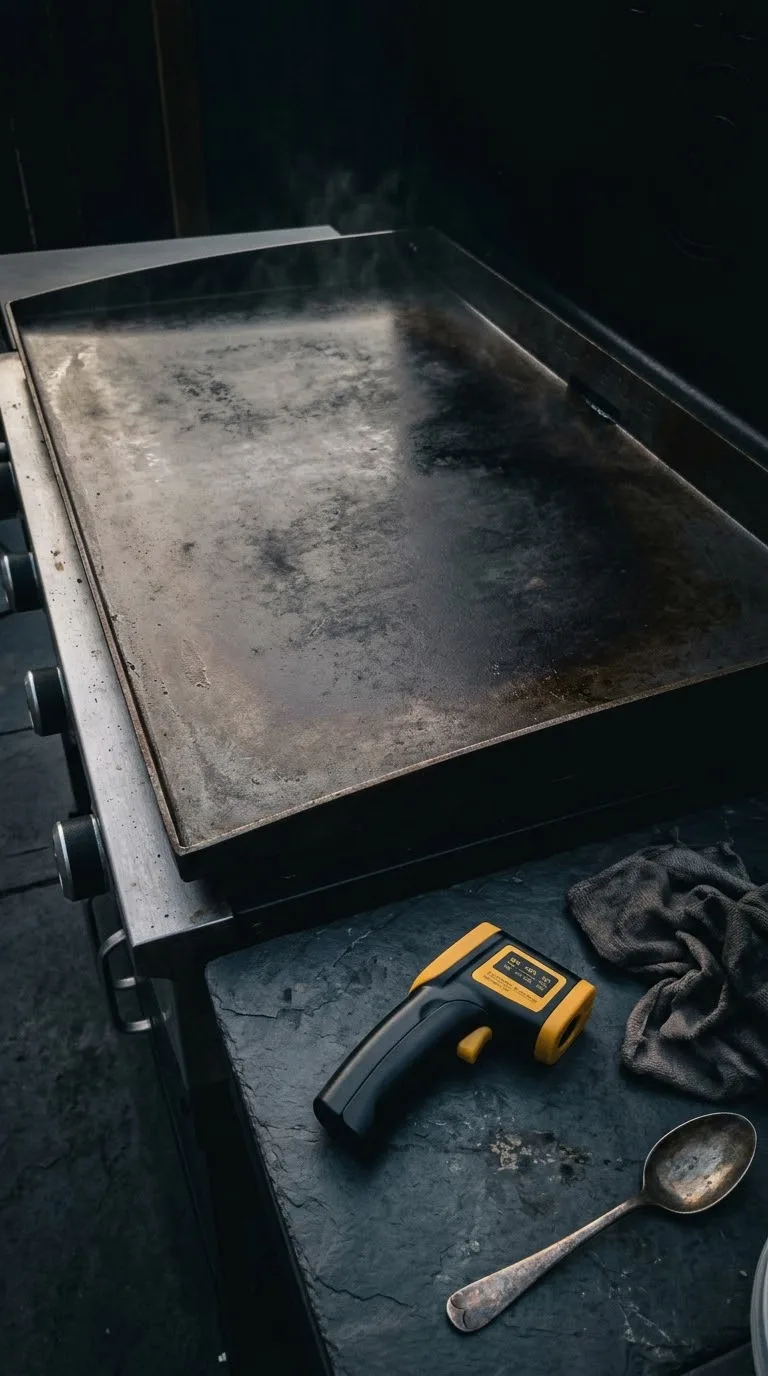
While the batter rests, ignite your Blackstone griddle and turn all burners to low. Preheat the steel plate until the surface reaches 175°C (350°F), checking multiple zones with an infrared surface thermometer so you avoid hot spots that scorch the crust.
-
Grease the cooking surface
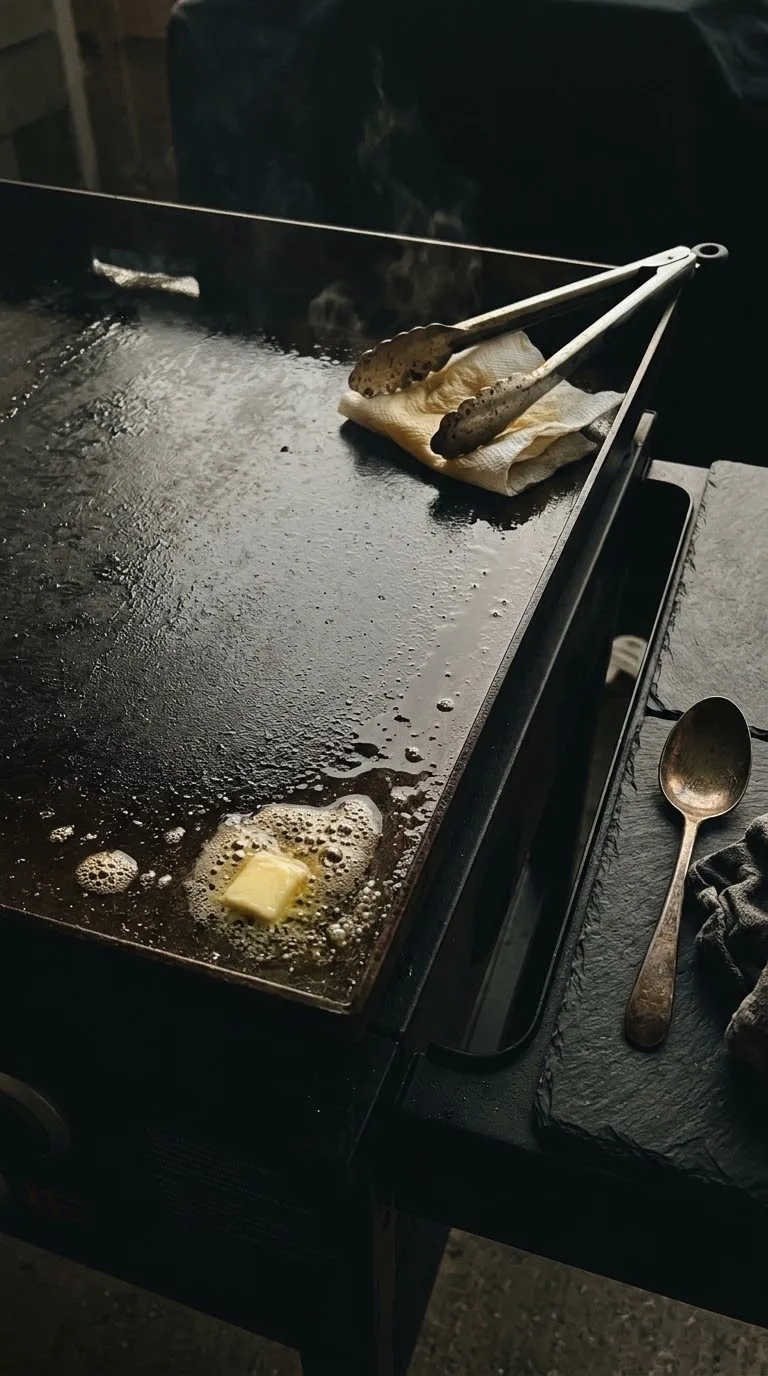
Place 1 tbsp of the greasing butter and 0.5 tbsp of the vegetable oil onto the hot Blackstone flat-top. Use a folded paper towel held with tongs to wipe a thin, even sheen across the metal; blending oil with the butter raises the smoke point so the milk solids brown instead of burning.
-
Ladle and cook first side
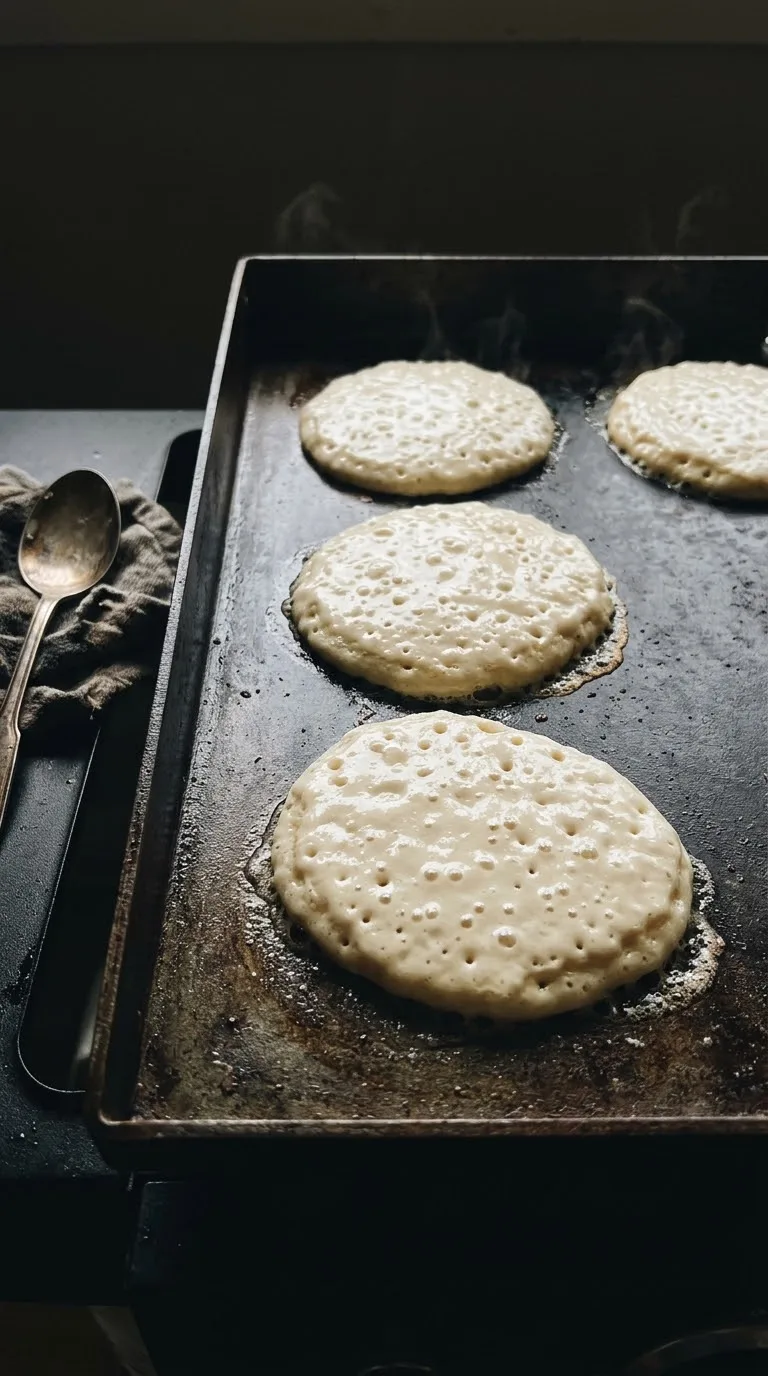
Portion 80 ml of rested batter onto the greased griddle for each pancake, leaving at least 5 cm (2 in) between rounds so they can expand and give your spatula room to slide underneath. Cook undisturbed for 2 to 3 minutes until bubbles cover the surface, the edges look dry and set, and the bottoms turn deep golden brown.
-
Flip and finish cooking
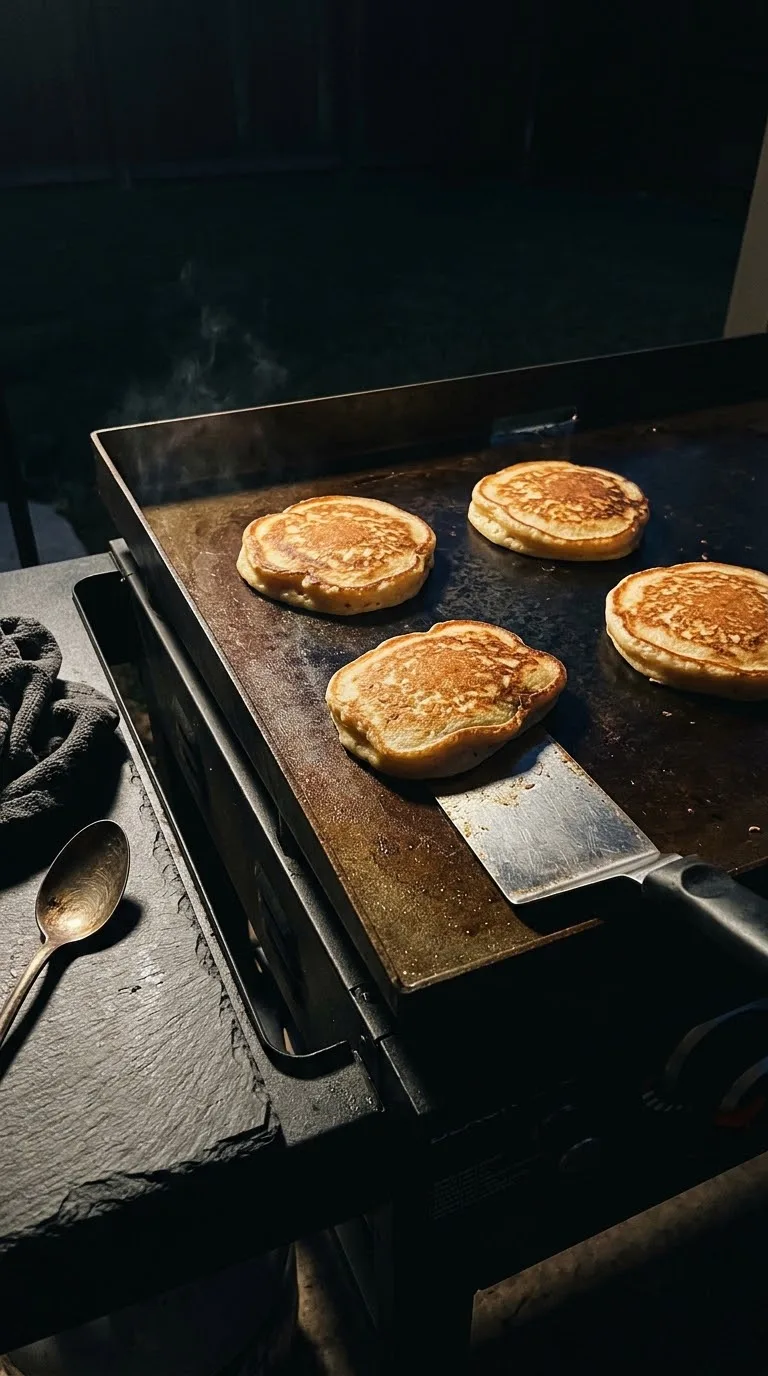
Slide a wide metal griddle spatula cleanly beneath each pancake and turn it over in one confident motion. Cook the second side for 2 minutes until the pancakes puff up, feel springy when pressed lightly in the centre, and turn golden brown underneath, resisting any urge to press down with your spatula.
-
Serve and repeat batches
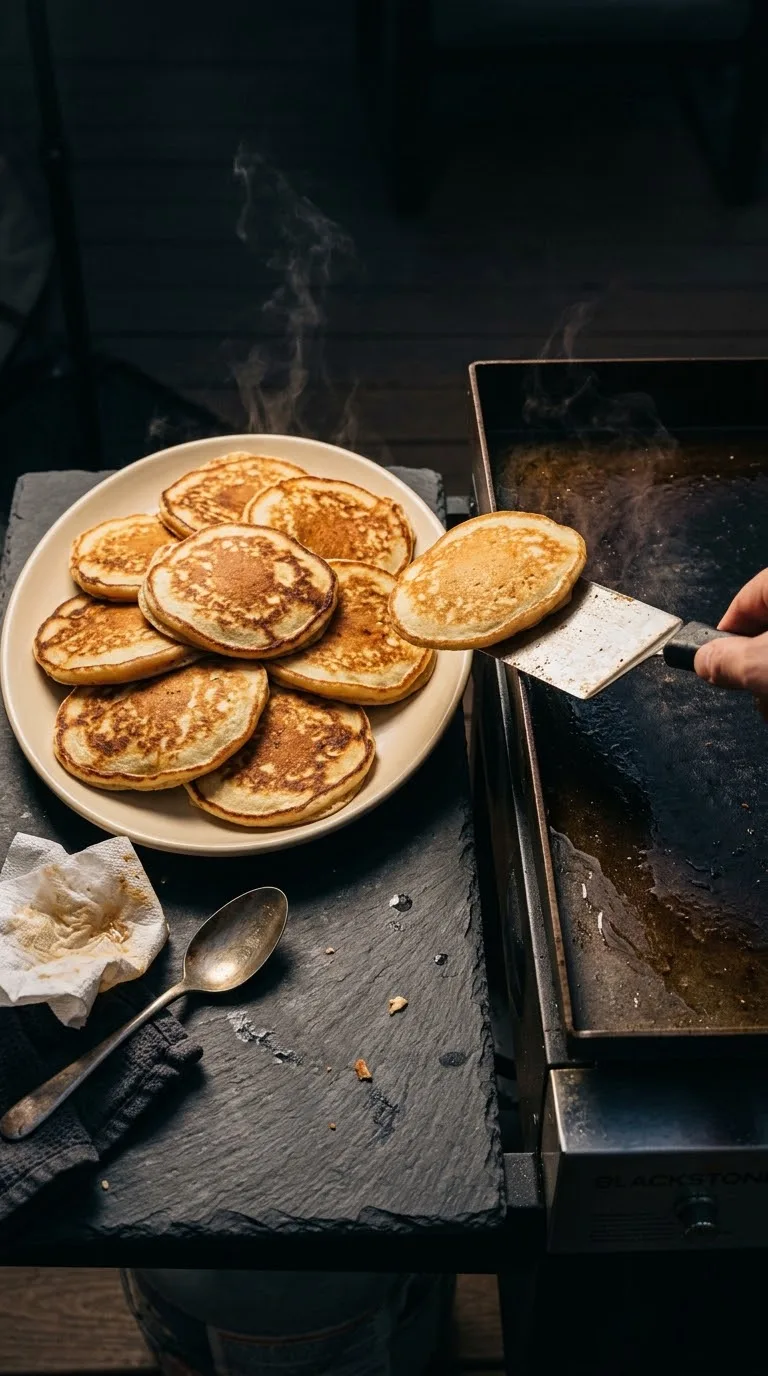
Transfer the finished pancakes to a warm platter and wipe the Blackstone surface clean with a paper towel. Grease the steel with the remaining 1 tbsp unsalted butter and 0.5 tbsp vegetable oil, then cook the rest of the batter and serve immediately while hot.
Outdoor Blackstone griddles often run hotter than expected even on the lowest burner setting. Always check the plate with an infrared surface thermometer before pouring batter, because anything above 190°C (375°F) burns the outside dark brown before the centre cooks through.
What goes wrong and why
Overheated steel and overmixed batter ruin blackstone griddle pancakes faster than anything else. Surface temperatures above 190°C (375°F) burn the crust before the centre cooks, while vigorous stirring develops tough gluten. Check the plate with an infrared surface thermometer before ladling, and stop folding while small flour lumps remain visible.
What to serve with it
Serve the hot pancakes with salted butter, warm pure maple syrup, fresh blueberries, and sliced strawberries. For a savoury plate, cook crispy halal beef rashers and scrambled eggs beside them on the flat-top. You can also drizzle warm honey over the stack and finish with toasted chopped pecans and a dusting of icing sugar.
Storing and reheating
Keep leftover pancakes in an airtight container in the refrigerator for up to 3 days, or at room temperature for up to 1 day. For longer storage, cool them completely, layer baking parchment between each round inside a freezer-safe zip-top bag, and freeze for up to 2 months before reheating in a toaster or on a warm Blackstone griddle.
Nutrition per serving
- Calories
- 150
- Protein
- 4.2 g
- Carbs
- 20.5 g
- Fat
- 5.8 g
- Fiber
- 0.7 g
- Sugar
- 3.8 g
Estimated, and offered as a guide rather than a medical figure.
Made it? Rate it.
Questions people ask
Can I add blueberries or chocolate chips to the batter?
Yes. Stir the grated zest of 1 lemon into the batter and scatter 150 g fresh blueberries onto the wet rounds right after ladling, or fold in 100 g halal dark chocolate chips at the end and lower the griddle to 165°C (325°F) so the chocolate does not scorch.
Why does the recipe mix vegetable oil with butter on the griddle?
Blending 1 tablespoon vegetable oil with 2 tablespoons unsalted butter raises the smoke point of the cooking fat. You keep the rich dairy flavour and crisp golden edges from the butter without the milk solids burning on the hot steel plate.
Should I press the pancakes flat with my spatula after flipping?
No. Pressing down after flipping forces out the trapped carbon dioxide pockets created by the buttermilk and bicarbonate of soda, collapsing the crumb into a dense, flat disc instead of a light, springy pancake.

About the author
Makeva
Makeva is a home‑cook who loves crafting approachable meals that balance flavor and nutrition. She specializes in quick weeknight dinners, hearty soups, and wholesome baked goods, sharing step‑by‑step guidance and practical tips. Readers can expect clear instructions, adaptable recipes, and a friendly tone that encourages confidence in the kitchen.