Stovetop Protein Oatmeal: Hearty High-Protein Breakfast
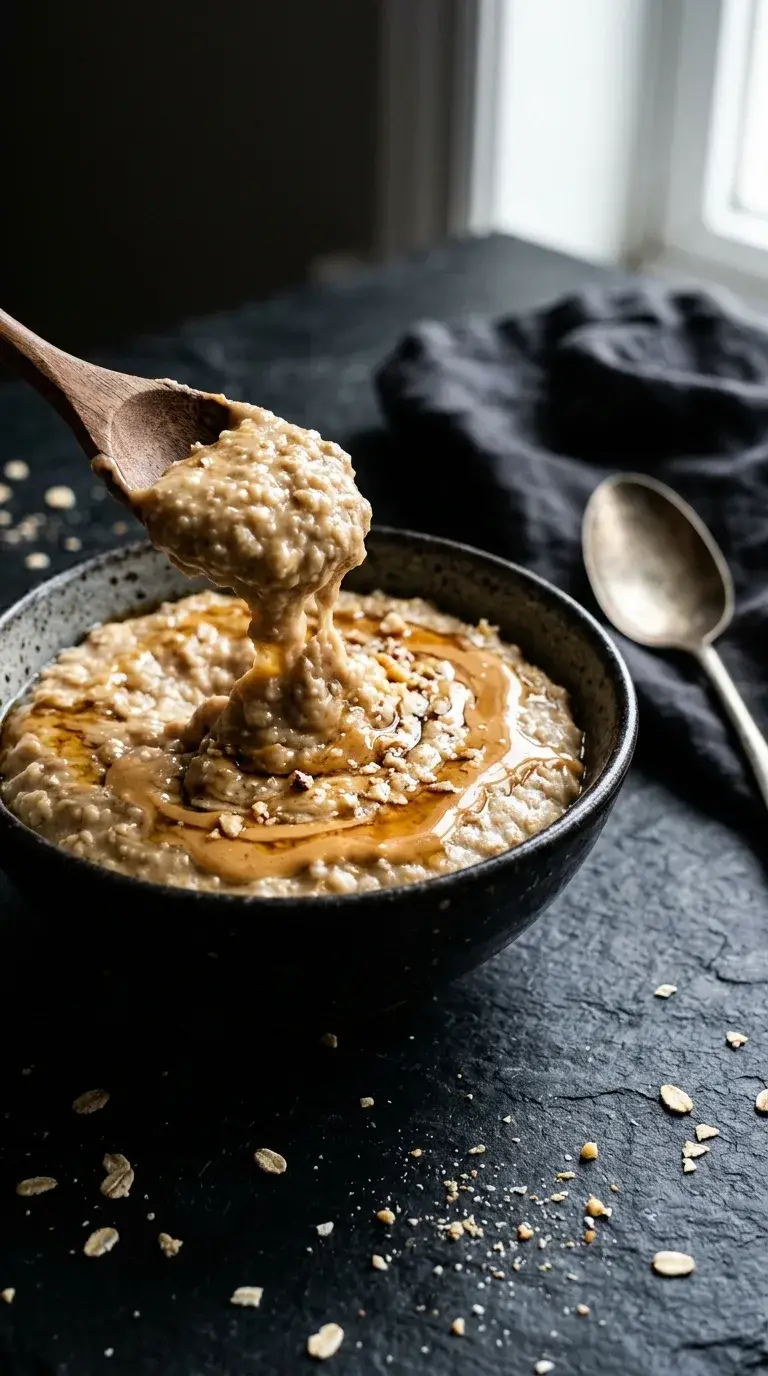
Standard porridge relies on water or milk to soften the grains over a slow heat. This version of stovetop protein oatmeal introduces a concentrated protein powder to increase the nutritional value without adding significant cooking time. You use a medium saucepan to simmer the rolled oats until they absorb the liquid. This method allows you to control the thickness of the porridge more precisely than microwave options, ensuring a consistent texture every time.
The result is a smooth, creamy porridge that feels substantial. You must lower the heat and whisk in the protein powder in a slow, steady stream. This specific technique prevents the powder from forming foamy clumps in the hot liquid. Adding a pinch of sea salt at the end sharpens the overall flavour. If you choose, folding in 15 g of peanut butter adds a rich density to the final bowl.
Stovetop Protein Oatmeal: Hearty High-Protein Breakfast
Recipe cardIngredients
Watch how it's made
Instructions
-
Combine the base
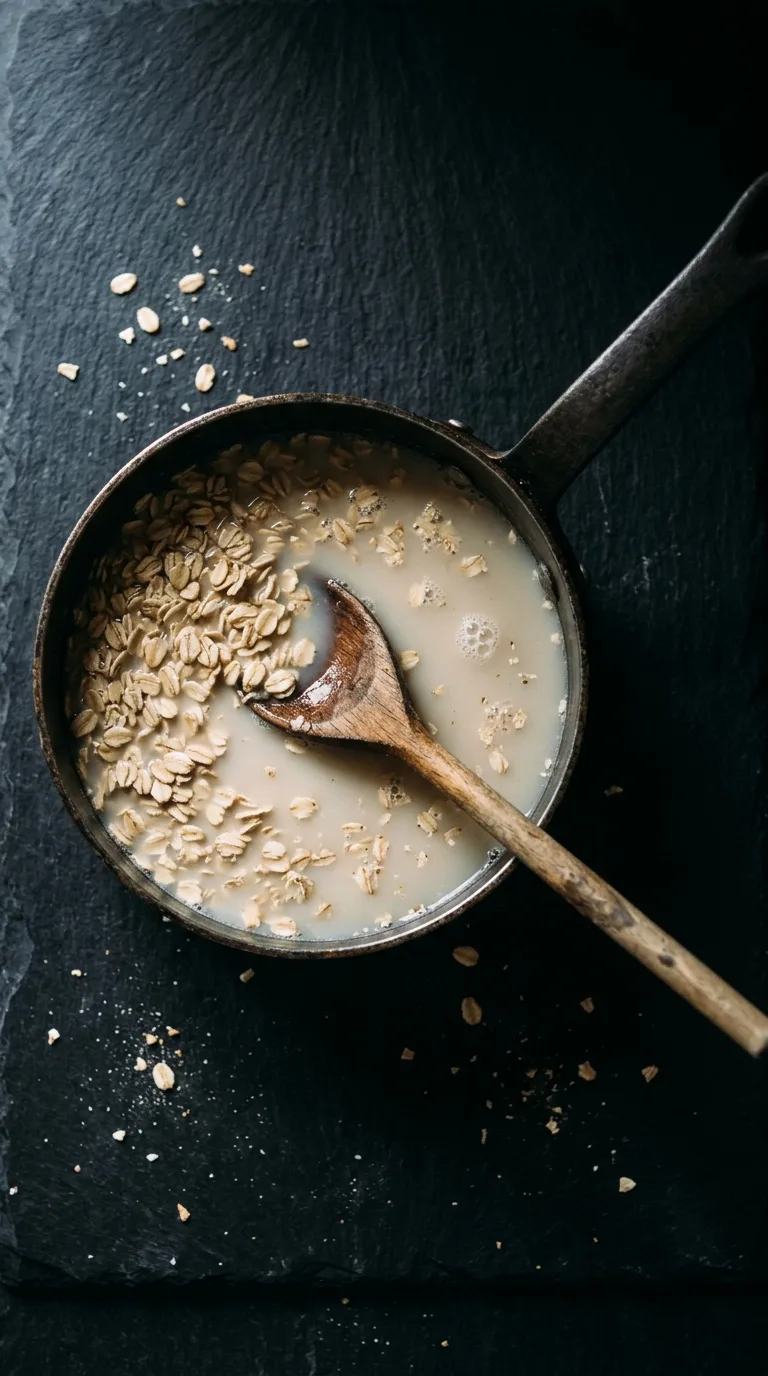
Put the rolled oats, water and almond milk in the saucepan. Stir to mix. This ensures the oats hydrate evenly.
-
Simmer the oats
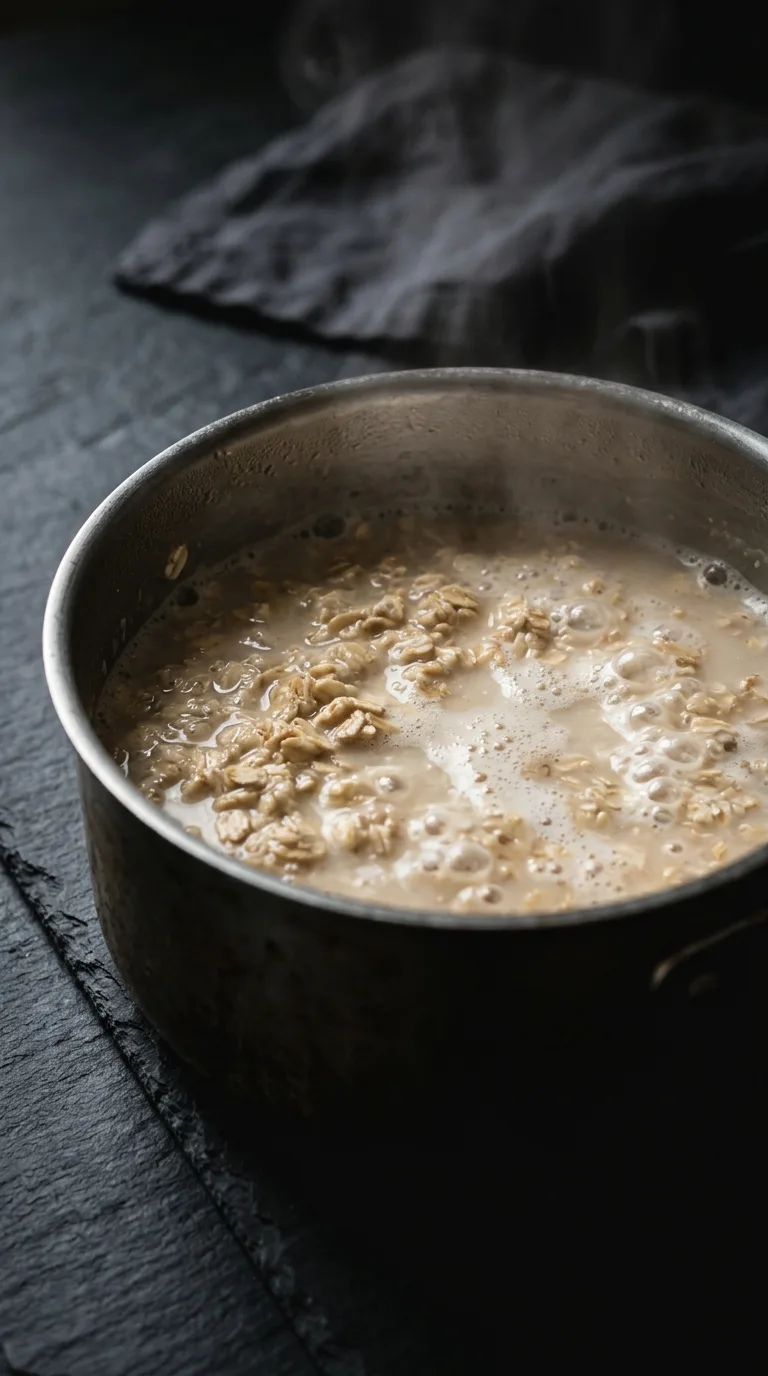
Place the saucepan over medium heat. Bring the liquid to a gentle simmer at around 80°C (176°F).
-
Cook until thick
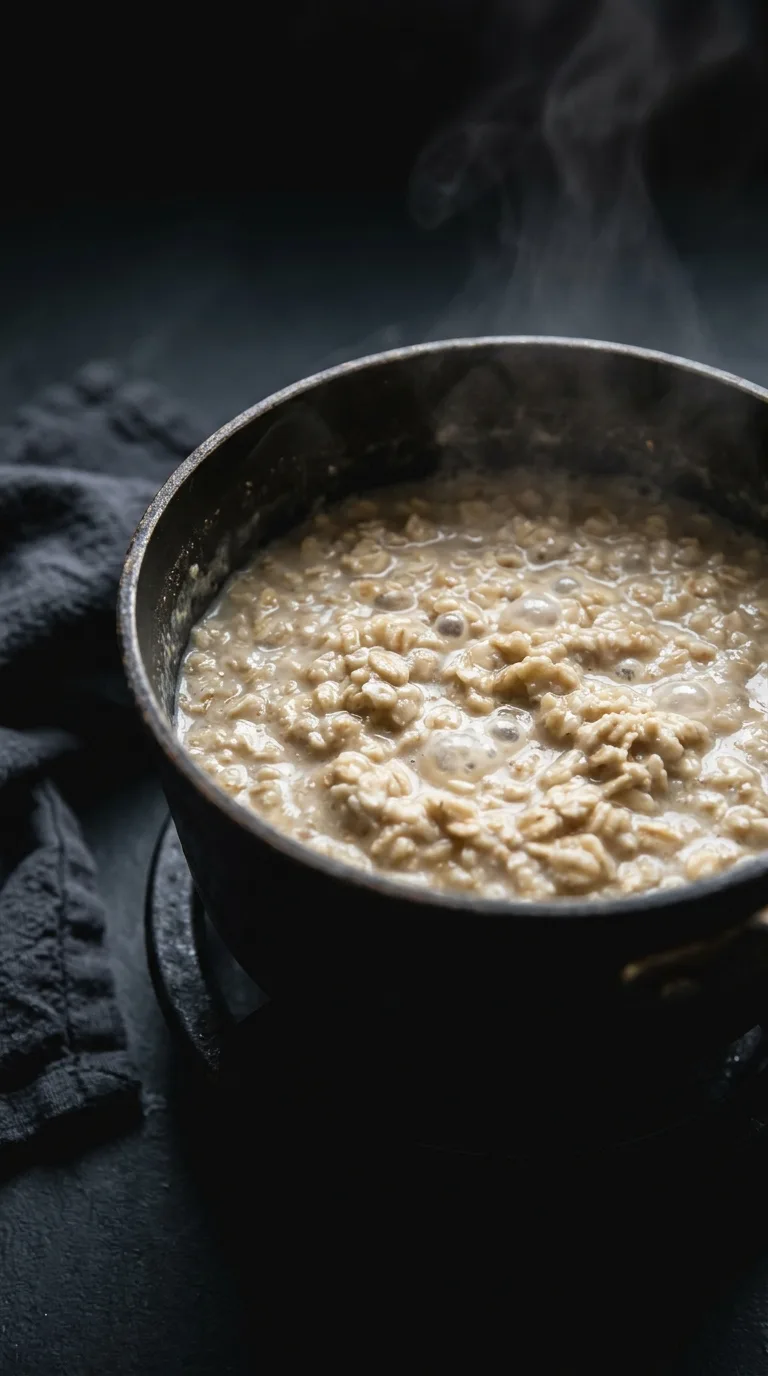
Stir occasionally for 6–7 minutes. The oats should absorb most of the liquid and become thick but still pourable.
-
Whisk in protein
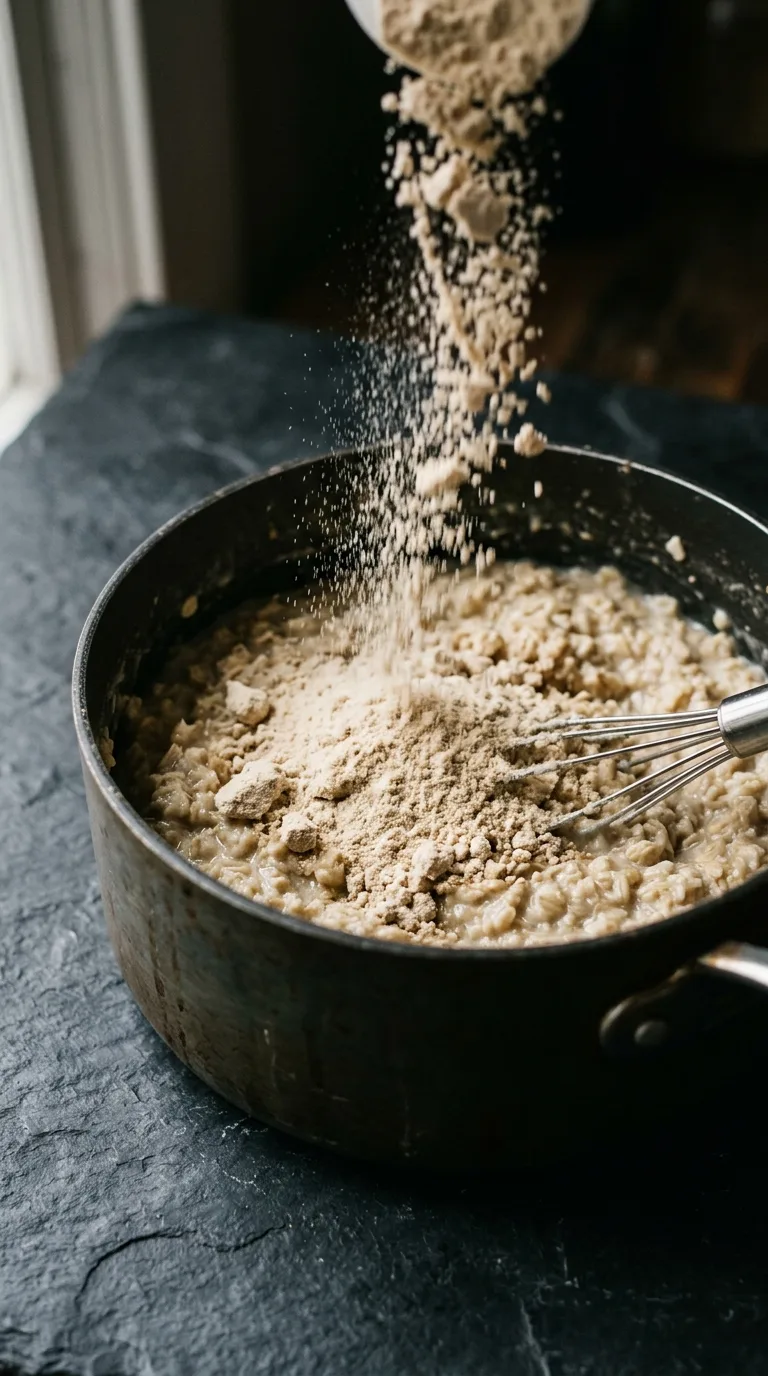
Lower the heat to low. Whisk in the protein powder in a slow, steady stream to avoid clumping.
-
Smooth the texture
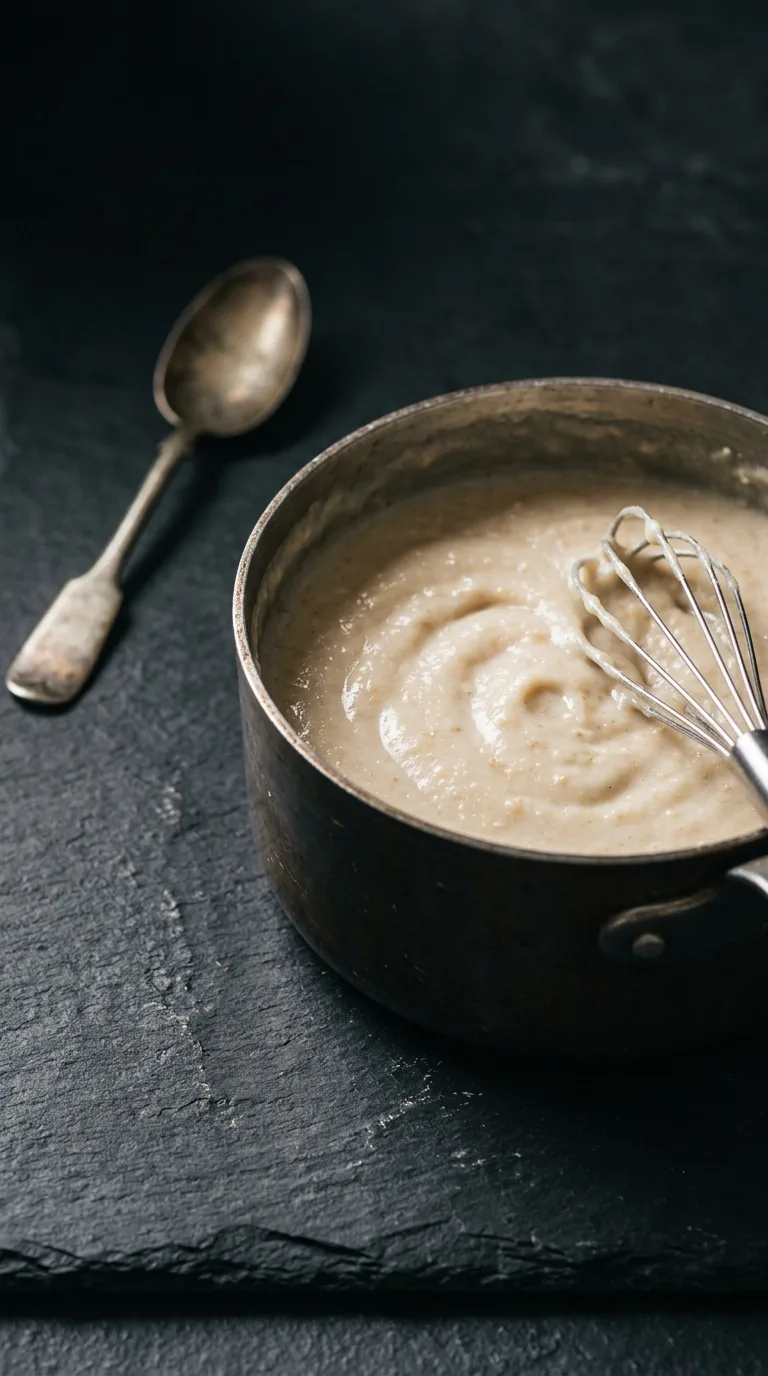
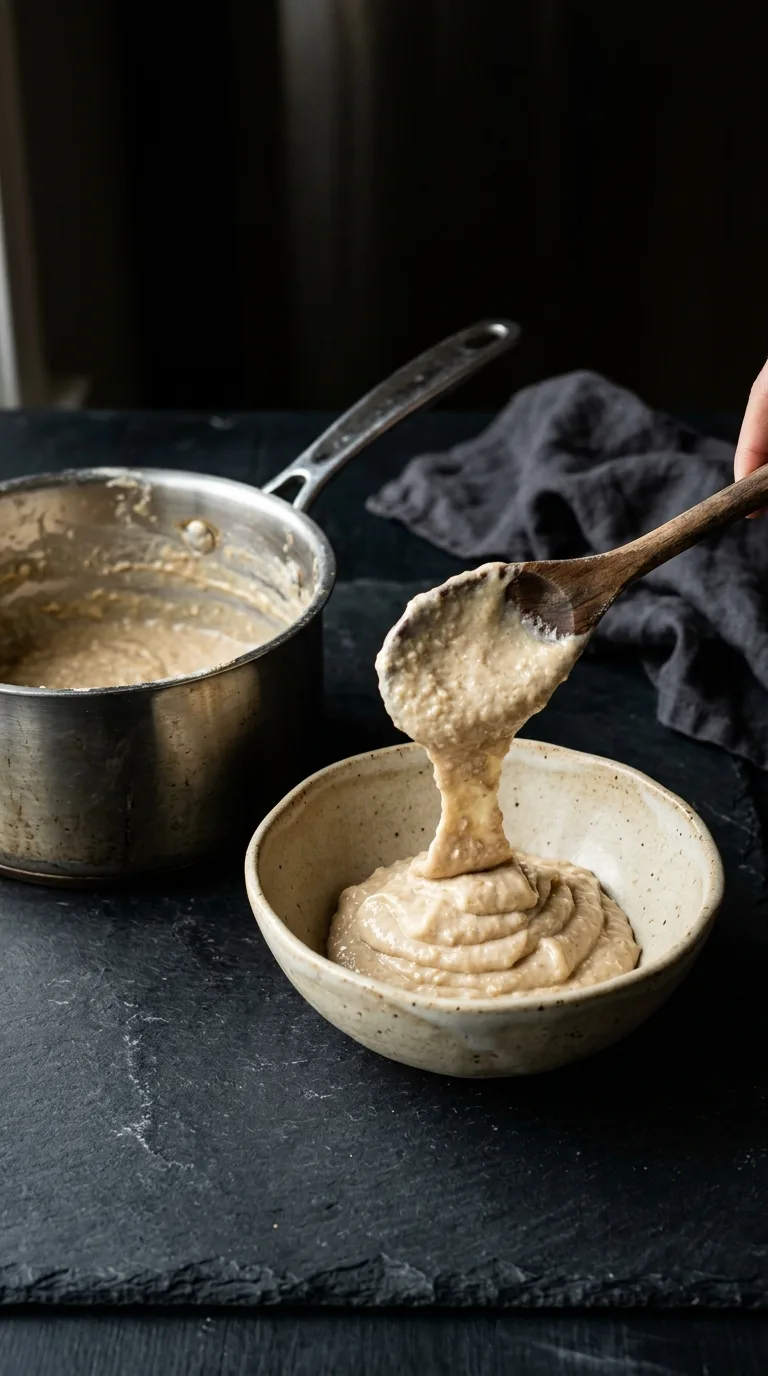
Continue whisking for 1–2 minutes. You want the mixture to become completely smooth and creamy.
-
Season and plate
Add the pinch of sea salt and stir to combine. Salt goes in last to maintain the correct flavour balance. Spoon the oatmeal into a bowl.
-
Add final toppings
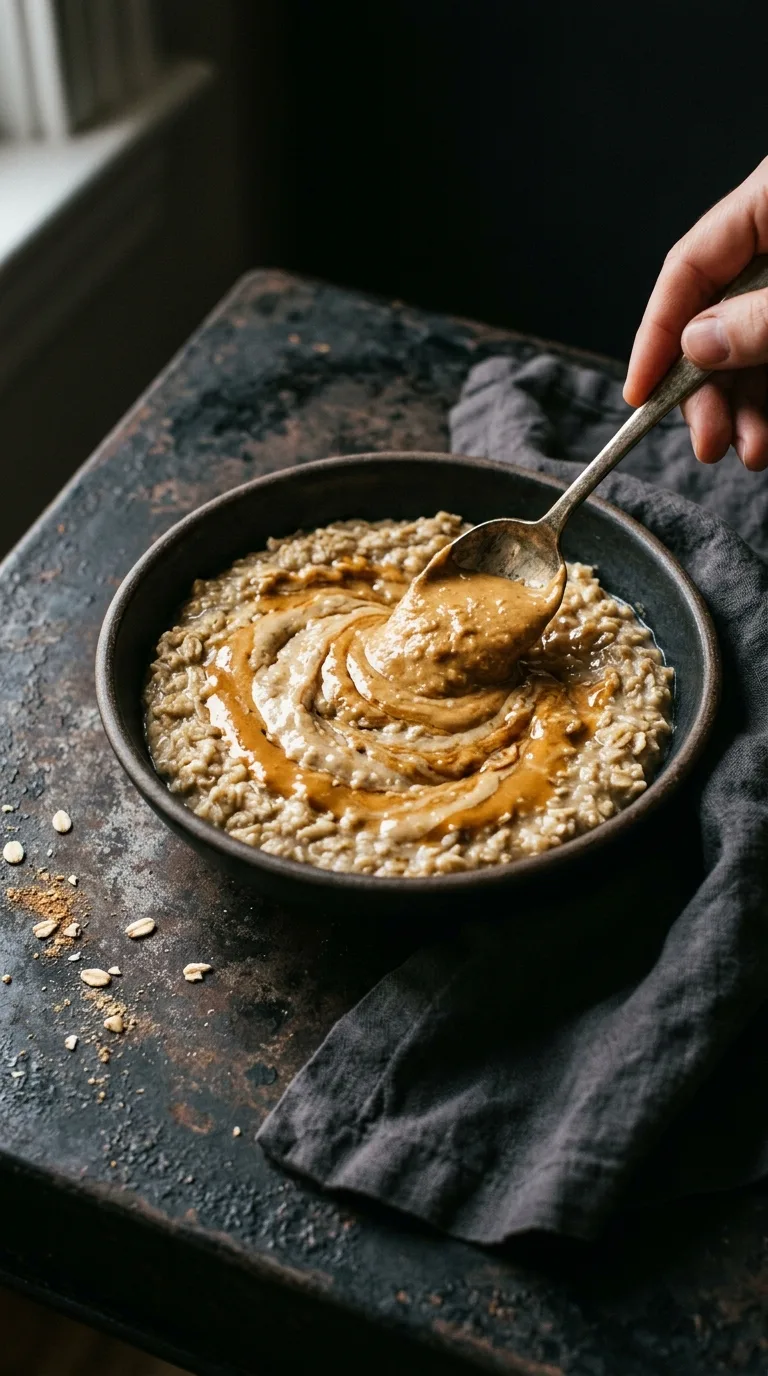
Fold in the peanut butter until fully blended if desired. Drizzle with maple syrup for sweetness.
Foamy clumps often form if protein powder hits high heat too quickly. If you see lumps, whisk the powder at room temperature first and add it gradually to the hot liquid. If the oatmeal becomes too thick to stir, add a splash of water or milk to restore the creamy consistency.
How it differs from the traditional method
This version adds protein powder after the oats cook. This prevents the protein from curdling or becoming rubbery under high heat. Traditional oatmeal relies on the natural starches of the grain for thickness. This method creates a creamier, denser texture that provides more satiety than plain oats alone.
Storing and reheating
Store this oatmeal in an airtight container in the freezer for up to 2 weeks. Thaw it in the refrigerator before reheating gently over low heat. Do not leave cooked oatmeal at room temperature for more than 2 hours to ensure food safety and prevent bacterial growth.
Nutrition per serving
- Calories
- 410
- Protein
- 32.5 g
- Carbs
- 38.0 g
- Fat
- 14.5 g
- Fiber
- 7.5 g
- Sugar
- 12.0 g
Estimated, and offered as a guide rather than a medical figure.
Made it? Rate it.
Questions people ask
How to make protein oatmeal on the stove?
Simmer rolled oats with water and almond milk until thick. Lower the heat and whisk in protein powder slowly. This prevents clumping and ensures a smooth consistency while keeping the protein intact.
What can I add to my oatmeal to get protein?
Use whey or plant-based protein powder for a high concentration of protein. You can also stir in peanut butter or almond butter, which adds healthy fats and additional protein to the meal.
What is the best protein flavour to add to oatmeal?
Vanilla and chocolate protein powders work best. These flavours complement the natural nuttiness of the rolled oats and pair well with toppings like maple syrup, fresh berries, or dark chocolate shavings.

About the author
Makeva
Makeva is a home‑cook who loves crafting approachable meals that balance flavor and nutrition. She specializes in quick weeknight dinners, hearty soups, and wholesome baked goods, sharing step‑by‑step guidance and practical tips. Readers can expect clear instructions, adaptable recipes, and a friendly tone that encourages confidence in the kitchen.