Salmon Quinoa Cakes: Mediterranean Protein Patties
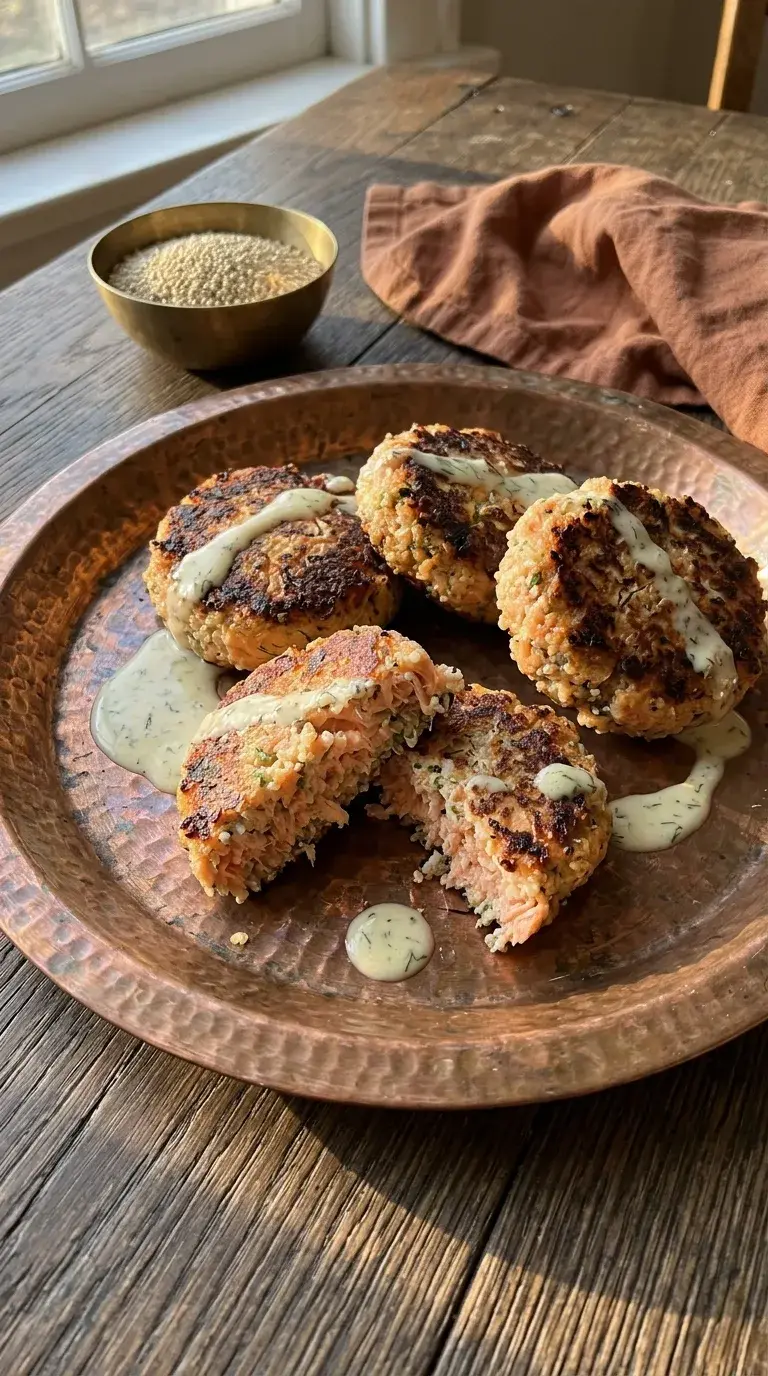
Choose between dicing the salmon fillet by hand or using a food processor to make these salmon quinoa cakes. Use a food processor if you prefer a smoother texture that resembles coarse crumbs. Ensure you rinse the raw quinoa under cold running water until the water runs clear to remove bitterness. This simple step ensures the grains taste clean before you simmer them for 12–15 minutes.
These patties combine salmon, quinoa, and fresh herbs like dill and parsley. You must refrigerate the mixture for 15 minutes before shaping to help the binders set and the flavours meld. Fry the cakes in olive oil at 175°C (347°F) for 3–4 minutes per side. The result is a golden-brown crust with a moist interior that is no longer pale in the centre.
Salmon Quinoa Cakes: Mediterranean Protein Patties
Recipe cardIngredients
Instructions
-
Cook the quinoa
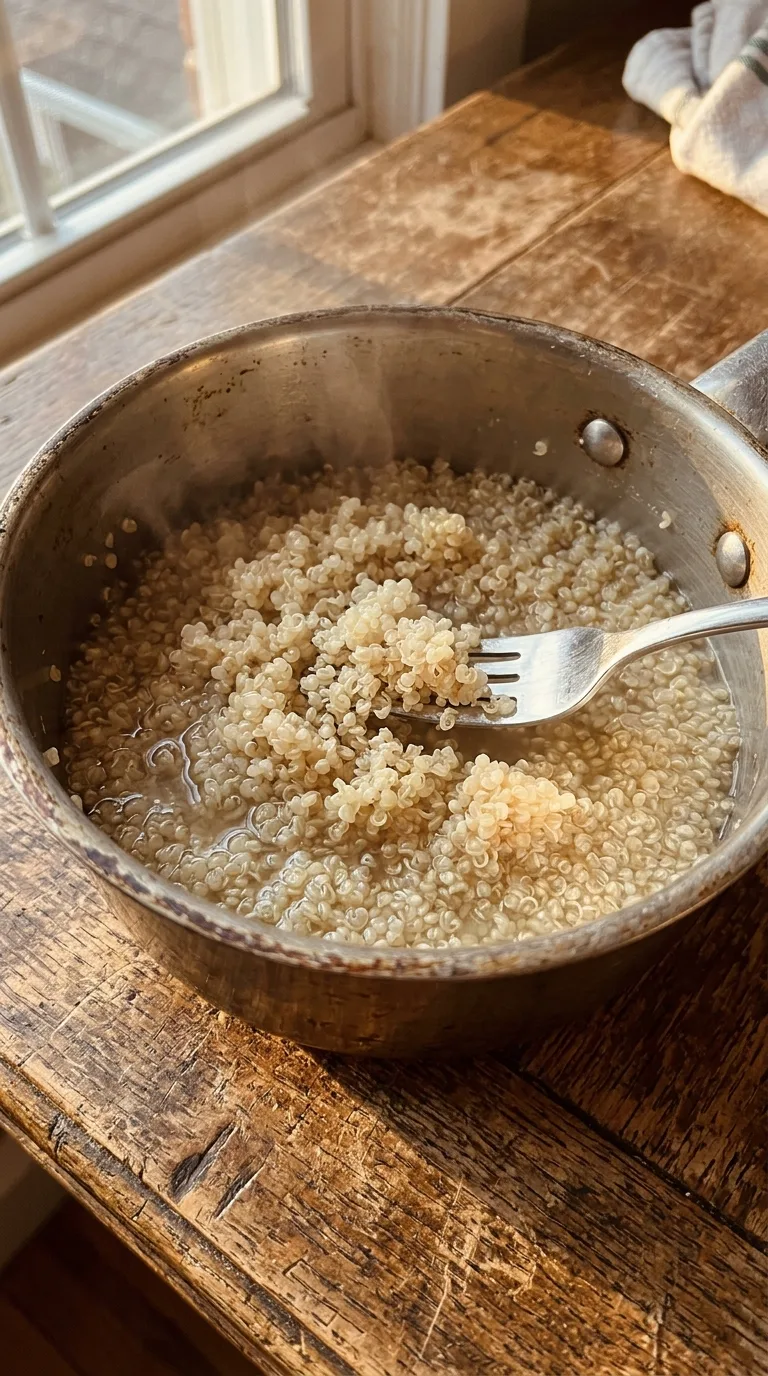
Rinse the quinoa under cold water until the water runs clear. Simmer in 250 ml of boiling water for 12–15 minutes until the grains are tender and fluffy. Let the grains rest for 5 minutes so they absorb remaining moisture and firm up before you fluff them with a fork.
-
Prepare the salmon
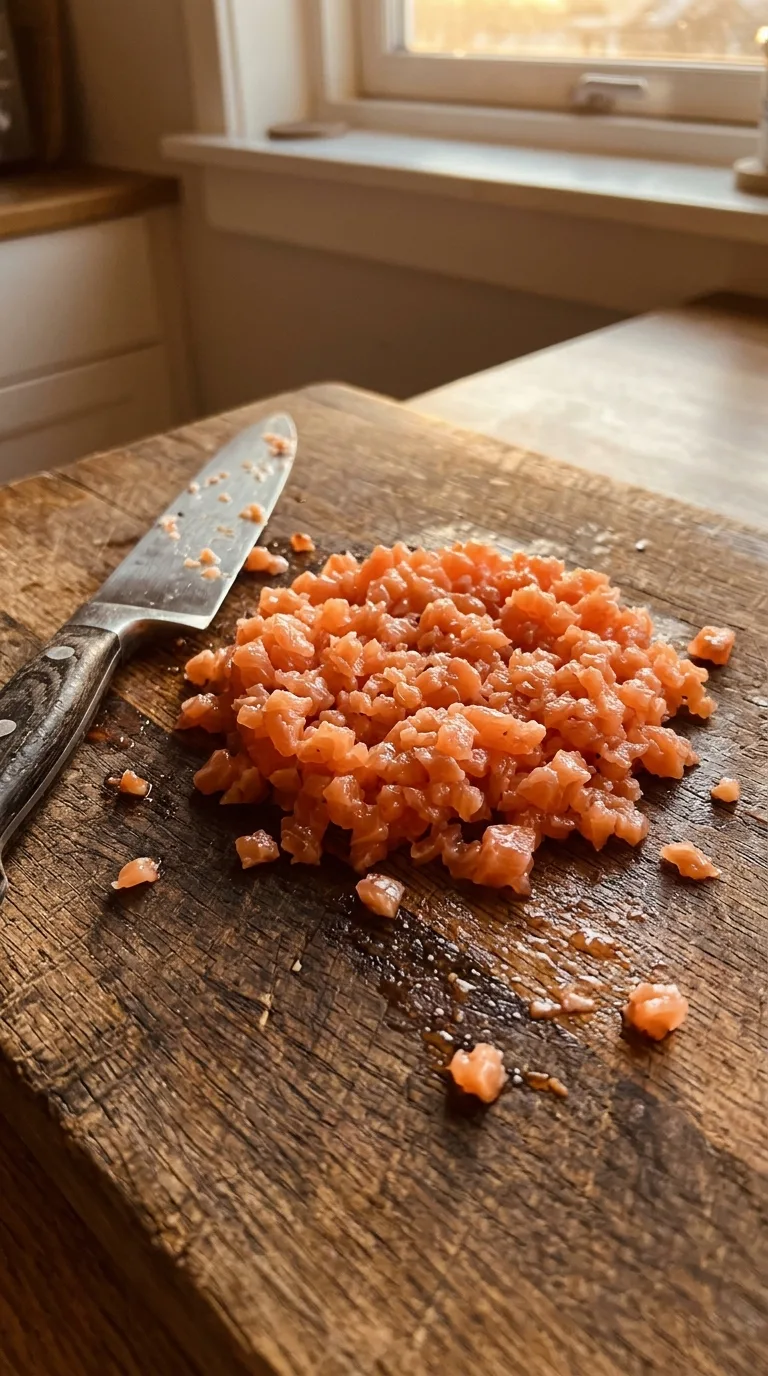
Finely dice the salmon fillet with a knife. You may pulse it in a food processor if you prefer a smoother texture. Stop before it becomes a paste; it should resemble coarse crumbs.
-
Mix the base
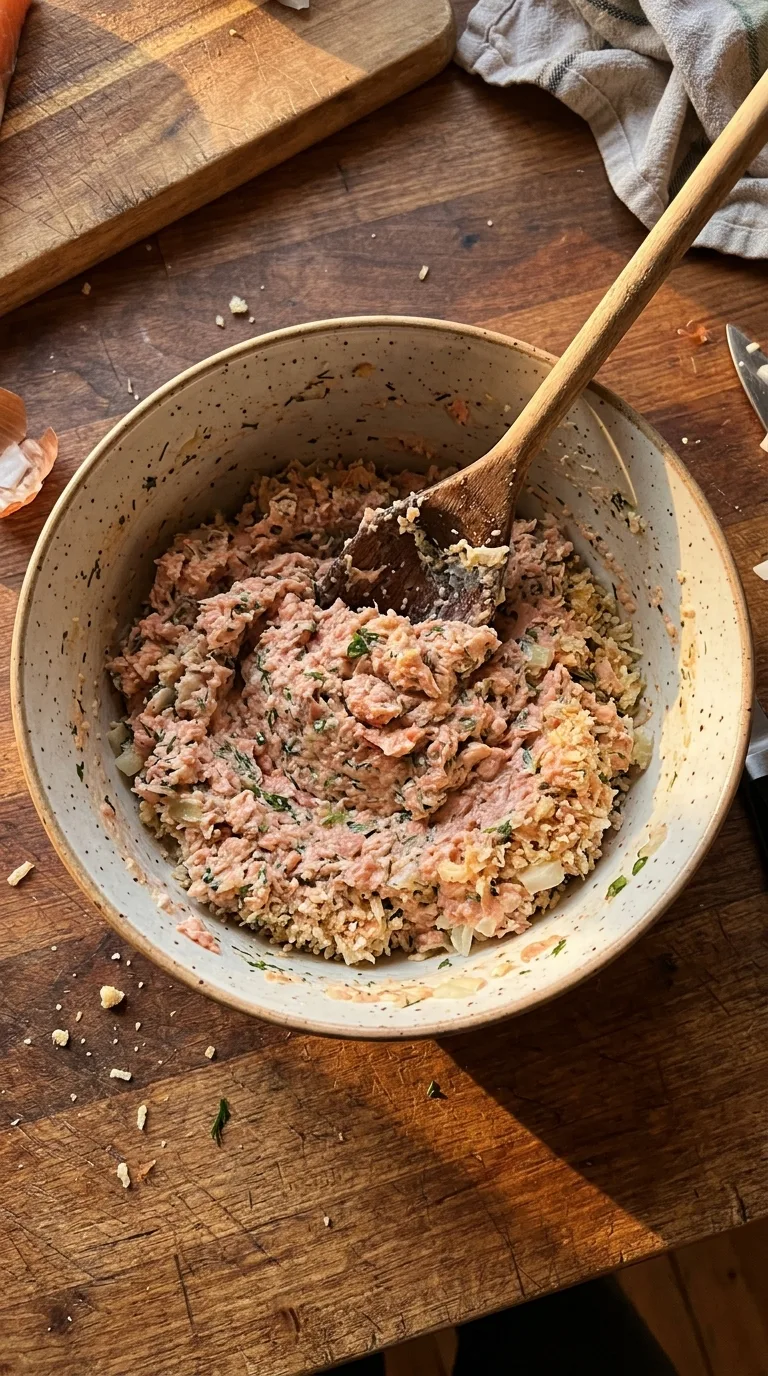
Combine the salmon, egg, mayonnaise, herbs, onion, garlic, lemon zest, lemon juice, salt, pepper, paprika, flour, and panko in a large bowl. Stir with a wooden spoon until the ingredients are evenly incorporated. Ensure no pockets of flour remain.
-
Fold in quinoa
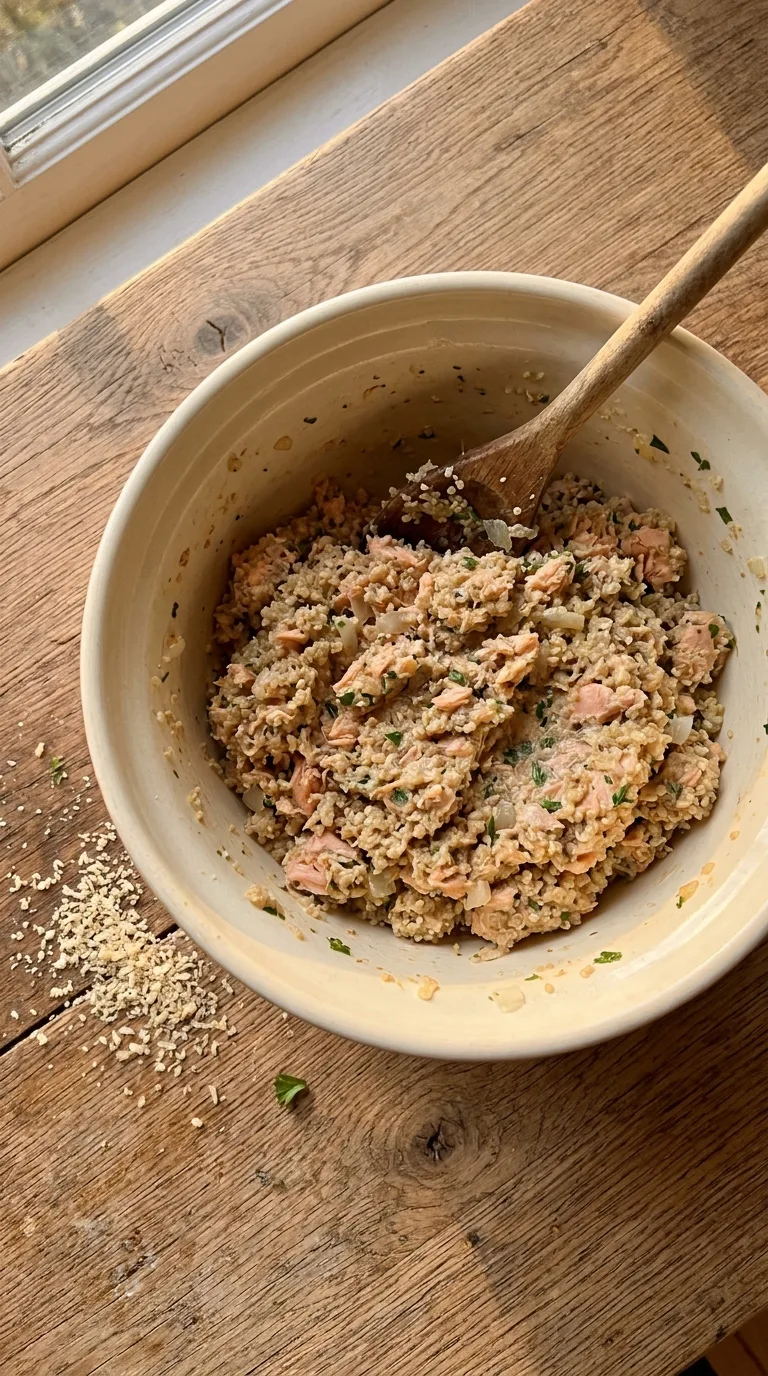
Gently fold the cooked quinoa into the salmon mixture. Stir until the mixture is cohesive and the grains are evenly coated. Use a light touch to avoid mashing the quinoa.
-
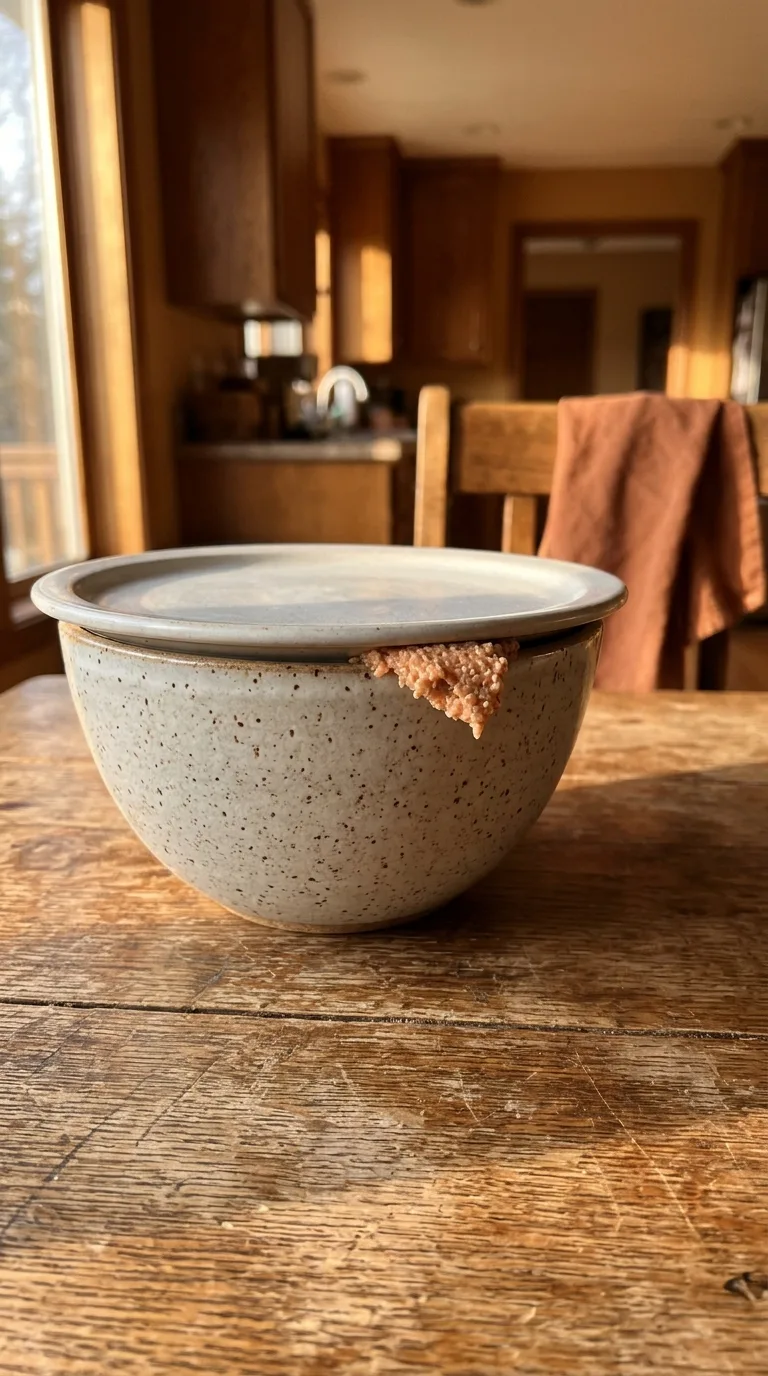
Chill the mixture
Cover the bowl and refrigerate for 15 minutes. This resting period allows the binders to set and the flavours to meld. This ensures the patties do not fall apart in the pan.
-
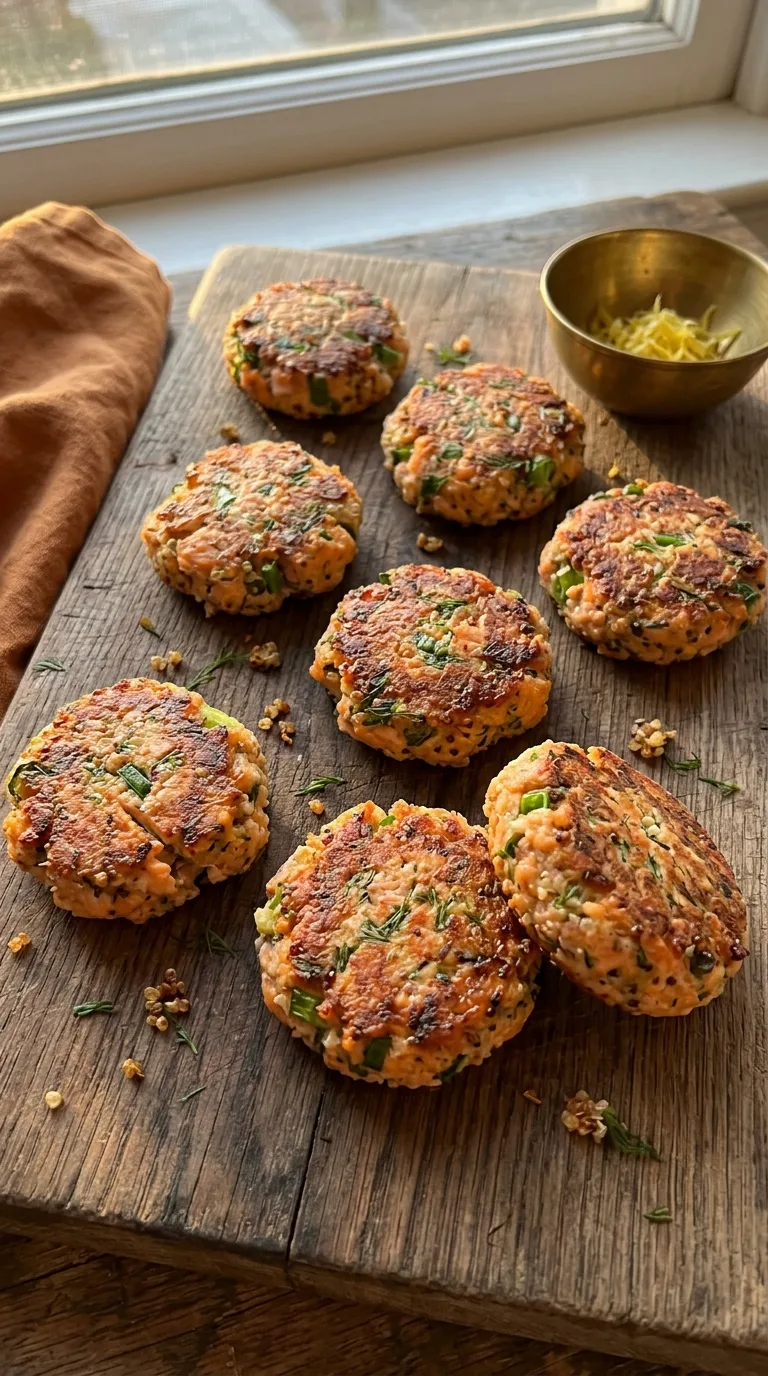
Shape the patties
Divide the mixture into 8 equal portions. Shape each into a patty about 3 cm thick. Press the mixture firmly to create a denser dough that holds its shape during frying.
-
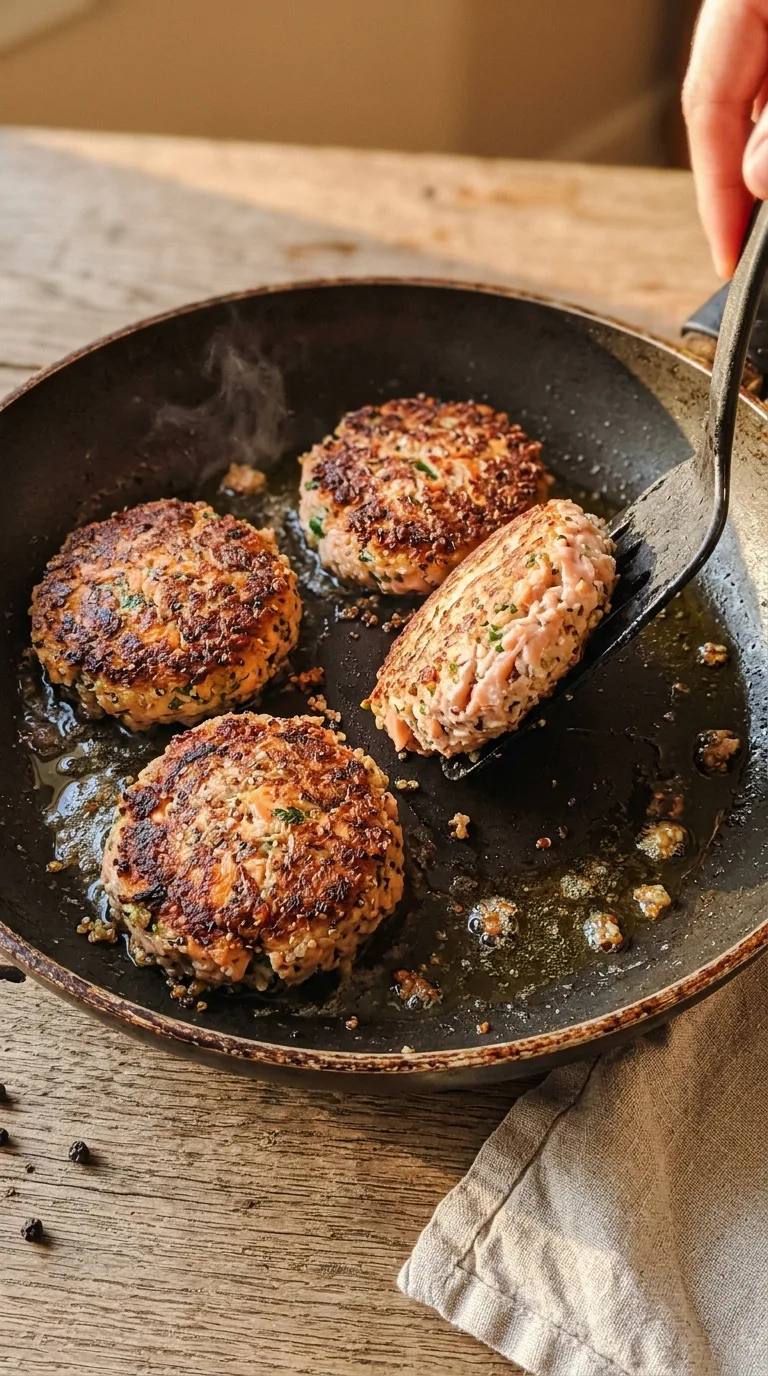
Fry the cakes
Heat 30 ml of olive oil in a non-stick pan over medium heat (≈175°C). Fry the patties for 3–4 minutes per side. Flip them gently with a spatula once a golden-brown crust forms and the centre is no longer pale.
-
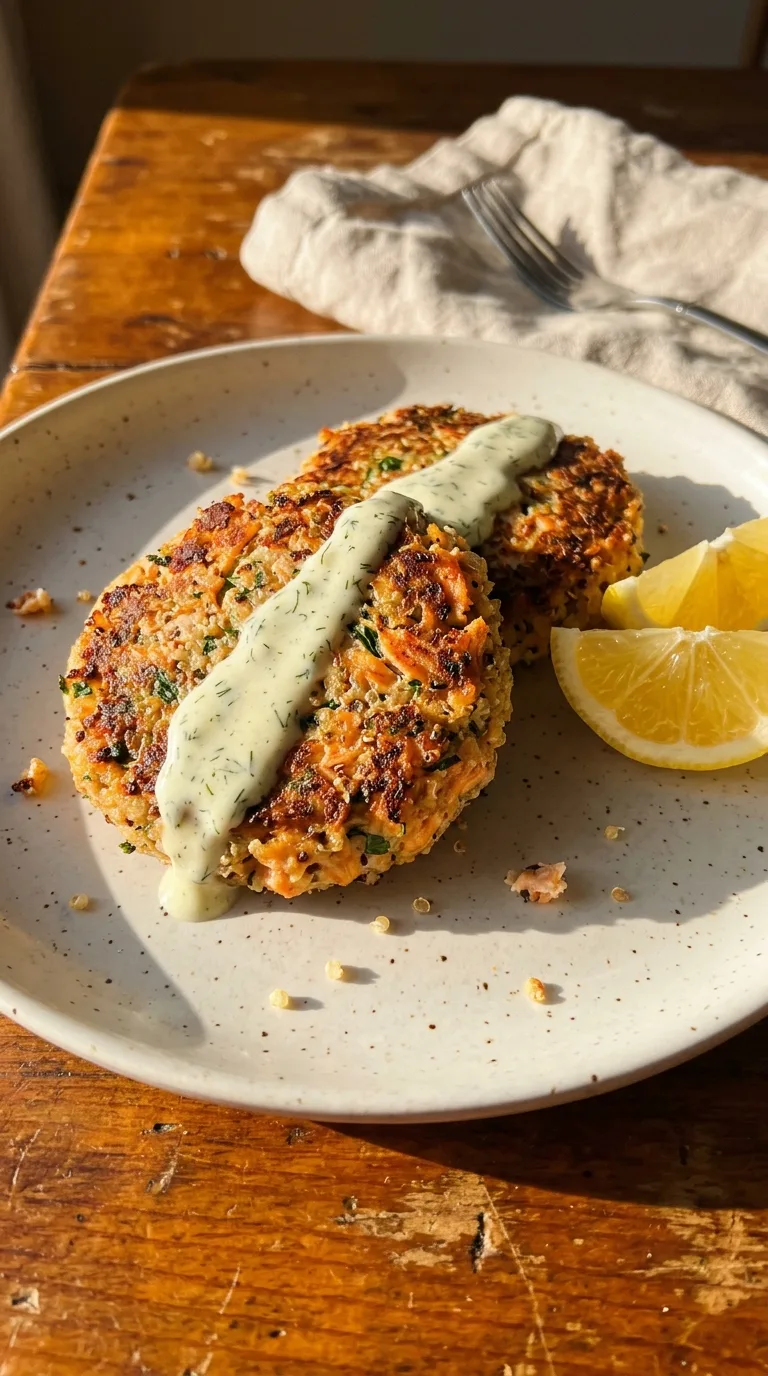
Drain and serve
Transfer the cakes to a plate lined with paper towels. This removes excess oil for a cleaner taste. Serve immediately with lemon wedges.
If the mixture feels too loose to hold a 3 cm thickness, the patties may flatten or split during frying. Press the dough firmly into the patty shape or return the mixture to the fridge for another 5 minutes to firm up the binders before you cook.
What to serve with it
Place these cakes over mixed spring greens with a lemon-yoghurt dressing. You can also crush them on whole-grain toast with sliced avocado and smoked paprika for lunch. For a portable meal, pack a pita with lettuce, cucumber, and tahini sauce to complement the savoury salmon and quinoa.
Storing and reheating
Keep cooked cakes in an airtight container in the fridge for up to 3 days. You can freeze them for up to 3 months. Thaw overnight in the fridge and re-heat in a skillet or oven. Never leave these cakes at room temperature for more than 2 hours.
Nutrition per serving
- Calories
- 245
- Protein
- 16.8 g
- Carbs
- 12.4 g
- Fat
- 12.1 g
- Fiber
- 2.1 g
- Sugar
- 1.8 g
Estimated, and offered as a guide rather than a medical figure.
Made it? Rate it.
Questions people ask
What is the best binder for salmon cakes?
Egg and plain flour provide the most reliable bind. The protein in the egg coagulates during frying, while the flour absorbs moisture from the salmon to prevent the cakes from falling apart in the pan.
Are salmon and quinoa good together?
Yes. The neutral, nutty flavour of quinoa balances the richness of the salmon. Quinoa also adds a distinct texture and increases the protein content of the cakes.
Are salmon cakes healthy for weight loss?
Yes. These cakes are high in omega-3 fatty acids and protein, which promote satiety. Using olive oil for frying keeps the saturated fat levels low compared to butter.
What are the three ingredients needed to make salmon cakes?
You primarily need salmon, a binder such as egg or flour, and a seasoning like salt or lemon. This specific recipe adds quinoa and panko for added structure and texture.

About the author
Makeva
Makeva is a home‑cook who loves crafting approachable meals that balance flavor and nutrition. She specializes in quick weeknight dinners, hearty soups, and wholesome baked goods, sharing step‑by‑step guidance and practical tips. Readers can expect clear instructions, adaptable recipes, and a friendly tone that encourages confidence in the kitchen.