Quick Salmon Cakes: Mediterranean Fish Patties
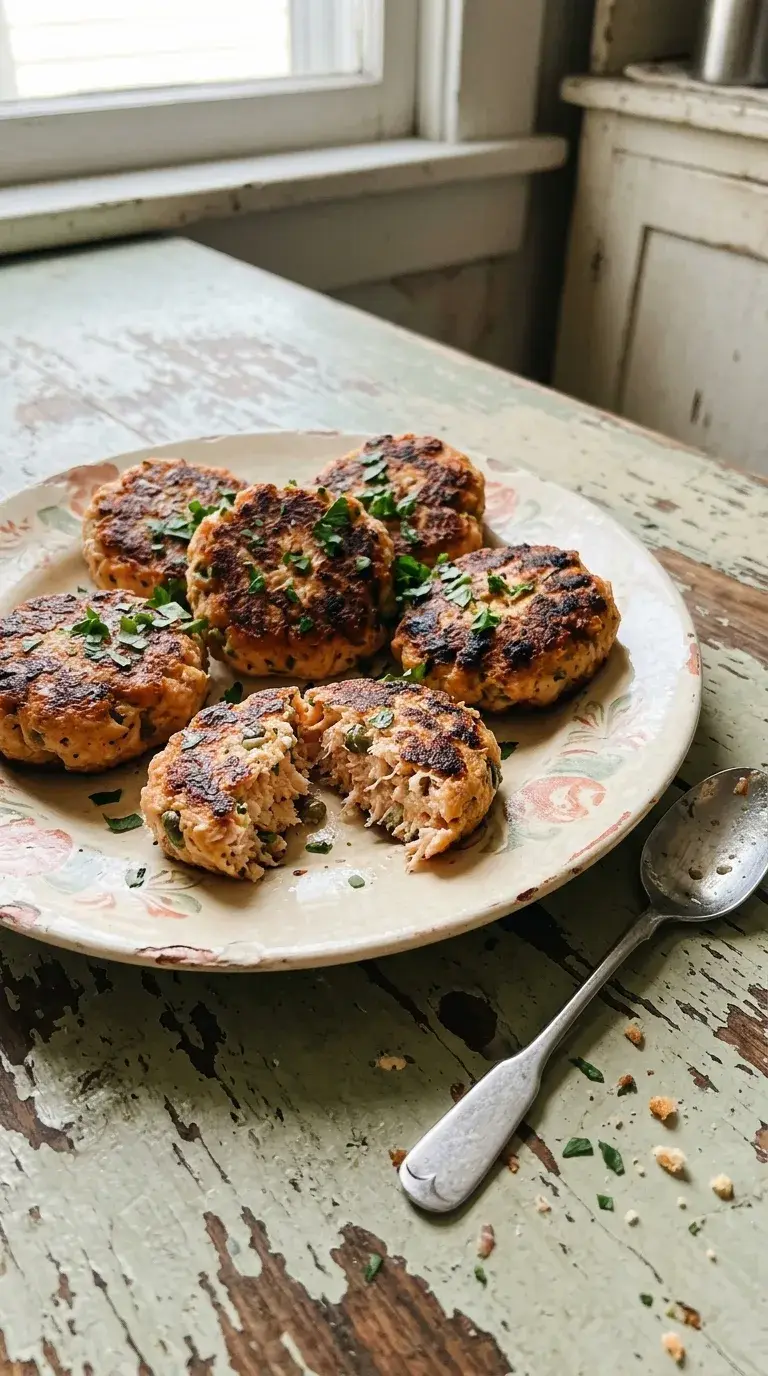
Canned salmon provides the base for these quick salmon cakes. Select a brand that lists only salmon, salt, and water to avoid unwanted additives. Ensure the fish is well drained before you begin, as excess moisture prevents the patties from holding their shape during frying.
You combine the fish with Greek yoghurt, egg, and breadcrumbs to create a cohesive dough. This mixture is seasoned with capers, lemon juice, and cumin for a savoury profile. Chill the patties for 10 minutes to help them firm up before cooking. Fry them in olive oil until they reach an internal temperature of 74°C (165°F). The result is a crisp exterior and a tender centre. These cakes take 25 minutes in total to prepare and serve.
Quick Salmon Cakes: Mediterranean Fish Patties
Recipe cardIngredients
Instructions
-
Prepare the skillet
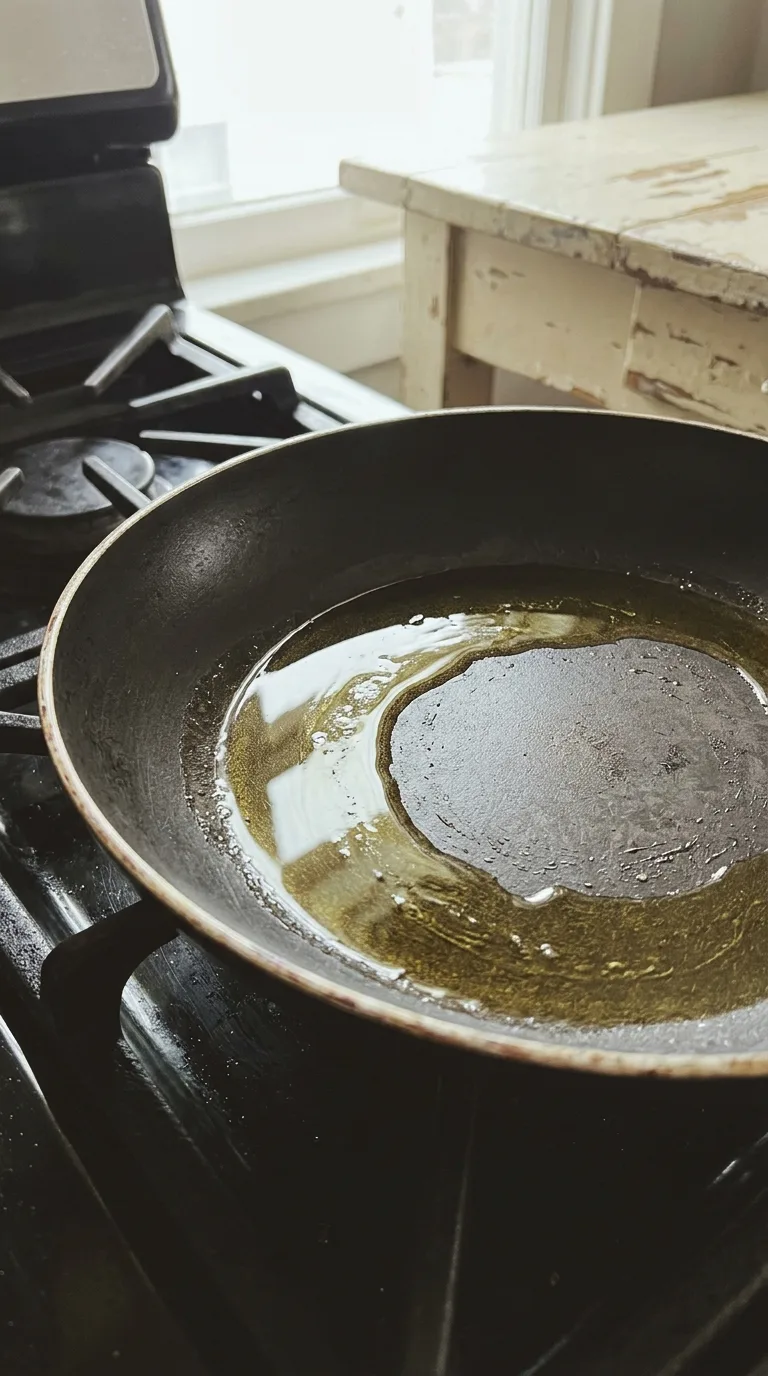
Heat your non-stick skillet over medium heat. Add 1 tbsp of olive oil and let it coat the surface. This ensures the salmon does not stick when it hits the pan.
-
Mash the salmon
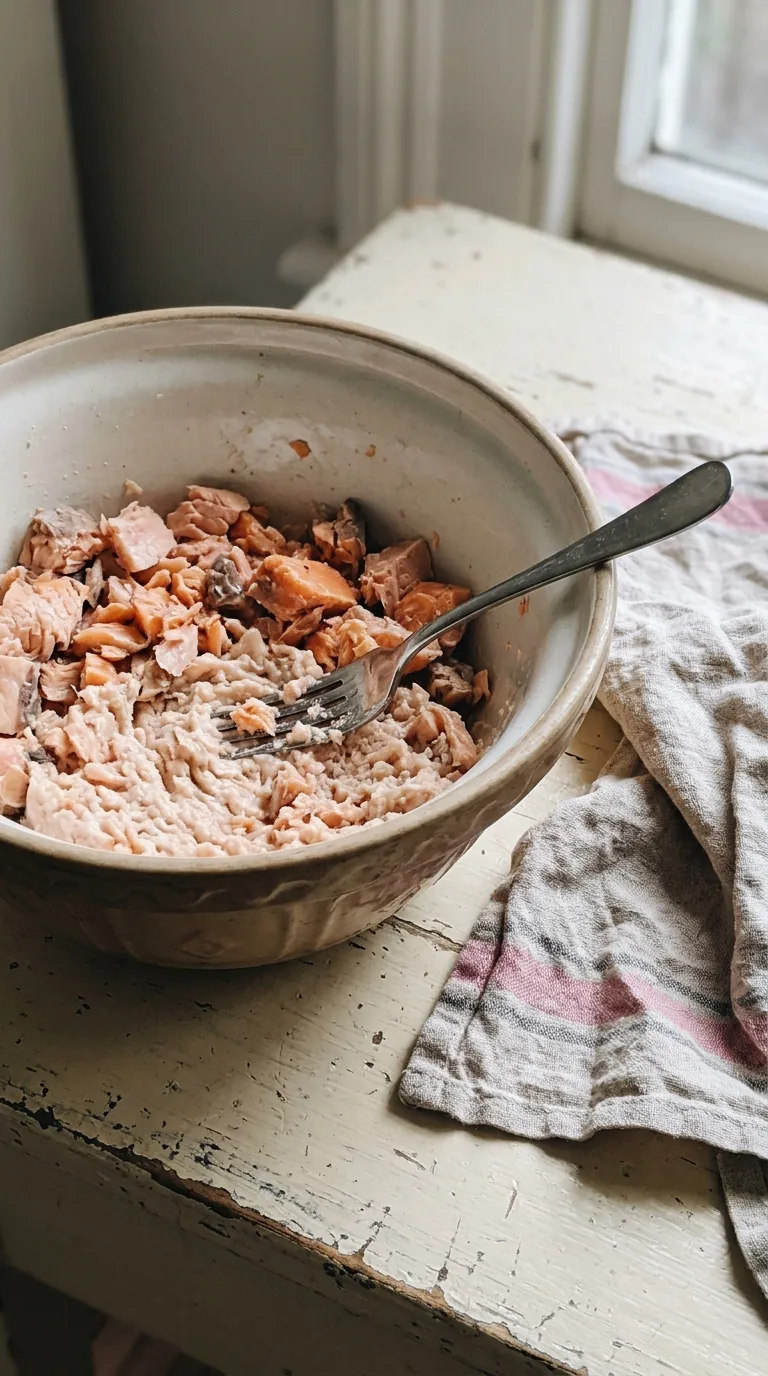
Place the drained salmon in a large mixing bowl. Lightly mash the fish with a fork until it becomes creamy. A smoother texture allows the binder to hold the cake together.
-
Mix the dough
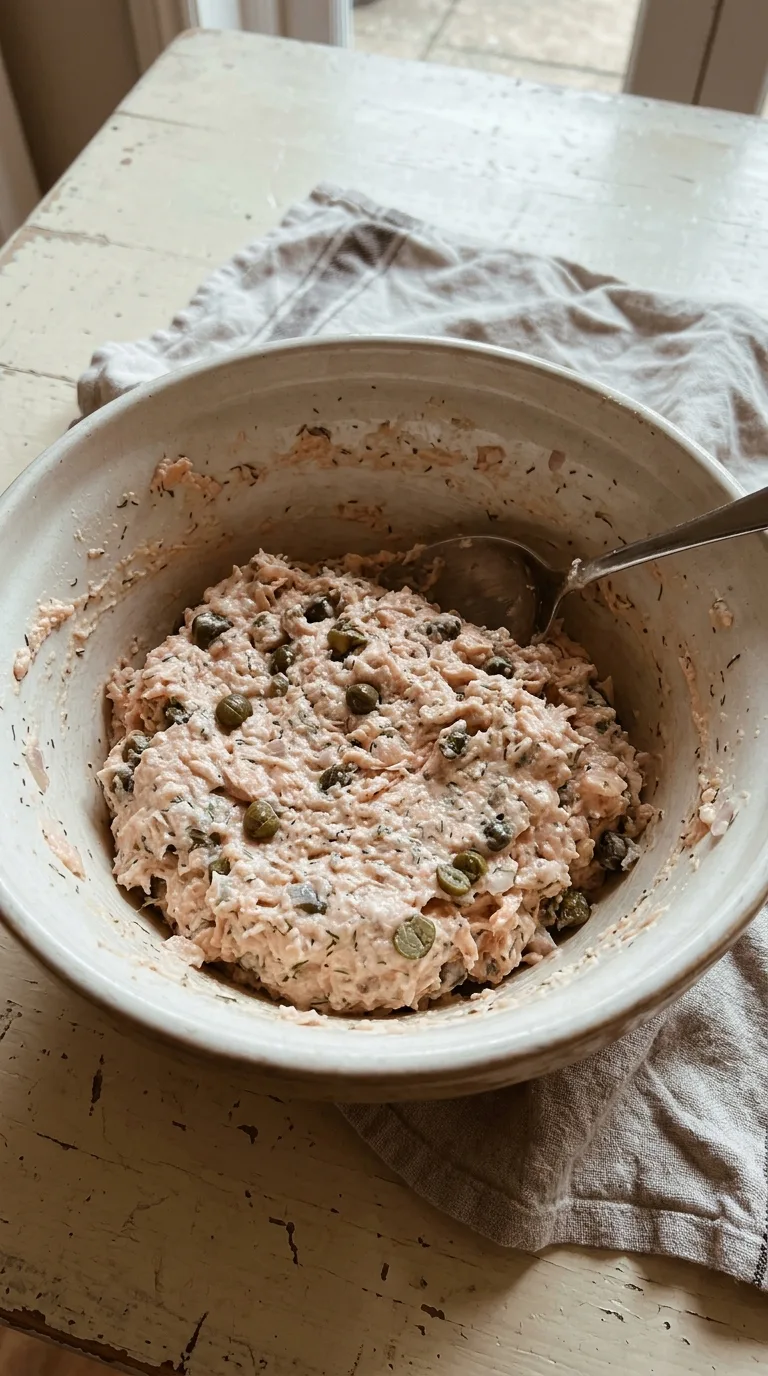
Stir in the Greek yoghurt, beaten egg, breadcrumbs, shallot, capers, lemon juice, mustard, dill, cumin, salt and pepper. Mix until a cohesive dough forms. The dough should feel tacky and hold its shape.
-
Shape and chill
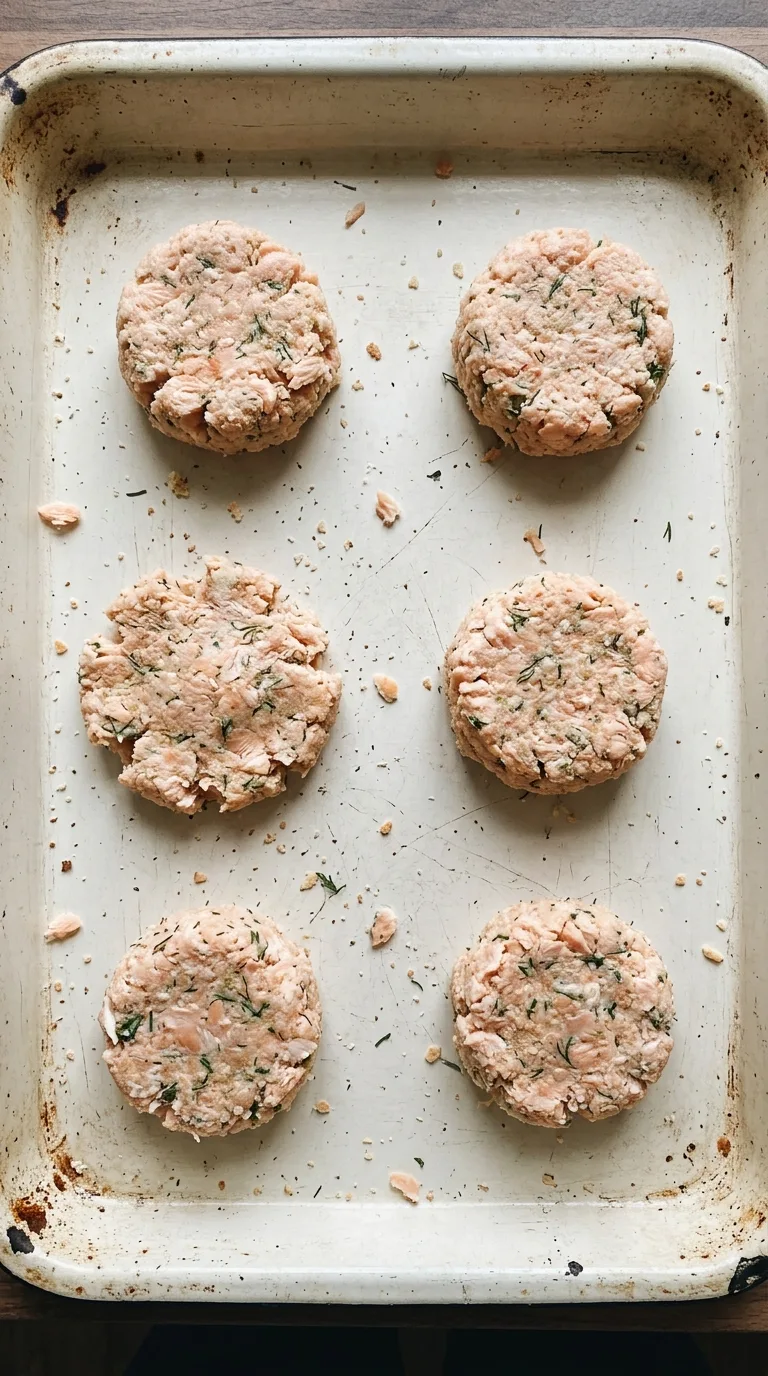
Form the mixture into 6 round patties, about 4 cm in diameter and 2 cm thick. Chill them in the refrigerator for 10 minutes. This firms up the fats so the cakes do not fall apart during frying.
-
Fry the cakes
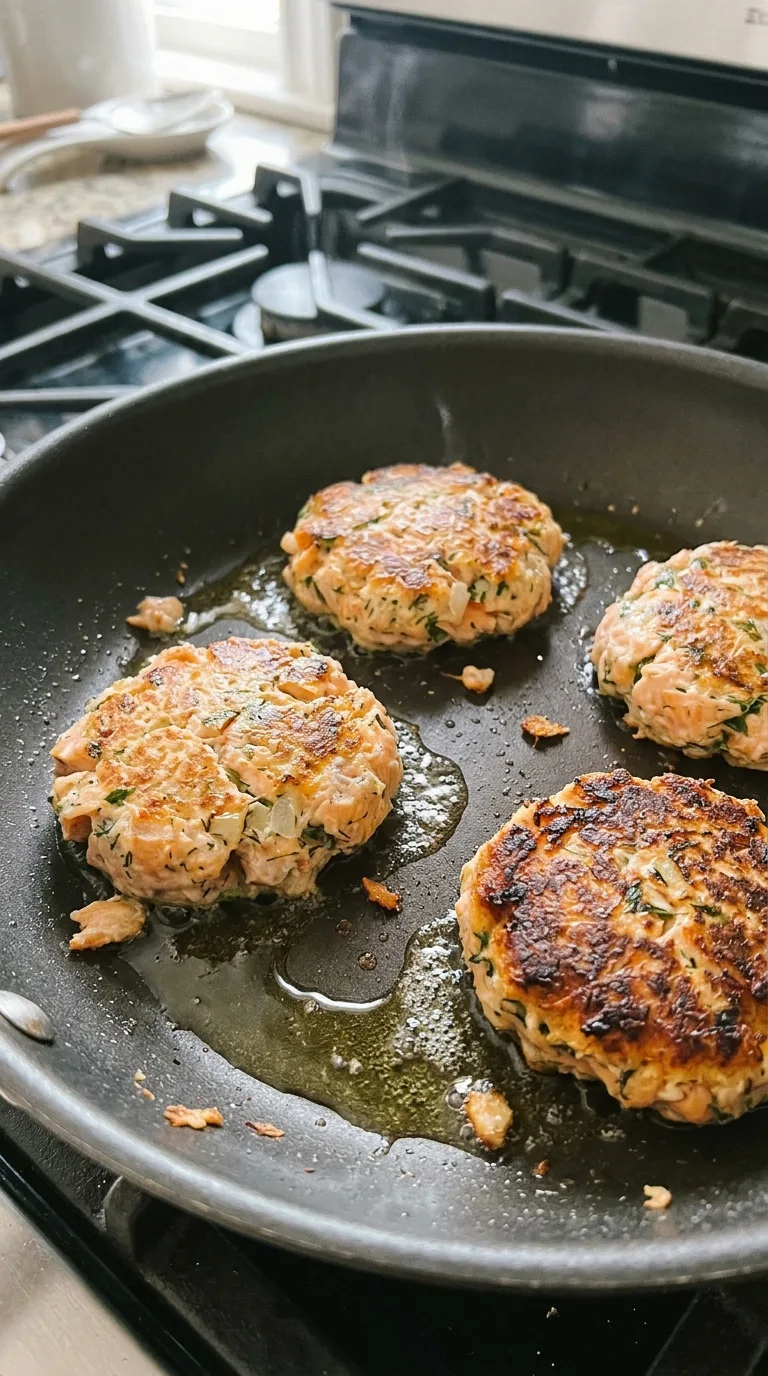
Re-heat the skillet over medium heat. Cook the patties for 3–4 minutes on each side until they are golden brown. Use a thermometer to ensure the internal temperature reaches 74°C (165°F).
-
Drain and rest
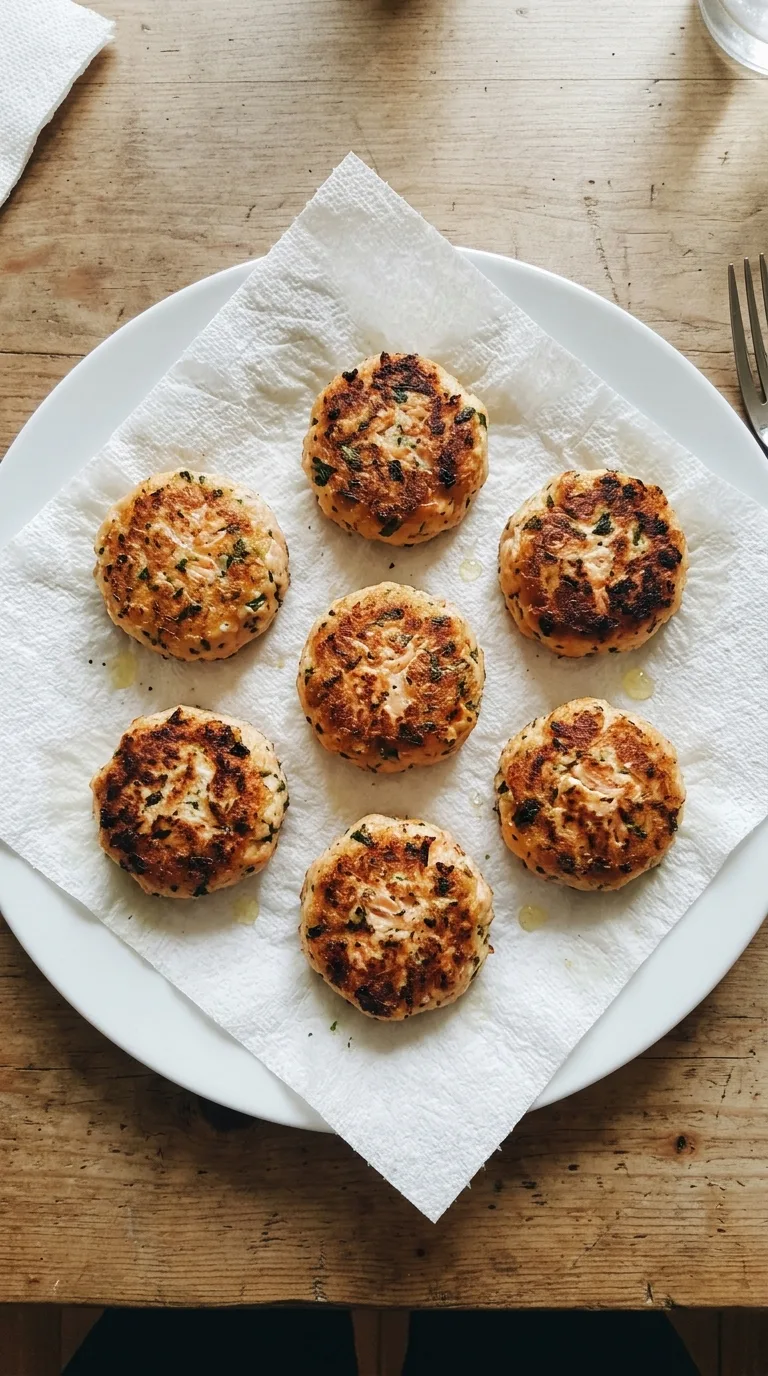
Transfer the cakes to a plate lined with paper towels. Allow them to rest for 2 minutes to drain excess oil. Resting allows the internal juices to redistribute for a better texture.
-
Garnish and serve
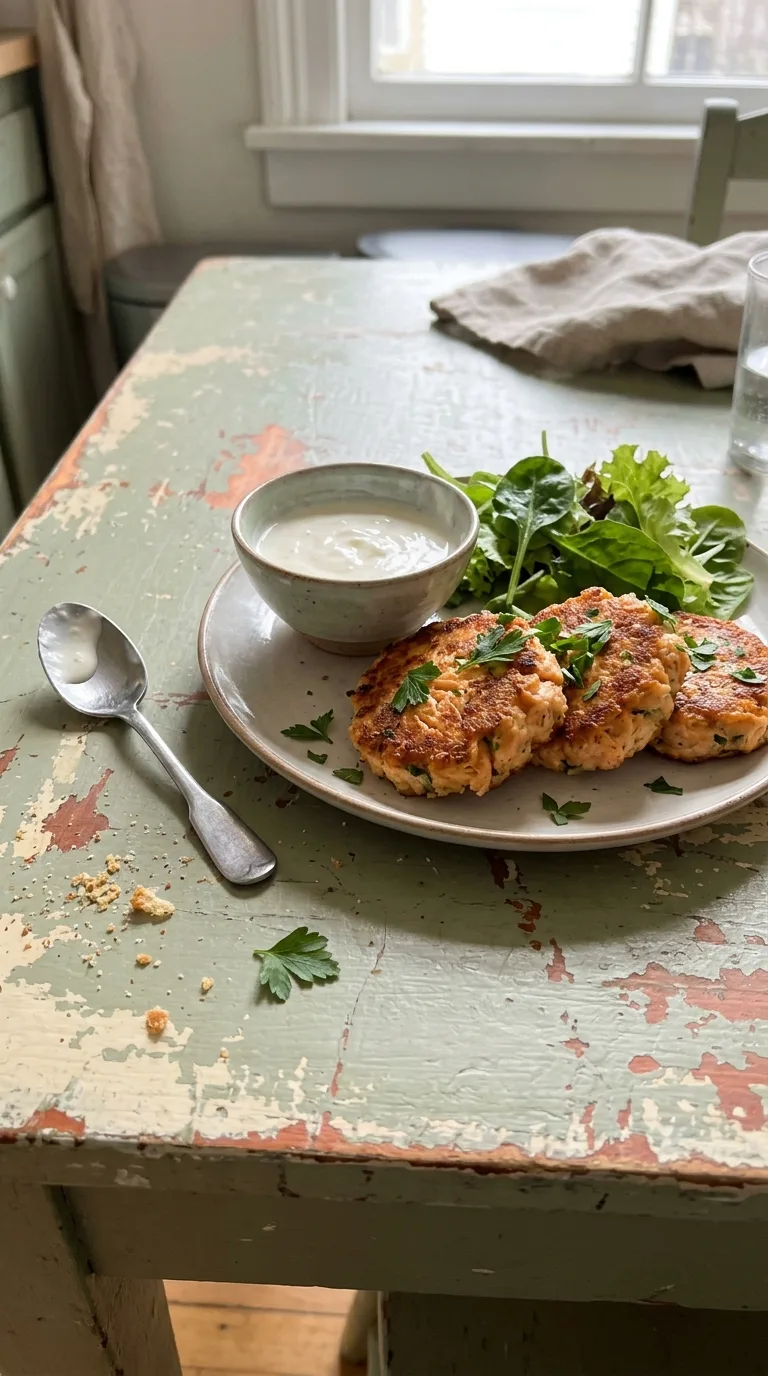
Sprinkle the chopped parsley over the warm cakes. This provides a fresh burst of colour. Serve them immediately with your chosen sauce or a light salad.
If the patties feel too soft to shape or begin to flatten in the pan, your mixture lacks sufficient binder. Chill the dough longer or add a small amount of extra breadcrumbs to absorb excess moisture. This prevents the cakes from breaking when you flip them with the spatula.
Breadcrumbs substitutes
Use gluten-free breadcrumbs to keep the cakes suitable for celiacs. If you lack breadcrumbs, crushed cornflakes provide a similar crunch but change the colour to a deeper gold. Do not omit the binder entirely, as the patties will fall apart in the skillet during the cooking process.
What to serve with it
Pair these cakes with a chilled cucumber and yoghurt dip to provide a refreshing contrast. A crisp green salad tossed in a lemon-olive oil dressing complements the richness of the salmon. For a more formal presentation, arrange the cakes on a platter and drizzle them with a light honey-mustard sauce.
Storing and reheating
Keep cooked cakes in the fridge for up to 4 days. Uncooked patties store in a sealed container in the freezer for up to 3 months. Re-cook these fresh from frozen by adding a minute or two to the cooking time. Never leave cooked fish at room temperature for over 2 hours.
Nutrition per serving
- Calories
- 165
- Protein
- 14.2 g
- Carbs
- 7.5 g
- Fat
- 8.1 g
- Fiber
- 0.8 g
- Sugar
- 1.2 g
Estimated, and offered as a guide rather than a medical figure.
Made it? Rate it.
Questions people ask
How to make simple salmon fish cakes?
Combine drained canned salmon with Greek yoghurt, egg, and breadcrumbs. Season with lemon juice, mustard, and herbs. Shape into patties and fry in olive oil until the internal temperature reaches 74°C (165°F) to ensure they are cooked through.
What is the best binder for salmon cakes?
A combination of egg and breadcrumbs is the most effective binder. The egg provides protein that sets when heated, while the breadcrumbs absorb excess moisture from the yoghurt and salmon, preventing the cakes from becoming too soft.
What are the three ingredients needed to make salmon cakes?
The core components are canned salmon, a binder like egg or breadcrumbs, and a flavouring agent such as lemon or herbs. Without the salmon for structure and the binder for stability, the mixture will not form a patty.

About the author
Makeva
Makeva is a home‑cook who loves crafting approachable meals that balance flavor and nutrition. She specializes in quick weeknight dinners, hearty soups, and wholesome baked goods, sharing step‑by‑step guidance and practical tips. Readers can expect clear instructions, adaptable recipes, and a friendly tone that encourages confidence in the kitchen.