Protein Powder Pancakes: Healthy Breakfast
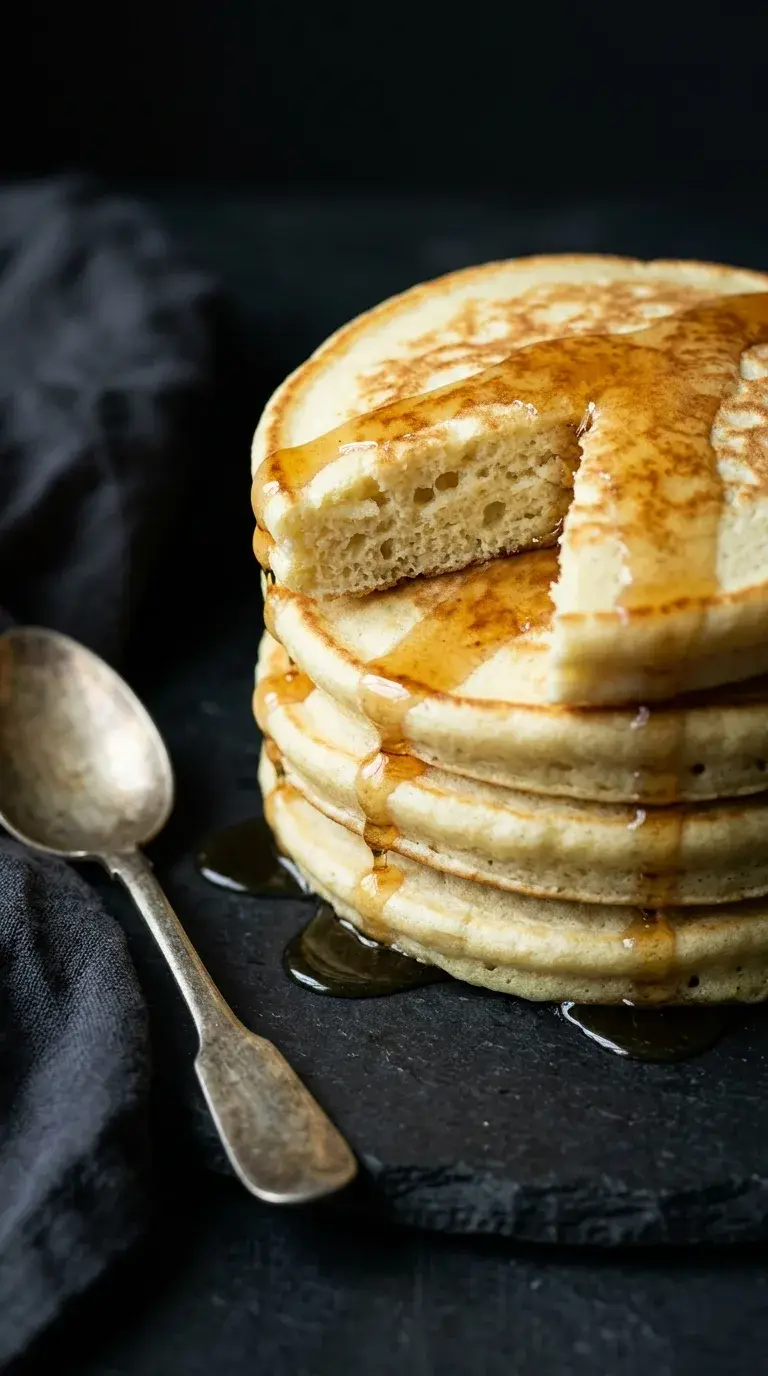
American pancakes typically rely on refined flour and sugar for their structure and sweetness. This version of protein powder pancakes replaces a portion of the flour with vanilla whey protein powder to increase the nutrient density. You use a non-stick frying pan and medium-low heat to ensure the protein does not burn. This departure from traditional high-heat frying prevents the batter from becoming dry or chalky.
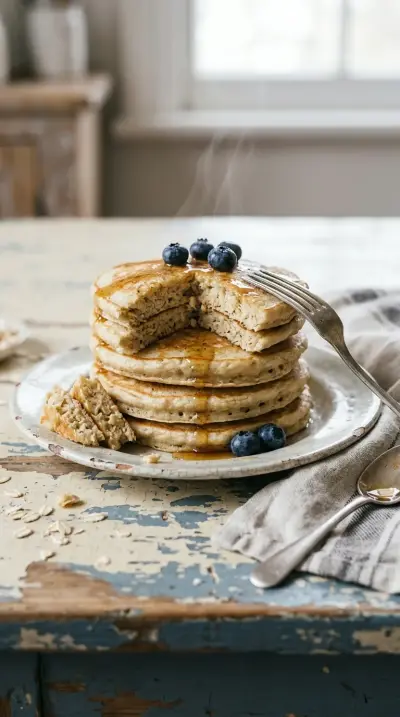
The result is a light, glossy stack with a soft centre. You must maintain a medium-low heat to ensure the exterior does not over-cook while the middle remains runny. Control the temperature by testing a drop of batter with your spatula; it should swirl on the surface rather than fry instantly. This precision ensures each 10-cm diameter circle cooks evenly for 2–3 minutes before you flip it for the final 1–2 minutes.
Protein Powder Pancakes: Healthy Breakfast
Recipe cardIngredients
Watch how it's made
Instructions
-
Prepare the pan
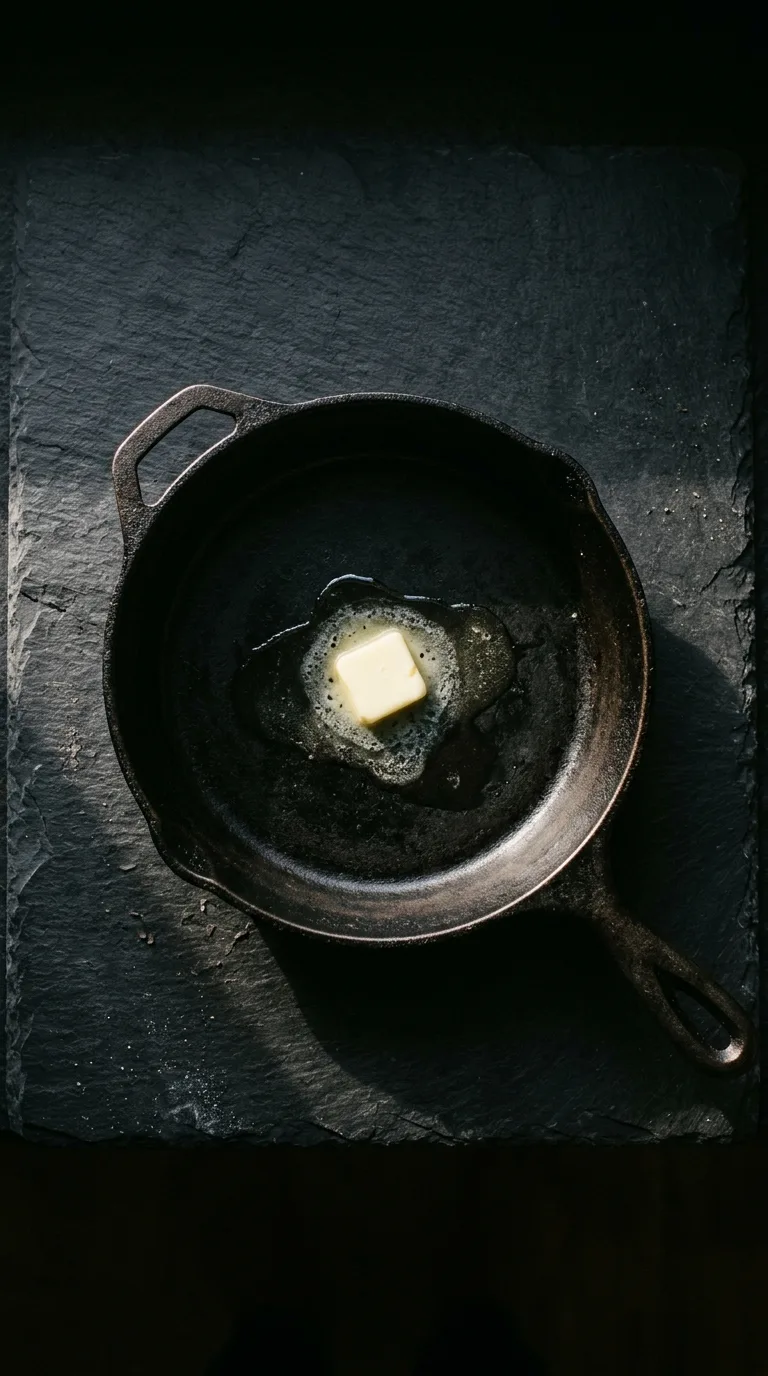
Heat your non-stick frying pan over medium-low heat and add 5 g of butter. Melt the butter without letting it brown. Set the pan aside to ensure the heat distributes evenly.
-
Mix dry ingredients
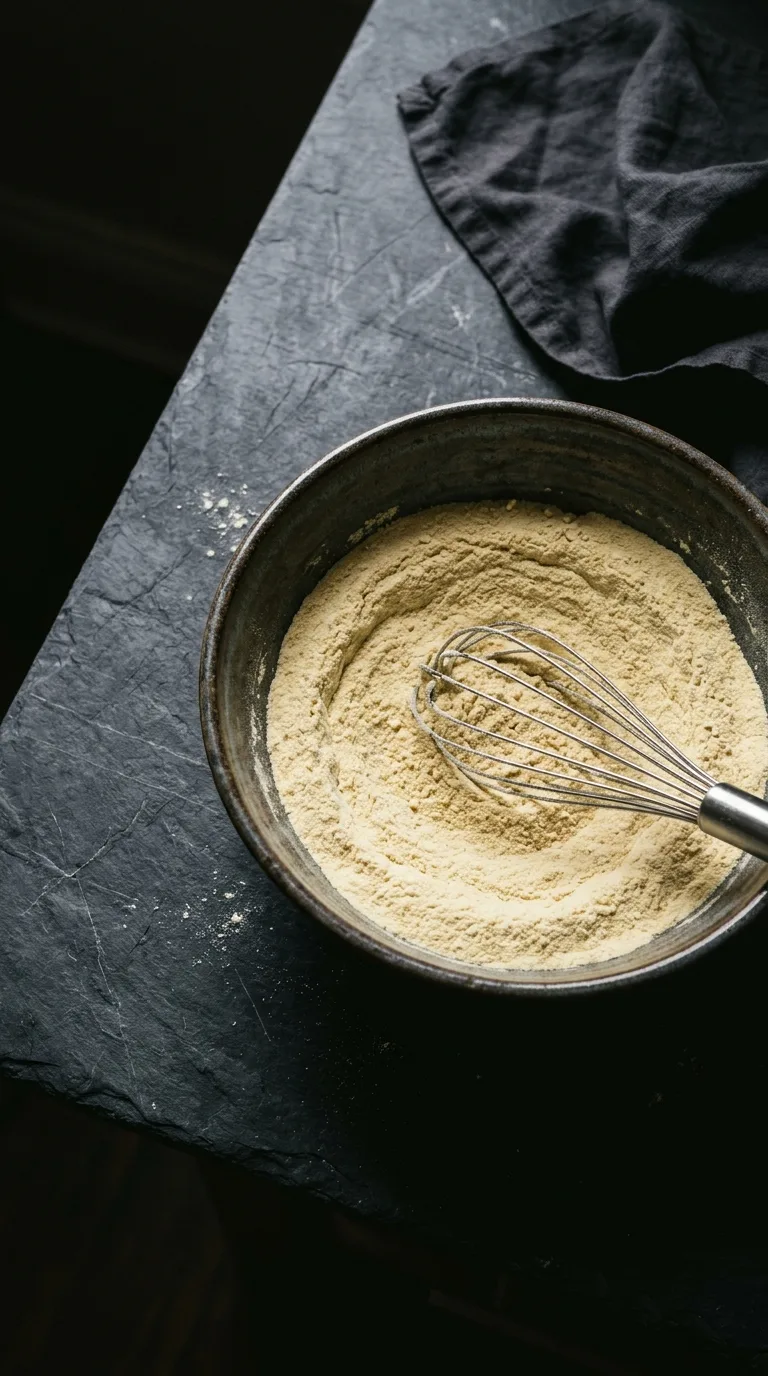
Whisk the protein powder, flour, sea salt and ground turmeric in a medium mixing bowl. Ensure the mixture is smooth and clump-free. This prevents dry pockets in your finished pancakes.
-
Combine the batter
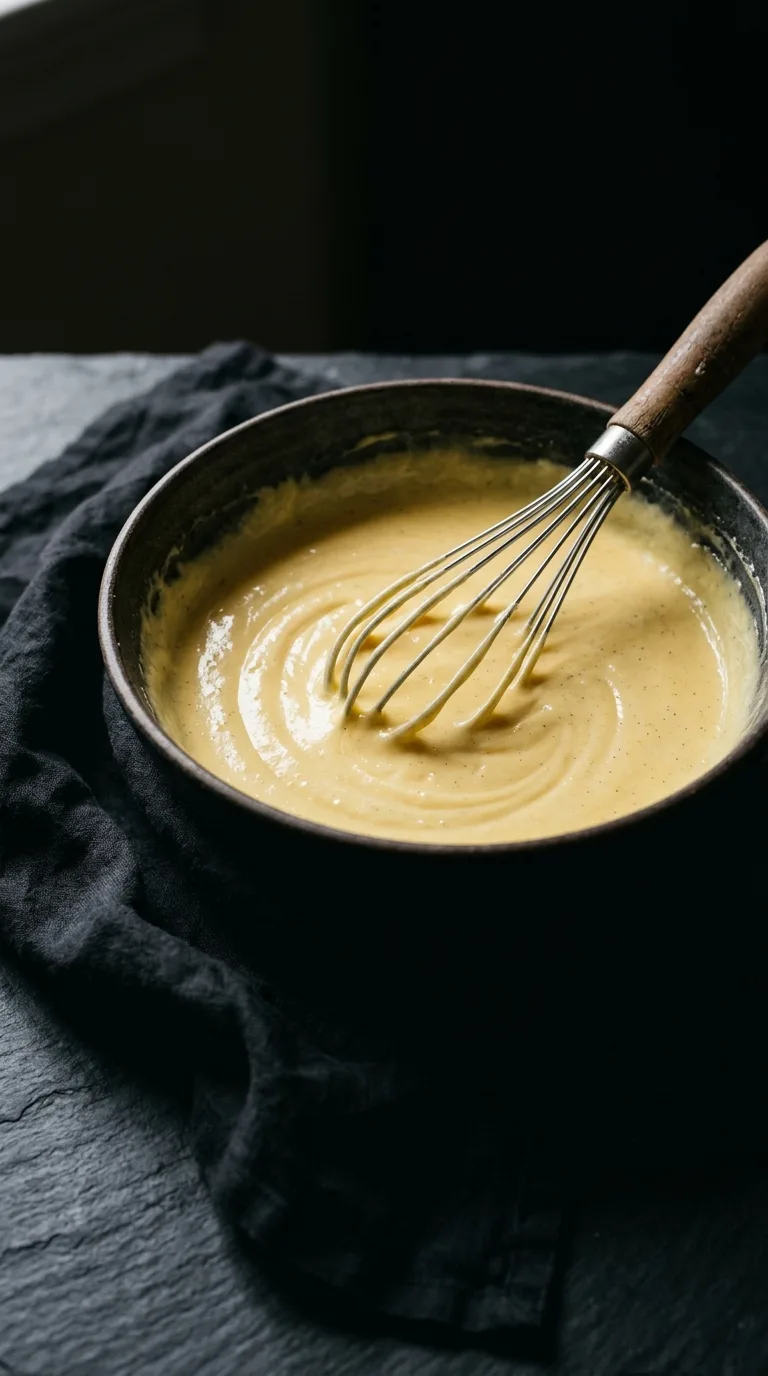
Beat the egg in a small bowl until the yolk and whites are uniform. Make a well in the dry mixture and pour in the egg and 200 ml milk. Whisk gently until you have a glossy, lump-free batter.
-
Add optional sweetness
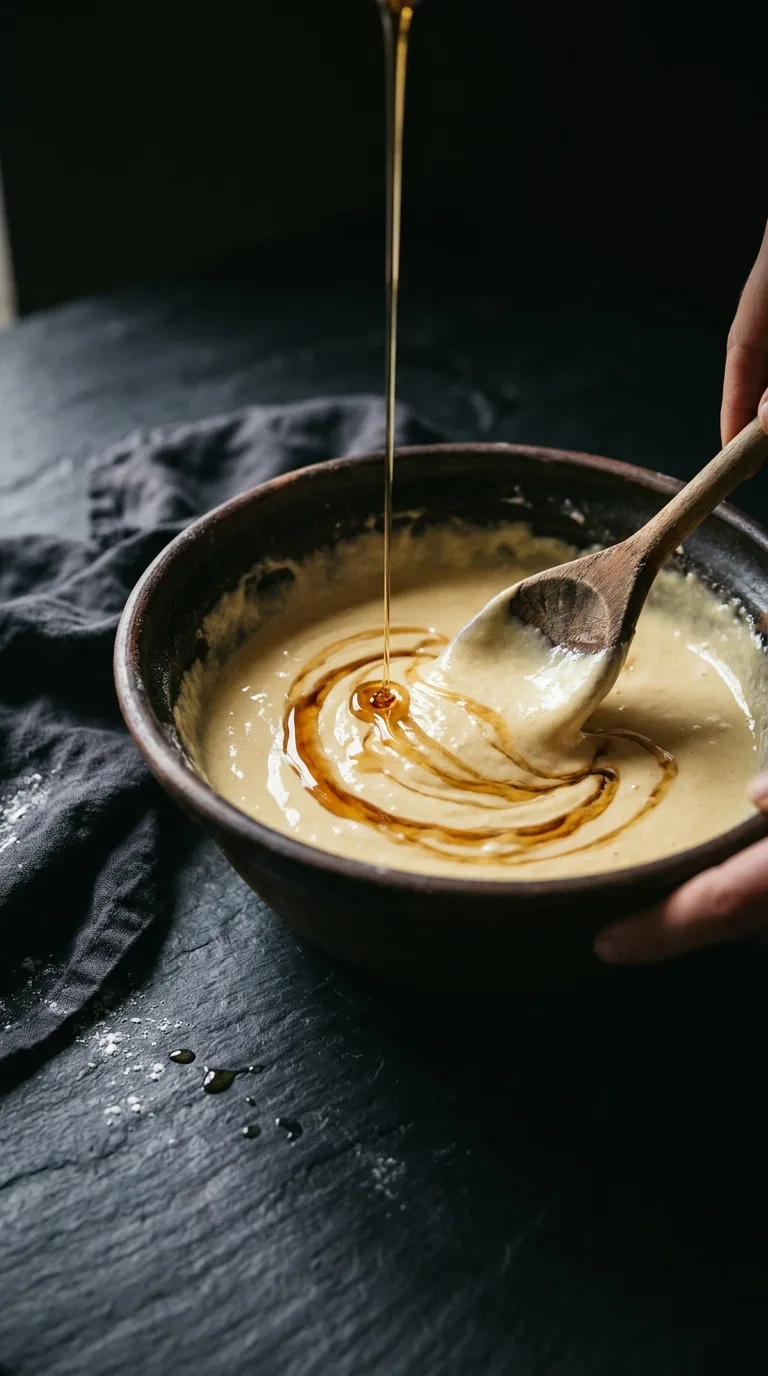
Fold 15 g of maple syrup into the batter if you prefer a sweeter taste. Stir gently to keep the air in the mixture. This ensures the sweetness is evenly distributed.
-
Test the temperature
Return the butter to the pan and let it melt completely. Sprinkle a drop of batter onto the surface. It should swirl rather than fry instantly, which tells you the pan is not too hot.
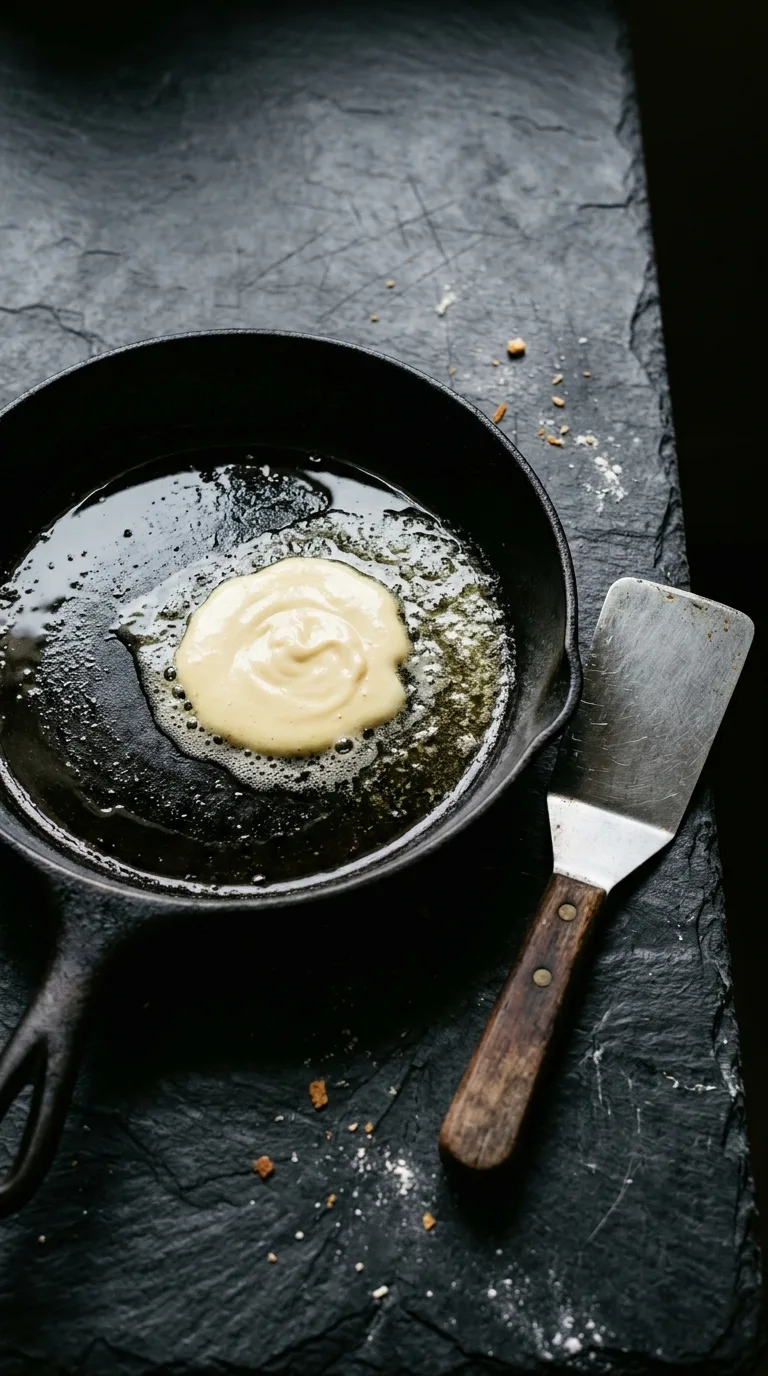
-
Cook the pancakes
Pour 60 ml of batter to form a 10-cm circle. Cook for 2–3 minutes until bubbles form and edges look set. Flip carefully and cook for 1–2 minutes more.
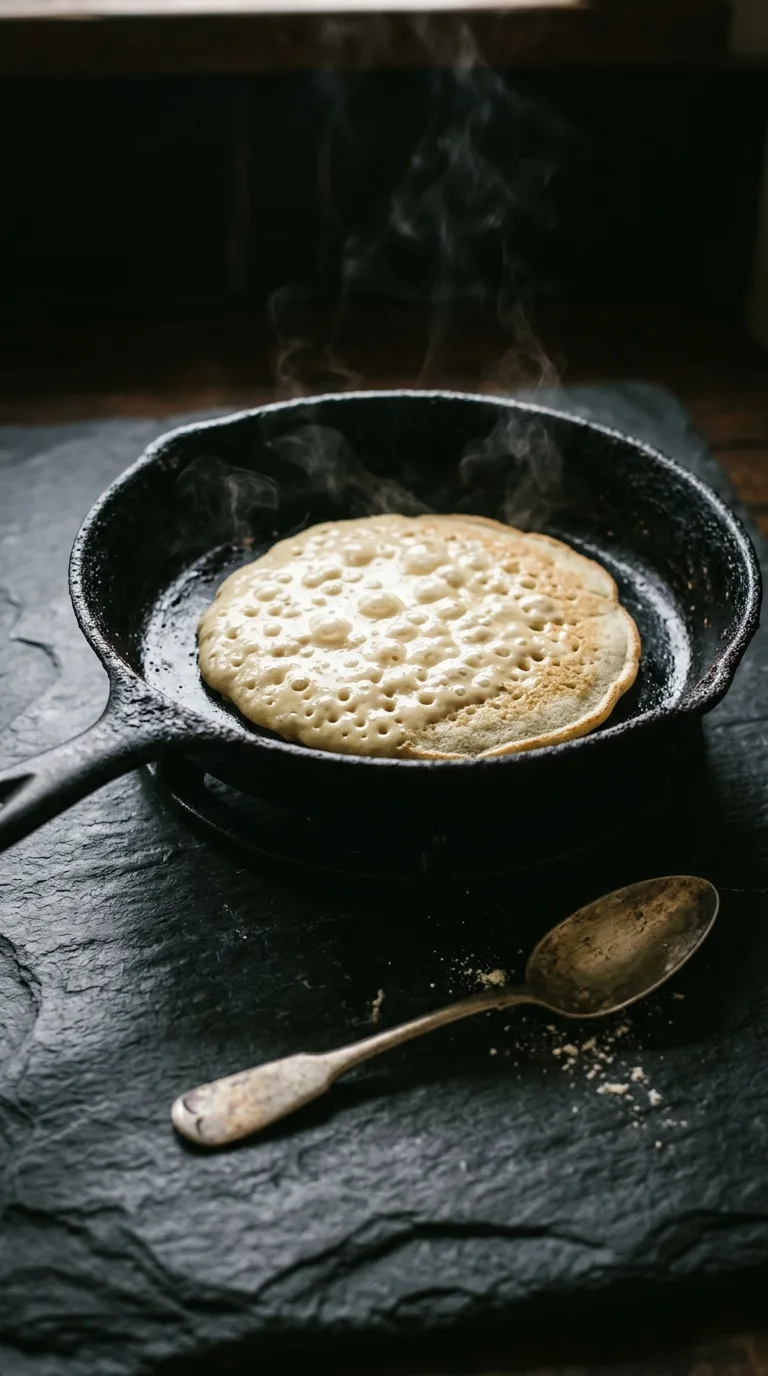
-
Keep warm and serve
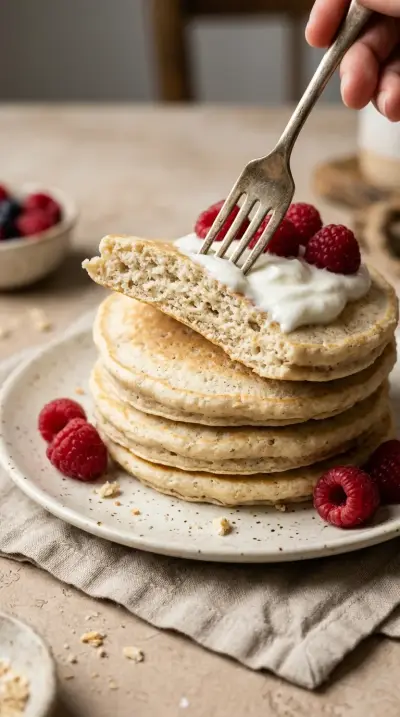
Repeat the process for the remaining batter. Keep finished pancakes in a low-heated oven at 70°C (158°F) to maintain their texture. Serve immediately with fruit or Greek yoghurt.
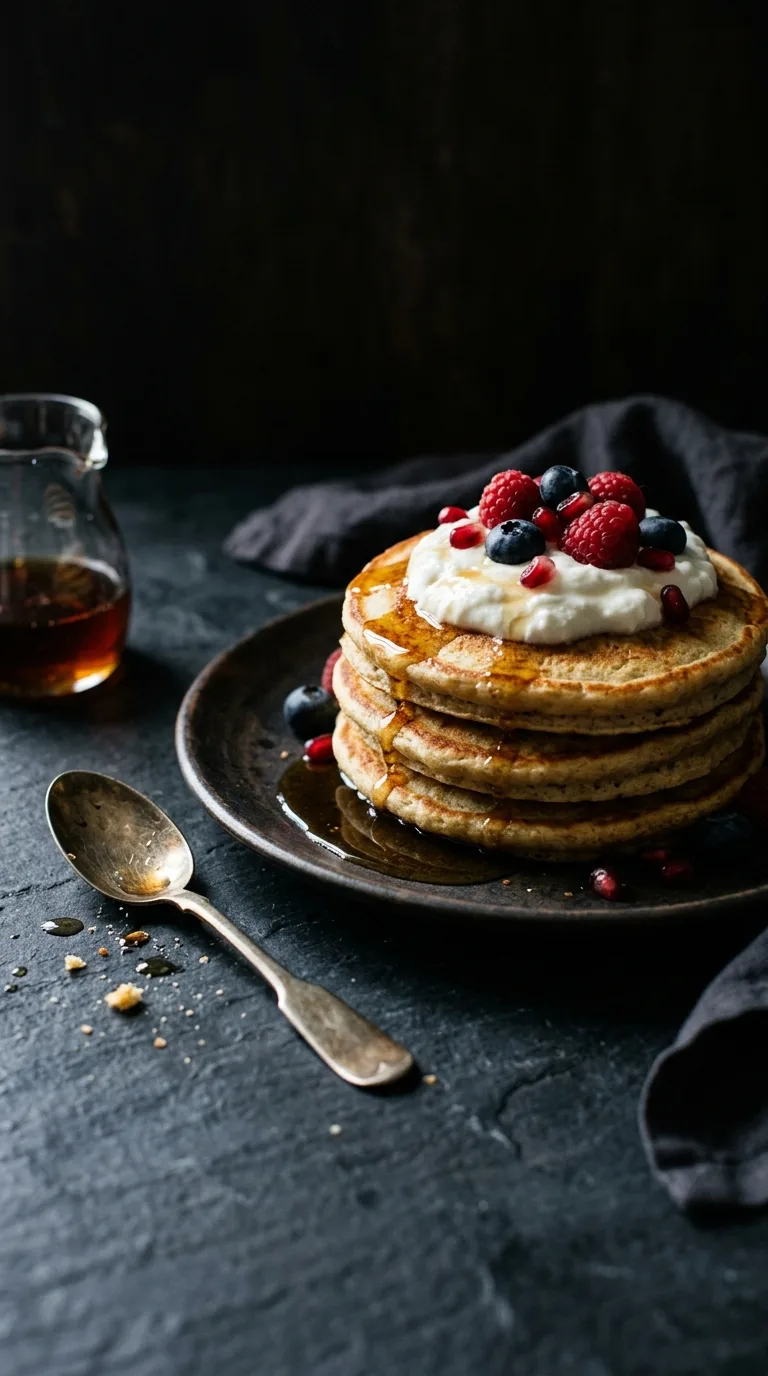
Maintain a medium-low heat throughout the process. If the pan is too hot, the exterior will over-cook and brown quickly while the centre remains runny. This high heat also causes the protein powder to develop a chalky taste, ruining the lightness of the pancake.
How it differs from the traditional method
The addition of whey protein reduces the overall carbohydrate content and increases the protein density. This creates a denser structure than standard flour pancakes. Use a traditional recipe if you require a lighter, airier crumb, as protein powder can become dry or chalky if overcooked on high heat.
Storing and reheating
Store leftover pancakes in an airtight container in the fridge for up to 2 days. To freeze, place them on a parchment-lined tray until solid before transferring to a bag. Reheat gently in a toaster or microwave for 30–45 seconds to restore the soft texture without drying the centre.
Nutrition per serving
- Calories
- 220
- Protein
- 25.0 g
- Carbs
- 14.5 g
- Fat
- 6.2 g
- Fiber
- 1.1 g
- Sugar
- 5.8 g
Estimated, and offered as a guide rather than a medical figure.
Made it? Rate it.
Questions people ask
Are protein powder pancakes good for you?
Yes. They provide a high amount of protein and fewer refined carbohydrates than standard pancakes. This combination supports muscle recovery and keeps you satiated longer, making them a nutritious choice for a lean breakfast.
Can I make pancakes out of protein powder?
Yes. Combining protein powder with flour, egg, and milk creates a stable batter. The flour provides the necessary structure to prevent the pancakes from collapsing or becoming too rubbery during the cooking process.
Can I just put protein powder in my pancake mix?
No. Protein powder absorbs more liquid than flour. You must adjust the milk quantity or use a specific ratio to avoid a batter that is too thick, which would result in an undercooked centre.

About the author
Makeva
Makeva is a home‑cook who loves crafting approachable meals that balance flavor and nutrition. She specializes in quick weeknight dinners, hearty soups, and wholesome baked goods, sharing step‑by‑step guidance and practical tips. Readers can expect clear instructions, adaptable recipes, and a friendly tone that encourages confidence in the kitchen.