Protein Powder Pancake Bake: High-Protein Breakfast Square
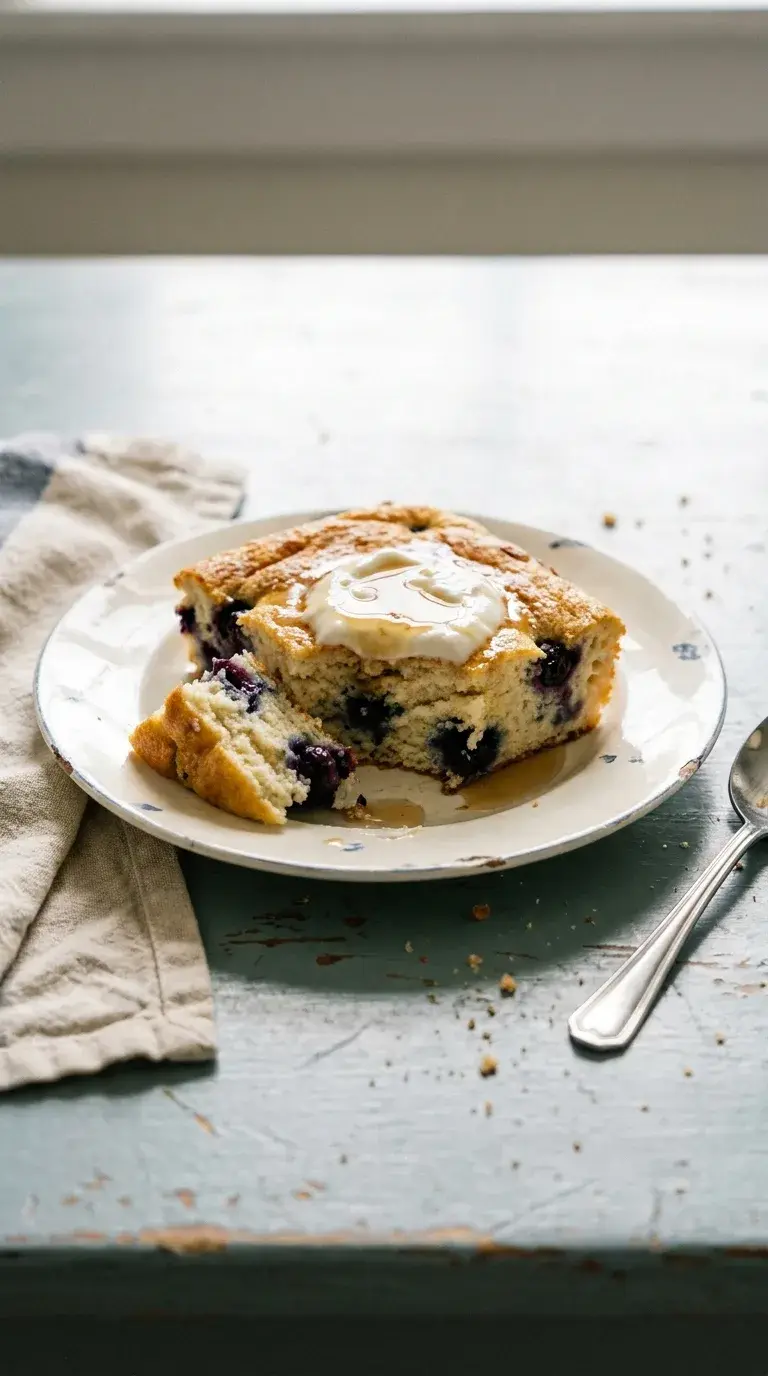
Traditional pancakes require you to stand over a hot griddle, flipping each disc individually. This protein powder pancake bake moves the process to the oven, allowing you to cook a large batch at once. By using a 23 cm square baking pan, you eliminate the repetitive labour of stovetop frying. This method ensures an even rise and a consistent texture across every slice, making it a practical choice for busy mornings.
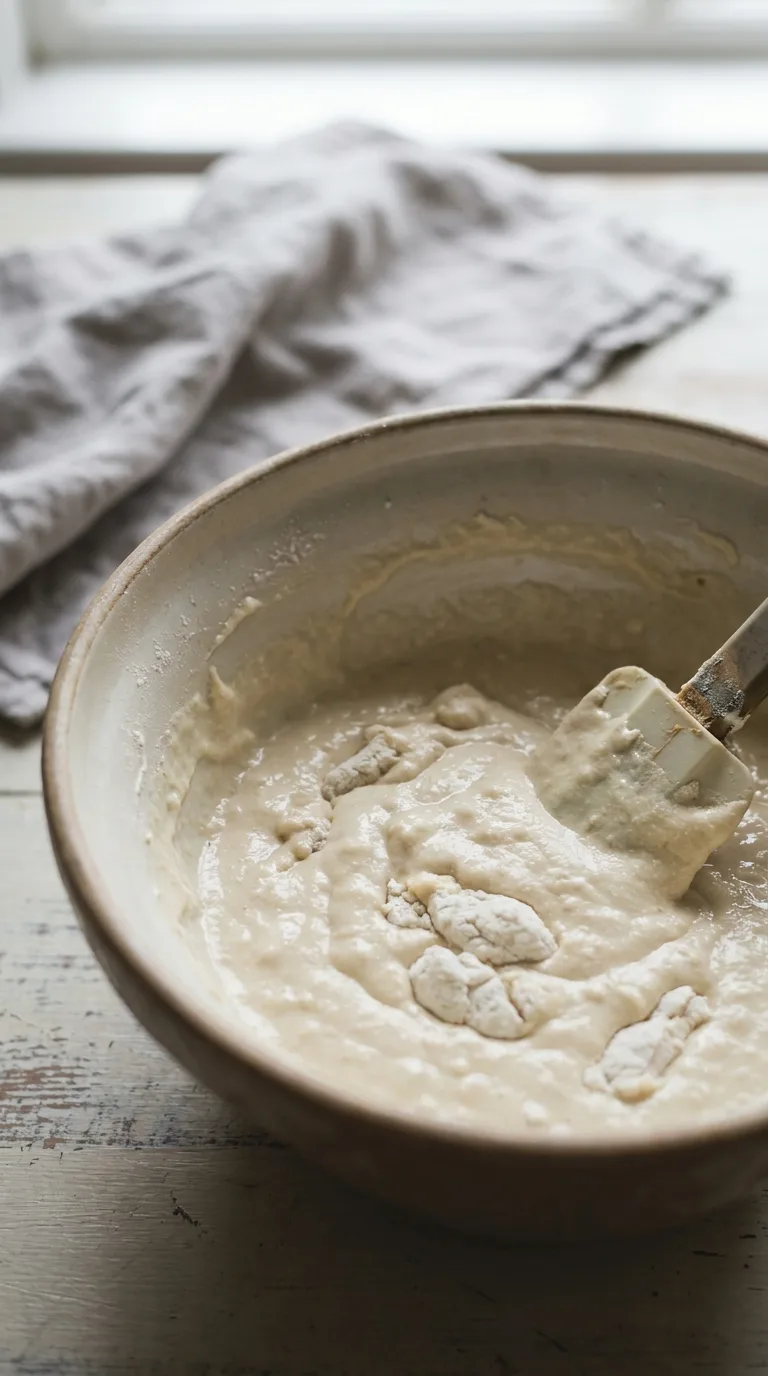
The result is a fluffy, protein-rich square with a lightly golden edge. Stir the batter only until the wet ingredients are incorporated. Do not over-mix the mixture, as this can activate excess protein and turn the bake gritty. This single step prevents a chalky after-taste and preserves the airy crumb. Once you bake the batter at 180°C (350°F) for 30 minutes, you have a sturdy piece that is easy to slice and carry.
Protein Powder Pancake Bake: High-Protein Breakfast Square
Recipe cardIngredients
Watch how it's made
Instructions
-
Prepare the oven
Preheat your oven to 180°C (350°F). Grease a 23 cm x 23 cm (9-inch) square baking pan with a light coating of oil or butter. This prevents the cake from sticking to the sides.
-
Mix dry ingredients
Whisk the flour, protein powder, baking powder, baking soda and salt in a medium bowl. Ensure the powder is evenly distributed. This avoids clumps of leavening agent in the finished bake.
-
Combine wet ingredients
Whisk the milk, Greek yogurt, eggs and vanilla extract in a separate bowl. Beat them until the mixture is completely smooth. A homogenous base ensures the batter emulsifies correctly.
-
Form the batter
Pour the wet mixture into the dry ingredients. Stir gently with a rubber spatula until just combined. Leave the batter slightly lumpy to prevent a dense, heavy texture.
-
Fold in additions
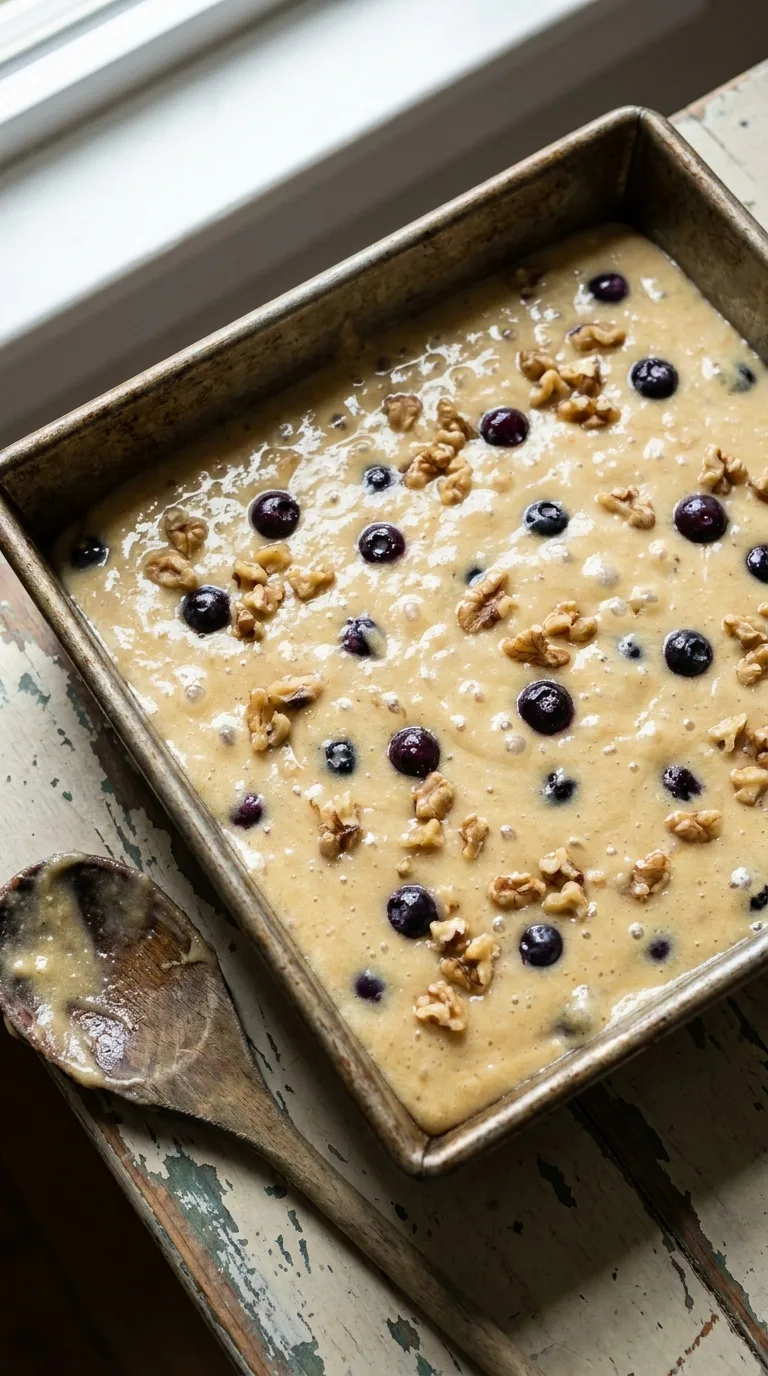
Fold in the blueberries and chopped walnuts if you are using them. Keep a handful of the fruit and nuts to scatter on top. This ensures an even distribution of flavour through the cake.
-
Bake the pancake
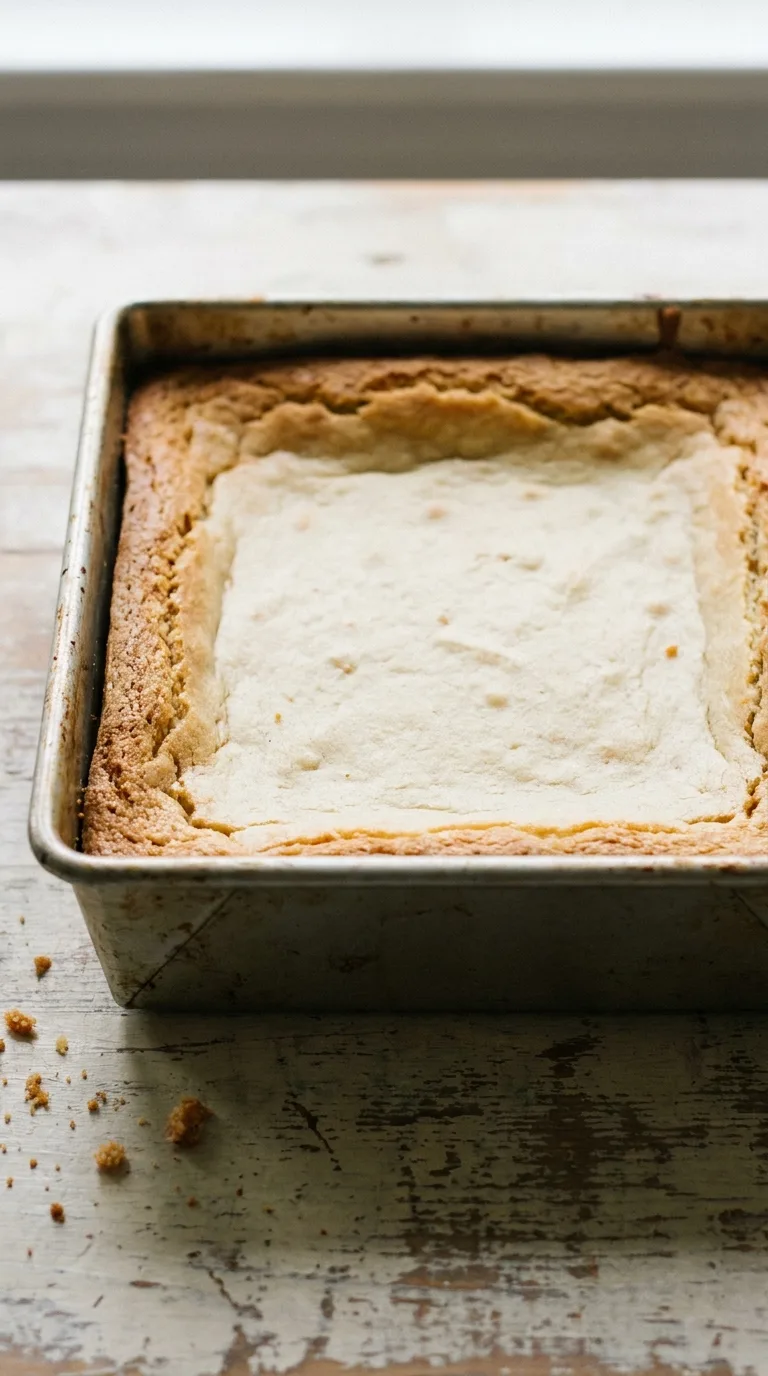
Spread the batter in the pan and tap it on the counter to release large bubbles. Bake uncovered for 30 minutes. The top should be set and a skewer inserted in the centre must come out clean.
-
Cool and slice
Let the bake cool in the pan for 10 minutes. Turn it out onto a wire rack to cool completely. Slicing into 6 equal squares after cooling prevents the cake from crumbling.
Do not over-mix your batter once the wet and dry ingredients meet. Stir only until incorporated to avoid activating excess protein, which creates a gritty or chalky after-taste. If the batter becomes too smooth, the texture will lose its fluffiness and become rubbery.
How it differs from the traditional method
Baking removes the need to flip individual cakes on a stove. This method creates a denser, more cohesive structure that is easier to transport. Stick to the traditional pan-frying method if you prefer thin, lacey edges and a lighter, airier crumb for each single pancake.
Storing and reheating
Keep slices in an airtight container at room temperature for 2 days. For longer storage, freeze portions for 2 months. Thaw in the fridge overnight and reheat in the microwave for 1-2 minutes or use a toaster oven to restore a crisp finish to the exterior.
Nutrition per serving
- Calories
- 312
- Protein
- 22.4 g
- Carbs
- 31.2 g
- Fat
- 11.8 g
- Fiber
- 2.1 g
- Sugar
- 8.5 g
Estimated, and offered as a guide rather than a medical figure.
Made it? Rate it.
Questions people ask
Can you cook protein powder into pancakes?
Yes. You can integrate protein powder into the batter to increase the nutrient density. Use a gentle mixing technique to prevent the protein from over-activating, which ensures the final bake remains soft rather than becoming rubbery or dry.
How do I make protein pancakes in the oven?
Combine your wet and dry ingredients into a batter and spread them into a greased 23 cm square pan. Bake at 180°C (350°F) for 30 minutes until a skewer inserted into the centre comes out clean.
Can I substitute protein powder for flour in pancakes?
No. Protein powder lacks the gluten and starch structure of flour. Replacing all the flour with protein powder would result in a fragile, dry bake that fails to hold its shape or rise properly during the baking process.

About the author
Makeva
Makeva is a home‑cook who loves crafting approachable meals that balance flavor and nutrition. She specializes in quick weeknight dinners, hearty soups, and wholesome baked goods, sharing step‑by‑step guidance and practical tips. Readers can expect clear instructions, adaptable recipes, and a friendly tone that encourages confidence in the kitchen.