Protein Powder Dairy-Free Pancakes: American Breakfast
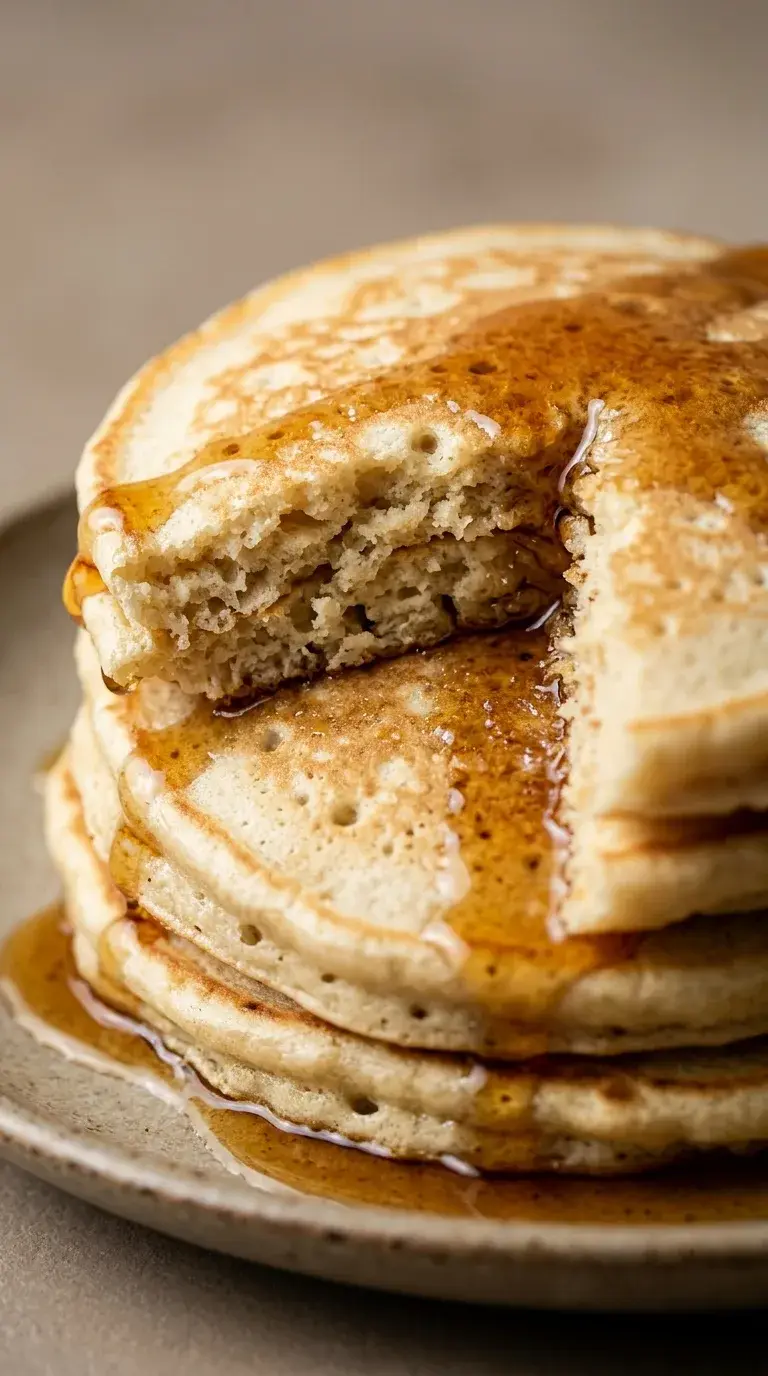
These protein powder dairy free pancakes are a staple of American-style breakfasts. They combine oat flour and plant-based protein powder with oat milk and coconut oil to create a light, creamy texture. Each pancake provides roughly 12 g of protein and 18 g of fibre. Serve them with maple syrup or fresh berries to add natural sweetness to the savoury base.
You must let the batter rest for 5 minutes before cooking. This allows the flour fibres to hydrate and the leavening to initialise, which ensures the pancakes stay light. Maintain a steady medium heat of 175°C (347°F) in your skillet. If the pan is too hot, you will char the exterior before the interior cooks. If the heat is too low, you will produce soggy pancakes.
Protein Powder Dairy-Free Pancakes: American Breakfast
Recipe cardIngredients
Watch how it's made
Instructions
-
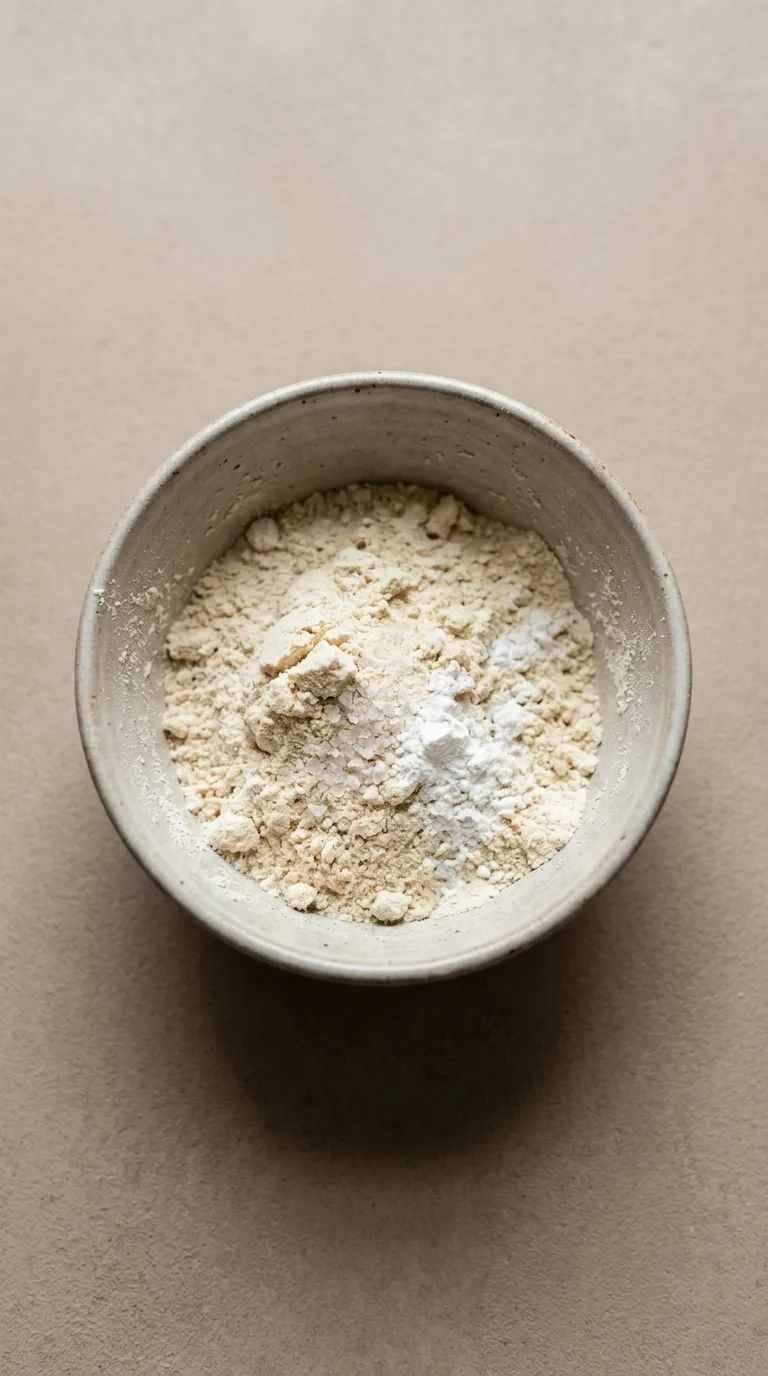
Combine dry ingredients
Whisk the oat flour, protein powder, baking powder, and sea salt in a small bowl. Stir until no lumps remain. This ensures the leavening agent is evenly distributed for a consistent rise.
-
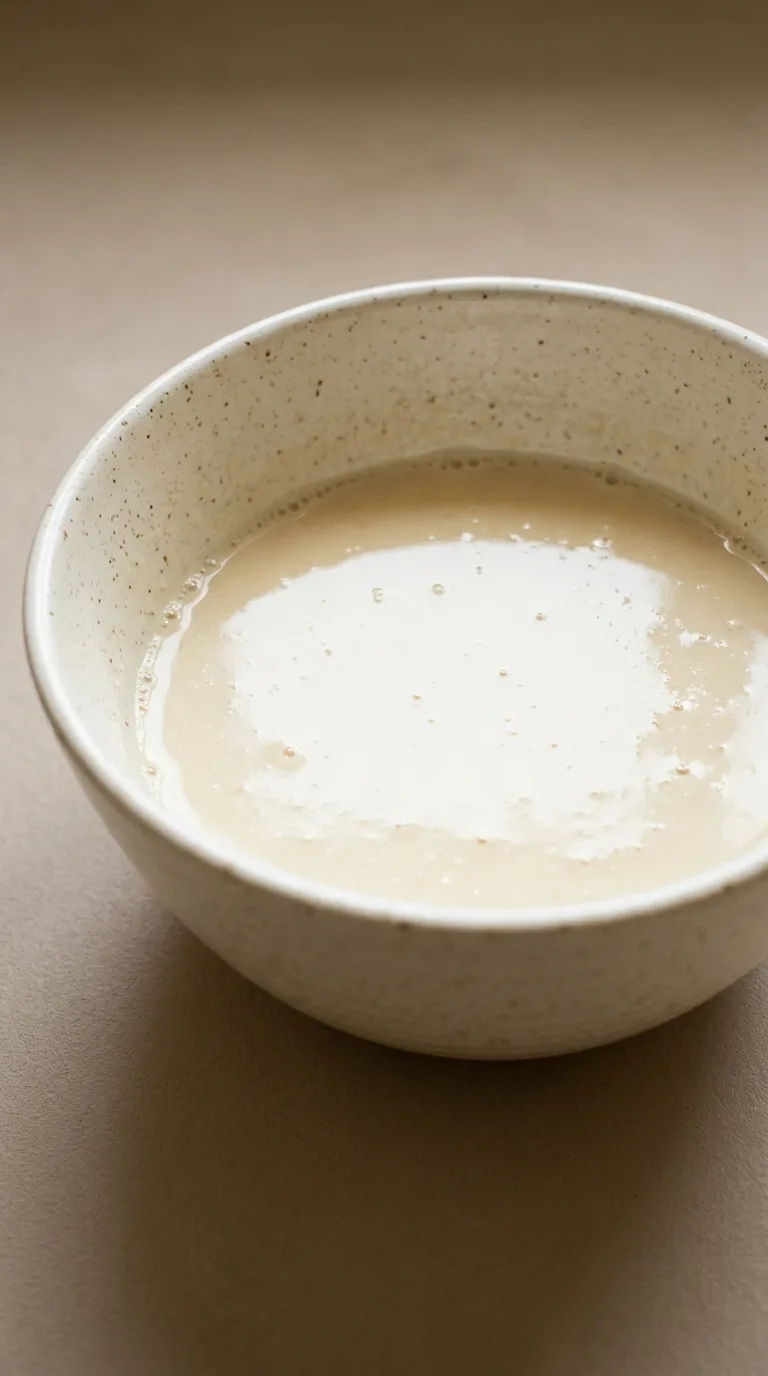
Mix wet ingredients
Combine the oat milk, melted coconut oil, beaten egg, and vanilla extract in a medium bowl. Whisk until the mixture is smooth. Proper emulsification prevents the oil from separating during cooking.
-
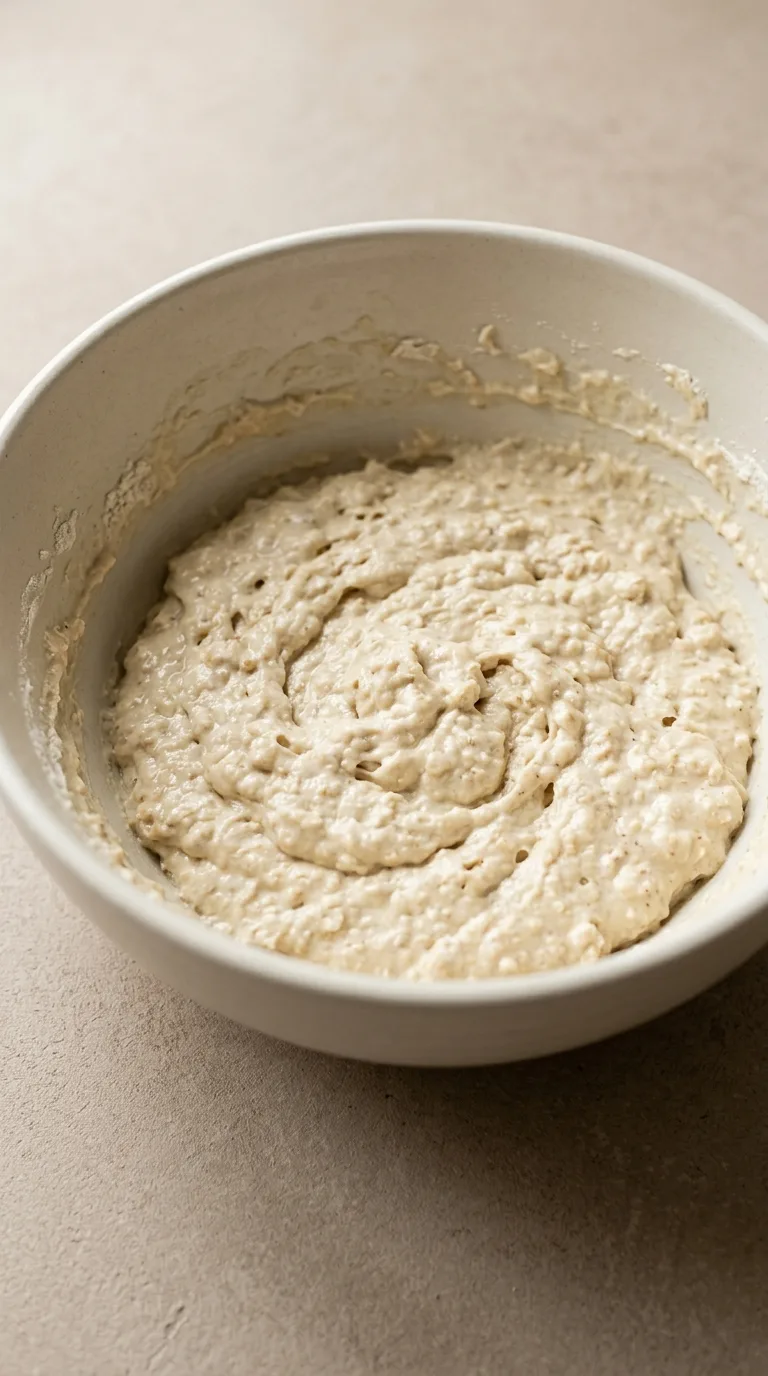
Blend the batter
Pour the wet mixture over the dry ingredients. Stir gently until the batter is just blended. Leave the batter slightly lumpy to avoid over-mixing, which would make the pancakes tough.
-
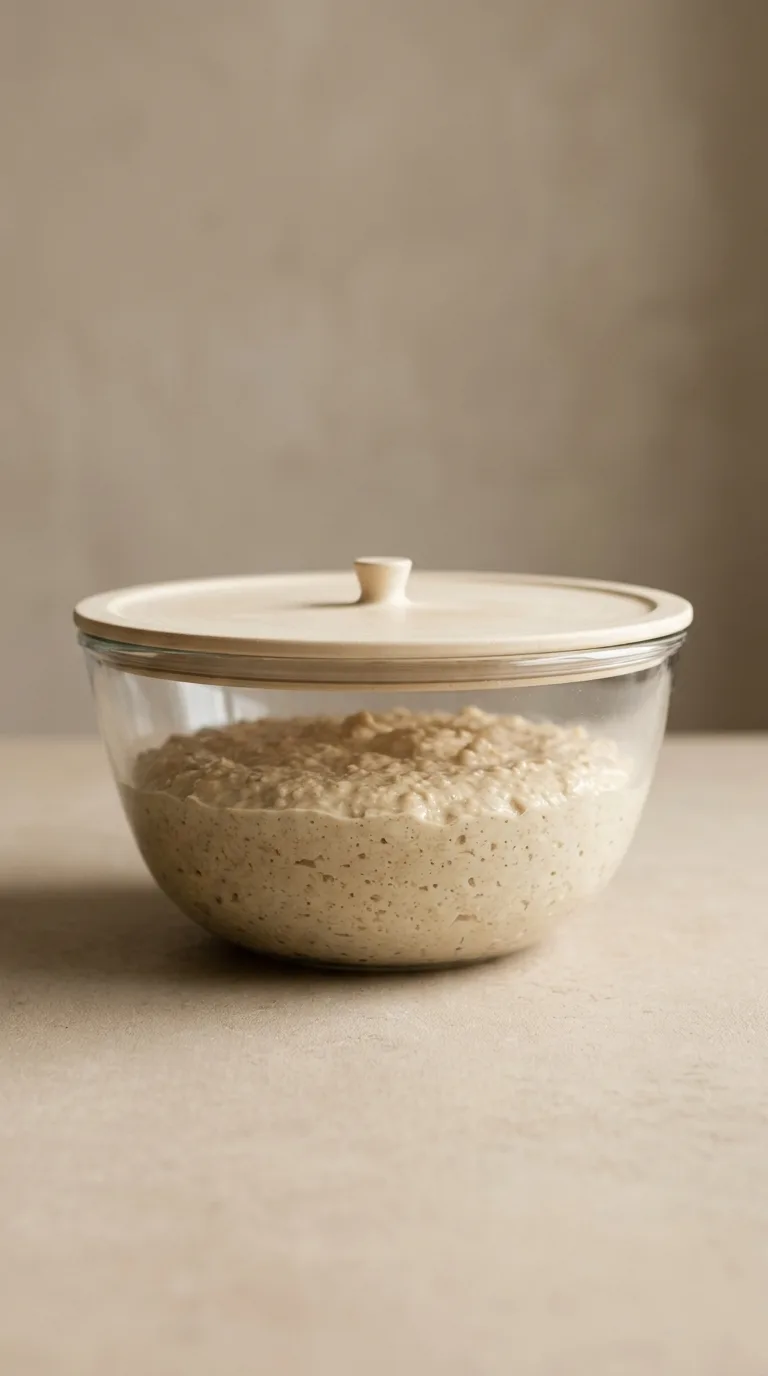
Rest the batter
Cover the bowl and let the batter sit. This allows the flour fibres to hydrate and the leavening to initialise. You will get lighter, fluffier pancakes by waiting.
-
Prepare the skillet
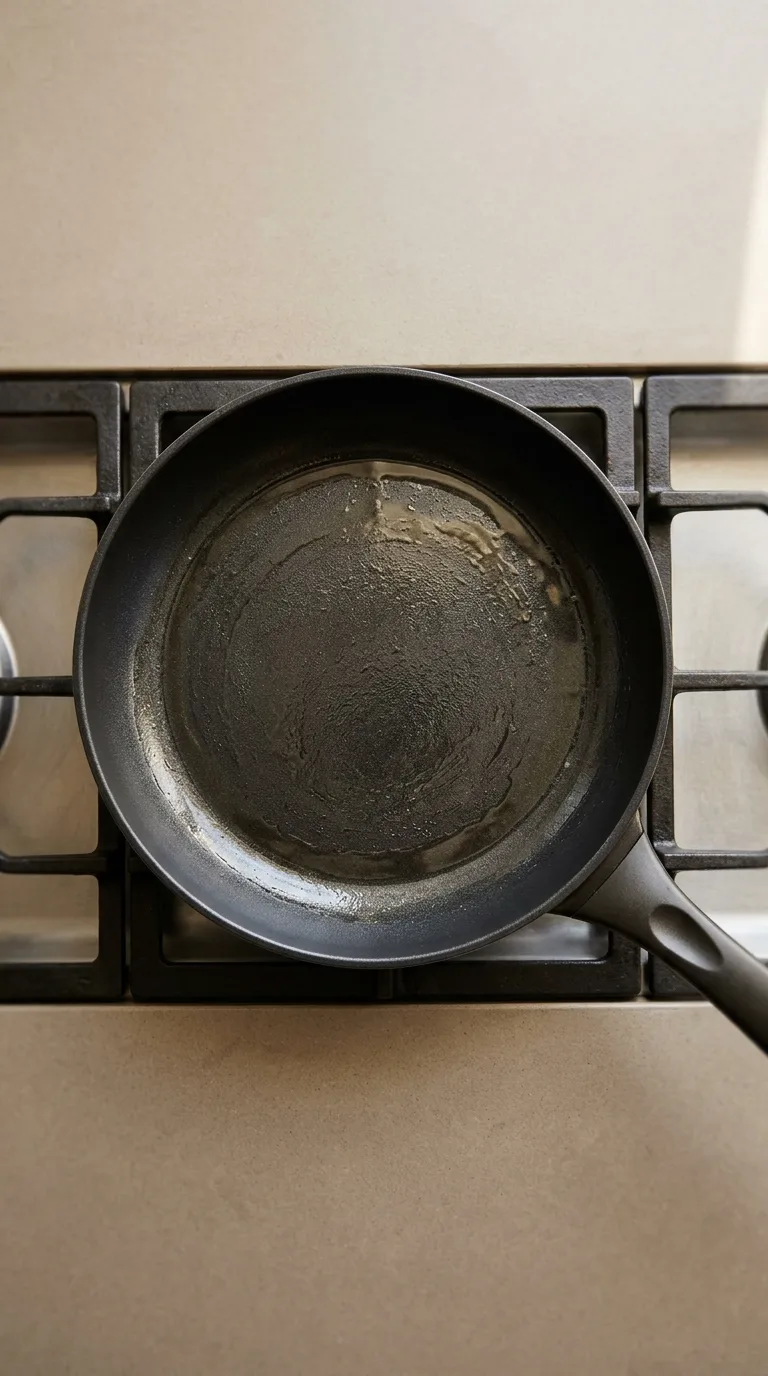
Heat a 30 cm non-stick skillet over medium heat at 175°C (347°F). Brush the surface lightly with coconut oil. This prevents the batter from sticking to the pan.
-
Cook the first side
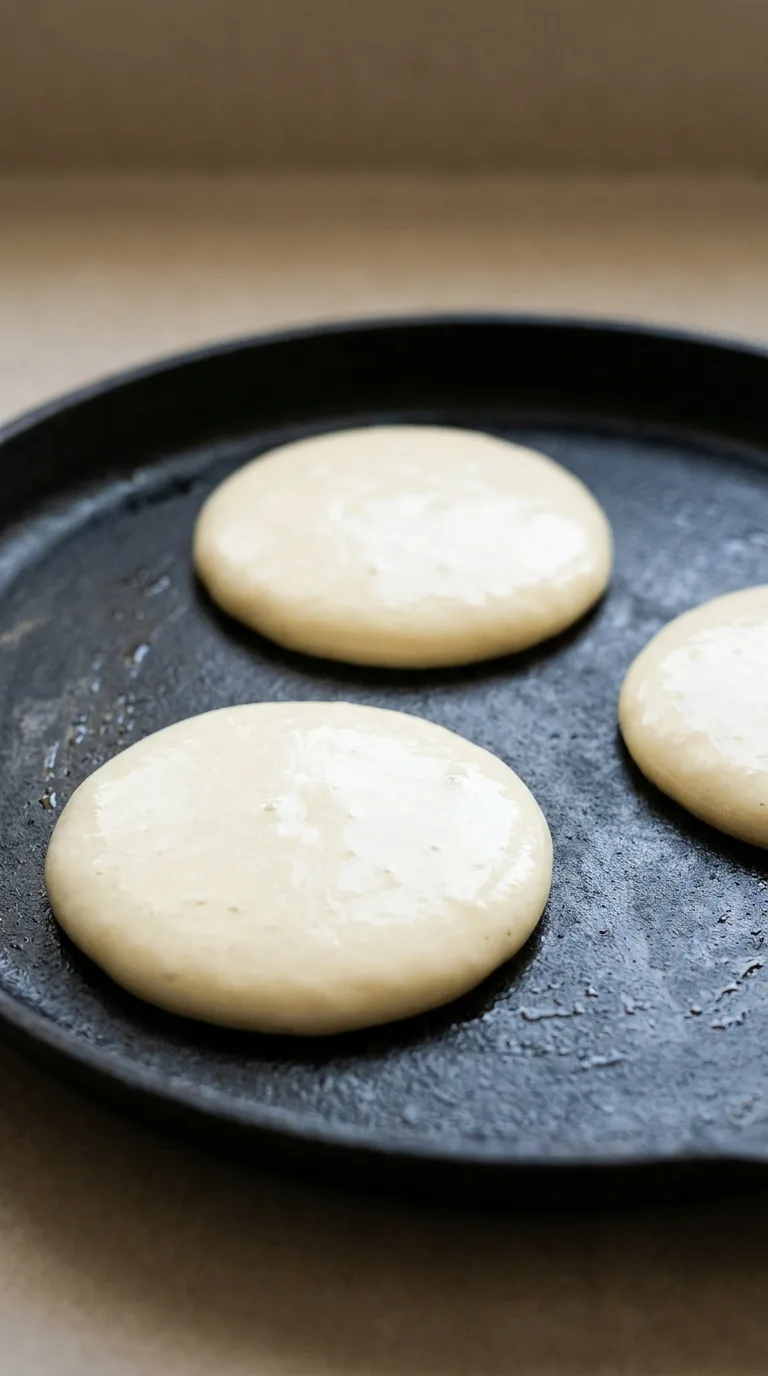
Ladle 60 ml portions of batter onto the pan, spacing them 5 cm apart. Swirl the skillet to form uniform circles. Cook for 2 minutes until bubbles form and edges look set.
-
Brown the second side
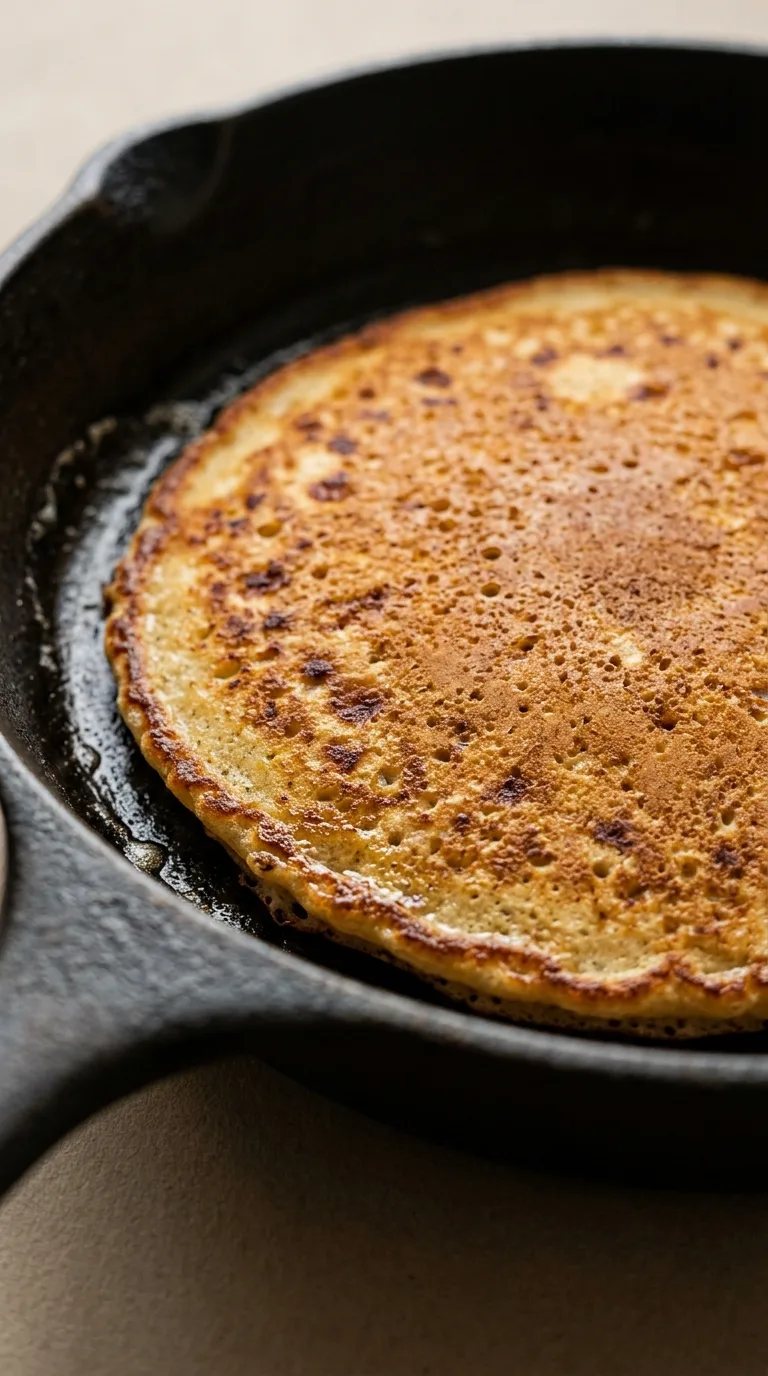
Flip the pancakes carefully with a spatula. Cook the second side for 1 minute. They are finished when they are golden brown and firm to the touch.
-
Keep warm and serve
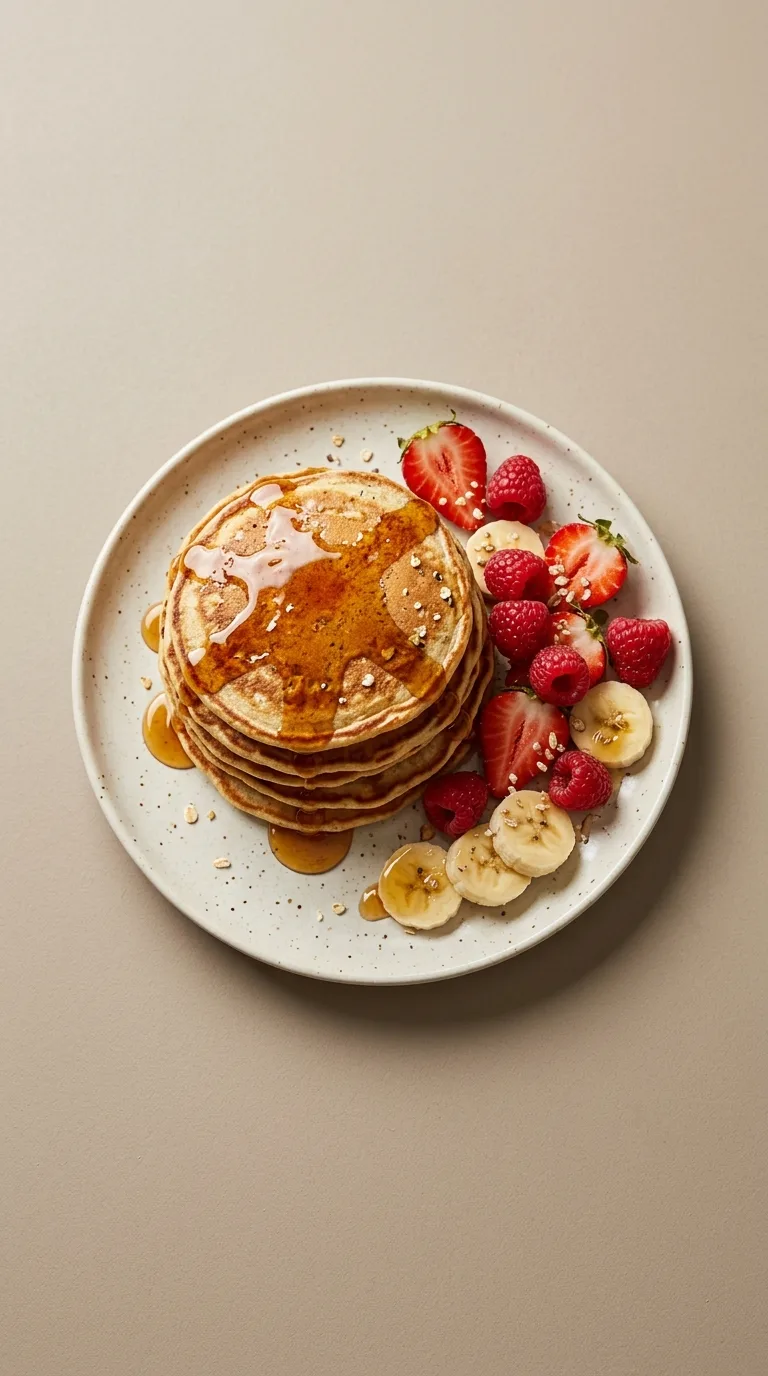
Transfer the finished pancakes to a clean plate. Cover them loosely to keep them warm. Serve immediately with maple syrup or fruit puree for the best texture.
Maintain a steady medium heat. If the pan is too hot, you will char the exterior before the interior cooks. If the heat is too low, you will produce soggy pancakes. If the batter is too thin, stir in a tablespoon of oat flour to reach a pourable consistency.
What to serve with it
Arrange the pancakes in a fan shape and drizzle with pure maple syrup. Top them with sliced banana, vanilla-flavoured coconut yoghurt, and a pinch of sea salt for a sweet savoury contrast. You can also create a breakfast sandwich by spreading almond butter between two pancakes with fresh strawberries and honey.
Storing and reheating
Store pancakes in an airtight tin at room temperature for up to 2 hours. For longer storage, place them in a freezer-proof zip bag and freeze for up to 3 months. Reheat them in a toaster or a microwave at 300W for 20 to 30 seconds before serving.
Nutrition per serving
- Calories
- 310
- Protein
- 24.0 g
- Carbs
- 32.0 g
- Fat
- 12.0 g
- Fiber
- 18.0 g
- Sugar
- 8.0 g
Estimated, and offered as a guide rather than a medical figure.
Made it? Rate it.
Questions people ask
How to make protein pancakes without dairy?
Use oat milk and melted coconut oil instead of cow milk and butter. These plant-based alternatives provide the necessary moisture and fats to maintain a fluffy texture while keeping the recipe entirely dairy-free.
Can I make protein pancakes without milk?
Yes, you can substitute the oat milk with water or another nut milk. However, using a creamy plant-based milk ensures the pancakes remain soft and carry a richer flavour throughout the batter.
Can I make pancakes out of protein powder?
Yes, you can use protein powder as a primary flour substitute. Combine it with oat flour and a leavening agent like baking powder to ensure the pancakes rise and do not become too dense.

About the author
Makeva
Makeva is a home‑cook who loves crafting approachable meals that balance flavor and nutrition. She specializes in quick weeknight dinners, hearty soups, and wholesome baked goods, sharing step‑by‑step guidance and practical tips. Readers can expect clear instructions, adaptable recipes, and a friendly tone that encourages confidence in the kitchen.