Protein Powder Cottage Cheese Pancakes: High-Protein Breakfast
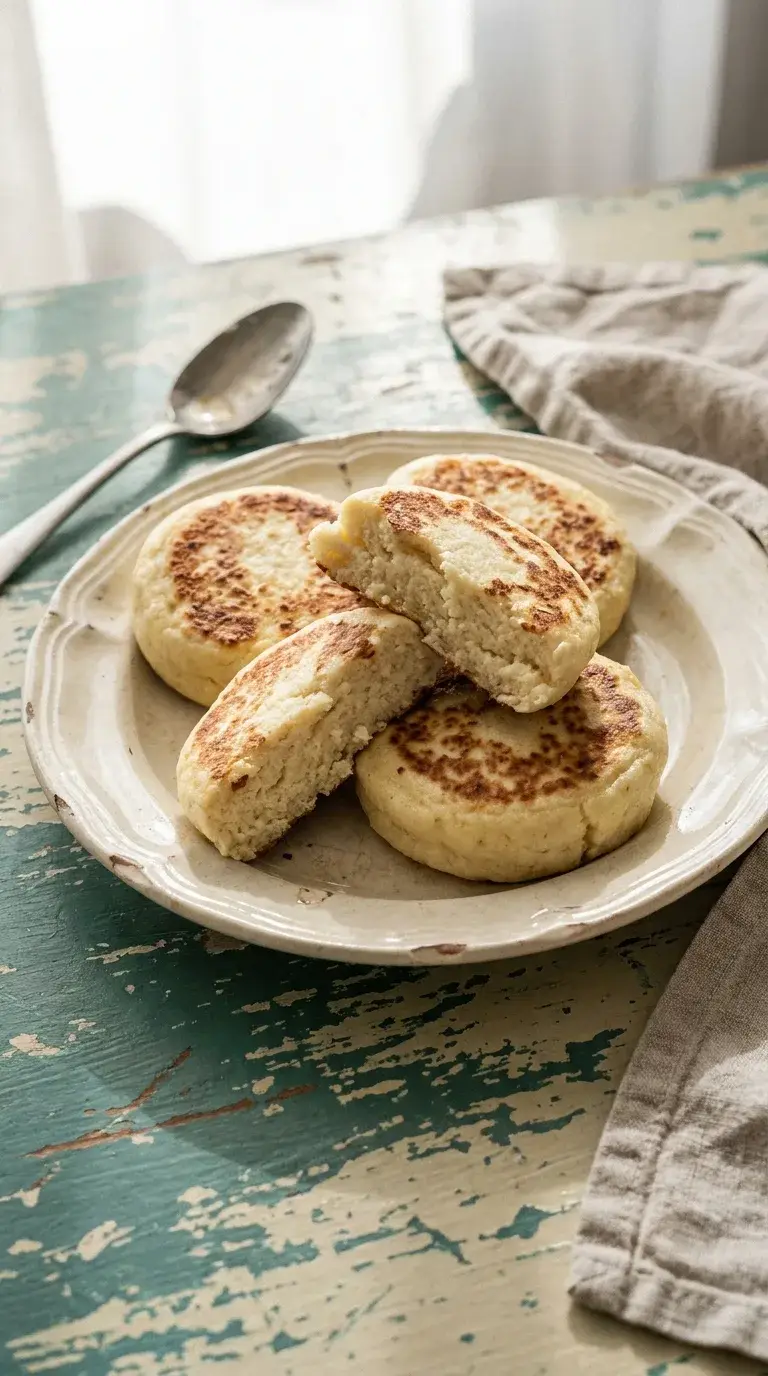
Standard American pancakes rely on refined flour and sugar for structure and taste. These protein powder cottage cheese pancakes replace those staples with rolled oats and cottage cheese. Use a blender to process the ingredients into a smooth batter. This method removes the curdled texture of the cheese and creates a uniform consistency that cooks evenly in a non-stick skillet.
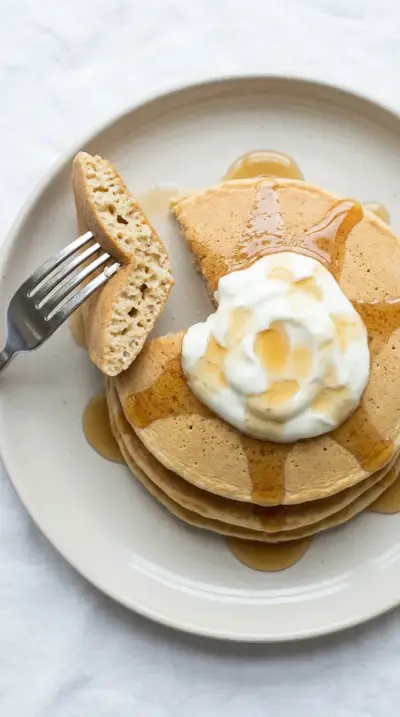
The result is a fluffy pancake that remains firm to the touch. You must heat your skillet to 180°C (356°F) before pouring the batter to ensure the edges set quickly. This high temperature creates the golden brown colour on the underside. Cook each side until bubbles appear on the surface, ensuring the centre is fully set before you serve them with fresh berries or Greek yoghurt.
Protein Powder Cottage Cheese Pancakes: High-Protein Breakfast
Recipe cardIngredients
Watch how it's made
Instructions
-
Blend the batter
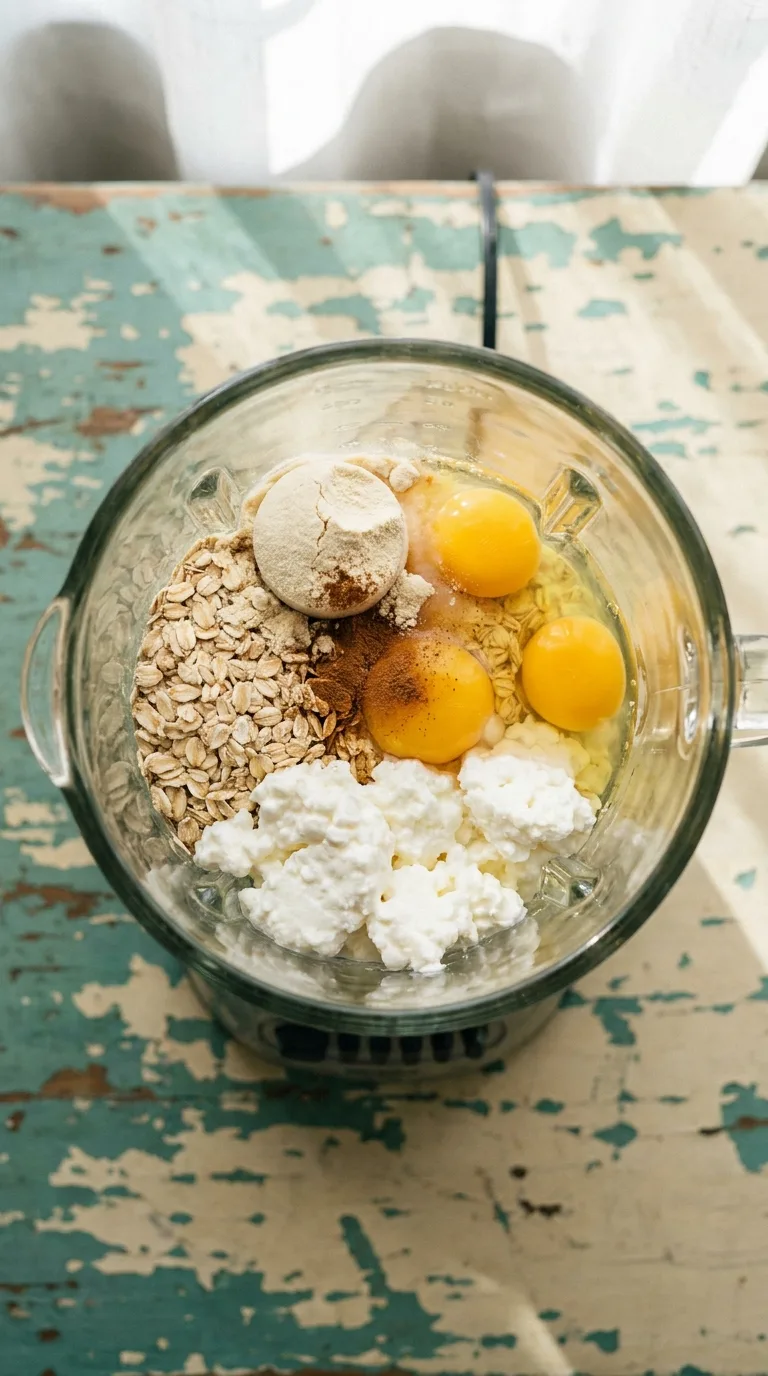
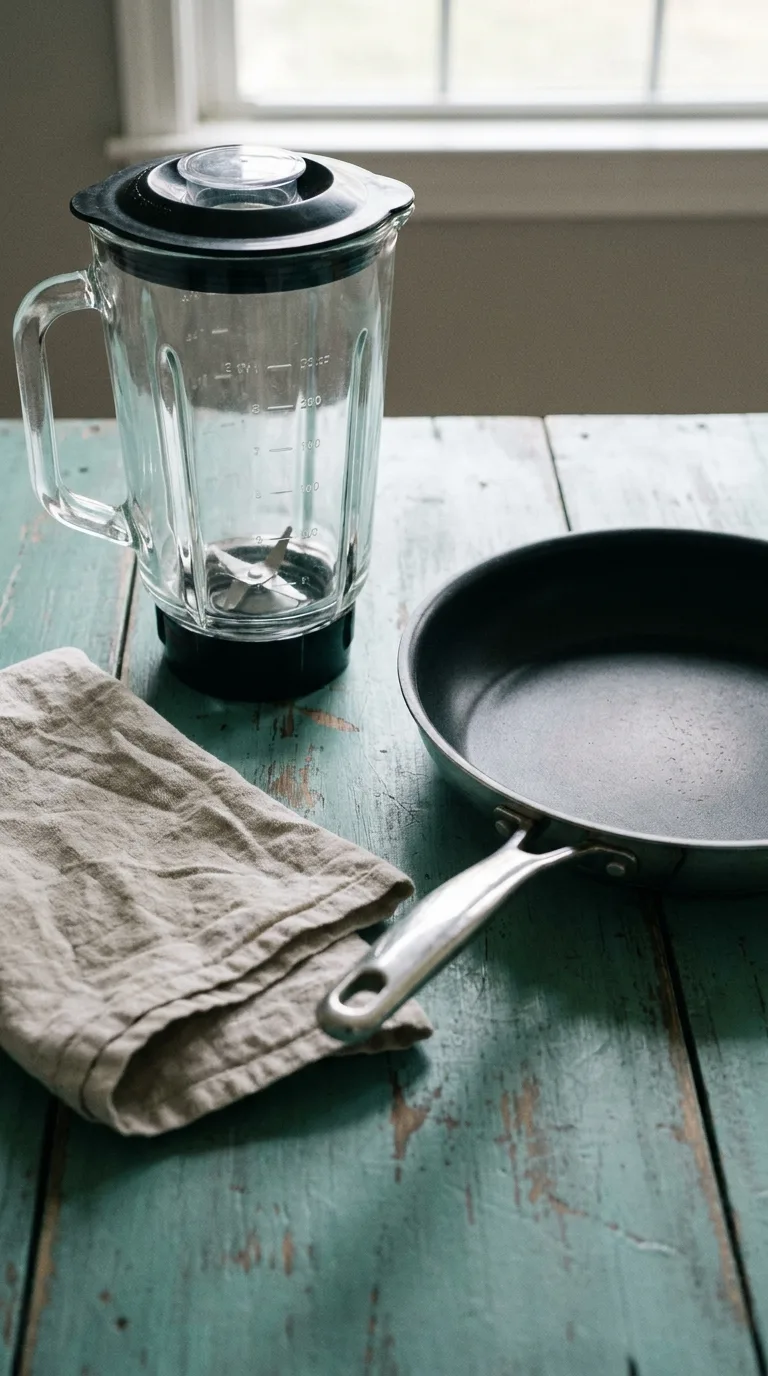
Place the cottage cheese, rolled oats, eggs, protein powder, baking powder, vanilla extract, sweetener, and cinnamon into a blender. Blend on high speed for about 30 seconds until the mixture is smooth and glossy. This ensures the oats are fully broken down for a uniform texture.
-
Adjust the consistency
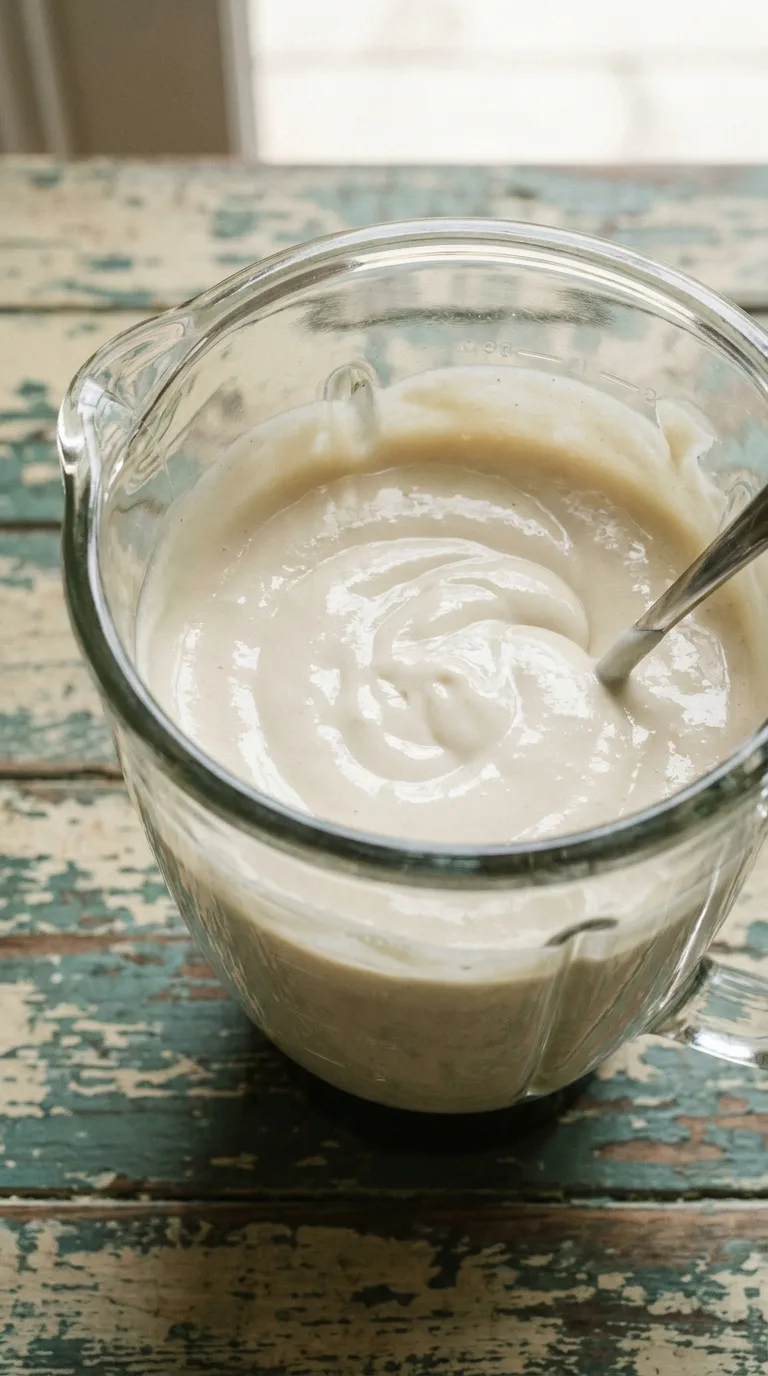
Check if the batter is pourable. If it feels too thick, add 30 ml almond milk or water one tablespoon at a time. A smooth consistency allows the pancakes to spread evenly in the pan.
-
Heat the skillet
Pre-heat a non-stick skillet over medium-high heat to 180°C (356°F). Lightly brush the surface with olive oil or non-stick spray. Proper heating prevents the batter from sticking to the pan.

-
Pour the batter
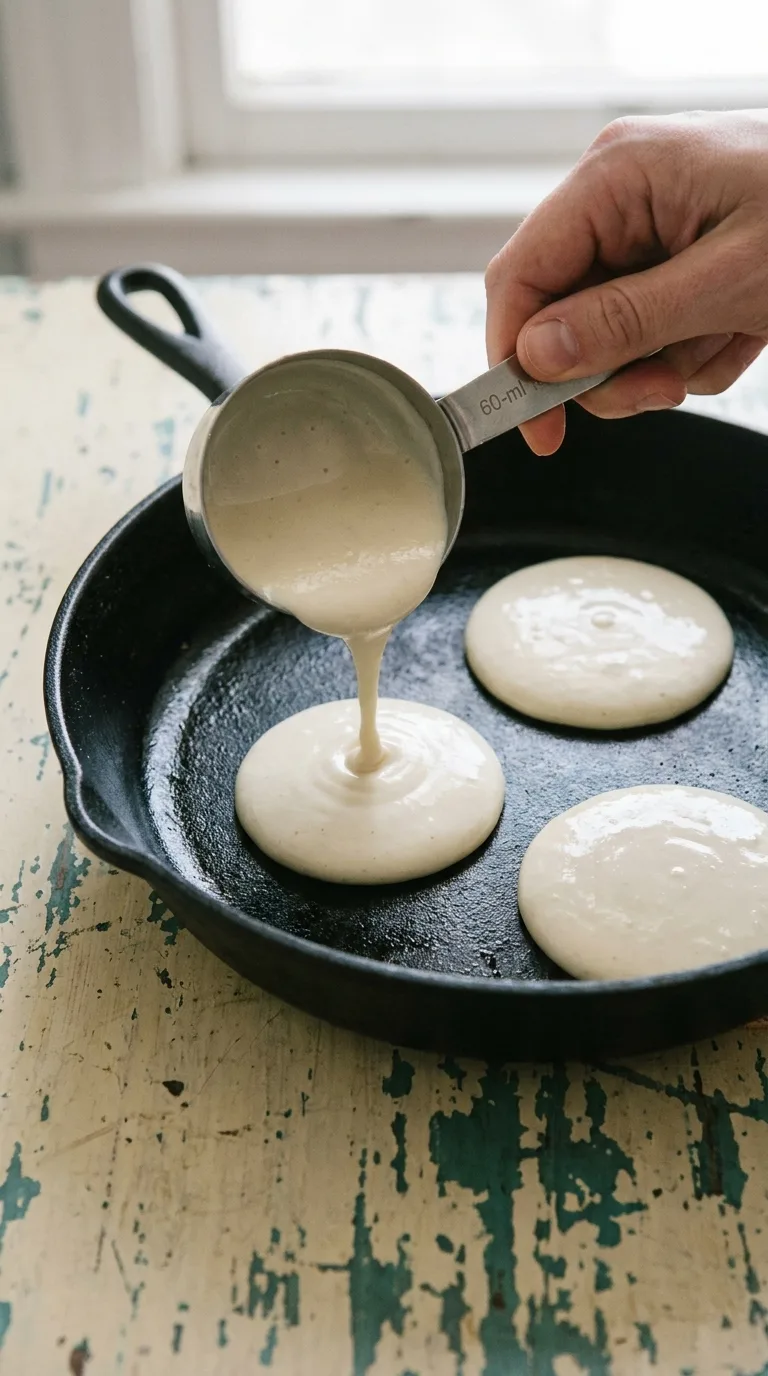
Use a 60 ml measuring cup to pour a dollop of batter onto the hot skillet. Space the pancakes about 5 cm apart. This gives you room to flip them without damaging the edges.
-
Cook the first side
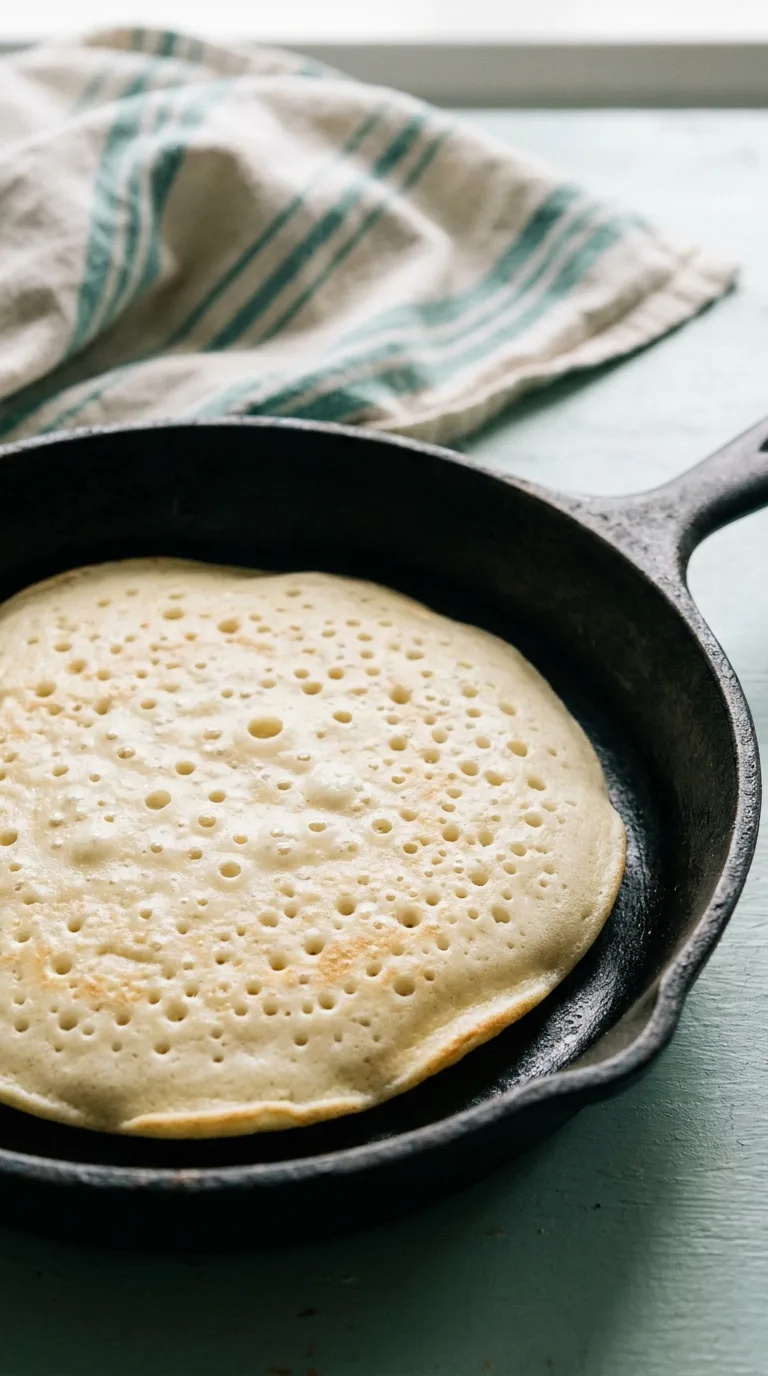
Cook for roughly 2–3 minutes until bubbles appear on the surface and the edges look set. The underside should be lightly golden. These bubbles signal that the bottom is cooked through.
-
Flip and finish
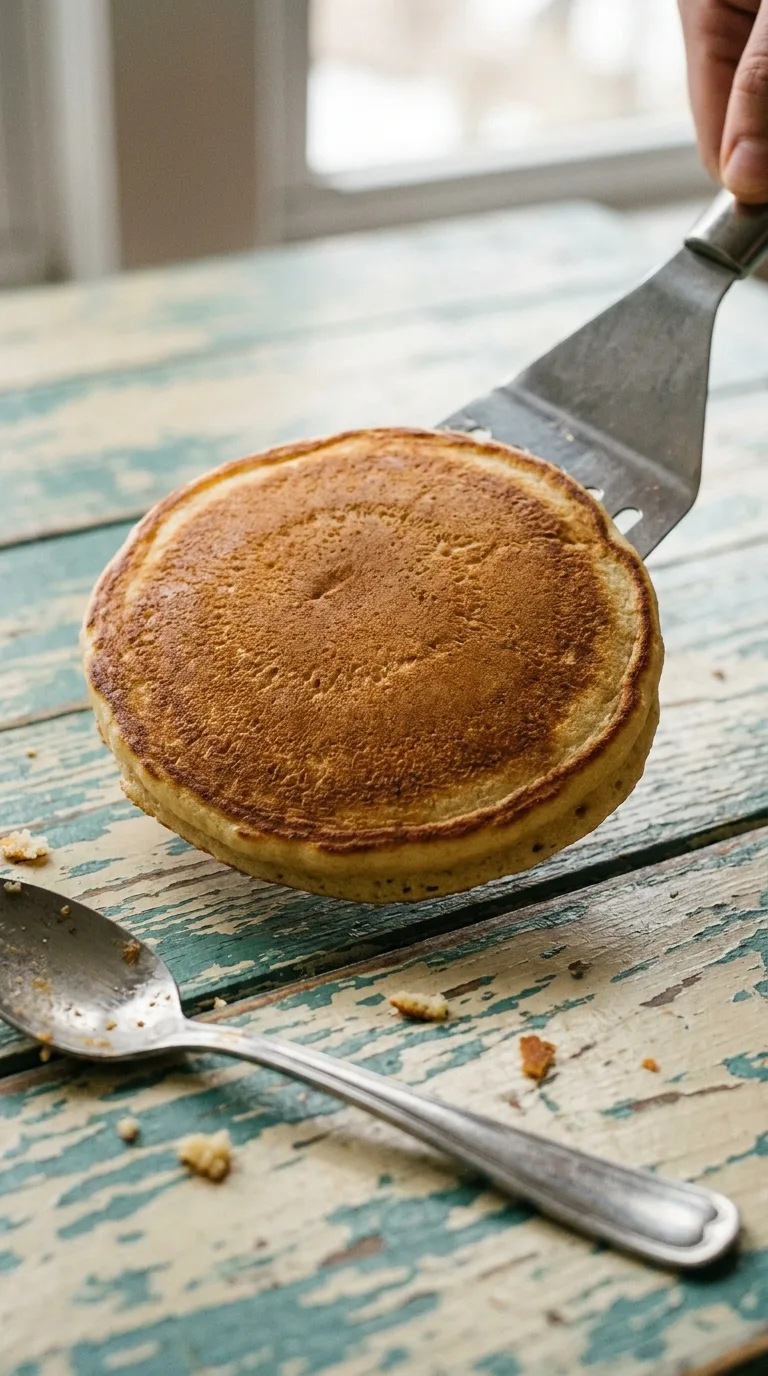
Flip the pancake gently with a spatula. Cook for another 1–2 minutes until the second side is golden brown and the pancake feels firm to the touch. Firmness indicates the interior is fully set.
-
Keep pancakes warm
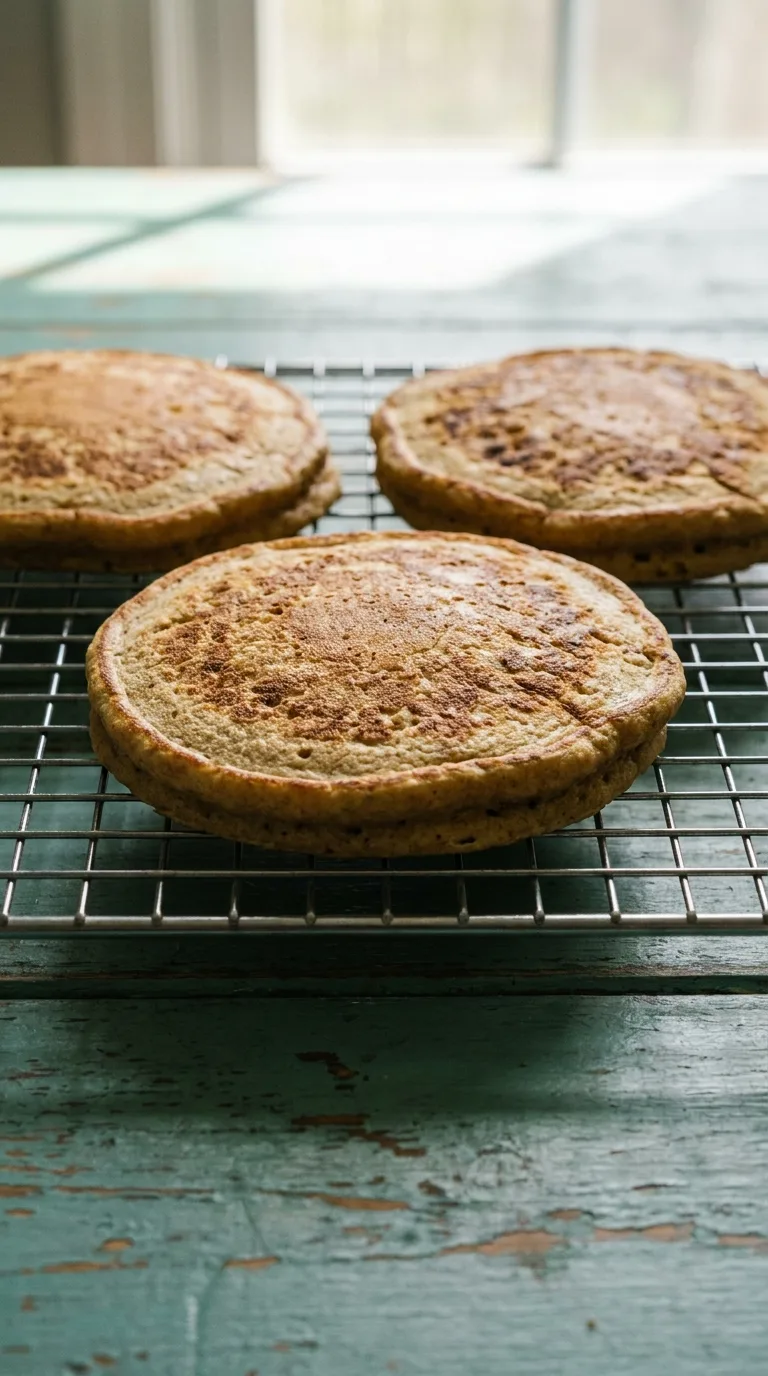
Remove each pancake and place it on a wire rack. Repeat the process with the remaining batter. A wire rack prevents the bottoms from becoming soggy through condensation.
-
Add final toppings
Drizzle with syrup or spoon on Greek yoghurt. Add fresh berries or sliced banana for extra flavour. Serve immediately while the pancakes are hot.
Watch the batter consistency closely. If it is too runny, the pancakes will spread too thin and fail to rise. Add a tablespoon of oat flour to thicken it. If it is too thick, a splash of milk will restore the pour-ability needed for round shapes.
How it differs from the traditional method
These pancakes substitute refined flour for rolled oats and protein powder. The cottage cheese adds moisture and structural density. This results in a heavier, more filling pancake than a traditional wheat-based version. Use the traditional method if you prefer a light, airy texture with a neutral flavour profile.
Storing and reheating
Store cooked pancakes in an airtight bag in the freezer for up to 4 weeks. To reheat, use a toaster or an oven set to 90°C (194°F). This restores the warmth and mouthfeel without drying out the batter. Uncooked batter keeps in the fridge for 24 hours.
Nutrition per serving
- Calories
- 215
- Protein
- 17.5 g
- Carbs
- 18.2 g
- Fat
- 6.8 g
- Fiber
- 3.1 g
- Sugar
- 5.4 g
Estimated, and offered as a guide rather than a medical figure.
Made it? Rate it.
Questions people ask
Is it okay to mix protein powder with cottage cheese?
Yes. Combining these ingredients increases the overall protein density of the batter. The creaminess of the cottage cheese prevents the whey protein from making the pancakes too dry or rubbery during the cooking process.
Is cottage cheese good in protein pancakes?
Yes. It provides a moist crumb and a subtle tang that balances the sweetness of the vanilla protein powder. It also ensures the pancakes remain filling by adding slow-digesting casein protein to the mix.
What does adding cottage cheese to pancake mix do?
It replaces some of the fat and flour with a high-protein dairy base. This creates a denser, more nutrient-dense pancake while maintaining a soft interior that does not collapse after cooking.

About the author
Makeva
Makeva is a home‑cook who loves crafting approachable meals that balance flavor and nutrition. She specializes in quick weeknight dinners, hearty soups, and wholesome baked goods, sharing step‑by‑step guidance and practical tips. Readers can expect clear instructions, adaptable recipes, and a friendly tone that encourages confidence in the kitchen.