Protein Pancakes With Greek Yoghurt: High-Protein Breakfast
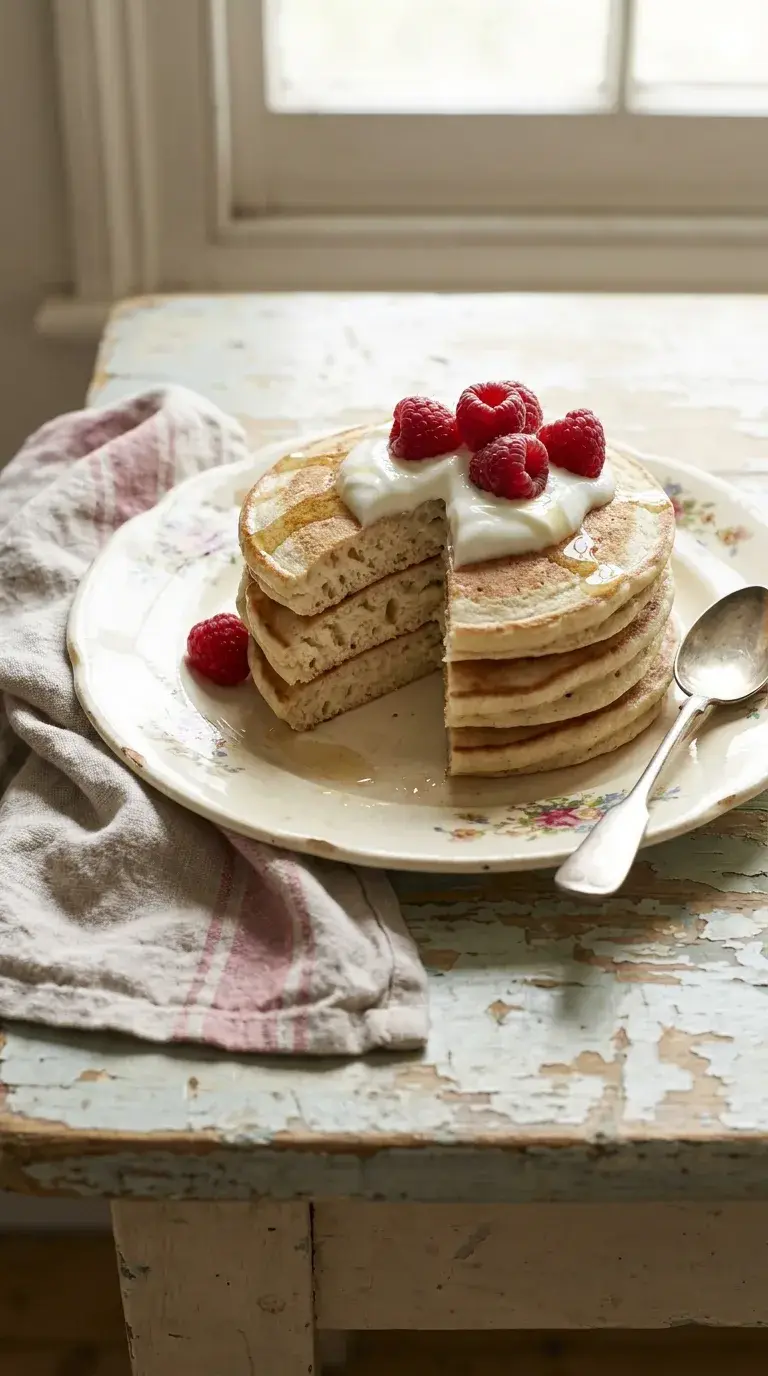
Standard pancakes rely on milk and butter for moisture, but this version uses creamy yoghurt to increase the nutrient density. By making protein pancakes with Greek yogurt, you introduce a tangier flavour and a denser protein structure without needing heavy supplements. Replace traditional dairy with this Mediterranean staple to keep the batter thick and satisfying while reducing the reliance on refined fats.
You will achieve a light, tender crumb that stays moist in the centre. Let the batter rest for 4 minutes before cooking; this ensures the flour absorbs the liquid fully, which prevents the pancakes from becoming tough. Use a non-stick skillet over medium heat to ensure they brown evenly without burning the exterior. Serve these immediately with fresh berries or maple syrup to balance the savoury notes of the yoghurt.
Protein Pancakes With Greek Yoghurt: High-Protein Breakfast
Recipe cardIngredients
Watch how it's made
Instructions
-
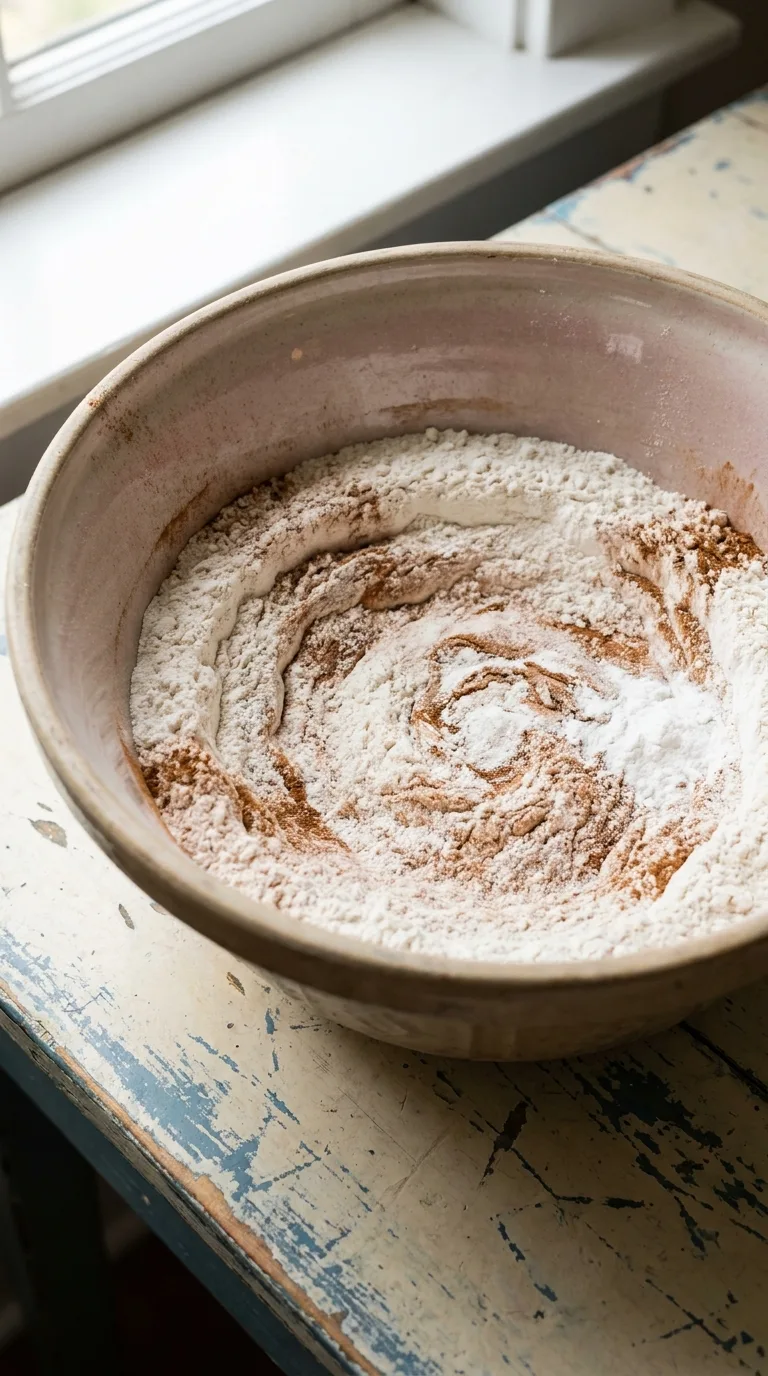
Mix dry ingredients
Combine the all-purpose flour, baking powder, ground cinnamon, and salt in a large mixing bowl. Whisk these together to ensure the leavening agent is evenly distributed. This prevents uneven rising in the pan.
-
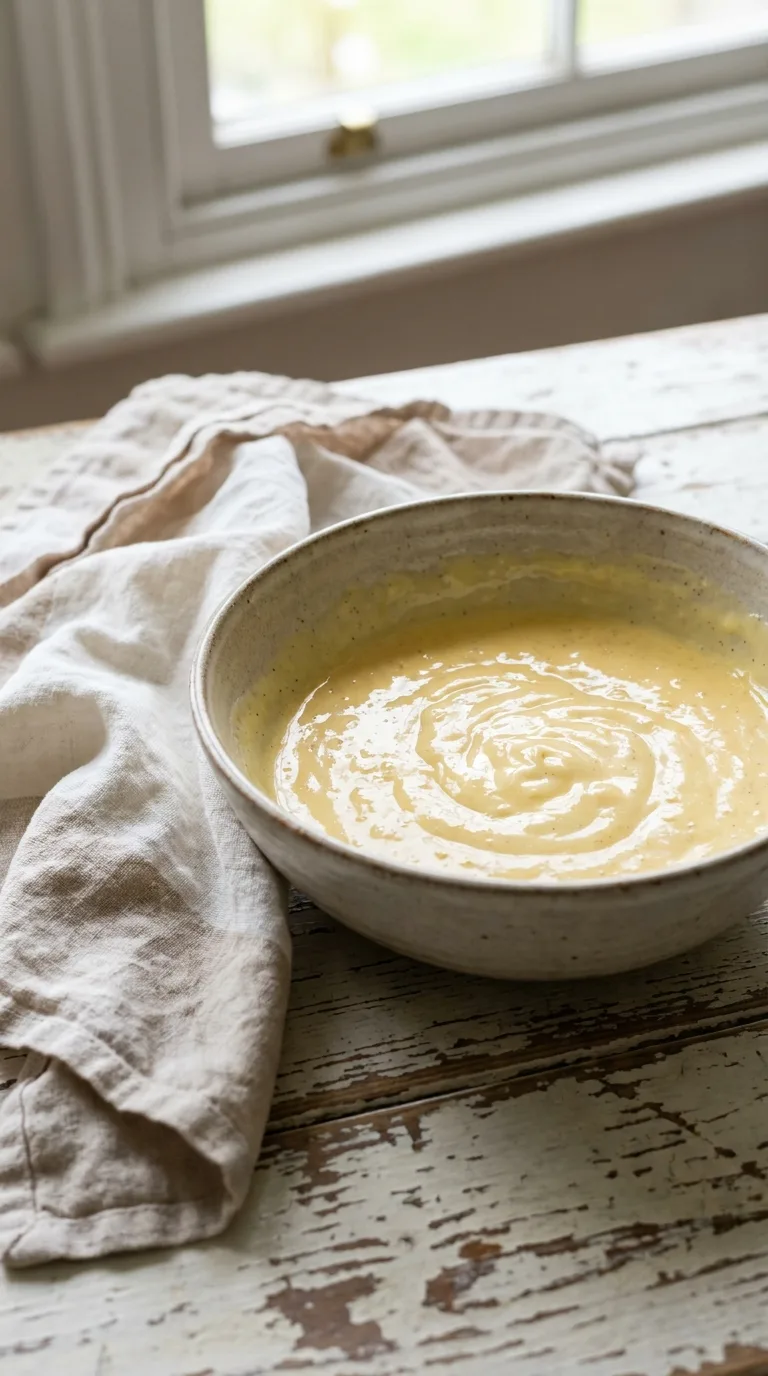
Blend wet ingredients
Whisk the eggs in a separate bowl until the whites and yolks are fully blended. Stir in the Greek yoghurt, vanilla extract, and water until a smooth mixture forms. A smooth base ensures a consistent texture.
-
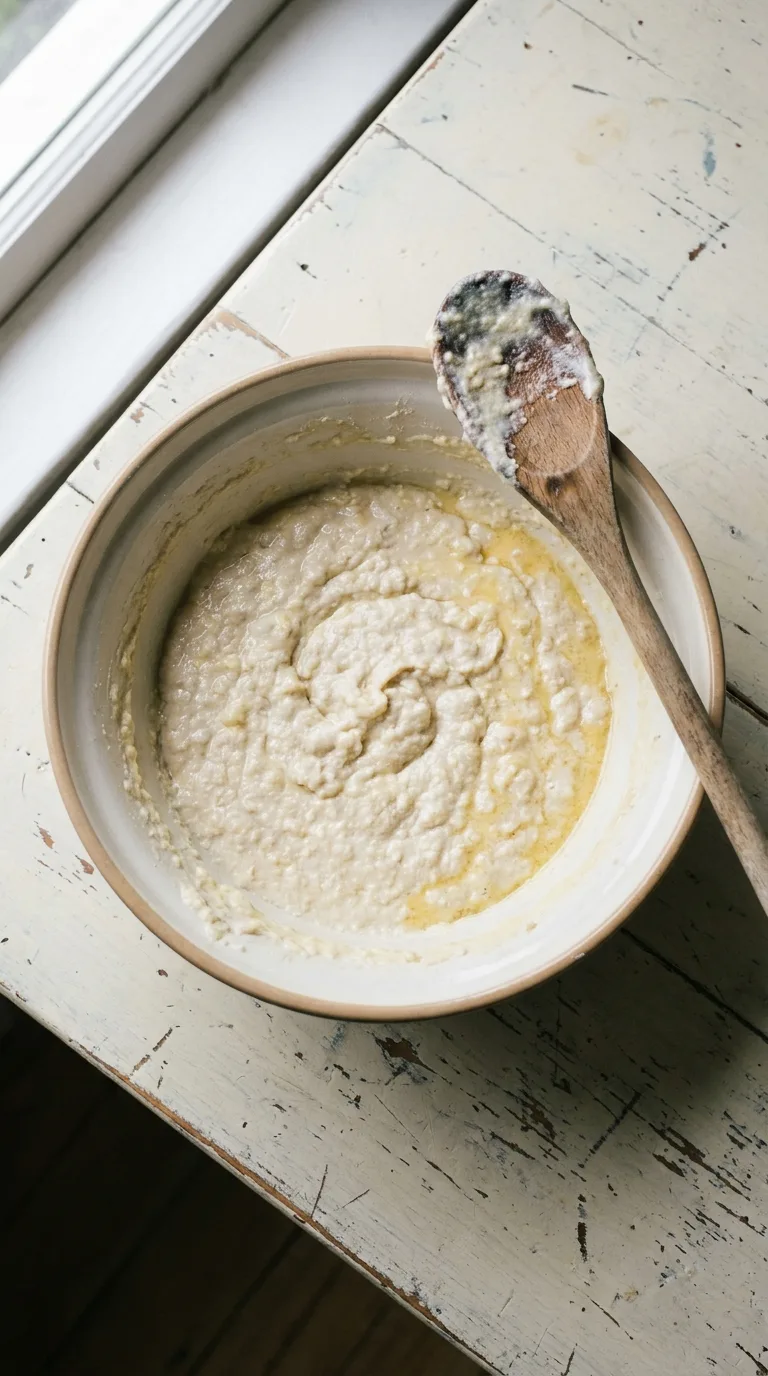
Combine the batter
Create a well in the dry ingredients and pour in the wet mixture. Whisk gently until the batter is just smooth and a few small lumps remain. Do not over-whisk or you will develop too much gluten, making the pancakes tough.
-
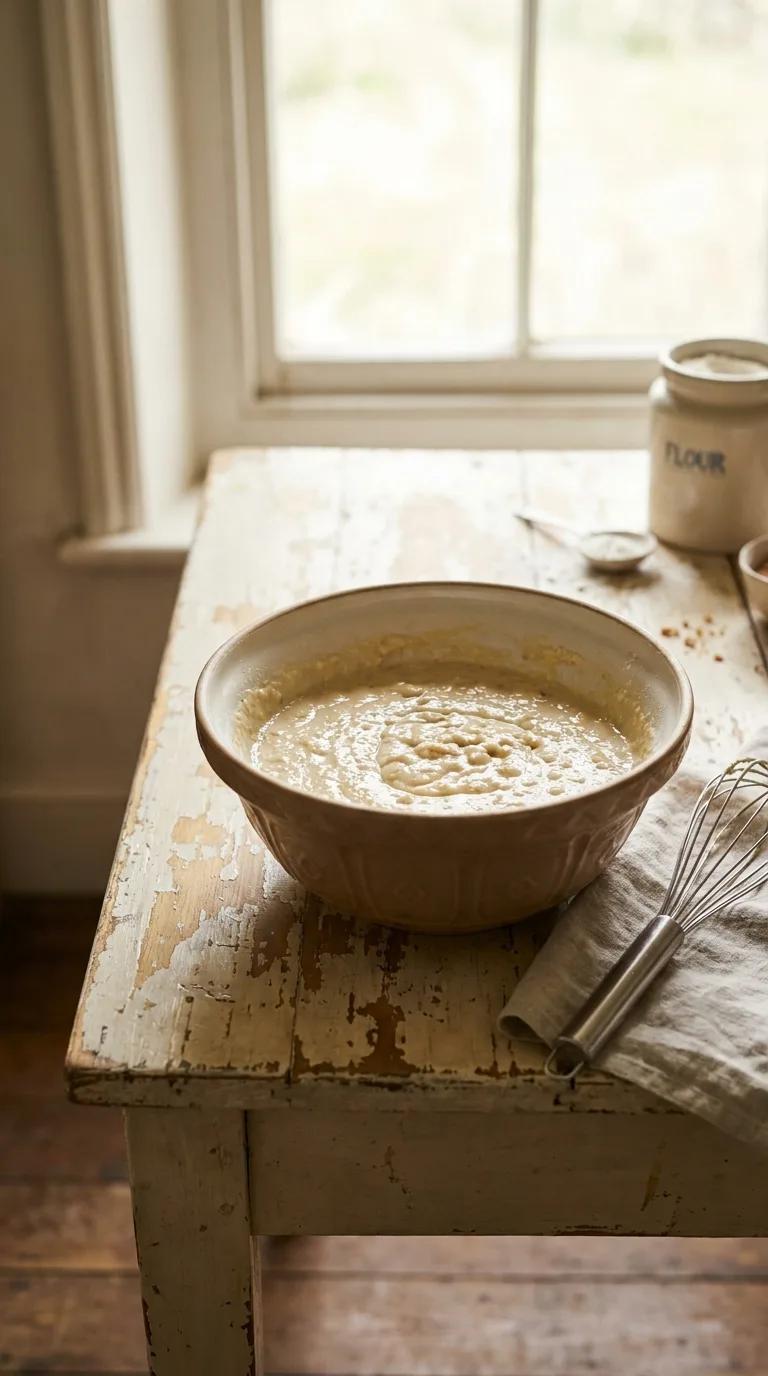
Rest the batter
Let the batter rest at room temperature for 4 minutes. This allows the flour to fully absorb the liquid. You will achieve more tender pancakes after this pause.
-
Prepare the pan
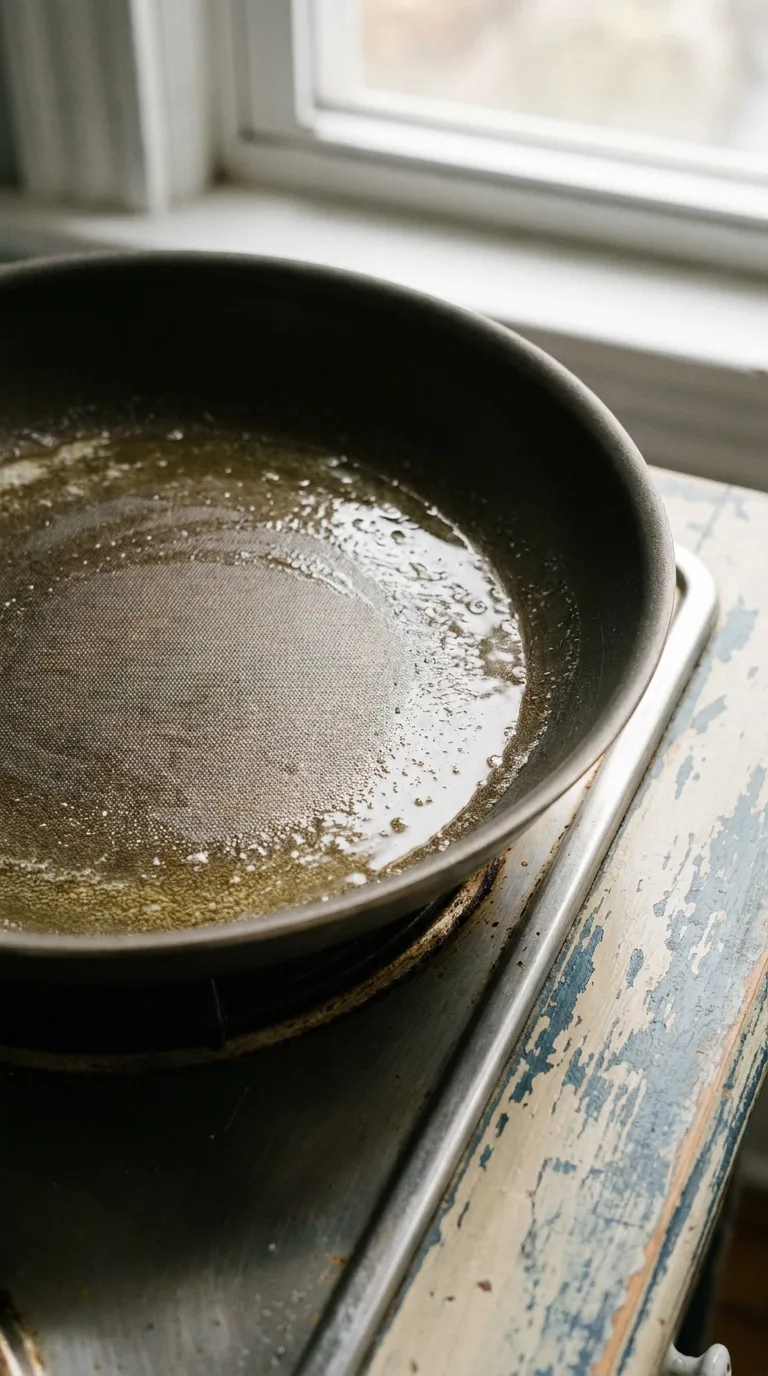
Heat a non-stick skillet or griddle over medium heat. Lightly brush the surface with the melted butter. Ensure the pan is evenly coated to prevent the batter from sticking.
-
Cook the pancakes
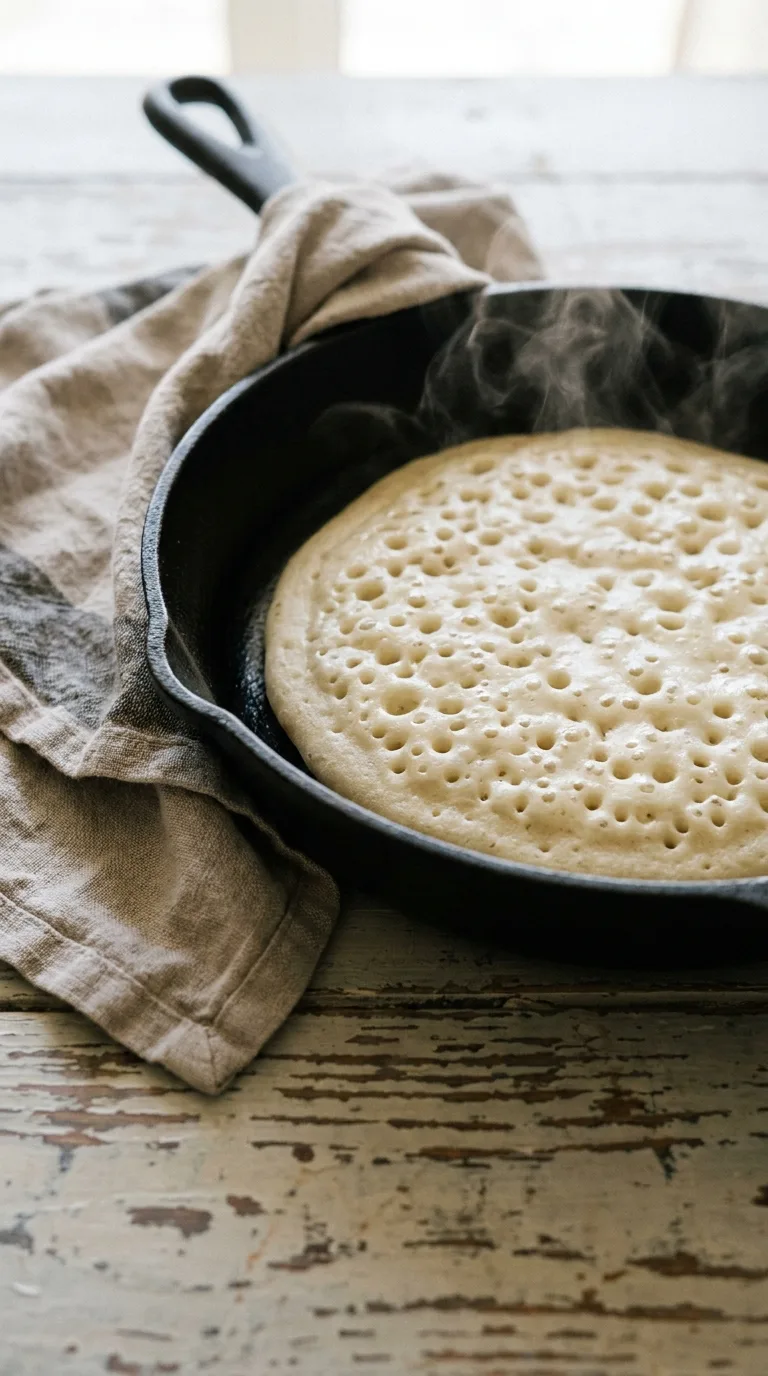
Pour 60 ml of batter onto the skillet to create circles about 8 cm in diameter. Cook for 2-3 minutes until bubbles form on the surface and edges look set. Flip gently with a spatula.
-
Brown the reverse
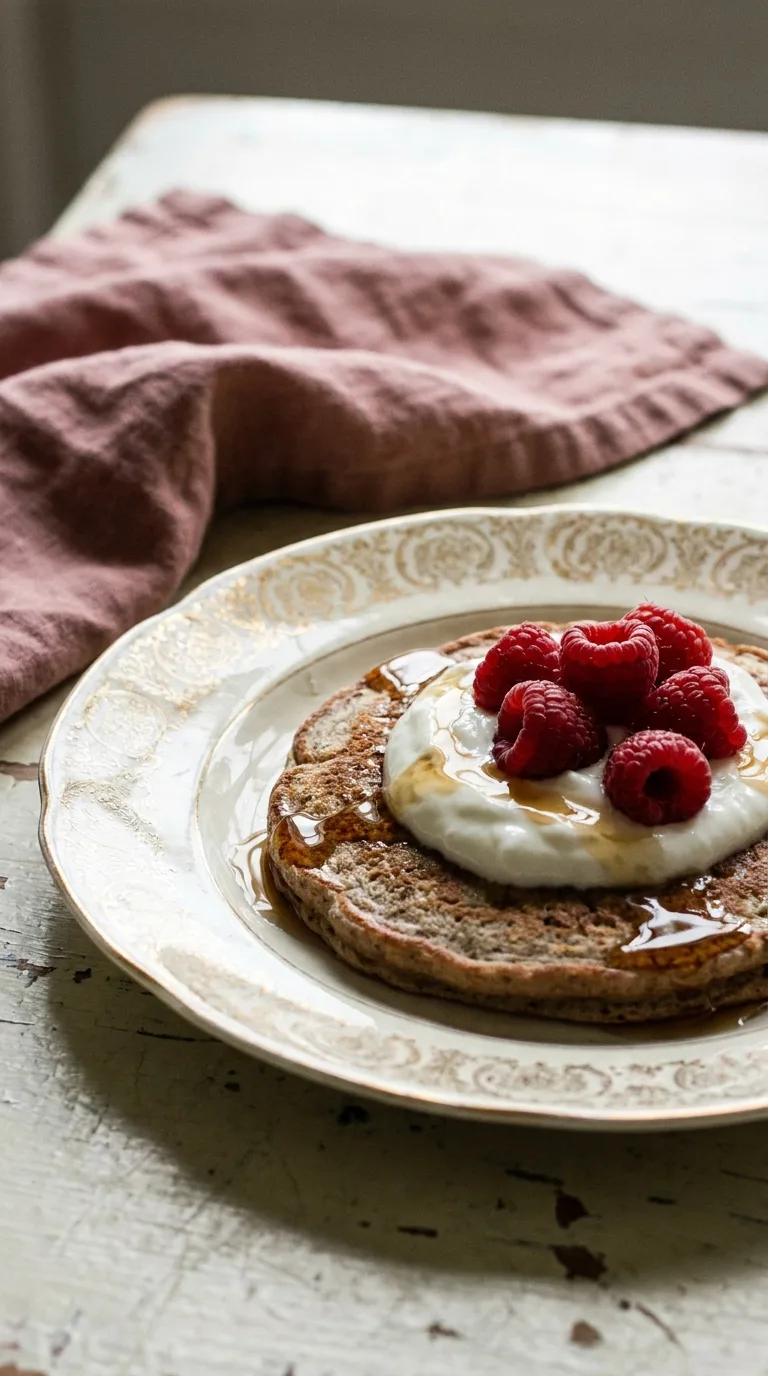
Cook the other side for another 1-2 minutes until golden brown and cooked through. Transfer the finished pancakes to a plate. Cover them loosely with foil to keep them warm while you finish the batch.
Keep the skillet at a steady medium heat. If the pan is too hot, the pancakes brown too quickly and remain hard in the centre. If the heat is too low, they will overcook and lose their fluffiness before they brown.
How it differs from the traditional method
Greek yoghurt replaces some of the liquid and fat found in standard recipes. This increases the protein content and creates a denser, more substantial crumb. Choose a traditional buttermilk recipe if you prefer a lighter, airier texture with less tang and a more neutral flavour profile.
Storing and reheating
Keep cooked pancakes at room temperature for no more than 2 hours. Flash-freeze them on a parchment-lined tray before transferring to bags for up to 3 months. Reheat frozen portions in a microwave or a dry skillet until warm to maintain the soft interior.
Nutrition per serving
- Calories
- 215
- Protein
- 13.5 g
- Carbs
- 18.2 g
- Fat
- 8.1 g
- Fiber
- 1.1 g
- Sugar
- 5.4 g
Estimated, and offered as a guide rather than a medical figure.
Made it? Rate it.
Questions people ask
Can I make these without wheat flour?
Yes. Use 90 g of oat flour or a gluten-free blend. This substitution maintains the structure while making the dish suitable for gluten-free diets, though the texture may be slightly denser than all-purpose flour.
Why is my batter too thick to pour?
Add an extra tablespoon of water. Yoghurt thickness varies by brand, so you must adjust the liquid to ensure the batter pours easily into 8 cm circles for even cooking.
Can I use a different yoghurt?
Use a thick, strained yoghurt. Greek yoghurt provides the necessary protein and thickness. A thinner natural yoghurt will make the batter too runny, resulting in flat pancakes that lack the intended fluffiness.

About the author
Makeva
Makeva is a home‑cook who loves crafting approachable meals that balance flavor and nutrition. She specializes in quick weeknight dinners, hearty soups, and wholesome baked goods, sharing step‑by‑step guidance and practical tips. Readers can expect clear instructions, adaptable recipes, and a friendly tone that encourages confidence in the kitchen.