Oat Zucchini Pancakes: Wholesome Breakfast Cakes
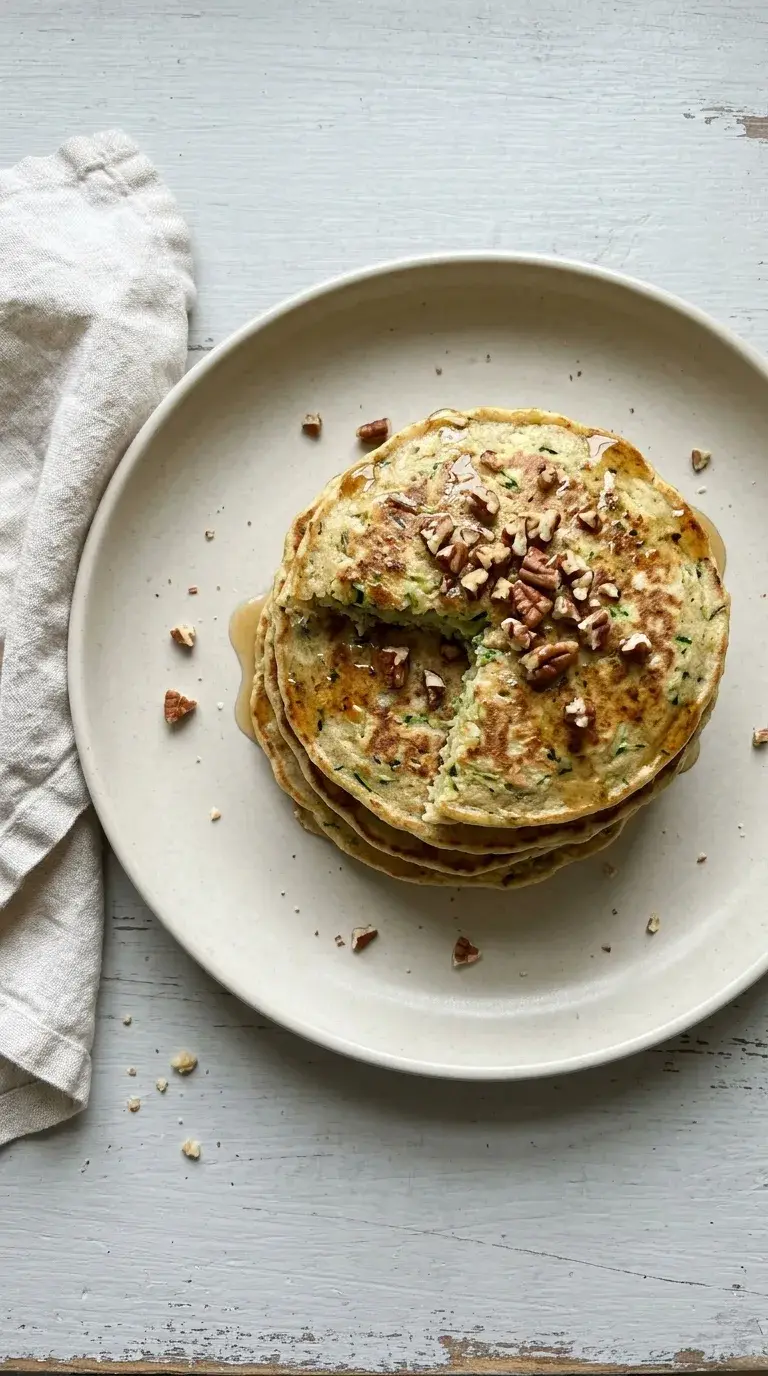
These oat zucchini pancakes are American-style breakfast cakes that blend ground oats with grated zucchini. They have a nutty texture and a subtle sweetness from maple syrup. You get a light, wholesome result that works as a nourishing breakfast or a light snack. These cakes are gluten-free if you use certified gluten-free oat flour.
Squeeze the grated zucchini through a clean kitchen towel before you begin. This removes excess moisture so the batter does not become watery. Keep your skillet at medium-low heat after the initial warming. High heat burns the outside of the pancake before the centre cooks through, which leads to uneven results. Avoid overmixing the batter to keep the cakes fluffy.
Oat Zucchini Pancakes: Wholesome Breakfast Cakes
Recipe cardIngredients
Watch how it's made
Instructions
-
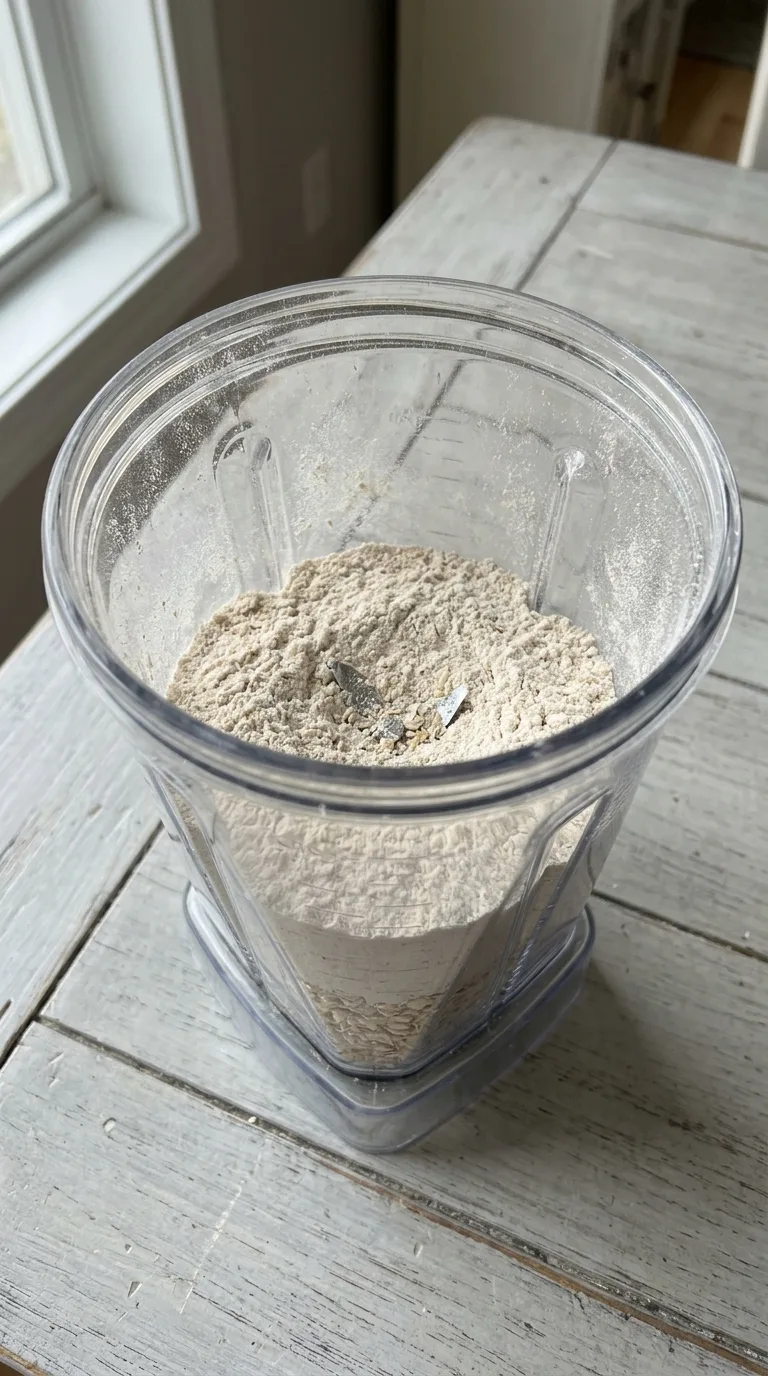
Prepare the flour
Place the oats in a blender or food processor for 30 seconds until they become finely ground. This ensures a smooth, consistent texture. Skip this if you are using store-bought oat flour.
-
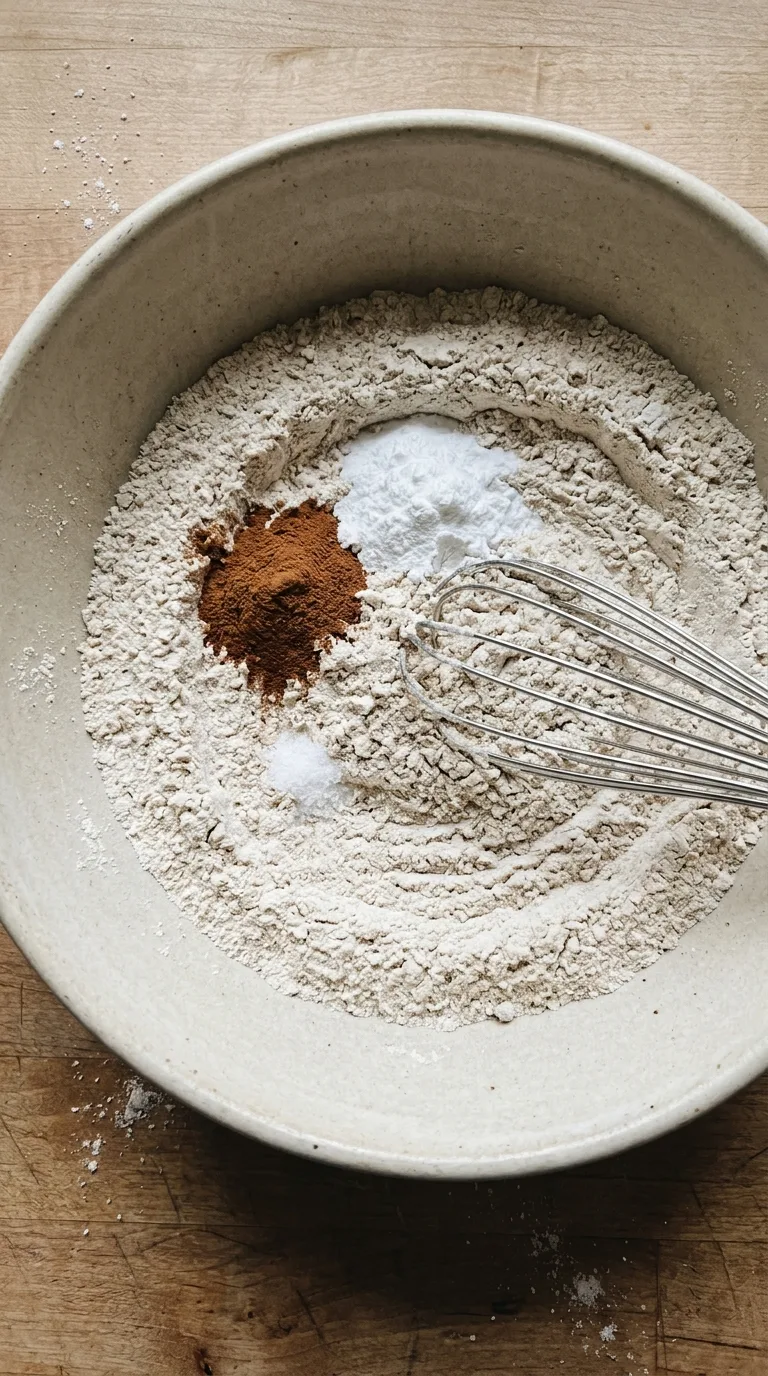
Mix dry ingredients
Add the baking powder, ground cinnamon, and salt to the flour. Whisk them together until evenly distributed. This prevents clumps of baking powder from affecting the rise.
-
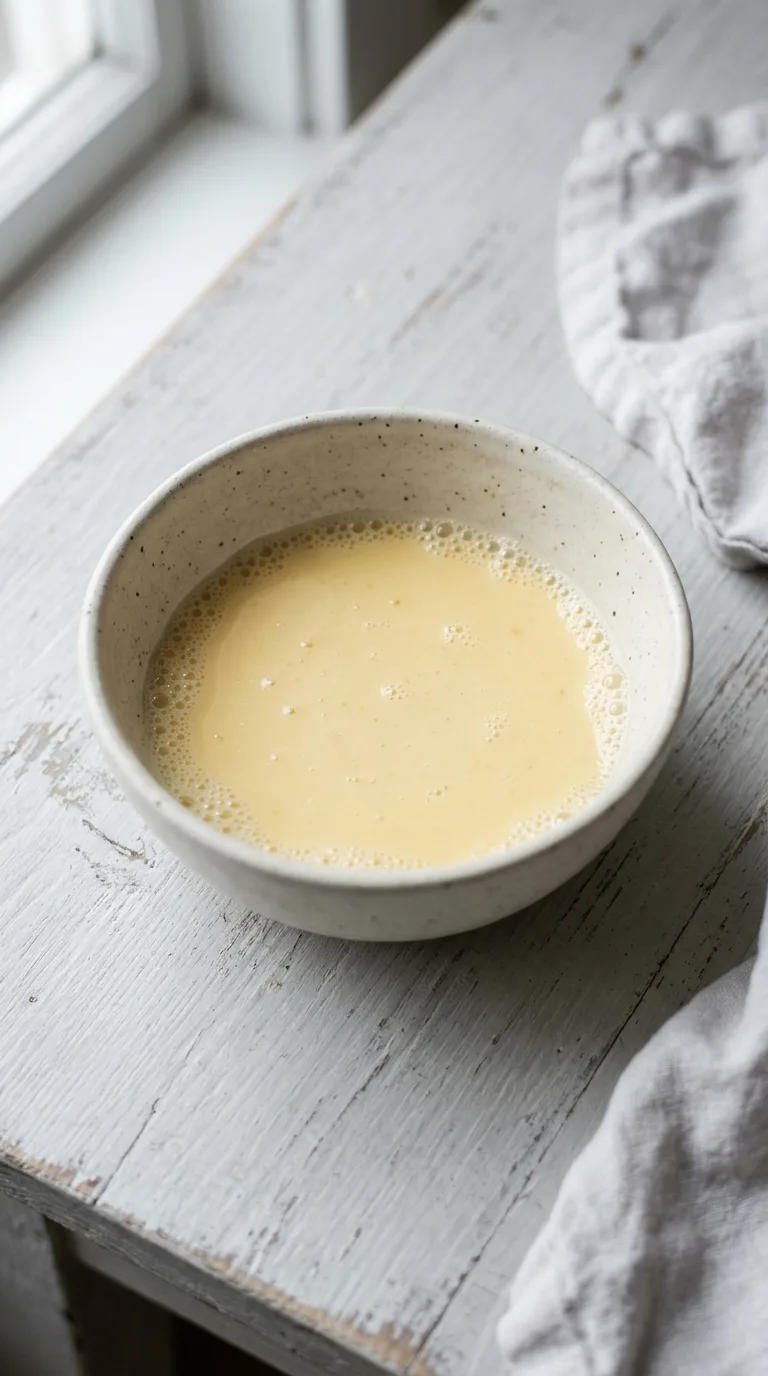
Combine wet ingredients
Whisk the egg, milk, and maple syrup in a small bowl. Stir until the mixture is smooth and lightly frothy. This incorporates air for a lighter pancake.
-
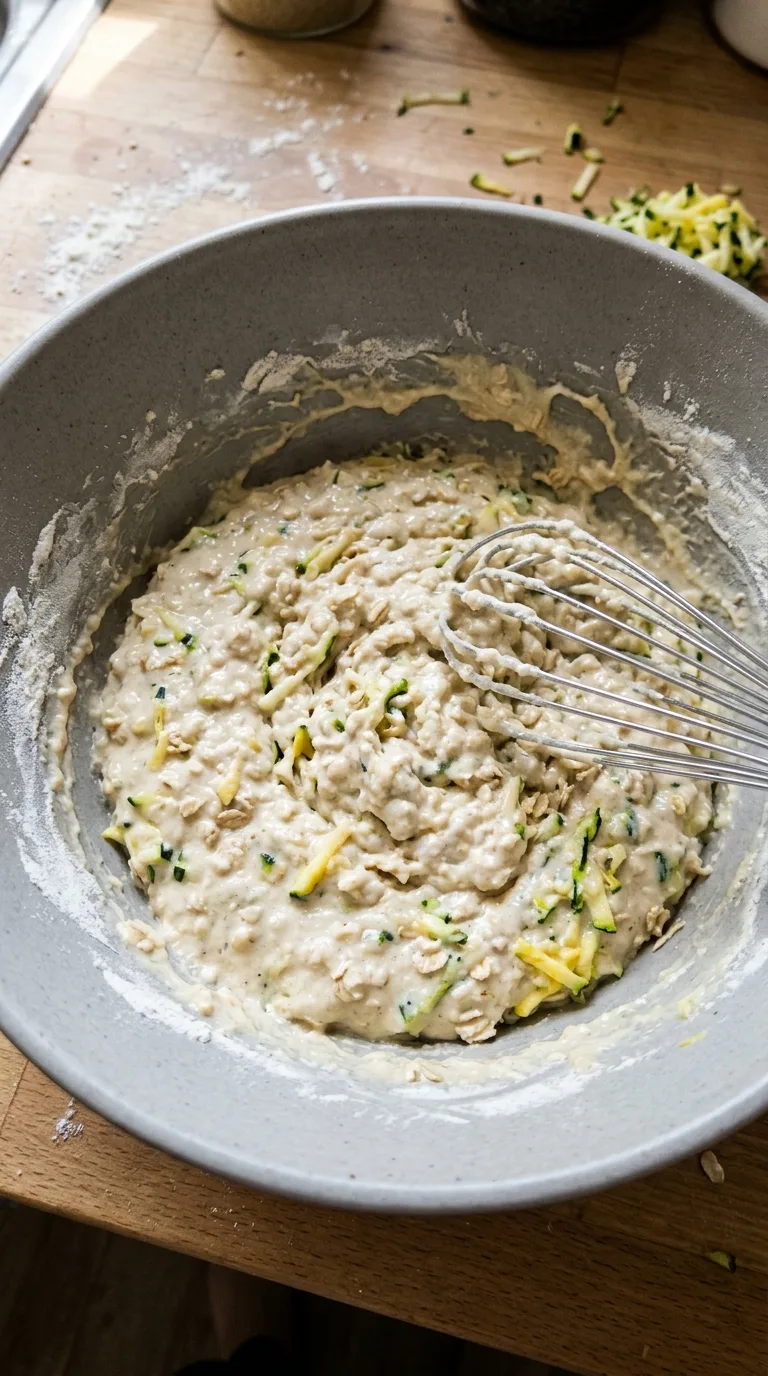
Form the batter
Pour the wet mixture into the dry ingredients and stir gently until just combined. Leave the batter slightly lumpy. Do not overmix or you will lose the fluffiness.
-
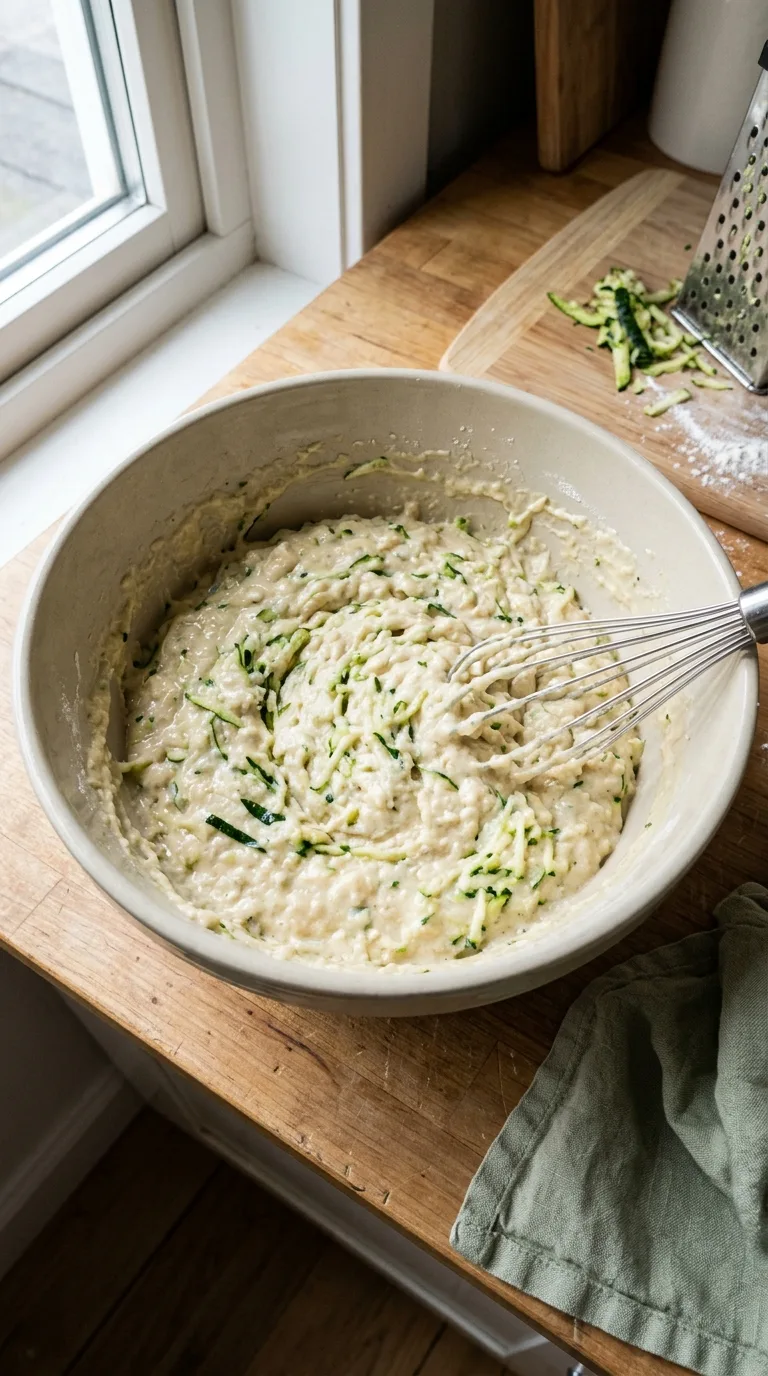
Fold in zucchini
Gently fold in the grated zucchini until incorporated. Keep the mixture soft to maintain the structure. Reserve a few spoonfuls for garnish if you wish.
-
Heat the pan
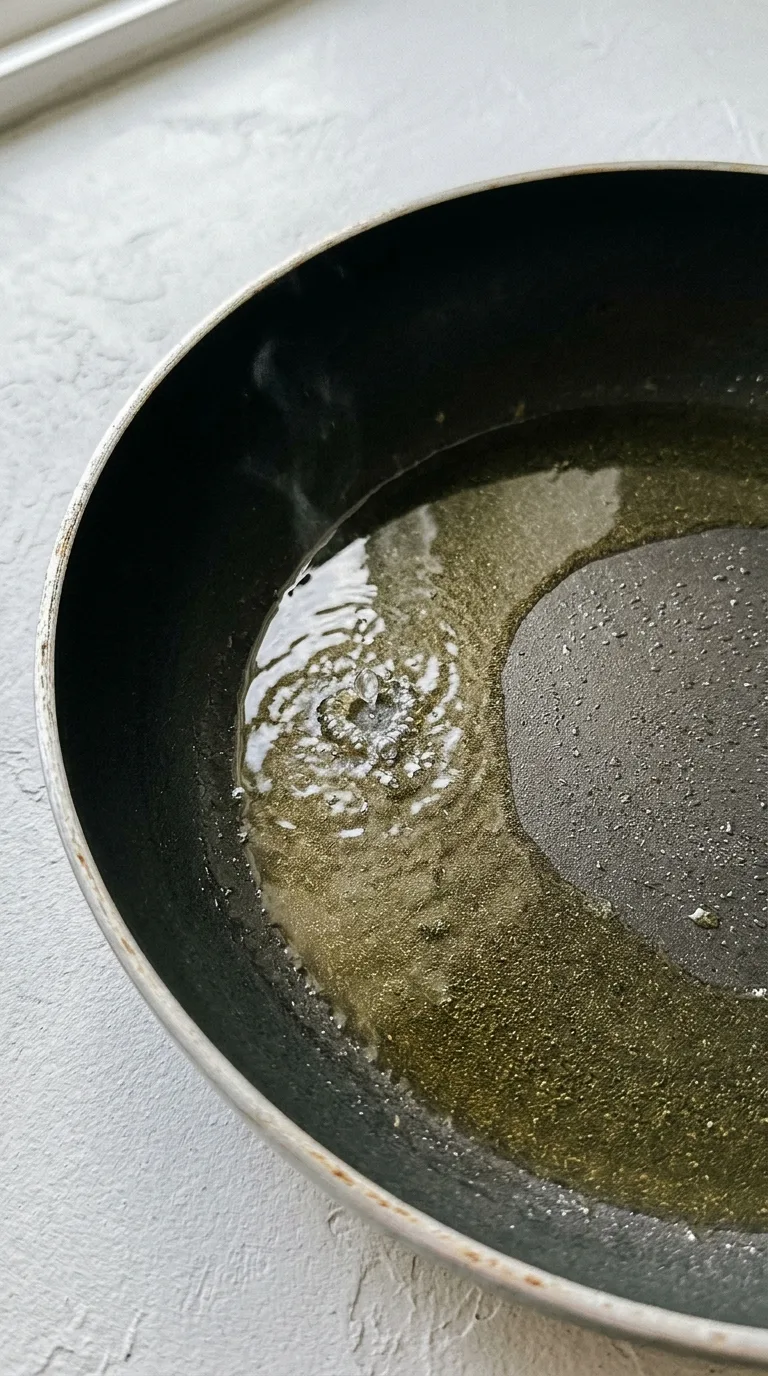
Heat a non-stick skillet over medium heat and add a light drizzle of olive oil. Wait until the oil glimmers and a drop of water sizzles. This indicates the pan is hot enough to prevent sticking.
-
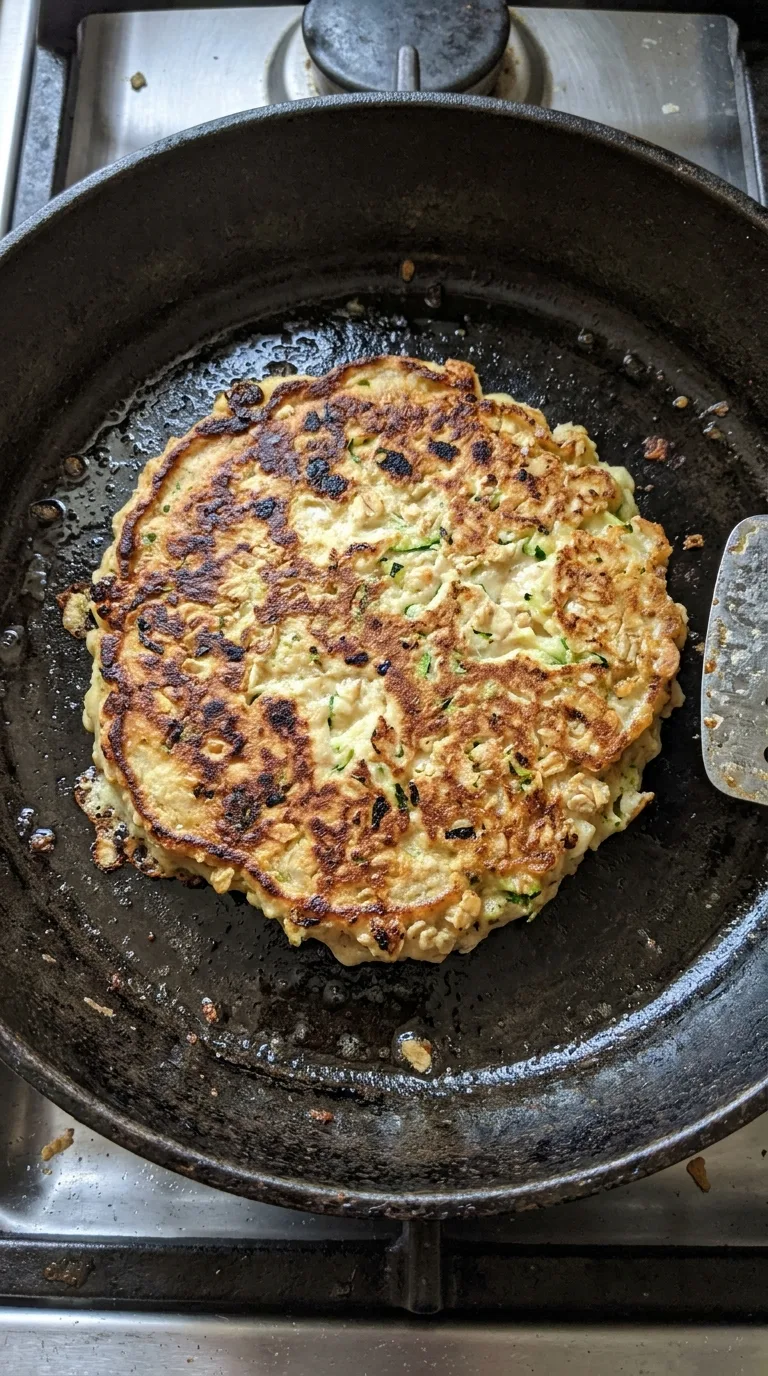
Cook the pancakes
Pour 2–3 tbsp of batter per pancake. Cover the skillet for 1–2 minutes to keep the heat uniform. Flip when bubbles appear and edges set, roughly 3–4 minutes, then cook until golden brown for another 2–3 minutes.
-
Finish and serve
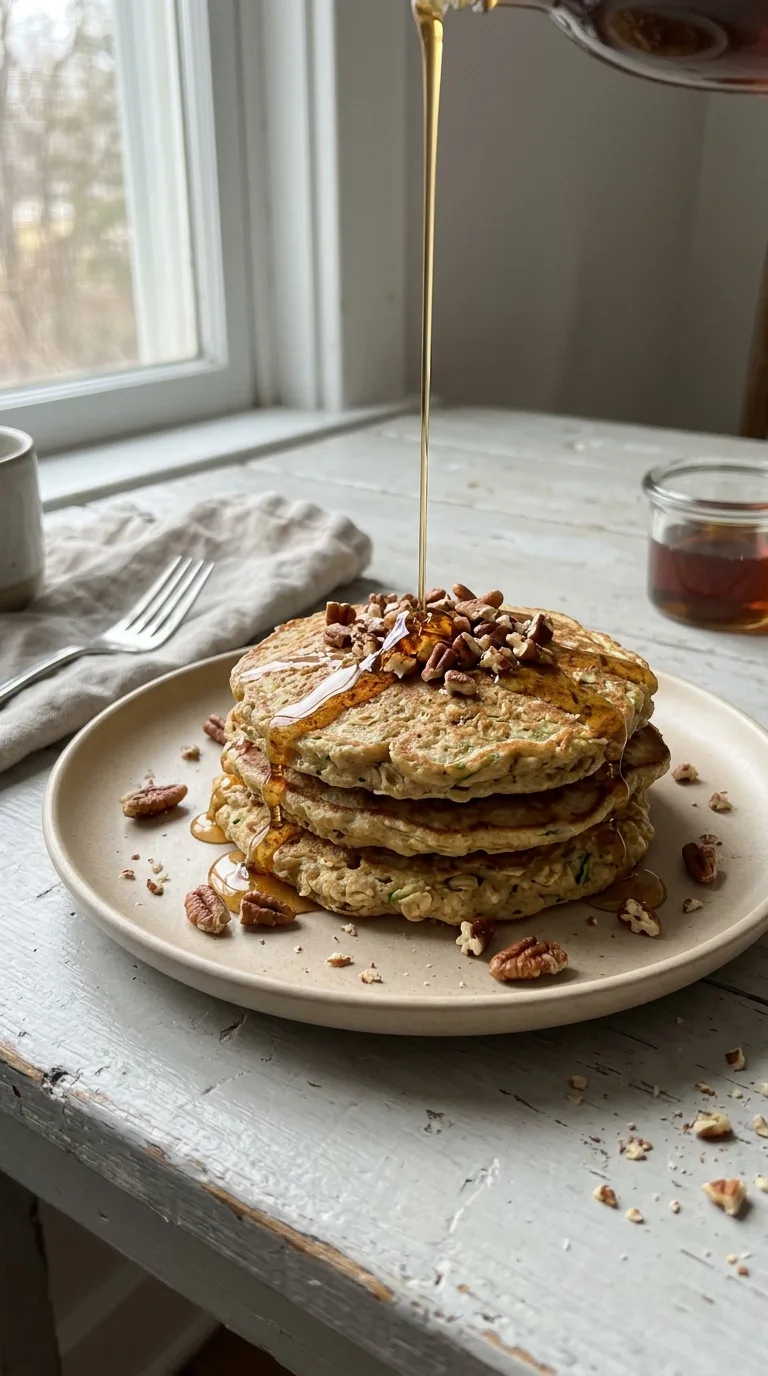
Transfer cooked pancakes to a warming rack or plate. Add a touch more oil to the pan if it becomes dry before repeating with the remaining batter. Garnish with pecans and extra maple syrup.
Keep your skillet at medium-low heat after the initial warming. If the heat is too high, the outside will burn before the centre cooks through. You will notice the pancake looking dark brown but feeling soft and raw in the middle when the heat is too high.
Getting the texture right
Squeeze the grated zucchini through a clean kitchen towel before adding it to the bowl. This removes excess moisture to prevent a watery batter. Keep the skillet at medium-low heat after the initial warming. Too high a temperature burns the exterior before the centre cooks through, leading to uneven results.
Sweet or savoury
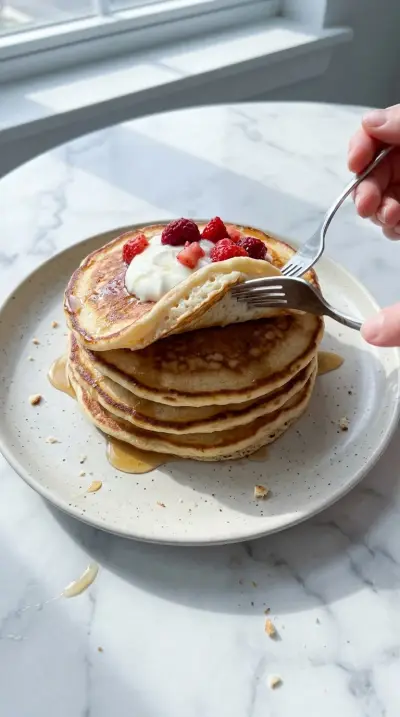
Finish the stack with Greek yoghurt, fresh berries, and honey for a sweet breakfast. For a savoury twist, use a sprinkling of chives and a hint of lime. These variations change the flavour profile while keeping the wholesome base of oat flour and fresh zucchini intact for any meal.
Nutrition per serving
- Calories
- 128
- Protein
- 4.8 g
- Carbs
- 15.2 g
- Fat
- 4.1 g
- Fiber
- 2.6 g
- Sugar
- 3.4 g
Estimated, and offered as a guide rather than a medical figure.
Made it? Rate it.
Questions people ask
Can I make these pancakes vegan?
Yes. Replace the egg with 2 tbsp of silken tofu or a mashed banana. Use plant-based milk to ensure the entire recipe is vegan while maintaining the same fluffy structure and binding properties of the original batter.
How do I store the uncooked batter?
Keep uncooked batter in an airtight container for up to 2 hours at room temperature or 24 hours in the fridge. You can also freeze it in a sealed container for 7 days, thawing it in the fridge overnight.
What if the batter is too thick to pour?
Add milk 1 tbsp at a time until it reaches a pourable consistency. This adjusts the hydration level of the oat flour, which can vary in absorbency depending on whether you used store-bought or homemade flour.

About the author
Makeva
Makeva is a home‑cook who loves crafting approachable meals that balance flavor and nutrition. She specializes in quick weeknight dinners, hearty soups, and wholesome baked goods, sharing step‑by‑step guidance and practical tips. Readers can expect clear instructions, adaptable recipes, and a friendly tone that encourages confidence in the kitchen.