Oat Pancakes with Cottage Cheese: Protein Breakfast
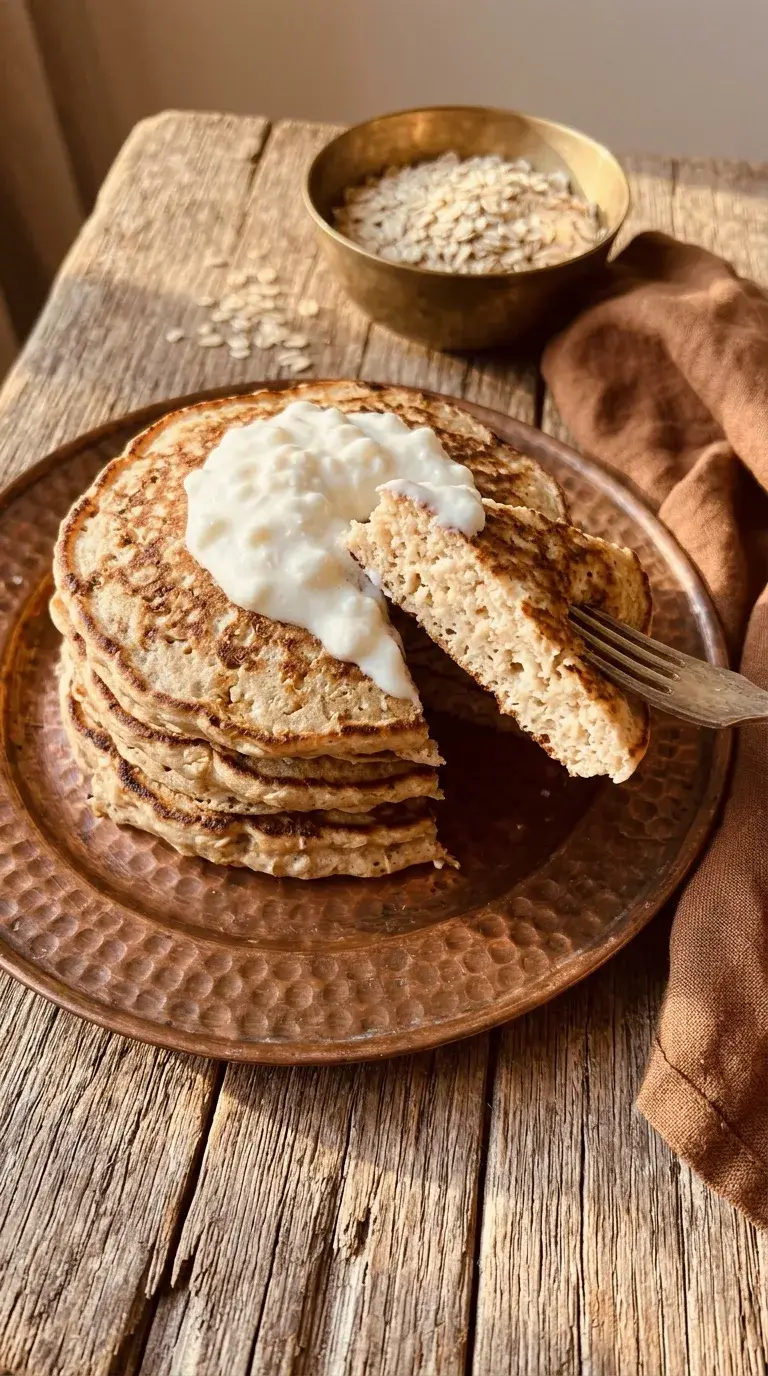
Choose a high-speed blender to ensure your oat pancakes with cottage cheese reach a silky consistency. You must blend the mixture for 30-40 seconds to remove all lumps. Let the batter rest while you preheat the skillet to 180°C (350°F). This pause allows the oats to hydrate, which ensures the pancakes hold their shape. Use a non-stick skillet to prevent the batter from tearing during the flip.
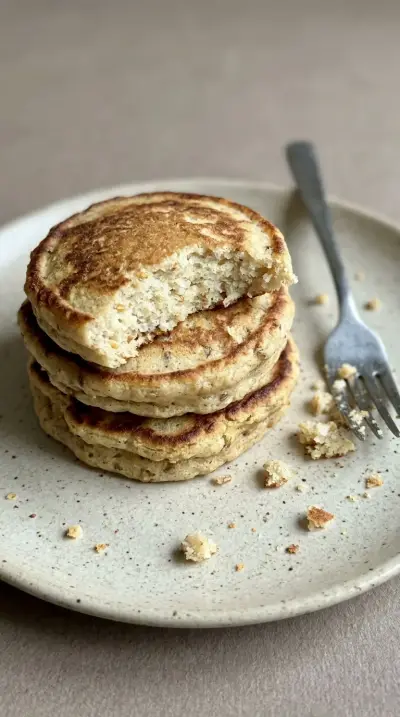
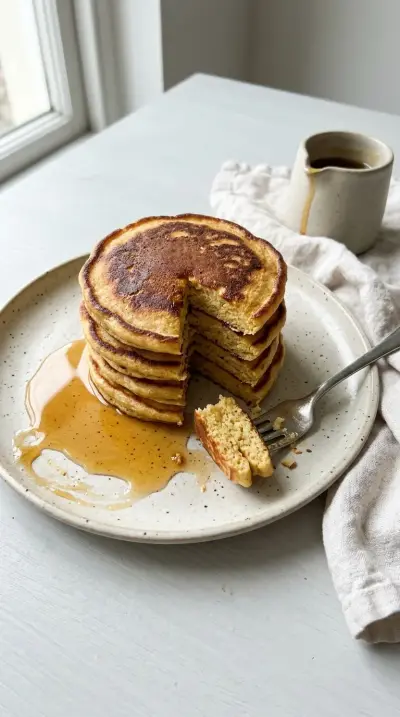
This dish blends 90g rolled oats, 240g cottage cheese, and vanilla into a protein-rich batter. You will produce light, airy stacks that are golden-brown on the outside and soft in the centre. The cottage cheese provides calcium and a creamy texture, while the oats add fibre. Serve these immediately with fresh berries or a drizzle of maple syrup for a balanced breakfast.
Oat Pancakes with Cottage Cheese: Protein Breakfast
Recipe cardIngredients
Instructions
-
Blend the batter
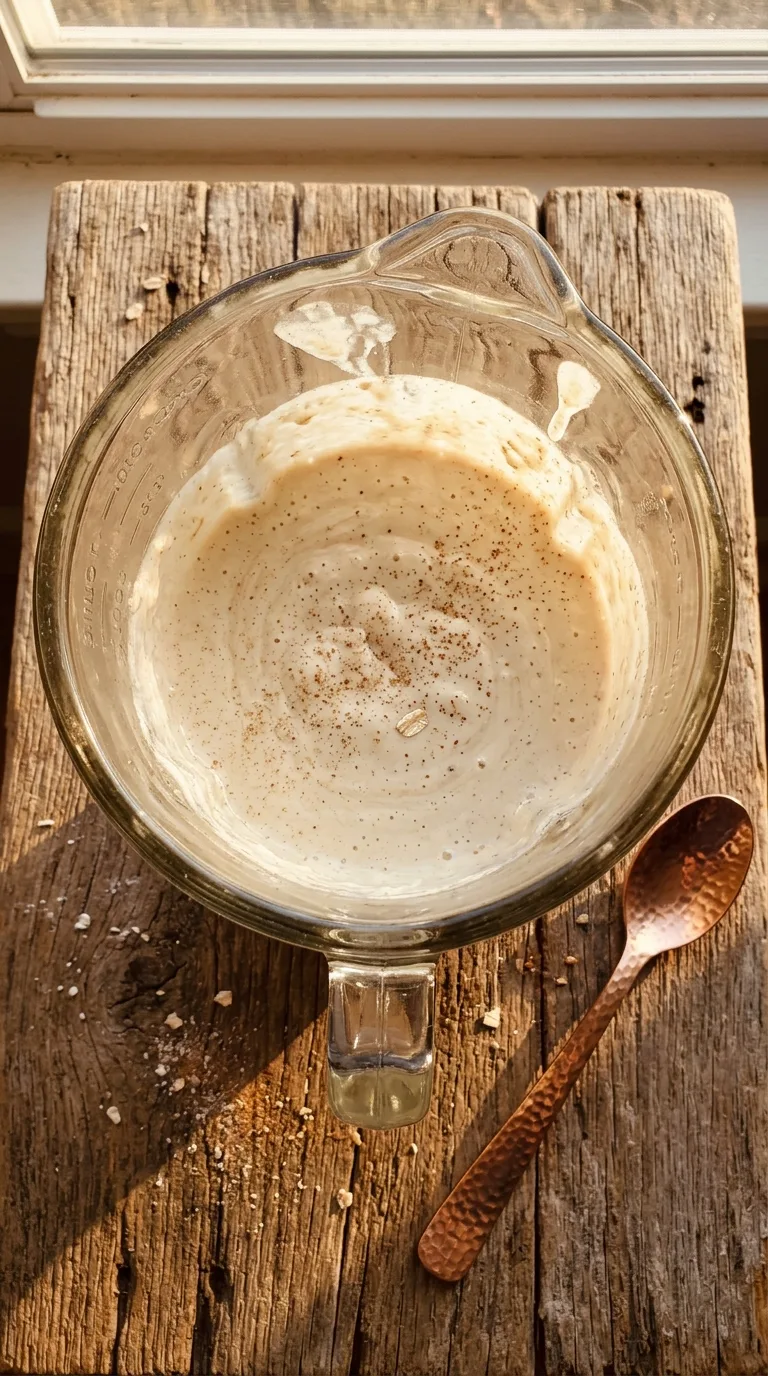
Add the cottage cheese, rolled oats, eggs, baking powder, vanilla extract, ground cinnamon and maple syrup to a high-speed blender. Blend on high for 30-40 seconds. You must continue until the mixture is silky and free of lumps for a smooth texture.
-
Prepare the skillet
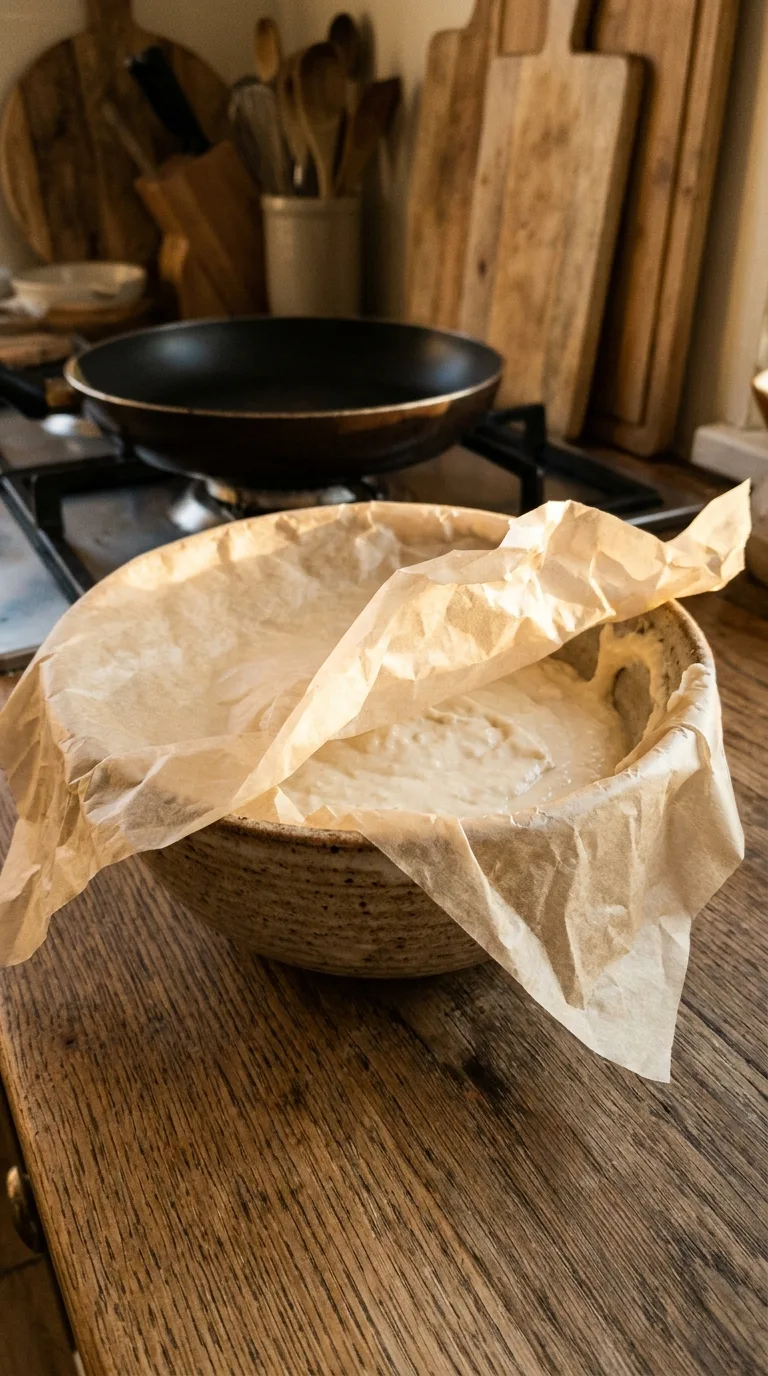
Pour the batter into a bowl and cover it loosely. Preheat your skillet to 180°C (350°F) over a medium heat for 3-4 minutes. Add a small drop of water to the surface; it should sizzle to show the pan is ready.
-
Pour the batter
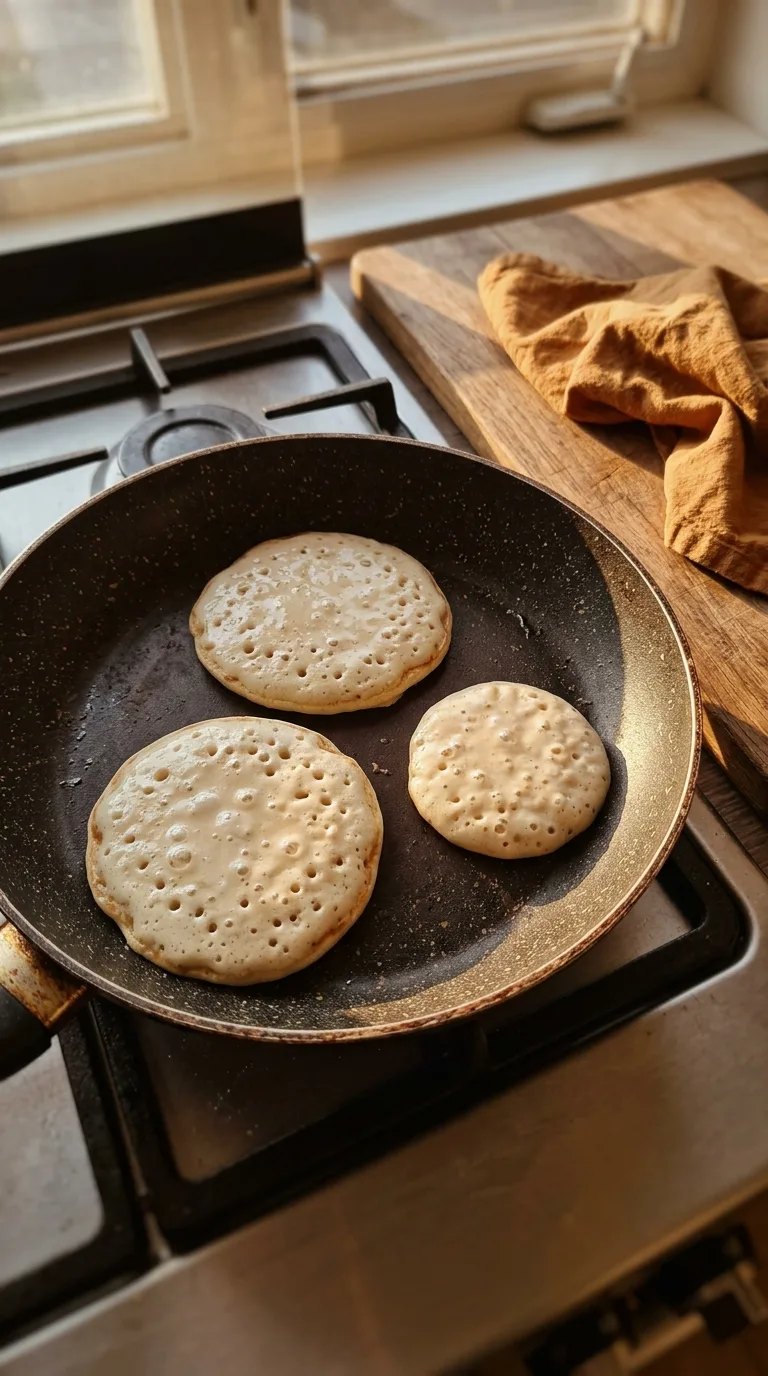
Lightly grease the hot skillet with a thin layer of butter or oil. Ladle about 30ml (2 tbsp) of batter per pancake. Leave enough space between each pancake to allow you to flip them without sticking.
-
Cook the first side
Cook for 2-3 minutes. Look for gentle bubbles to form on the surface and edges that look set. These signs tell you the structure is firm enough to move.
-
Flip and brown
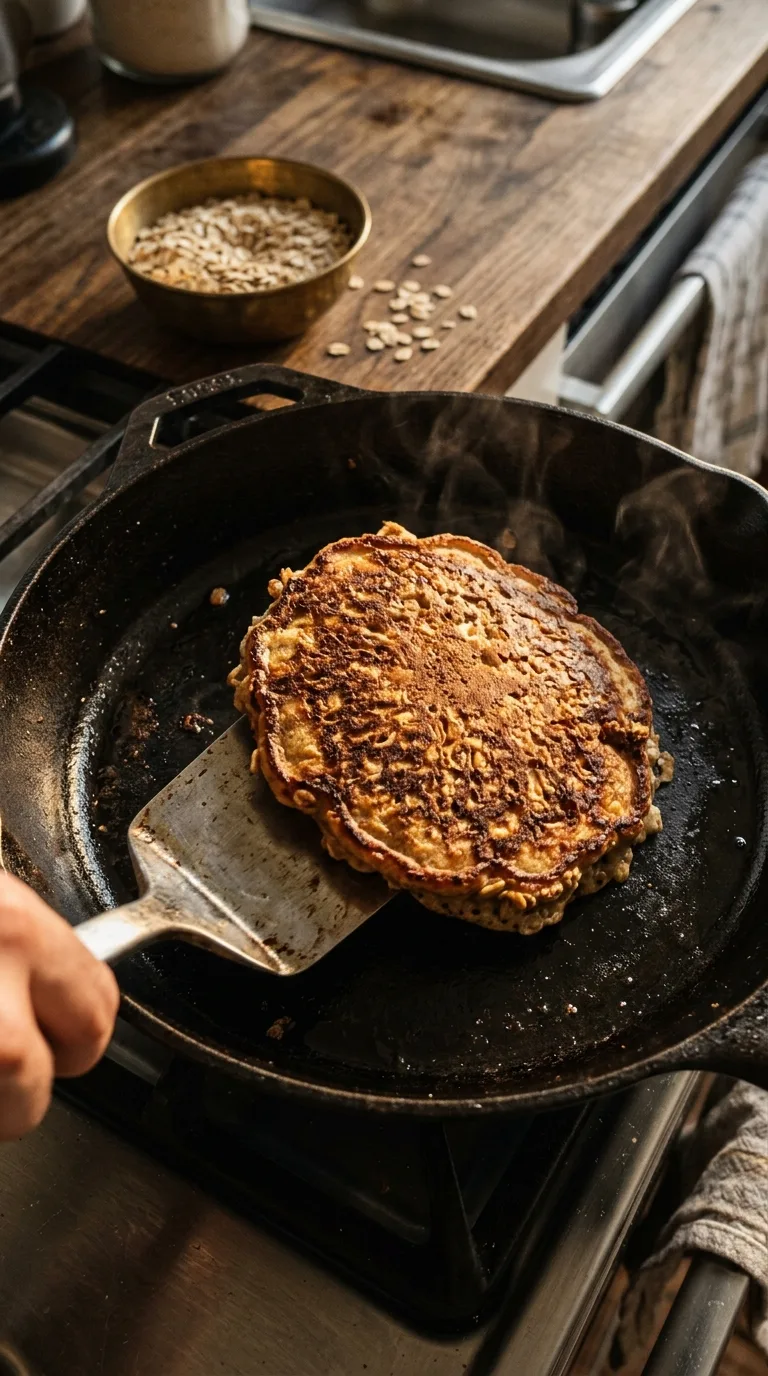
Flip each pancake carefully with a spatula. Cook for another 1-2 minutes until they are golden-brown. This ensures the centre is cooked through.
-
Keep warm and serve
Transfer the finished pancakes to a plate and tent them loosely with foil. This prevents them from cooling too quickly while you cook the remaining batter. Serve immediately with your preferred toppings.
Keep the skillet at a moderate temperature. If the heat is too high, you will see the outsides brown too fast while the centres remain raw. Maintain a steady medium heat to ensure an even colour and a fully cooked middle.
What to serve with it
Top your pancakes with Greek yoghurt, fresh mint, and a squeeze of lemon for a refreshing finish. For a Middle-Eastern style, use crushed pistachios and honey. You can also serve them with sautéed spinach and chilli-infused tomato sauce for a more hearty, plant-based meal.
Storing and reheating
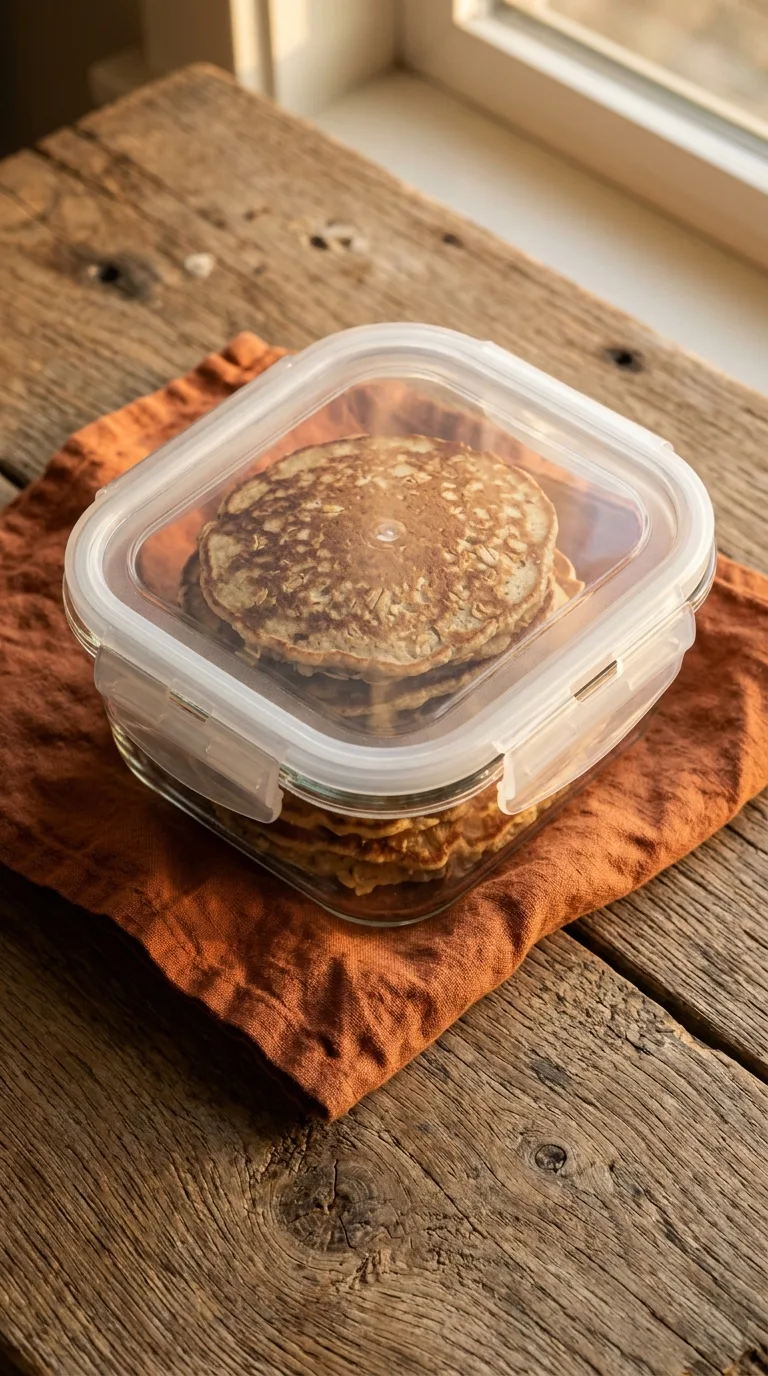
Keep cooked pancakes in an airtight container at 4°C for up to 2 days. For longer storage, freeze them for up to 3 months. To reheat, thaw them in the fridge first or place them directly on a hot non-stick skillet until they are warmed through.
Nutrition per serving
- Calories
- 215
- Protein
- 16.2 g
- Carbs
- 14.5 g
- Fat
- 8.8 g
- Fiber
- 3.1 g
- Sugar
- 5.2 g
Estimated, and offered as a guide rather than a medical figure.
Made it? Rate it.
Questions people ask
What does adding cottage cheese to pancakes do?
It increases the protein content and adds moisture. The cottage cheese blends into a creamy base that helps create a light, airy texture without needing large amounts of flour.
Can I make protein pancakes with cottage cheese and oats?
Yes. Combining these two ingredients provides a high-protein, fibre-rich alternative to traditional flour pancakes while keeping the batter gluten-friendly and filling.
What are the ingredients for 2-ingredient cottage cheese pancakes?
This specific recipe uses cottage cheese, oats, eggs, baking powder, vanilla, and cinnamon. To make a simpler version, you would typically use only cottage cheese and eggs.
Why are my cottage cheese pancakes falling apart?
The skillet may be too cold or the batter too thin. Ensure the pan reaches 180°C (350ðF) and add a tablespoon of oats if the mixture lacks structure.

About the author
Makeva
Makeva is a home‑cook who loves crafting approachable meals that balance flavor and nutrition. She specializes in quick weeknight dinners, hearty soups, and wholesome baked goods, sharing step‑by‑step guidance and practical tips. Readers can expect clear instructions, adaptable recipes, and a friendly tone that encourages confidence in the kitchen.