Low Carb Cream Cheese Pancakes: Protein-Rich Breakfast
Using cold eggs when making low carb cream cheese pancakes causes the batter to curdle in the blender. This creates a grainy mixture that separates in the pan. You end up with a thin, uneven pancake that lacks structure and breaks when you flip it.
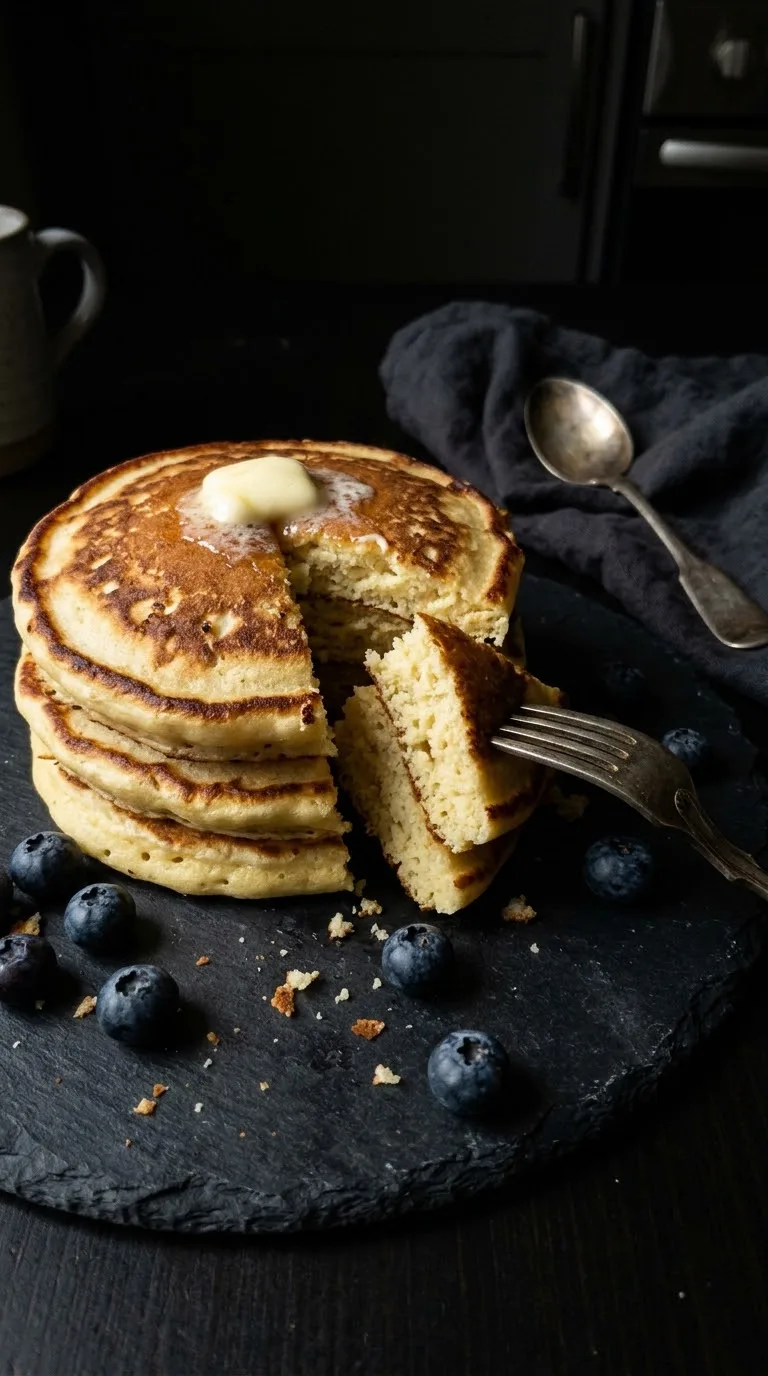
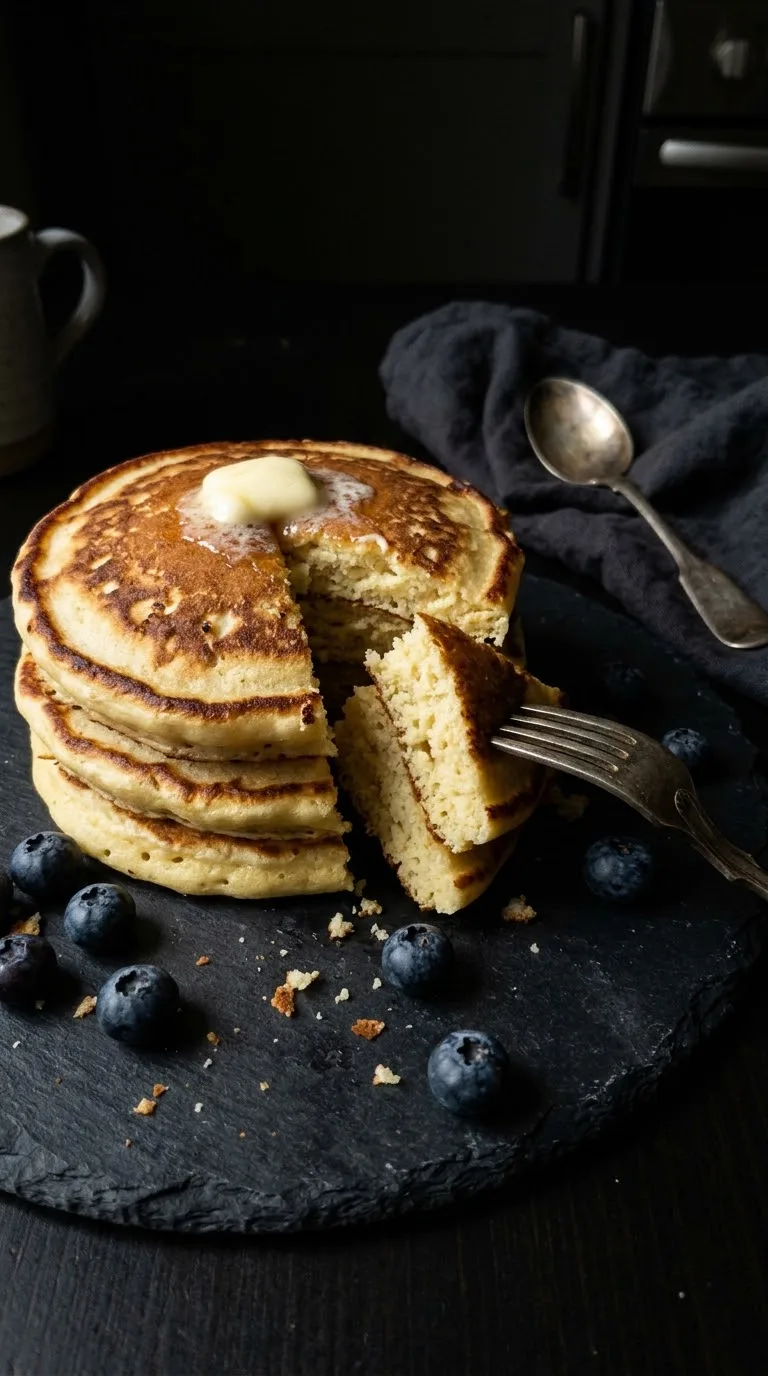
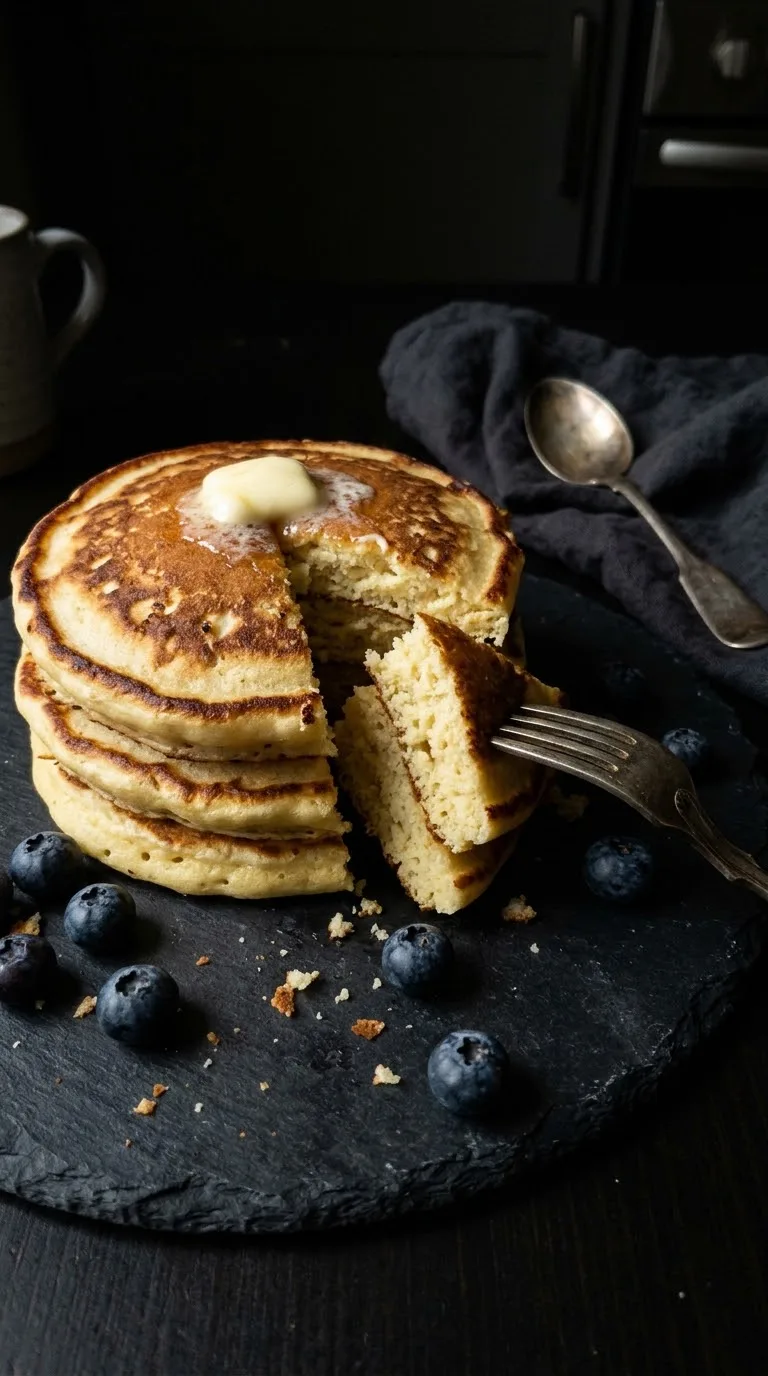
These pancakes combine softened cream cheese with eggs to create a protein-rich breakfast. When made correctly, the batter is smooth and glossy. The result is a fluffy, golden-brown pancake with a rich savoury base and a light texture that holds its shape on the plate.
Ensure your eggs are at room temperature before you begin. This allows the fats in the cream cheese and the proteins in the eggs to emulsify fully. Blend the mixture for 30–45 s to ensure the batter is completely smooth. Use a non-stick skillet pre-heated to 185°C (365°F) so the edges set quickly and create a firm seal.
Low Carb Cream Cheese Pancakes: Protein-Rich Breakfast
Recipe cardIngredients
Instructions
-
Smooth the cheese
Stir the softened cream cheese in a small mixing bowl with a whisk. Ensure it is creamy and free of lumps. This prevents the batter from separating later.
-
Prepare the eggs
Beat the eggs in a separate bowl until yolks and whites combine. Pour them into the cream cheese. Blend in a food processor for 30-45 seconds until glossy to ensure a homogenous texture.
-
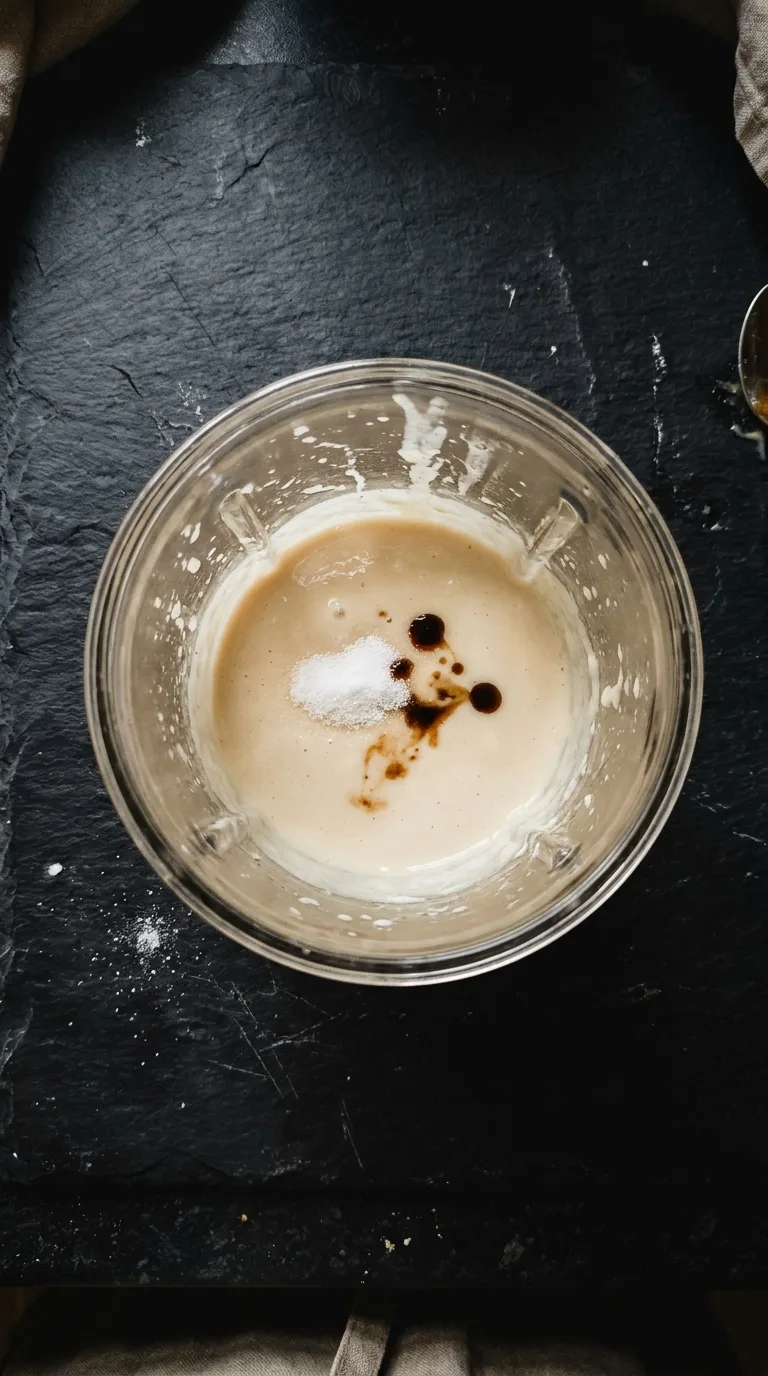
Add the flavourings
Pulse in the sea salt, vanilla extract, and erythritol. Incorporate them briefly. Adding salt at the end prevents it from affecting the egg structure during the initial blend.
-
Heat the skillet
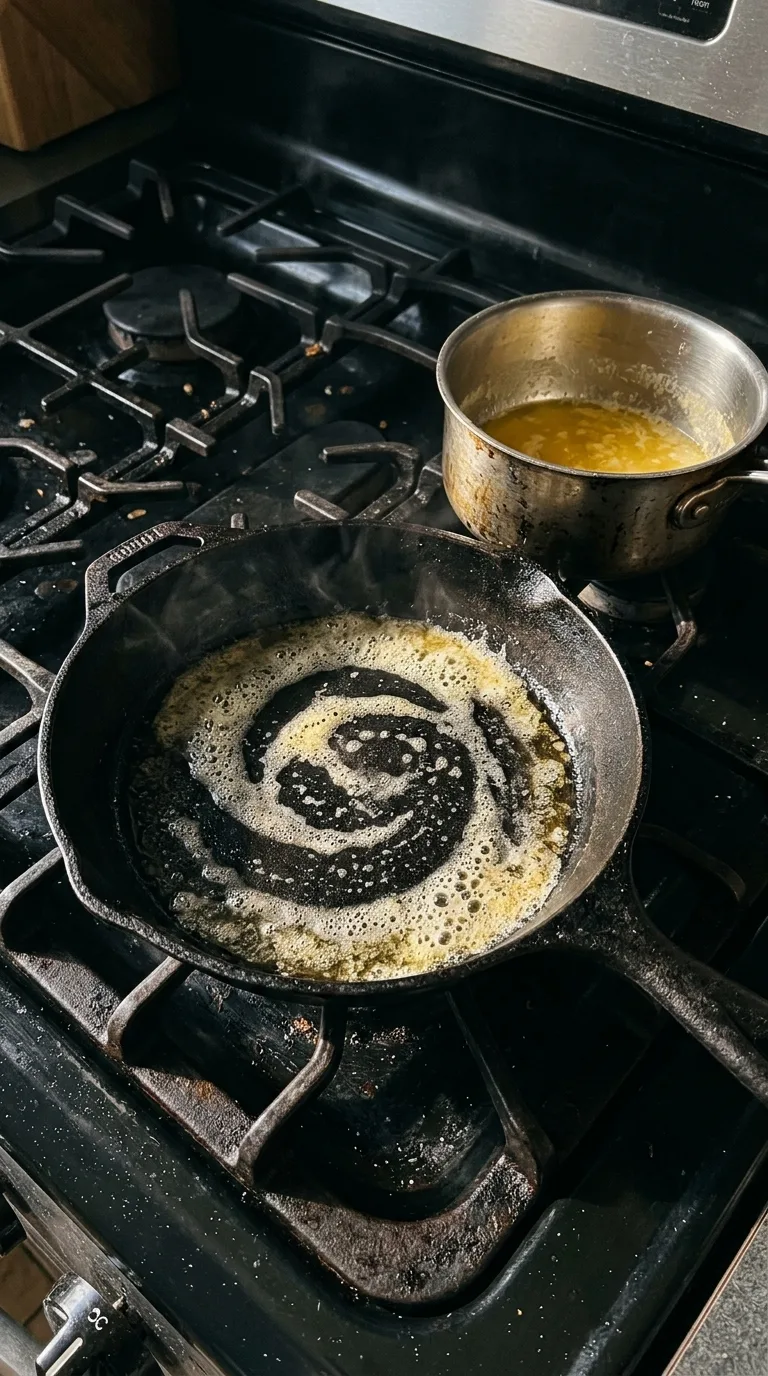
Pre-heat a non-stick skillet to 185°C (365°F). Melt the butter in a saucepan and swirl it across the pan. This creates a non-stick barrier and adds a savoury depth.
-
Pour the batter
Pour a 60 ml ladleful of batter into the centre when the butter foams. Tilt the pan to reach a 15 cm (6 inch) diameter. This ensures the pancakes cook evenly.
-
Cook and flip
Cook for 2 minutes until edges set and a film forms on top. Flip with a spatula and cook for 1 minute more. Stop when they are golden-brown and cooked through.
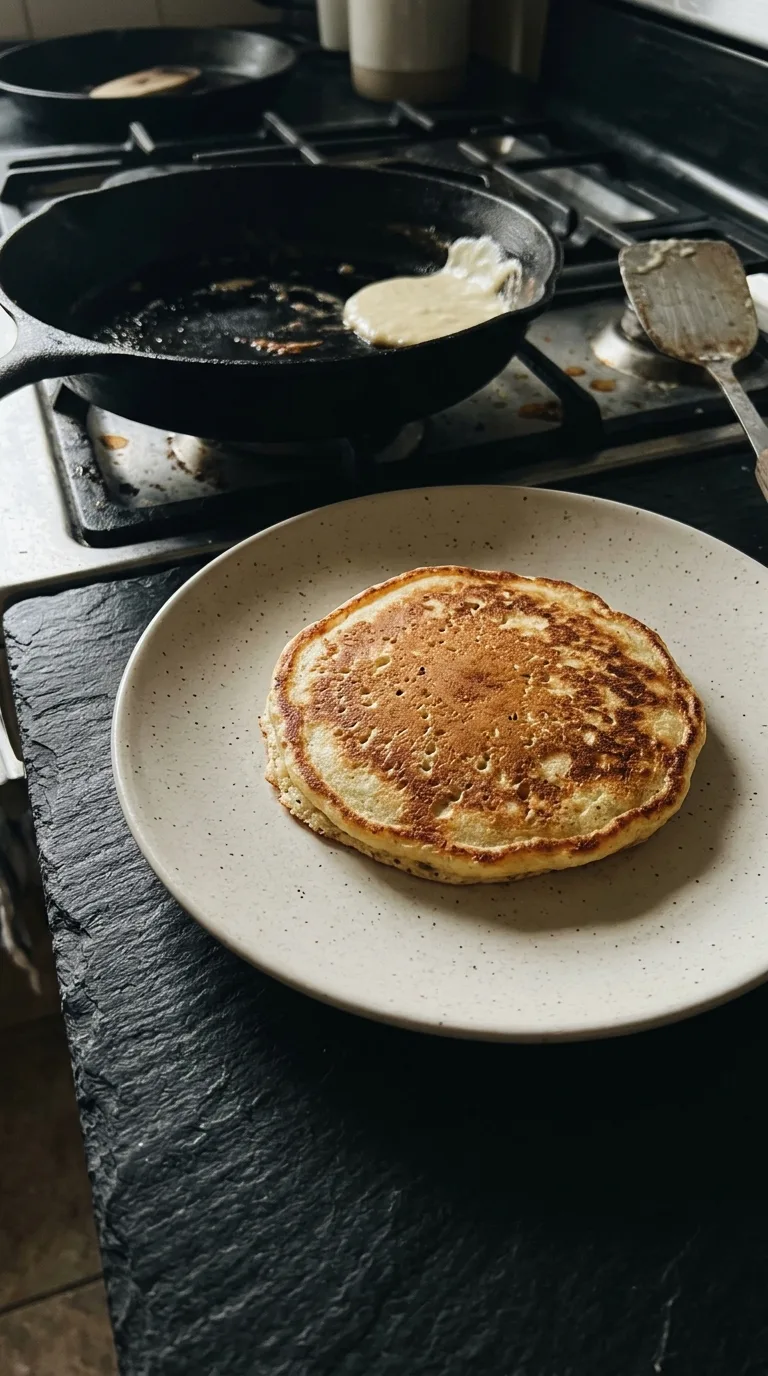
Ensure your eggs are at room temperature to prevent the batter from curdling in the blender. If the mixture is too thick to pour, whisk in a tablespoon of water or sugar-free milk. Use a medium heat to avoid burning the butter before the pancakes set.
What goes wrong and why
Your batter may curdle if the eggs are too cold. Cold proteins do not emulsify easily with the fats in the cream cheese. Watch for small lumps during blending. Use room temperature eggs to ensure a smooth, glossy consistency that pours easily into the skillet.
Storing and reheating
Keep leftovers on a plate at room temperature for no more than 2 hours. For longer storage, wrap pancakes individually in cling film and freeze for up to 2 months. Thaw them in the refrigerator overnight or reheat in a 100°C (212°F) oven for 8–10 minutes.
Sweet or savoury
Adjust the flavour profile by altering the additives. For a sweet version, use erythritol and vanilla. For a savoury option, omit the sweetener and add chopped chives, parsley or dill. Serve the savoury version with smoked salmon or a dollop of Greek yoghurt for a protein-rich start.
Nutrition per serving
- Calories
- 300
- Protein
- 24.0 g
- Carbs
- 4.0 g
- Fat
- 24.0 g
- Fiber
- 0.0 g
- Sugar
- 2.0 g
Estimated, and offered as a guide rather than a medical figure.
Made it? Rate it.
Questions people ask
Can I use a whisk instead of a blender?
No. A blender or food processor is necessary to fully emulsify the softened cream cheese and eggs. A whisk will likely leave small lumps of cheese in the batter, preventing the pancakes from becoming fluffy and smooth.
What can I add to make these lighter?
Add 15 g of coconut flour and a pinch of baking powder to the batter. This creates a lighter texture. Add a splash of coconut milk to the mixture to ensure it remains pourable after adding the flour.
How do I know when to flip the pancake?
Flip the pancake after 2 minutes. You will see the edges start to set and a light film form on the surface. This indicates the structure is firm enough to handle the spatula without breaking.

About the author
Makeva
Makeva is a home‑cook who loves crafting approachable meals that balance flavor and nutrition. She specializes in quick weeknight dinners, hearty soups, and wholesome baked goods, sharing step‑by‑step guidance and practical tips. Readers can expect clear instructions, adaptable recipes, and a friendly tone that encourages confidence in the kitchen.