Low Carb Coconut Flour Pancakes: Grain-Free Breakfast
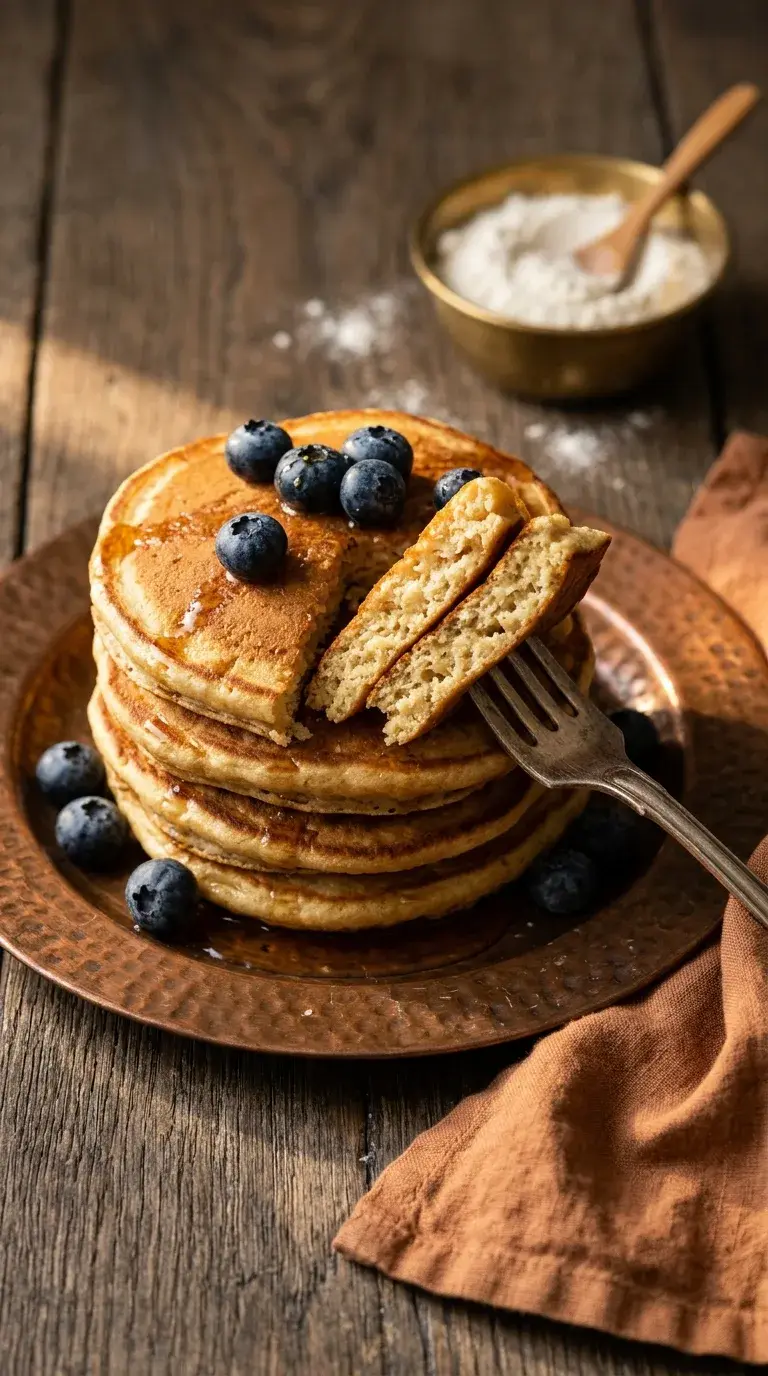
American pancakes typically rely on wheat flour and sugar to achieve their structure and sweetness. These low carb coconut flour pancakes replace those grains with coconut flour and a sweetener blend to reduce the net carb count. Use unsweetened coconut milk to maintain a creamy consistency while avoiding added sugars. This substitution provides a denser nutrient profile and a distinct coconut flavour that complements the light texture of the batter.
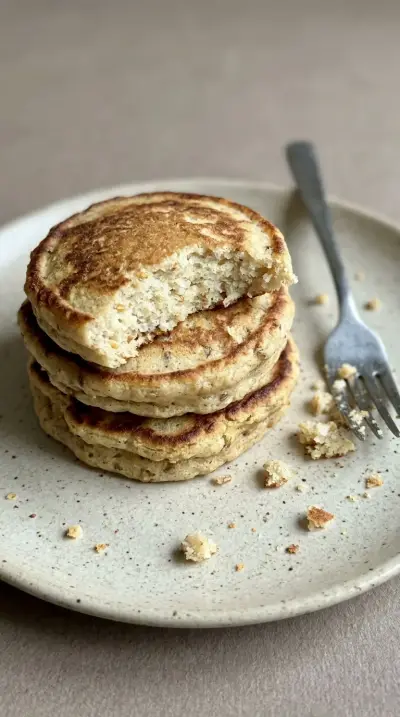
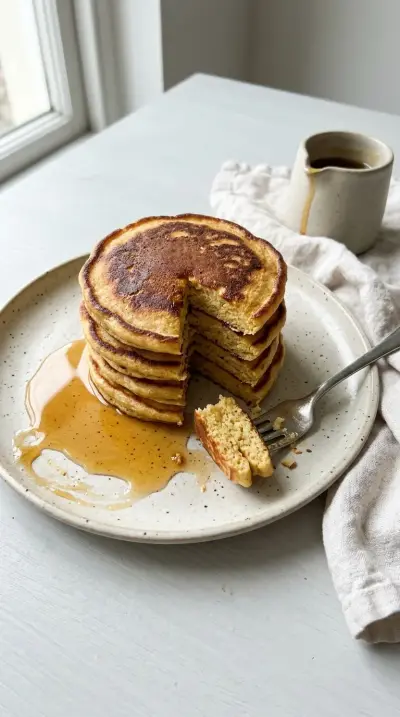
The result is a fluffy pancake with a golden brown colour on both sides. You must let the batter rest for 10 minutes at room temperature before cooking. This step hydrates the coconut flour and allows the mixture to thicken, which reduces crumbliness and encourages the rise. Heat your skillet to 120°C (248°F) to ensure the batter does not dry out before the centre is fully cooked. Use a spatula to flip each 9 cm disc gently once bubbles form on the surface.
Low Carb Coconut Flour Pancakes: Grain-Free Breakfast
Recipe cardIngredients
Watch how it's made
Instructions
-
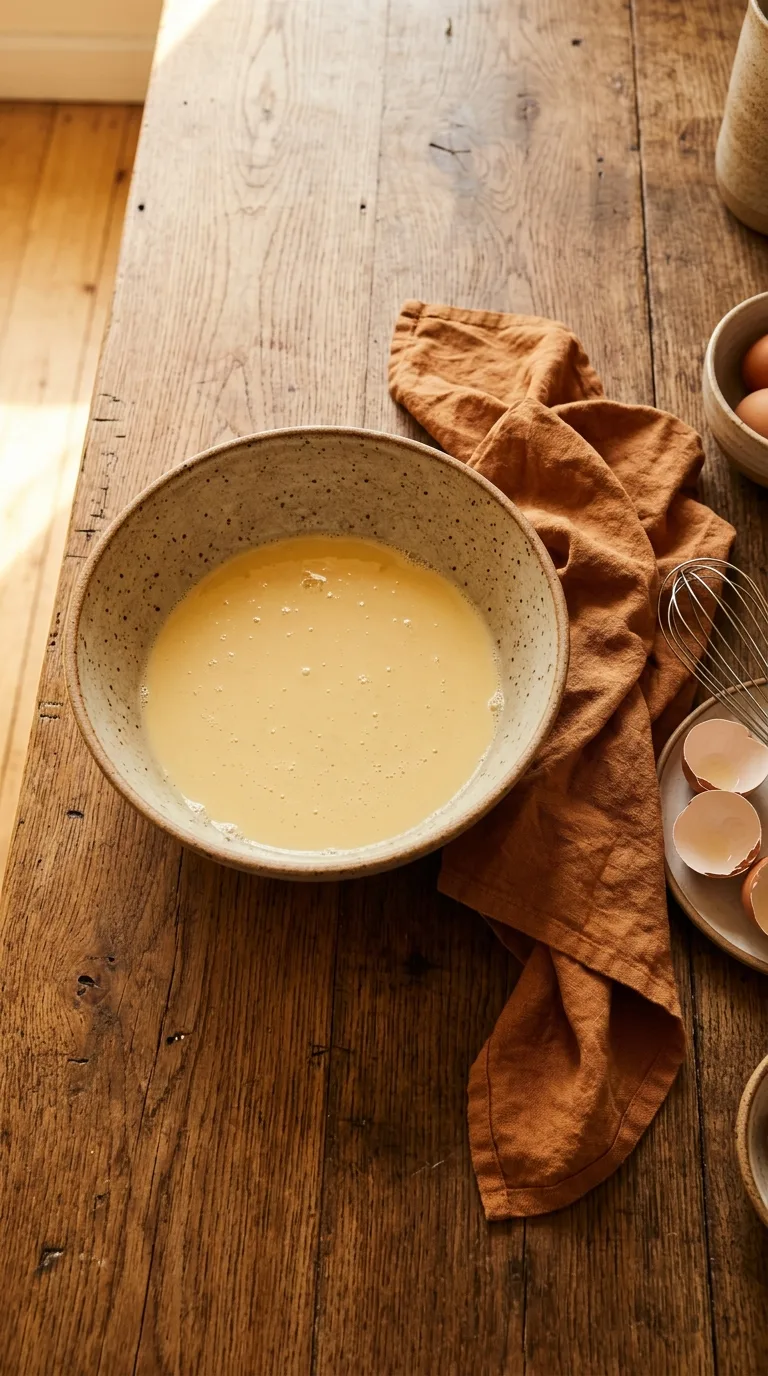
Whisk the wet base
Whisk the eggs and sweetener in a large bowl until the mixture is lightly frothy. Stir in the coconut milk and vanilla extract. Ensure these are fully combined to create a smooth base.
-
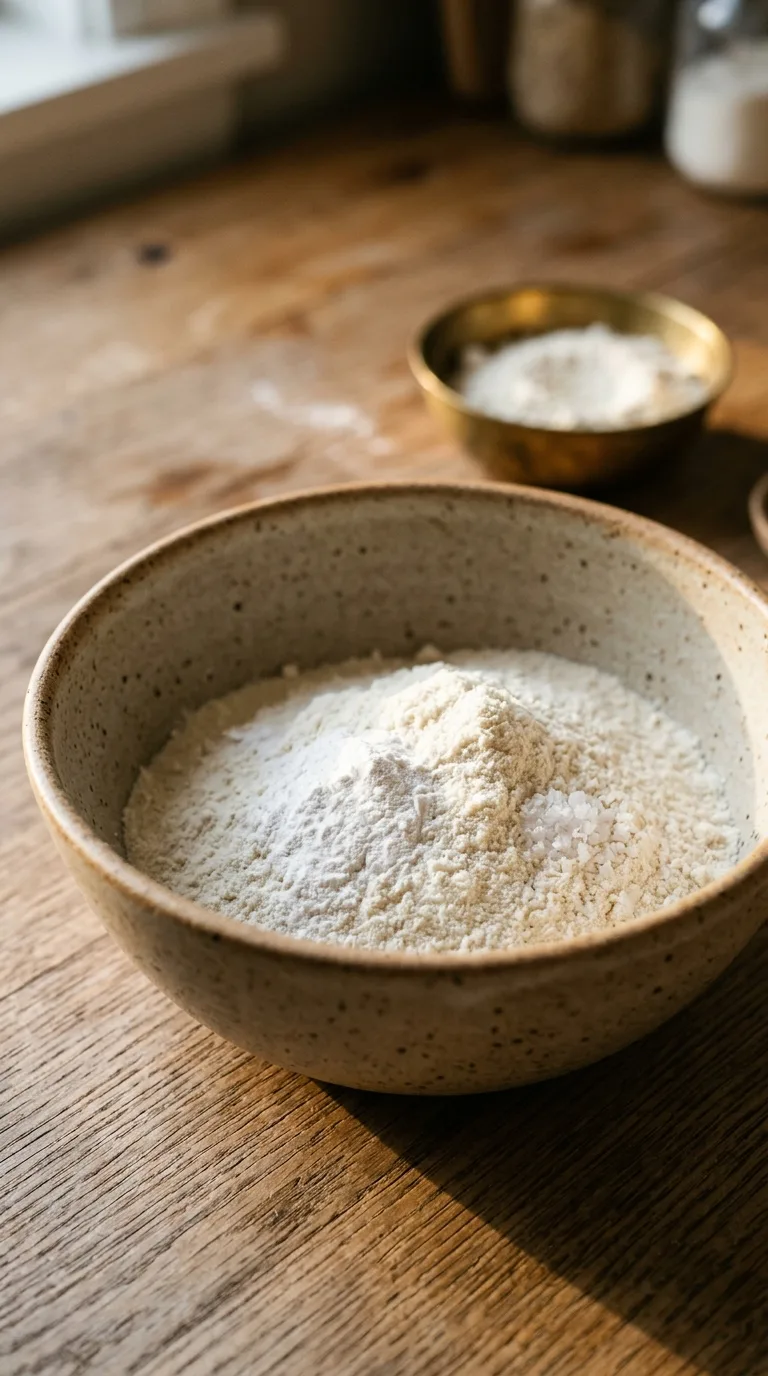
Prepare the dry mix
Sift the coconut flour, baking powder, and sea salt into a separate bowl. Sifting removes lumps and ensures the leavening agent is evenly distributed through the flour.
-
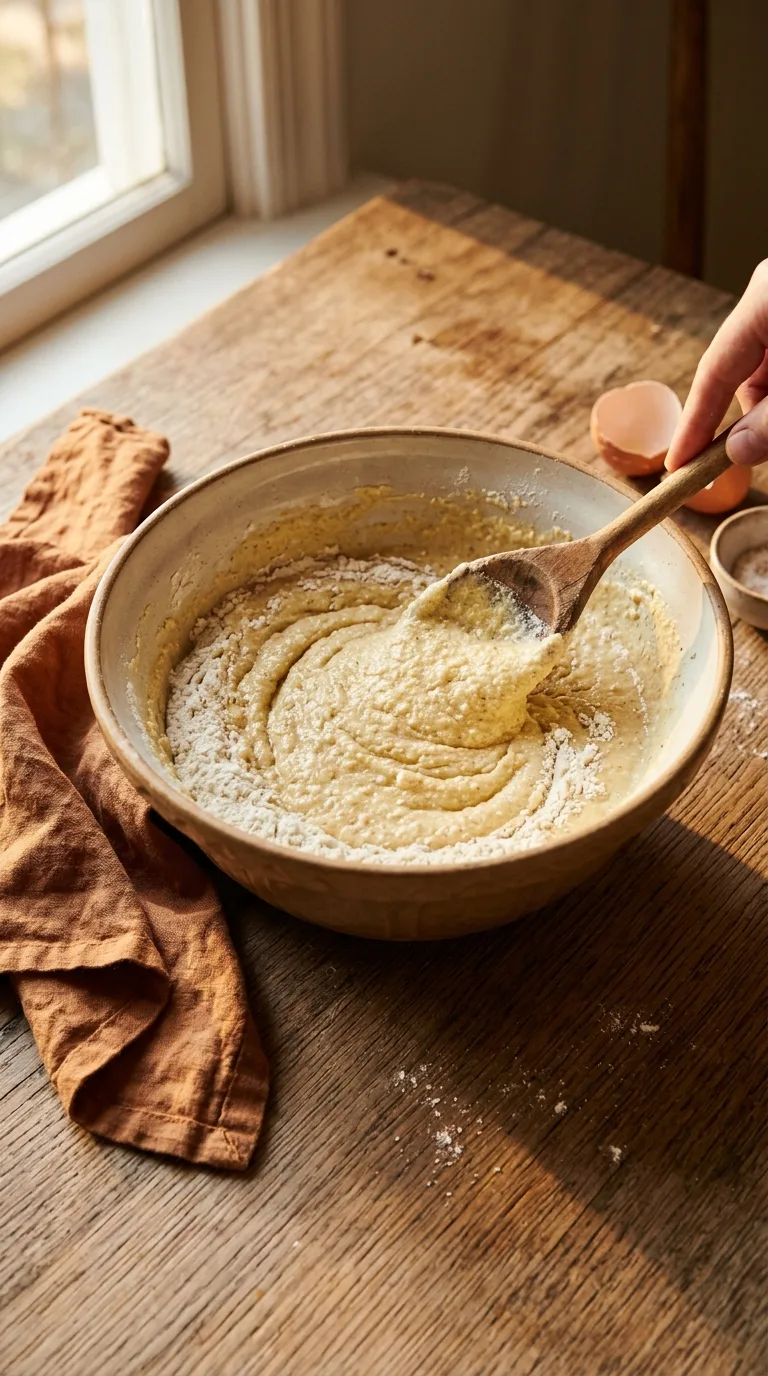
Combine the batter
Gently fold the dry mixture into the wet batter. Stop as soon as the dry streaks disappear. You must avoid overmixing to keep the pancakes light.
-
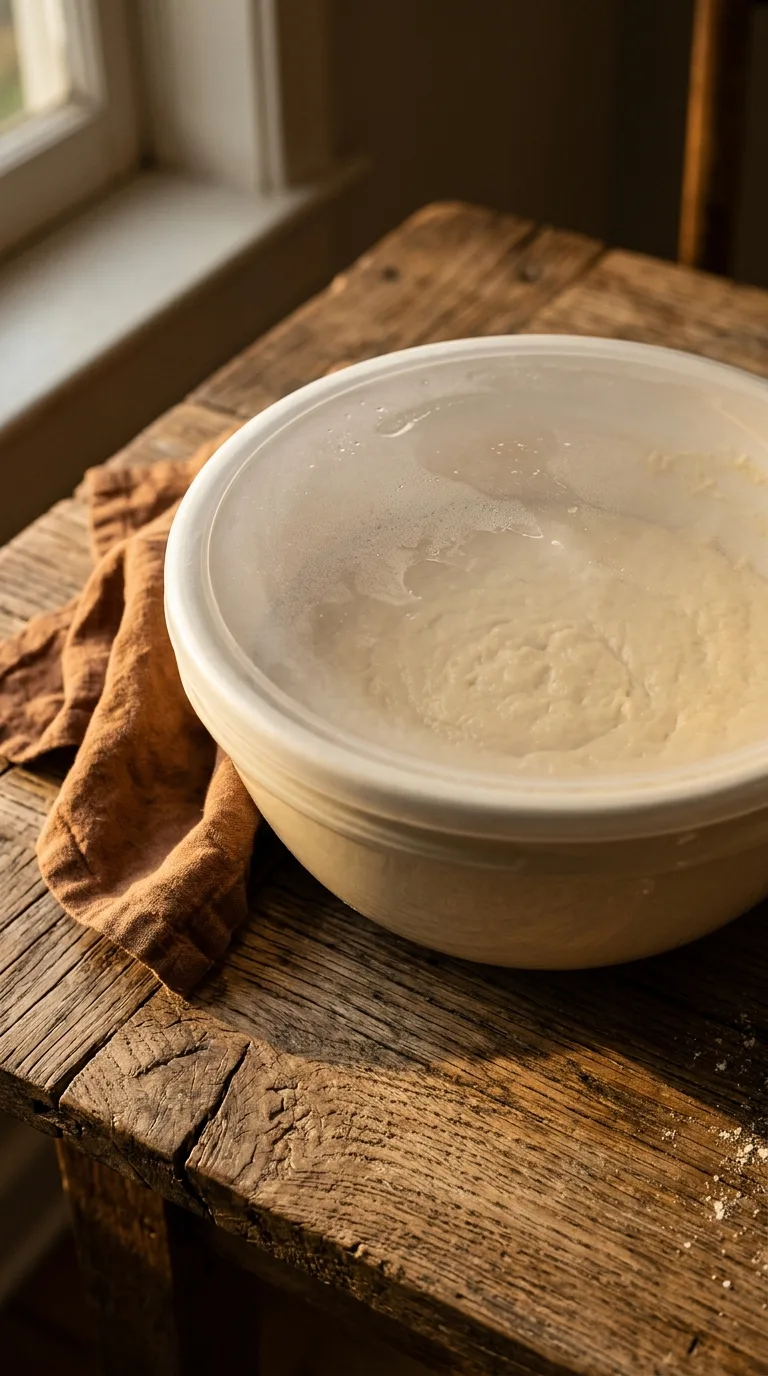
Rest the batter
Cover the batter and let it sit at room temperature. This hydrates the coconut flour and allows the batter to thicken. It prevents the final result from being too crumbly.
-
Heat the skillet
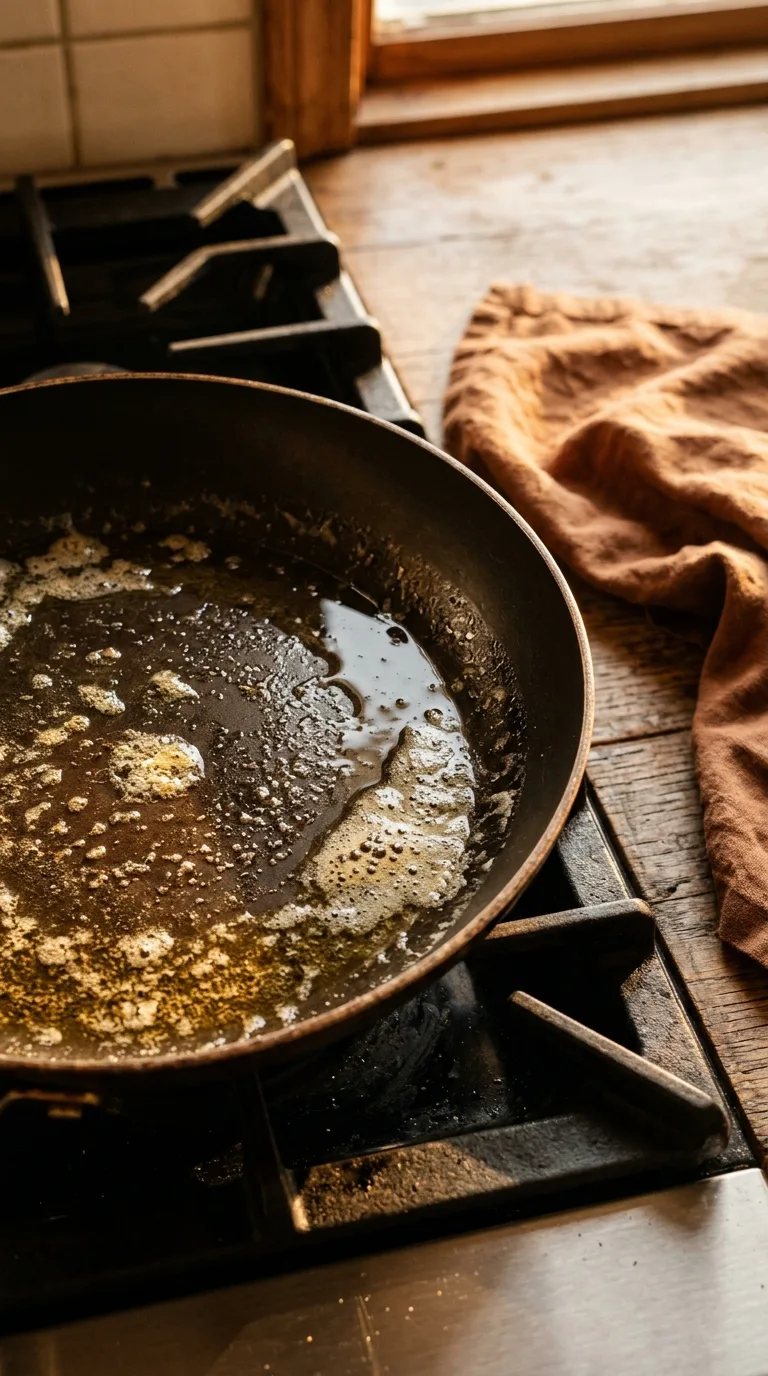
Heat a non-stick skillet over medium-low heat at 120°C (248°F). Brush the surface with 15g of melted butter. This temperature prevents the outside from burning before the centre is cooked.
-
Fry the pancakes
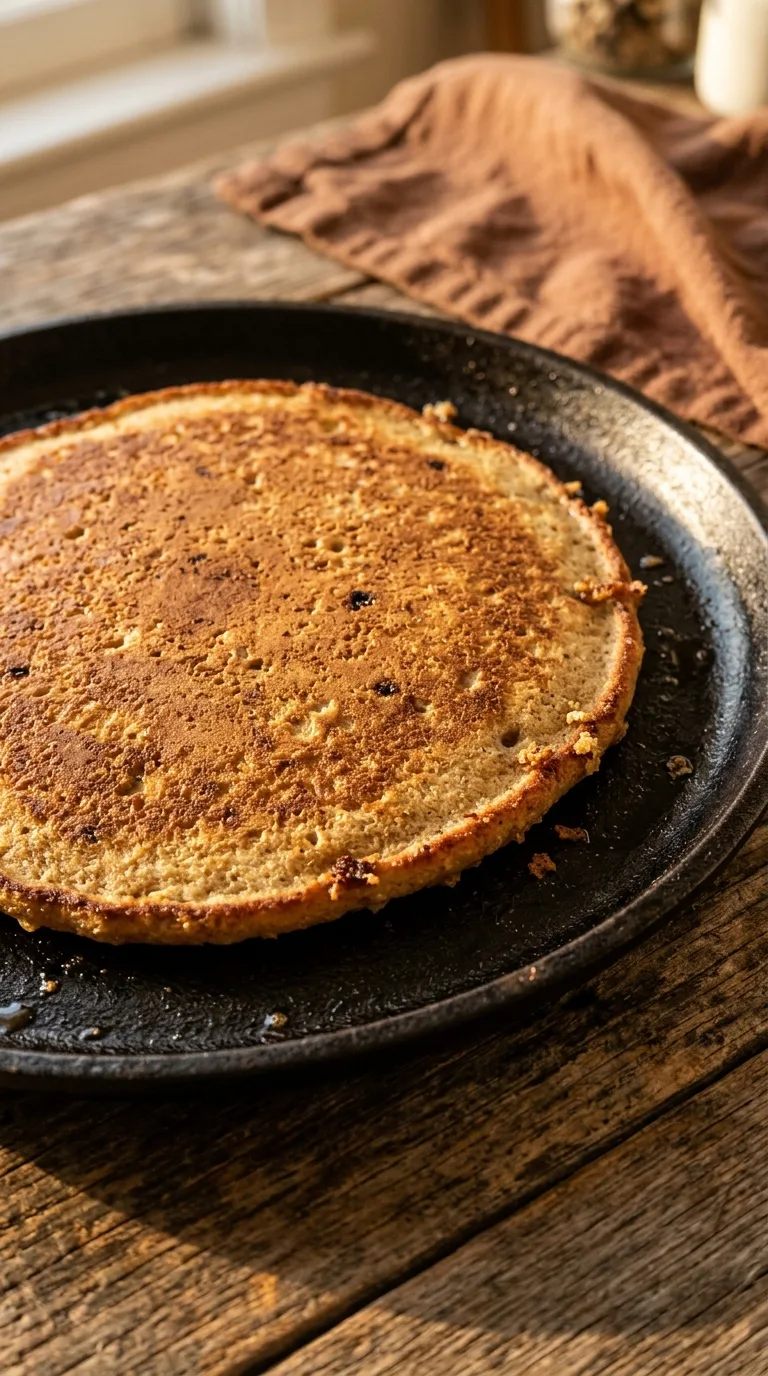
Spoon 60ml of batter onto the skillet to form a 9cm disc. Cook for 2–3 minutes until bubbles form and the edges set. Flip gently and cook for another 2–3 minutes until golden brown.
-
Keep warm and serve
Transfer the pancakes to a plate and cover them loosely with foil. This traps the steam to keep them soft. Serve immediately with your chosen low-carb toppings.
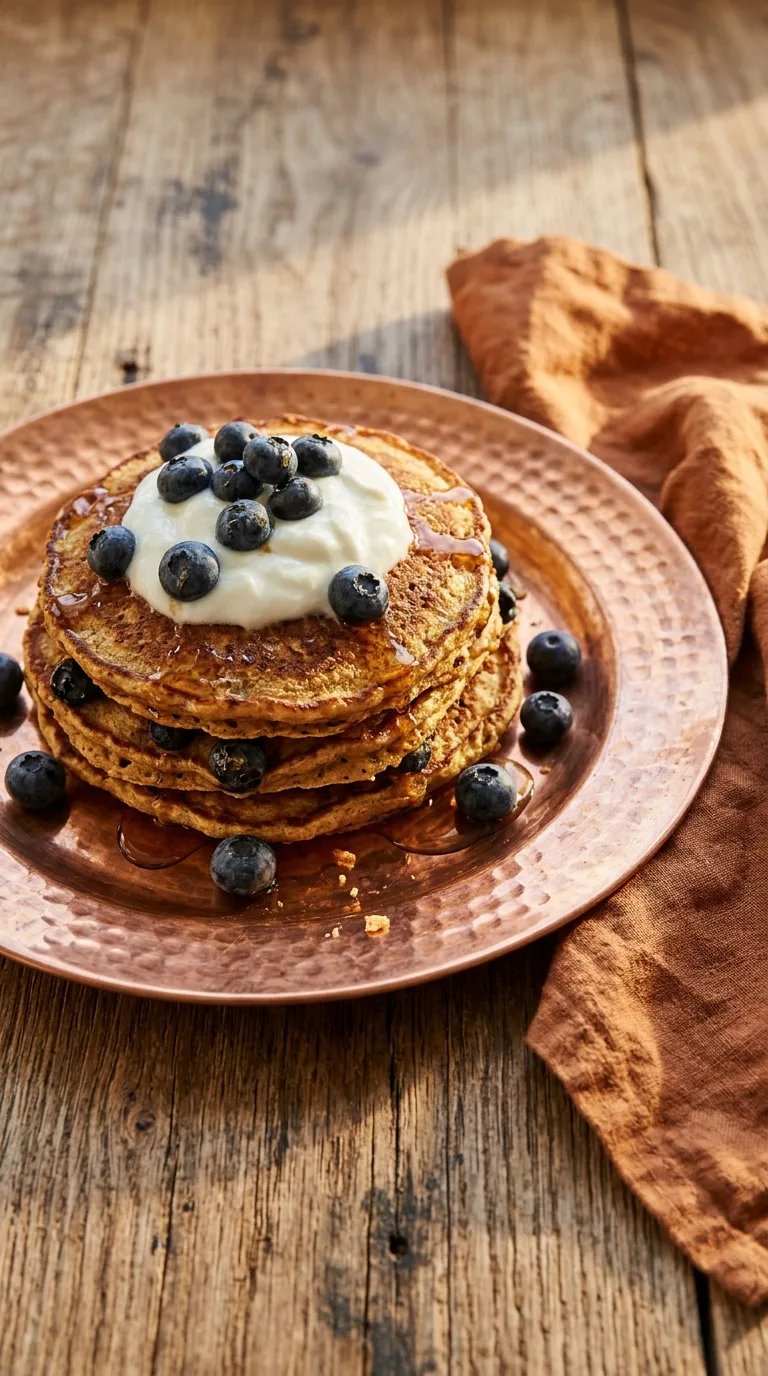
Watch the heat carefully. If the pancakes brown too quickly but feel soft in the centre, your pan is too hot. Lower the heat to 120°C (248°F) to ensure the batter sets fully without drying out or burning the exterior.
How it differs from the traditional method
Coconut flour absorbs more liquid than wheat flour, creating a denser, protein-rich crumb. You must let the batter rest to avoid a crumbly texture. Traditional wheat pancakes remain a better choice if you require a light, airy stretch or a classic golden-brown colour produced by gluten.
Storing and reheating
Store cooled pancakes in a shallow airtight container in the fridge for up to 3 days. For longer storage, freeze them on a parchment-lined tray before transferring to a bag. Reheat in a pre-heated oven at 180°C (356°F) for 5 minutes or use a microwave briefly.
Nutrition per serving
- Calories
- 215
- Protein
- 12.0 g
- Carbs
- 8.0 g
- Fat
- 14.5 g
- Fiber
- 4.0 g
- Sugar
- 2.0 g
Estimated, and offered as a guide rather than a medical figure.
Made it? Rate it.
Questions people ask
Is coconut flour good for low carbs?
Yes. Coconut flour is high in fibre and low in net carbohydrates, making it a suitable alternative to wheat flour for those following a low carb or ketogenic diet to manage blood sugar levels.
Does coconut flour work in pancakes?
Yes. It works well if you use a higher ratio of eggs and liquid. This compensates for the flour's high absorbency and prevents the pancakes from becoming too dry or falling apart during flipping.
Does coconut flour spike blood sugar?
No. Because it contains a high amount of fibre and very few simple sugars, it typically has a much lower glycemic impact on blood sugar compared to refined white flour.

About the author
Makeva
Makeva is a home‑cook who loves crafting approachable meals that balance flavor and nutrition. She specializes in quick weeknight dinners, hearty soups, and wholesome baked goods, sharing step‑by‑step guidance and practical tips. Readers can expect clear instructions, adaptable recipes, and a friendly tone that encourages confidence in the kitchen.