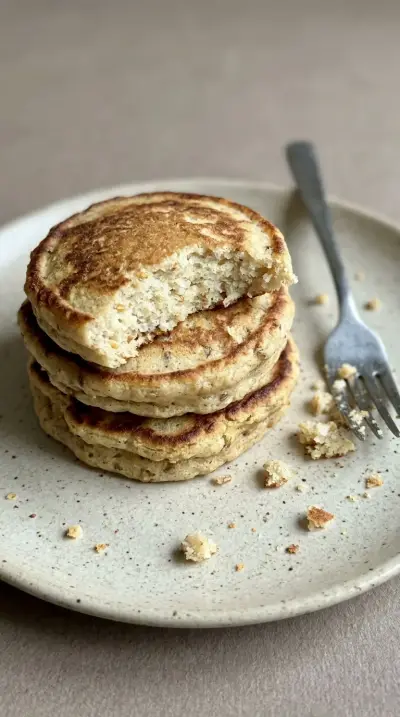
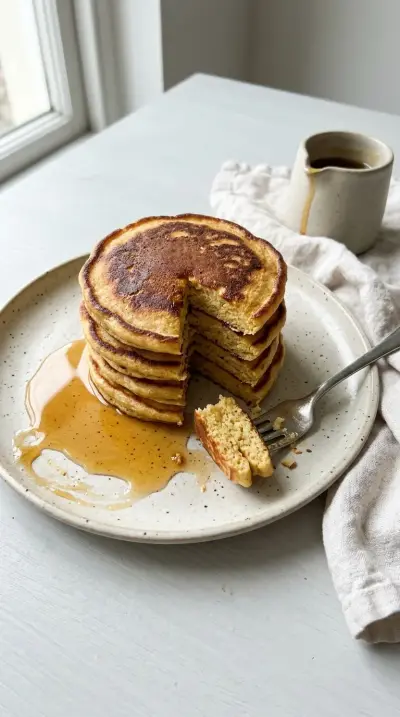
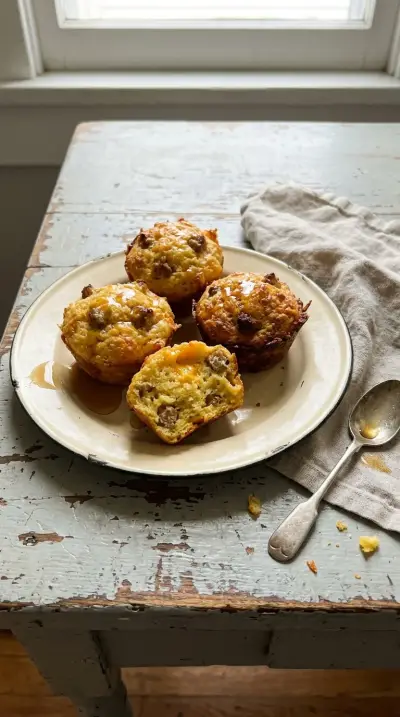
High Protein Coconut Flour Pancakes: Gluten-Free Breakfast
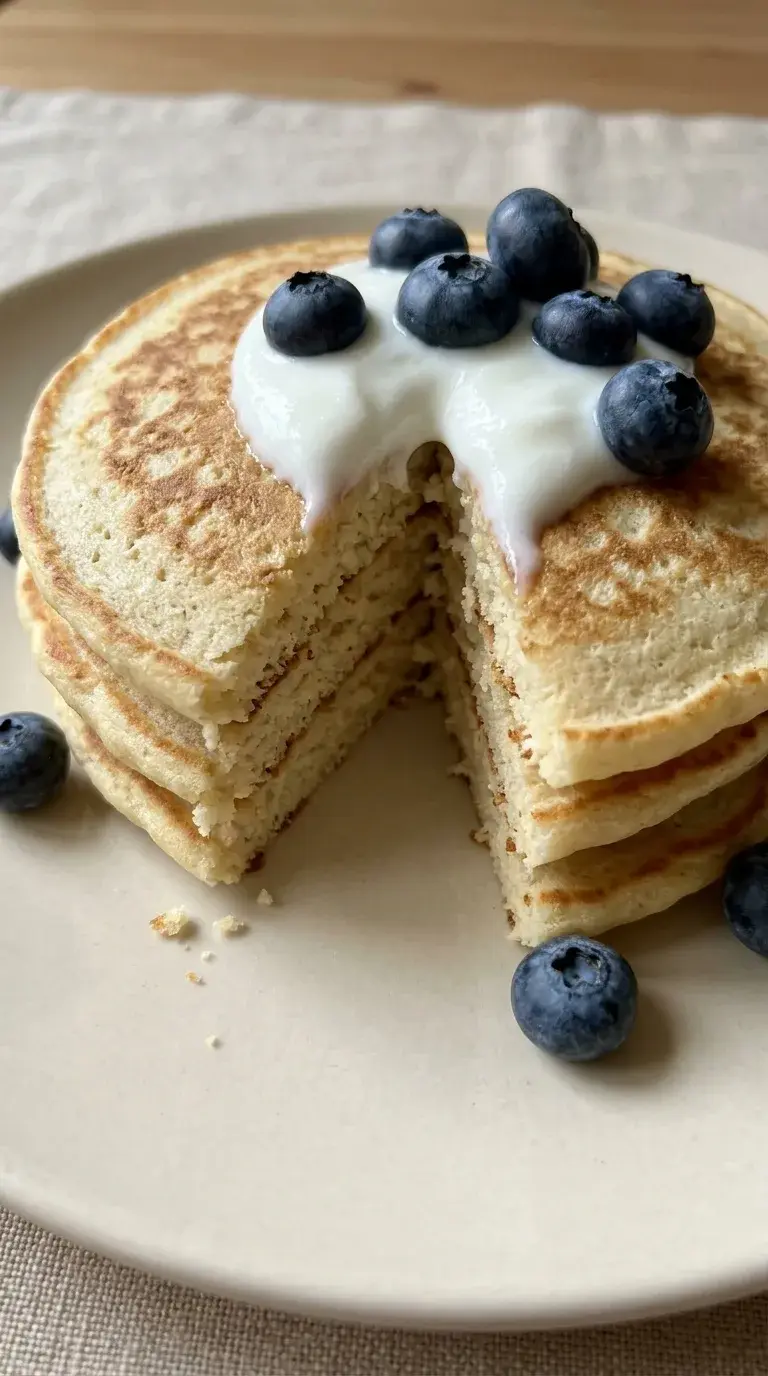
Standard American pancakes rely on wheat flour and refined sugar for structure and sweetness. These high protein coconut flour pancakes replace the grain with coconut flour and whey protein powder to increase the nutritional value. You use 15 ml of melted coconut oil instead of butter to keep the profile clean. This change provides a denser nutrient profile without sacrificing the classic breakfast experience.
The result is a light, fluffy pancake that stays moist. You must whip 119 g of egg whites to stiff peaks and fold them gently into the batter to achieve this lift. Let the batter rest for 10 minutes before cooking at 120°C (248°F). This resting period allows the coconut flour to hydrate fully, which prevents a gritty texture and ensures the pancakes rise slightly in the pan.
High Protein Coconut Flour Pancakes: Gluten-Free Breakfast
Recipe cardIngredients
Instructions
-
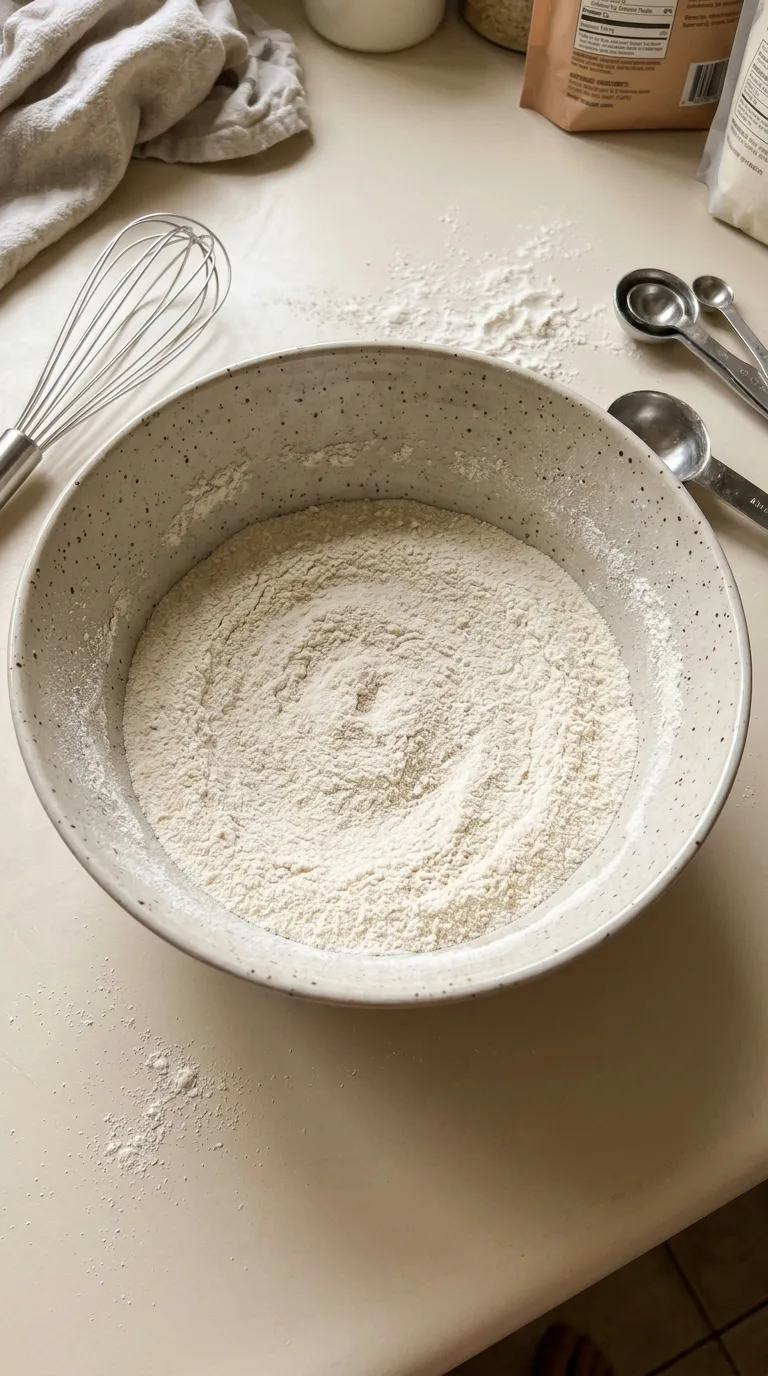
Combine dry ingredients
Whisk the coconut flour, baking powder, salt and whey protein powder in a large mixing bowl. Stir until the mixture is completely smooth. This removes lumps to ensure a uniform batter.
-
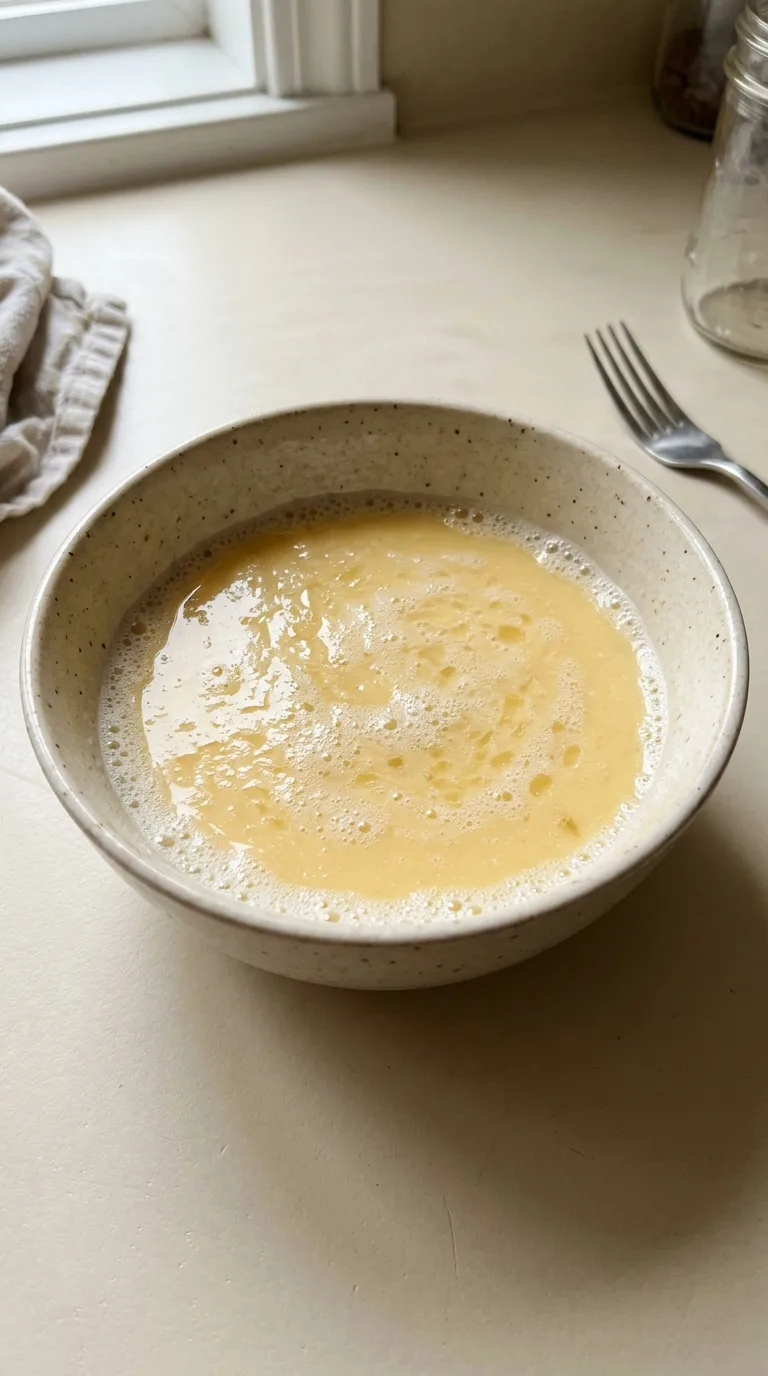
Mix wet ingredients
Beat the eggs, almond milk, honey and melted coconut oil in a medium bowl. Continue until the mixture is frothy and uniform. This aeration helps the pancakes stay light.
-
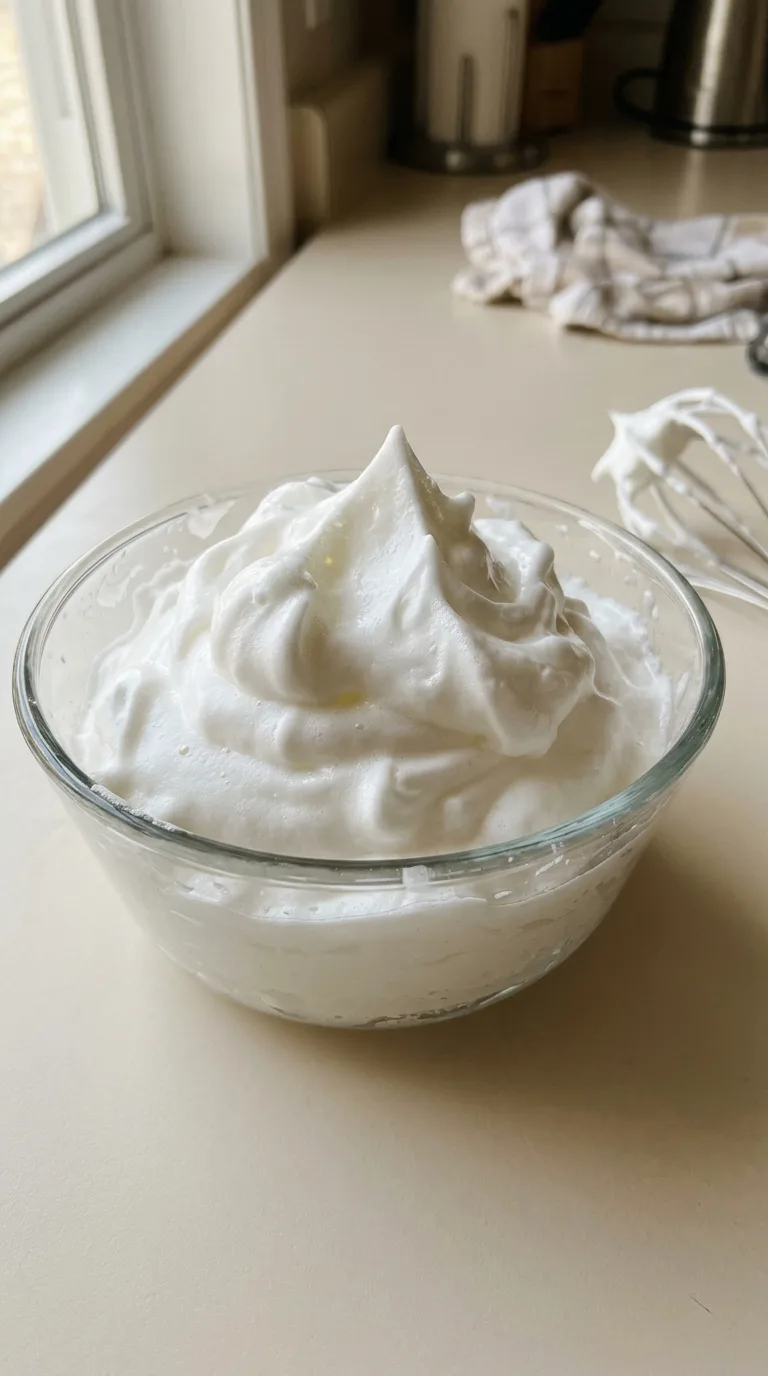
Whip the egg whites
Whip the egg whites with a pinch of salt in a separate bowl. Beat them until they form stiff peaks. This provides the structural lift needed for coconut flour.
-
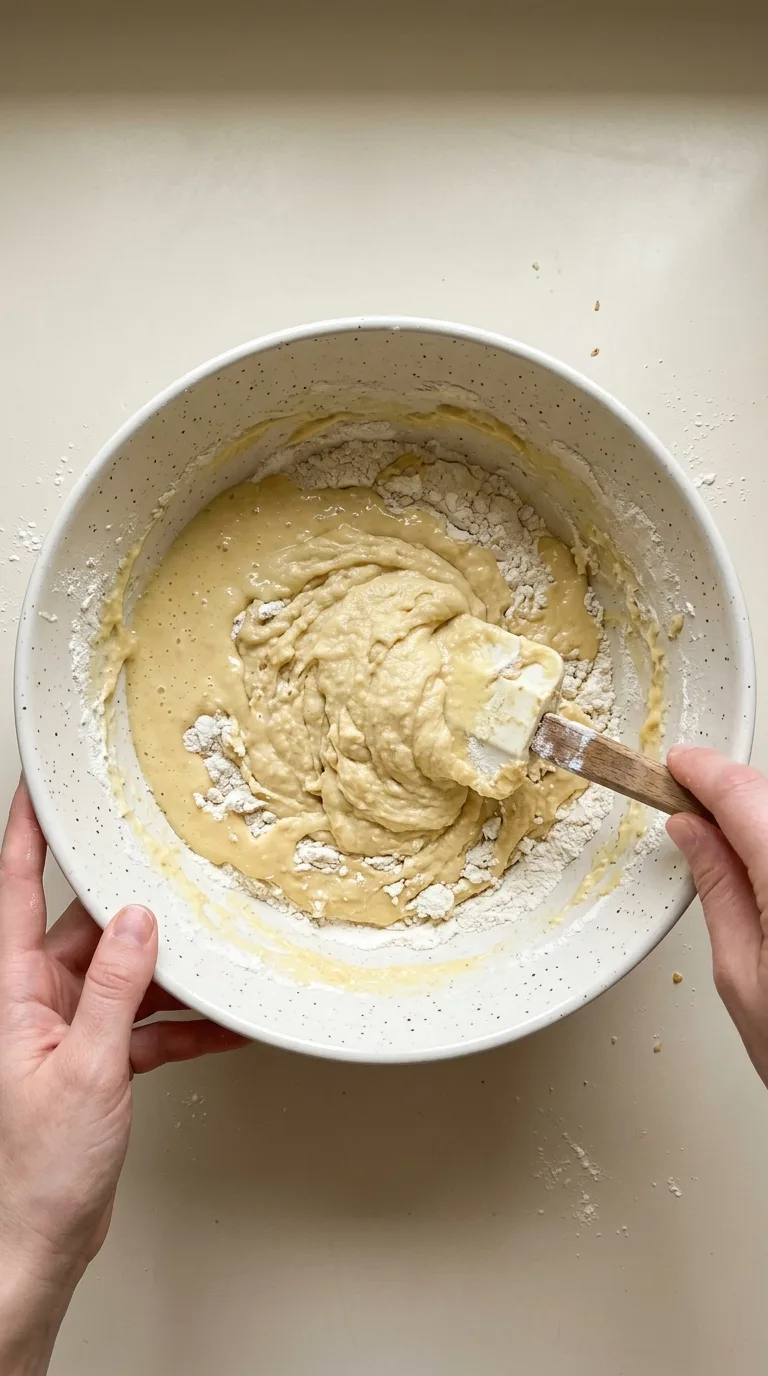
Blend the batter
Pour the wet mixture into the dry mixture. Stir with a rubber spatula until just combined. The batter will be thick because coconut flour absorbs more liquid than wheat flour.
-
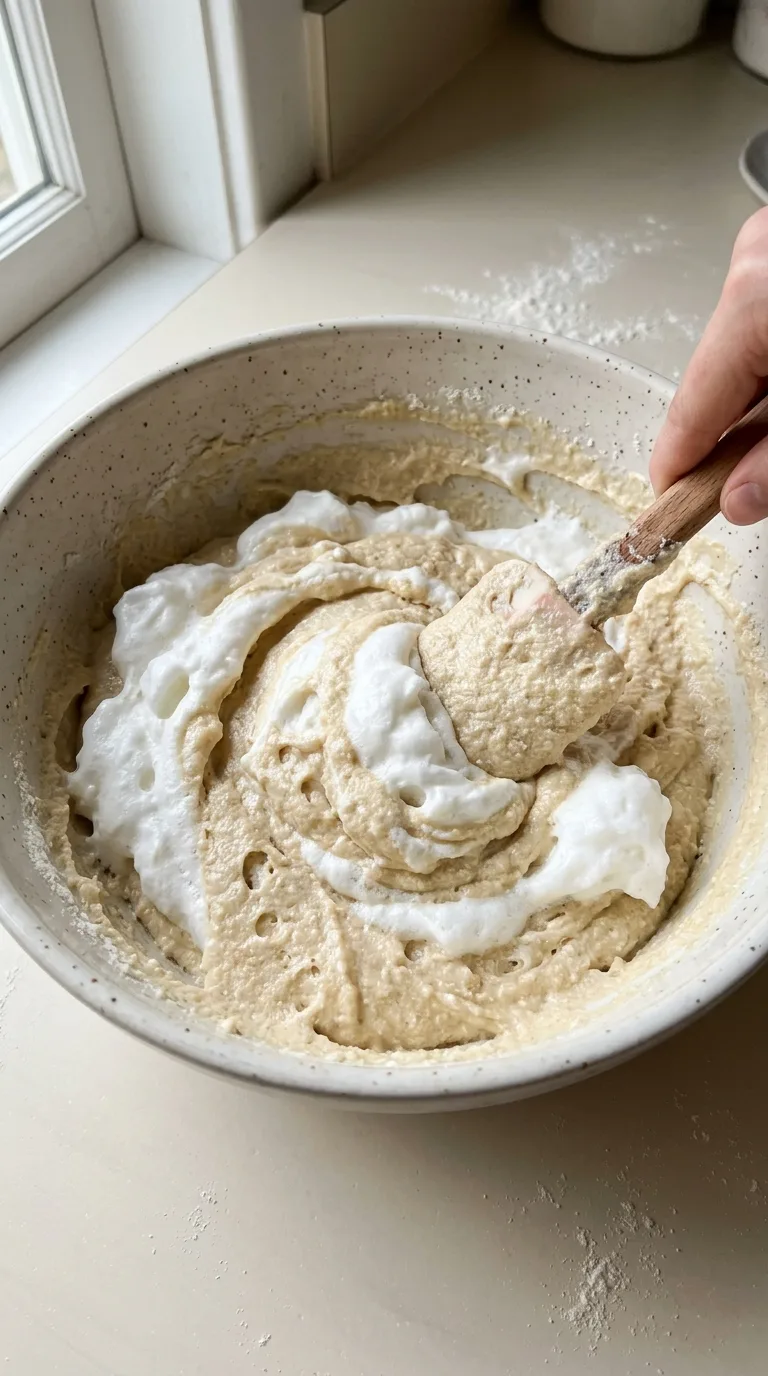
Fold in whites
Gently fold the stiff-peak egg whites into the batter until just incorporated. Avoid over-mixing. You must keep the air bubbles intact to ensure the pancakes are light.
-
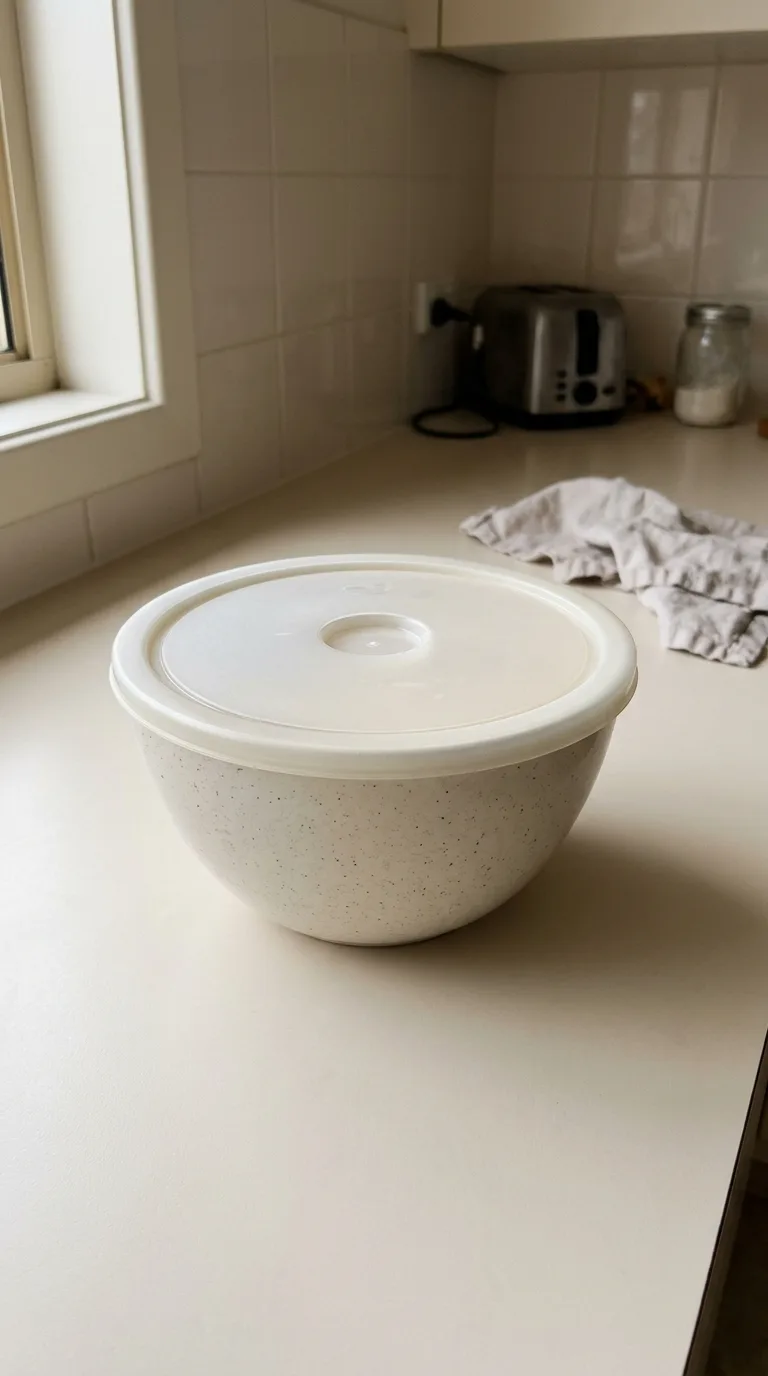
Hydrate the flour
Cover the bowl and let the batter rest at room temperature. This allows the flour to hydrate and the batter to rise slightly. It prevents the pancakes from being grainy.
-
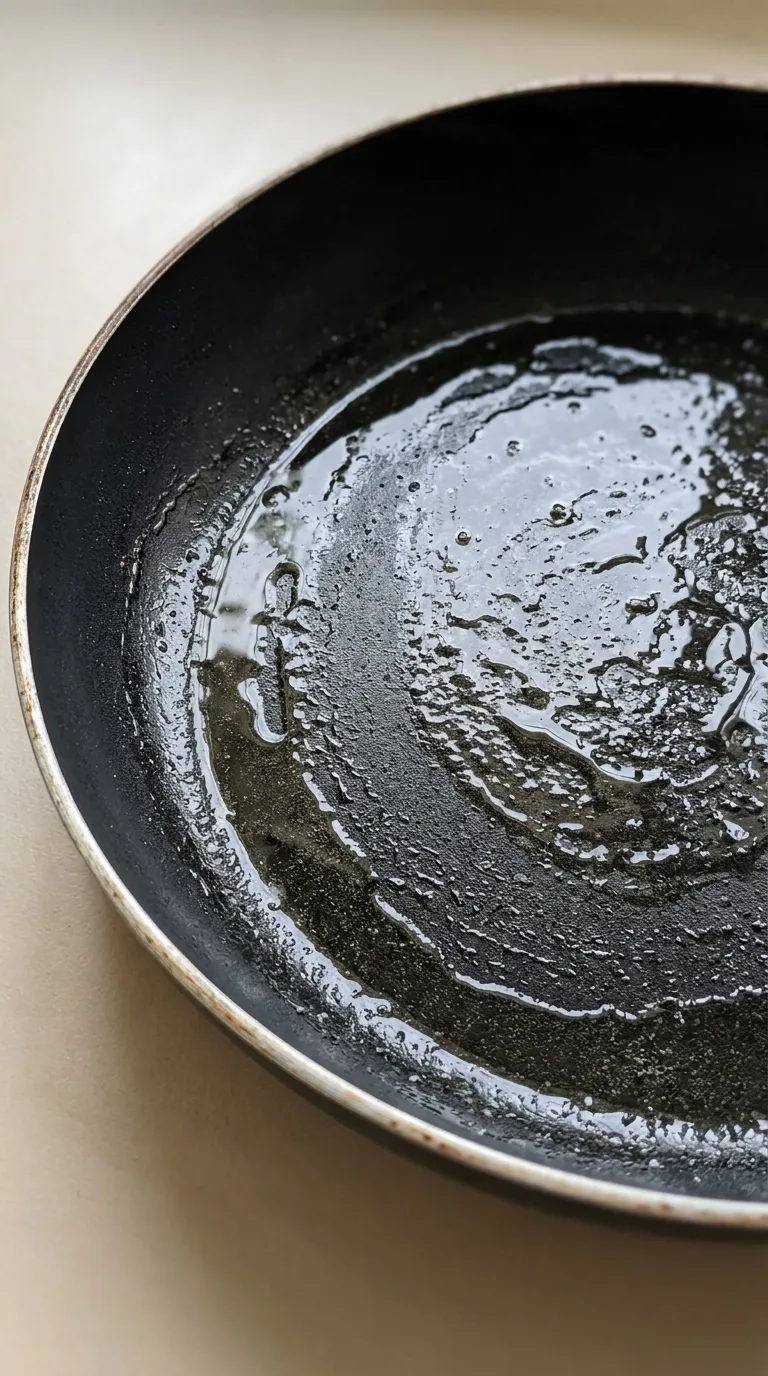
Heat the pan
Heat a non-stick skillet or griddle over medium-low at 120°C (248°F). Drizzle a small amount of coconut oil to coat the surface. This prevents sticking and tearing.
-
Fry the pancakes
Pour a 41 ml circle of batter onto the pan. Cook for 1 minute until bubbles form and edges set, then flip. Cook for 1–2 minutes more until golden brown and cooked through.
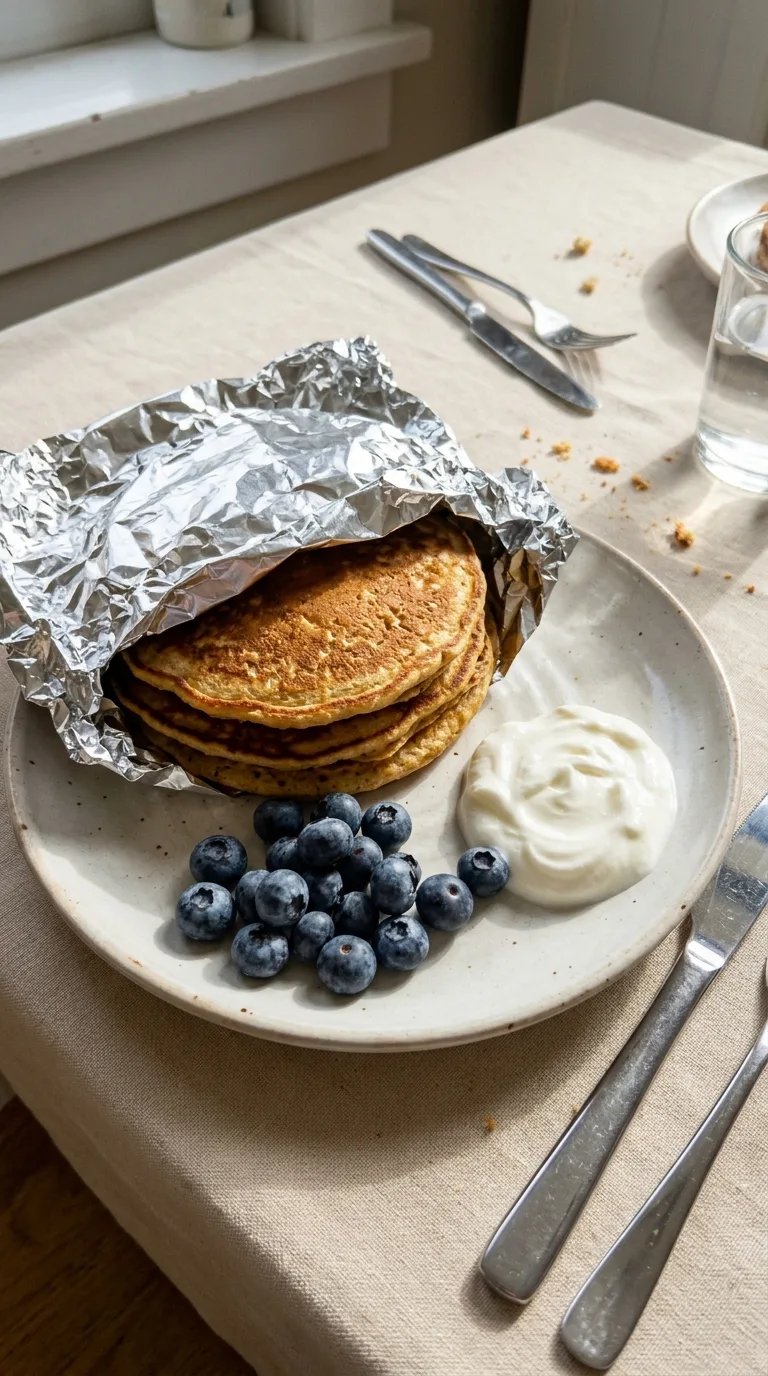
Keep the skillet at medium-low heat. If the temperature is too high, the outside will burn and turn dark brown before the centre is cooked through. Use a non-stick pan to ensure the thin batter does not tear when you flip it.
How it differs from the traditional method
Coconut flour absorbs more liquid than wheat flour, resulting in a denser base. The whipped egg whites add the necessary lift to prevent a heavy texture. Use wheat flour if you prefer a classic, elastic crumb that does not require folding in aerated proteins for volume.
Storing and reheating
Store leftovers in a covered container at room temperature for up to 2 hours. For longer storage, freeze pancakes individually on parchment paper. Reheat them in a toaster oven at 120°C (248°F) for 5–7 minutes to restore the texture without drying out the interior.
Nutrition per serving
- Calories
- 412
- Protein
- 31.5 g
- Carbs
- 22.0 g
- Fat
- 18.5 g
- Fiber
- 3.0 g
- Sugar
- 14.0 g
Estimated, and offered as a guide rather than a medical figure.
Made it? Rate it.
Questions people ask
Is coconut flour high in protein?
Yes, coconut flour contains more protein than most grain flours. This makes it a suitable base for low-carb diets, though adding whey protein powder further increases the total protein count per serving.
How do I make coconut flour protein pancakes?
Combine coconut flour and whey protein with eggs and almond milk. Whip egg whites to stiff peaks and fold them in gently. This process ensures the pancakes remain light despite the heavy nature of coconut flour.
Does coconut flour work in pancakes?
Yes, it works well but requires more liquid and eggs than wheat flour. The flour absorbs moisture rapidly, so you must let the batter rest for 10 minutes to allow full hydration before cooking.

About the author
Makeva
Makeva is a home‑cook who loves crafting approachable meals that balance flavor and nutrition. She specializes in quick weeknight dinners, hearty soups, and wholesome baked goods, sharing step‑by‑step guidance and practical tips. Readers can expect clear instructions, adaptable recipes, and a friendly tone that encourages confidence in the kitchen.