Fluffy American Pancakes: Thick Self-Raising Breakfast Stack
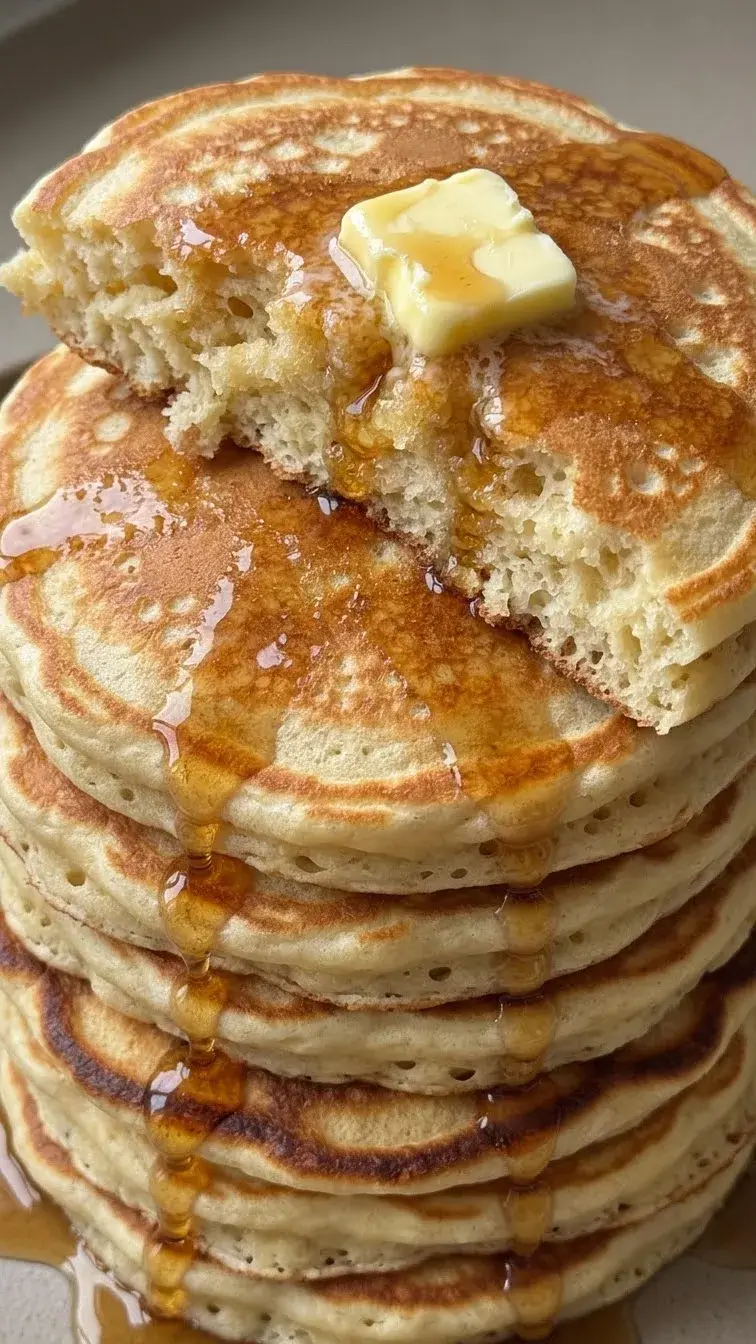
Tall, golden American pancakes using self rising flour rely on raising agents already blended into the dry base, so you skip extra measuring and get straight to cooking in 30 minutes. What decides the texture is restraint when you combine the wet and dry ingredients. Stop folding as soon as the flour streaks disappear and leave the lumps alone, because overworking develops gluten and knocks out the air that makes the centres tender.
Fluffy American Pancakes: Thick Self-Raising Breakfast Stack
Recipe cardIngredients
Instructions
-
Whisk the dry ingredients
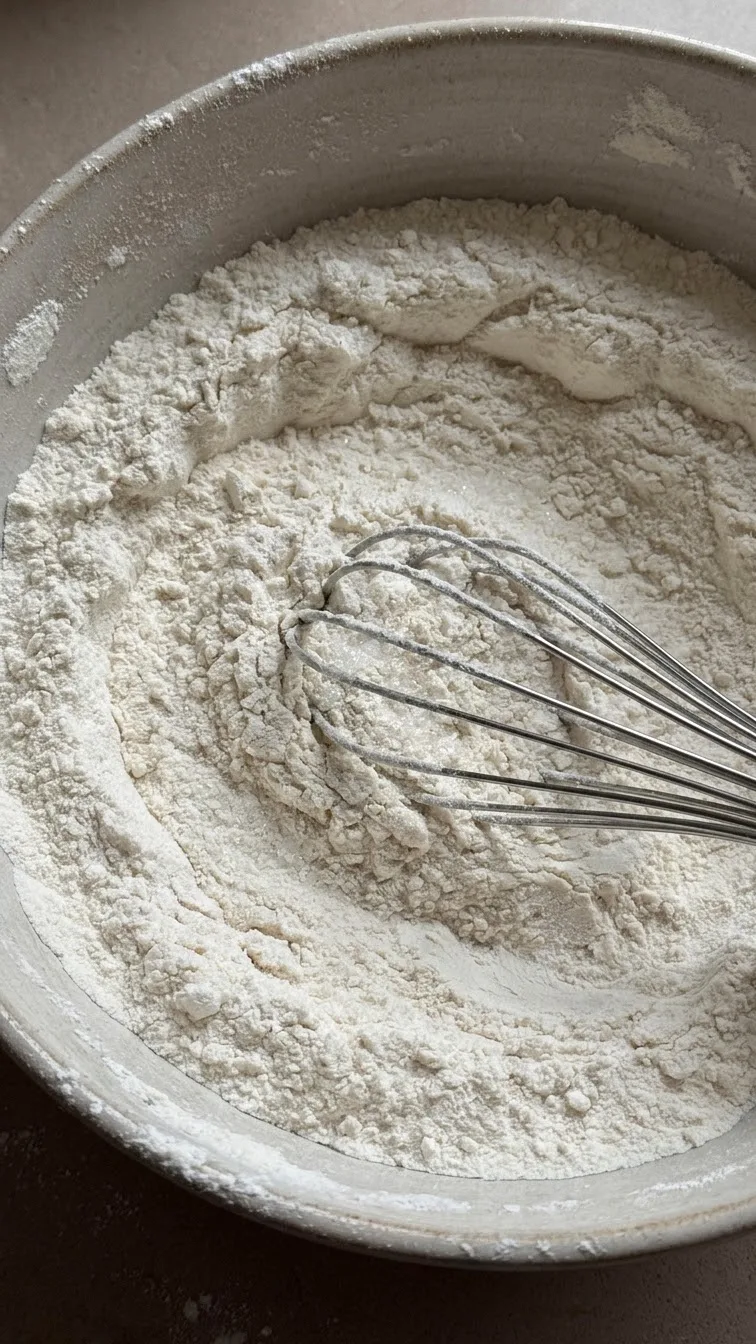
Add 200 g self-raising flour, 30 g caster sugar, and a pinch of fine sea salt to a large mixing bowl. Whisk everything together until evenly combined and aerated, which distributes the raising agents and sugar so every pancake rises at the same rate.
-
Combine the wet ingredients
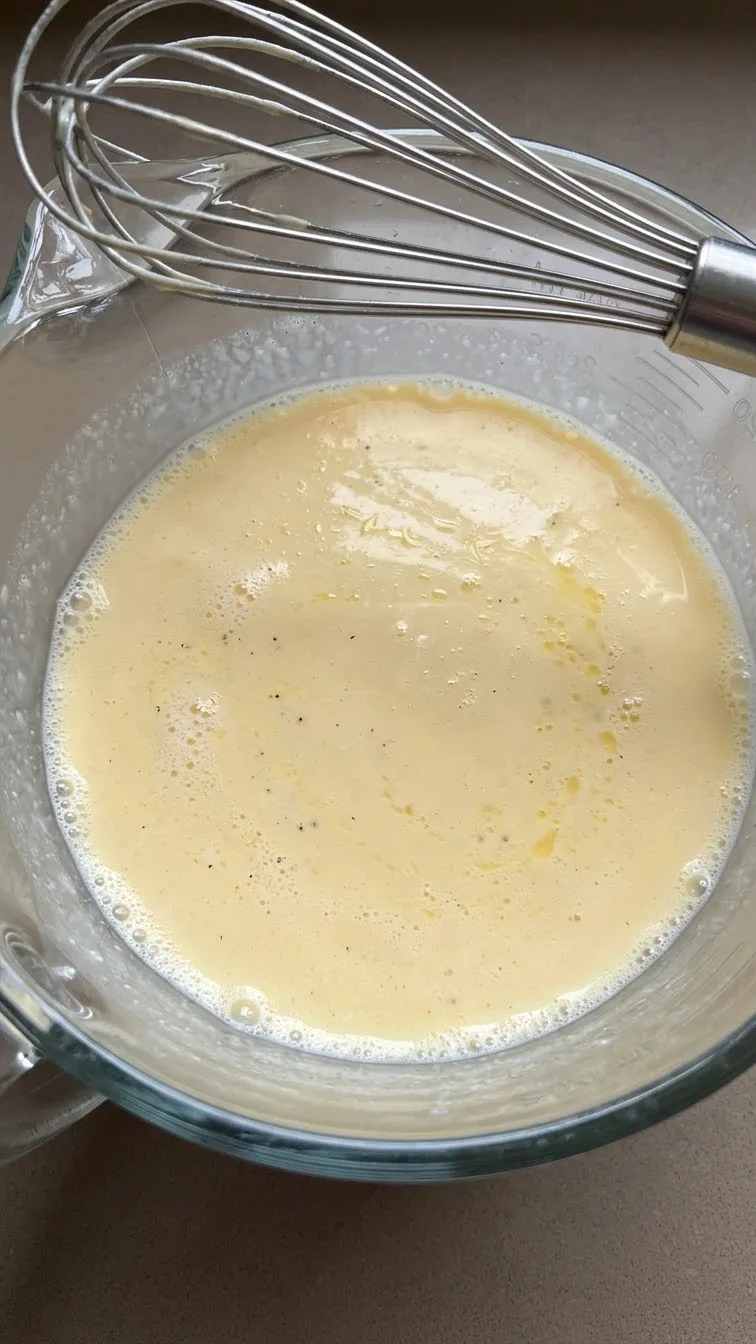
Pour 240 ml whole milk at room temperature, 1 large free-range egg at room temperature, 30 g melted and slightly cooled unsalted butter, and 1 teaspoon alcohol-free vanilla bean paste into a separate medium bowl or measuring jug. Whisk until completely smooth so the butter disperses evenly rather than solidifying into cold lumps.
-
Fold the batter gently
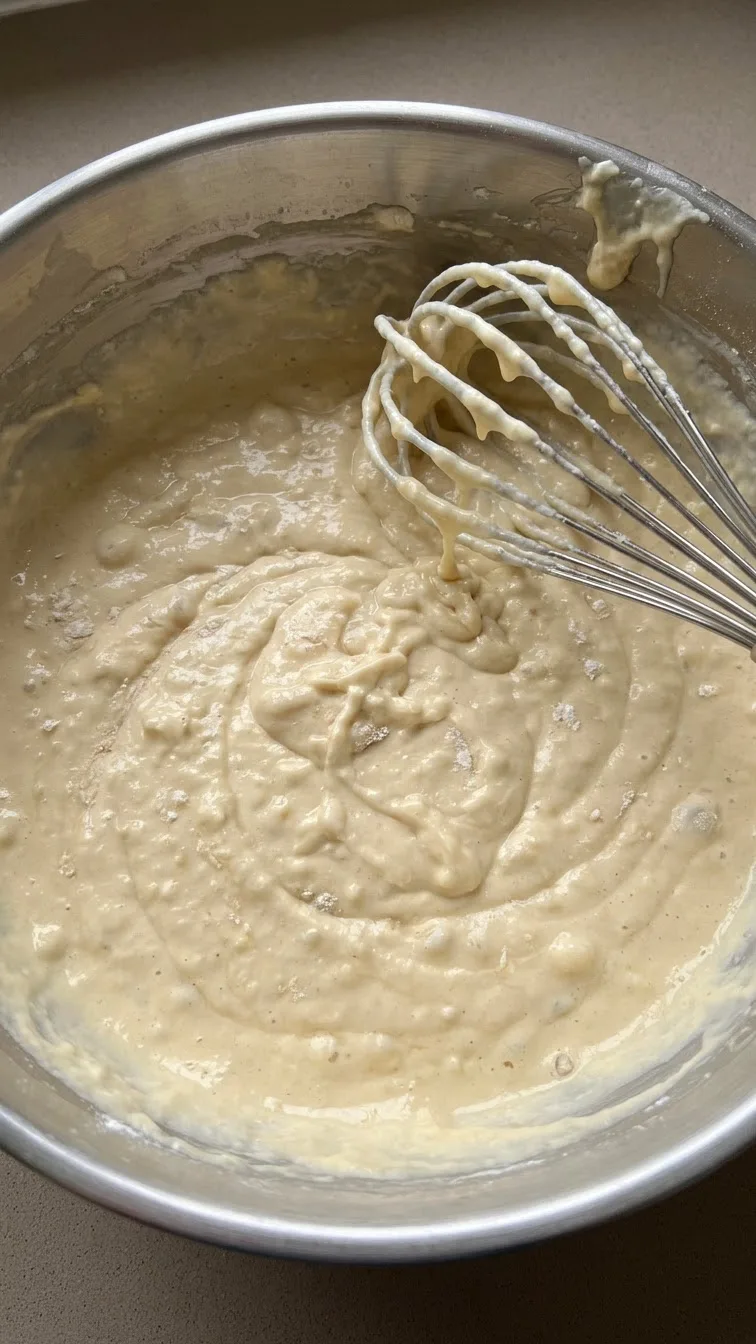
Pour the wet mixture into the centre of the dry ingredients. Fold and whisk gently just until the dry flour streaks disappear, stopping while the batter still looks thick and slightly lumpy with a few pea-sized pockets, because overmixing develops gluten and turns the crumb tough.
-
Rest the batter
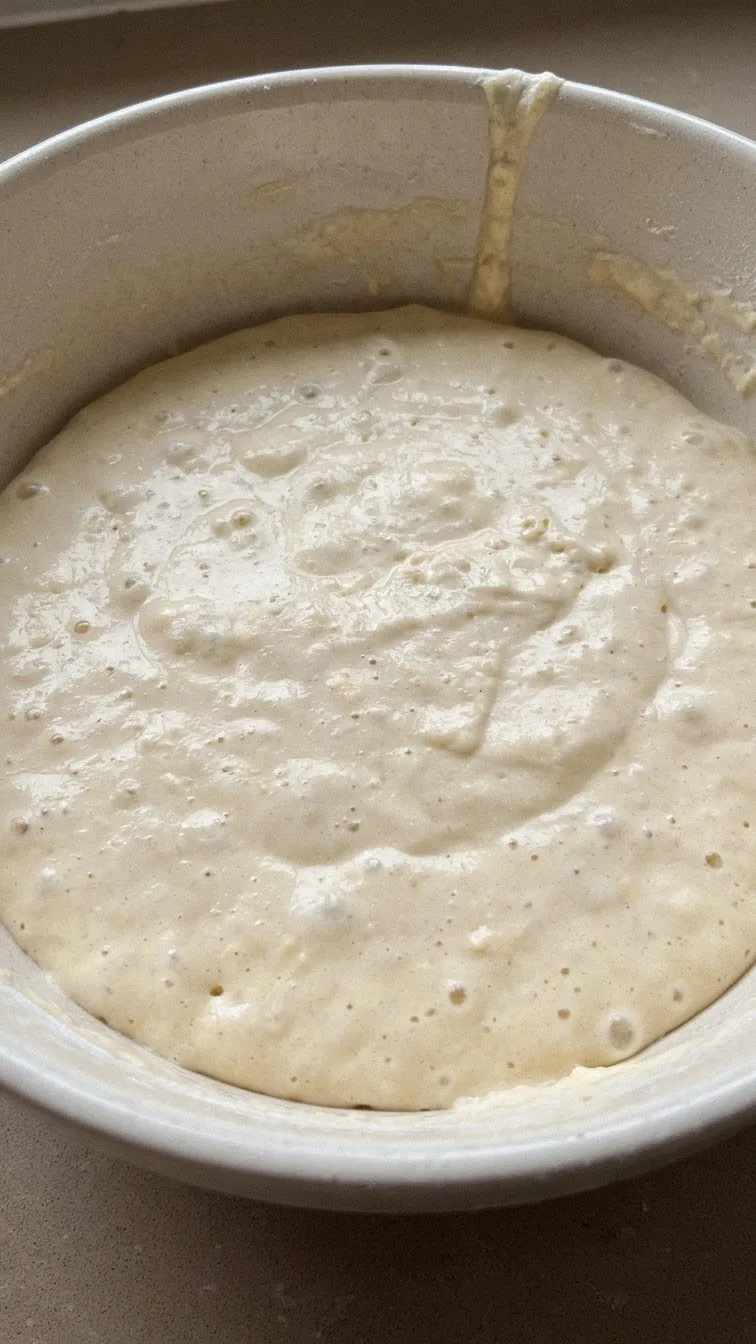
Leave the batter undisturbed on the worktop for 5 minutes. This brief rest lets the starch in the self-raising flour absorb liquid and gives the raising agents time to activate, giving you noticeably taller, lighter pancakes.
-
Heat and grease the pan
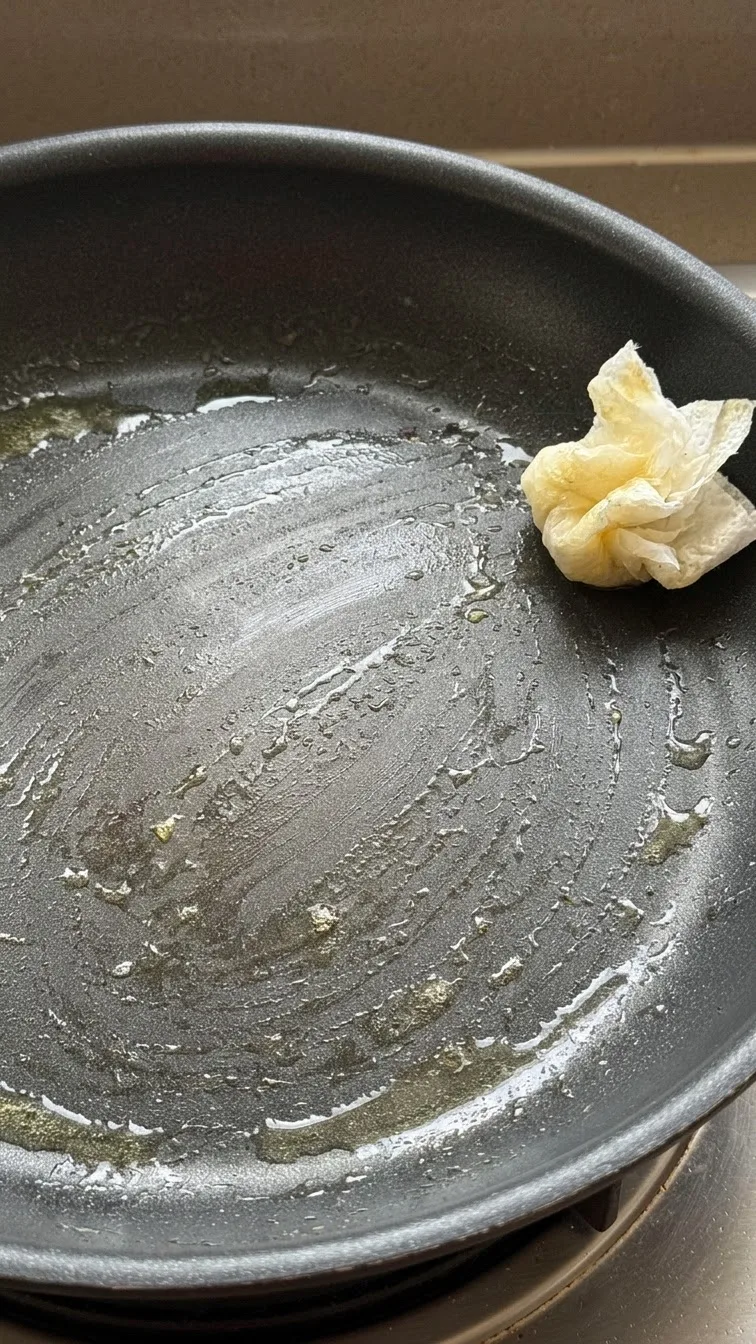
Set a large non-stick frying pan or flat griddle over a medium-low heat until the surface reaches about 175°C (350°F). Lightly grease the pan with a small knob of unsalted butter and wipe away any excess with kitchen paper so the pancakes brown evenly without frying in pools of fat.
-
Pour and cook first side
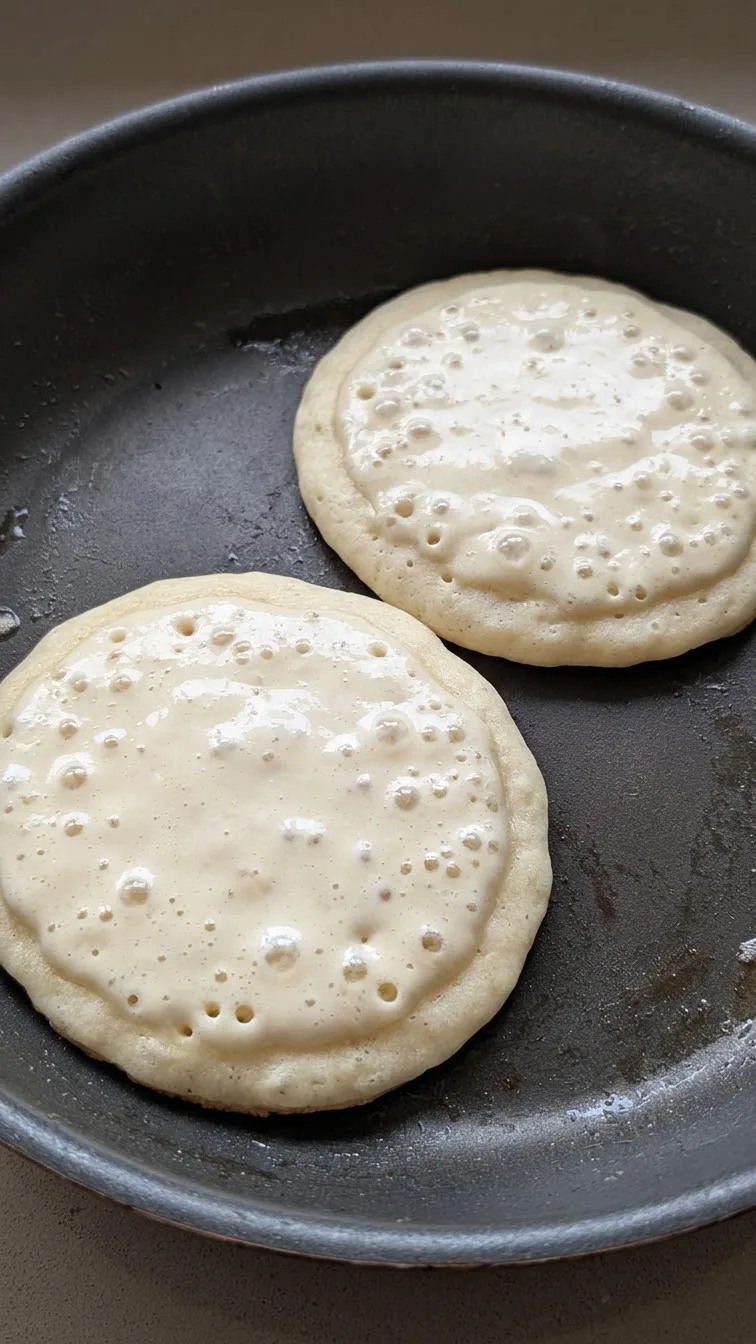
Use a ladle or 60 ml measuring scoop to pour portions of batter into the hot pan, spacing them at least 3 cm apart so they spread into neat 10 cm rounds. Cook undisturbed for 2 to 3 minutes until the undersides turn deep golden, the edges look matte and set, and small bubbles rise and pop across the wet surface.
-
Flip and finish cooking
Slide a wide flexible spatula cleanly underneath each pancake, flip them over, and cook for a further 1 to 2 minutes until the second side is evenly golden brown and the centres spring back lightly when touched. Transfer cooked batches to a wire cooling rack in a 100°C (210°F) oven to stay warm without steaming soggy, greasing the pan lightly between batches before stacking onto plates to serve.
Overmixing the batter or cooking over high heat causes flat, tough pancakes with scorched outsides and raw centres. Stop folding while small flour lumps remain, and keep the pan at medium-low heat around 175°C (350°F); if the first batch browns in under 1 minute, lower the heat immediately.
Getting the texture right
Stop whisking as soon as the dry streaks vanish, leaving a few pea-sized pockets of flour in the bowl. Overworking self-raising flour develops gluten and knocks out the air pockets that keep the crumb light. Let the batter stand for 5 minutes so the starch hydrates and the raising agents begin bubbling before hitting the pan.
What to serve with it
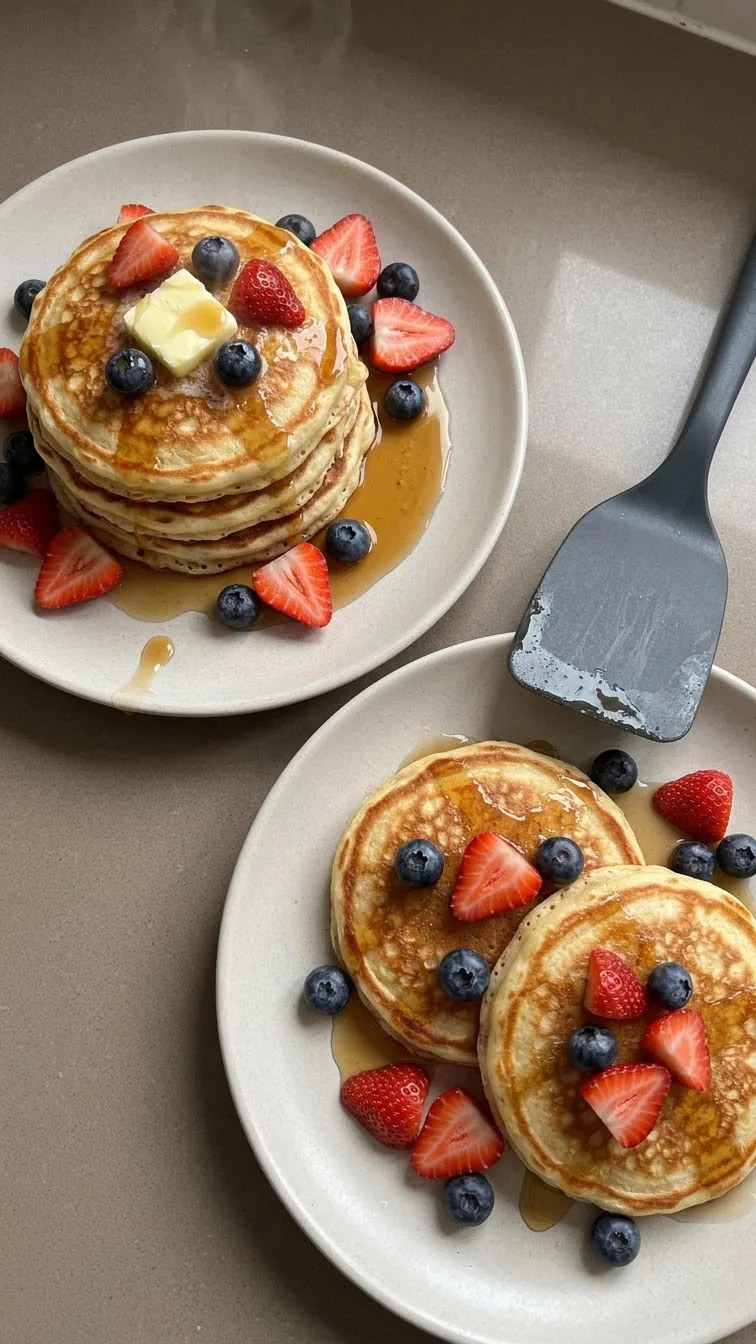
Stack the warm rounds high with a pat of salted butter, warm pure maple syrup, fresh blueberries, and sliced strawberries. For a different finish, drizzle warm honey or date syrup over the stack and scatter toasted flaked almonds alongside a spoonful of thick Greek yoghurt.
Sweet or savoury
While the batter carries 30 g caster sugar and vanilla, it pairs well with savoury halal plates. Serve the pancakes beside crispy pan-fried turkey bacon rashers, scrambled eggs, and roasted cherry tomatoes so the mild sweetness balances the smoky, rich savoury elements on the plate.
Storing and reheating
Cool leftover pancakes completely on a wire rack so trapped steam does not turn them soggy. Store them in an airtight container at cool room temperature for up to 1 day, or refrigerate for up to 3 days. For longer keeping, layer with baking parchment in a freezer bag for up to 2 months and reheat straight from frozen in a toaster or a 180°C (350°F) oven for 5 minutes.
Nutrition per serving
- Calories
- 165
- Protein
- 5.0 g
- Carbs
- 23.0 g
- Fat
- 6.0 g
- Fiber
- 0.7 g
- Sugar
- 5.3 g
Estimated, and offered as a guide rather than a medical figure.
Made it? Rate it.
Questions people ask
Why are my pancakes turning out flat even with self-raising flour?
Your flour is likely stale or you overmixed the batter. Baking powder blended into self-raising flour loses its lifting strength after six months in the cupboard, and vigorous whisking bursts the air bubbles needed for height.
Can I fold fruit or chocolate into this batter?
Yes, gently fold 100 g fresh blueberries or 75 g dark chocolate chips into the batter right after the 5-minute rest. You can also press thin slices of ripe banana onto the wet tops in the pan just before flipping.
Why does the outside burn before the middle cooks through?
The pan is too hot. Self-raising flour browns faster than plain flour because of the sugar and raising agents, so keep the heat at medium-low around 175°C (350°F) to cook the centre gently.

About the author
Makeva
Makeva is a home‑cook who loves crafting approachable meals that balance flavor and nutrition. She specializes in quick weeknight dinners, hearty soups, and wholesome baked goods, sharing step‑by‑step guidance and practical tips. Readers can expect clear instructions, adaptable recipes, and a friendly tone that encourages confidence in the kitchen.