Coconut Flour Pancakes: Dairy-Free Breakfast
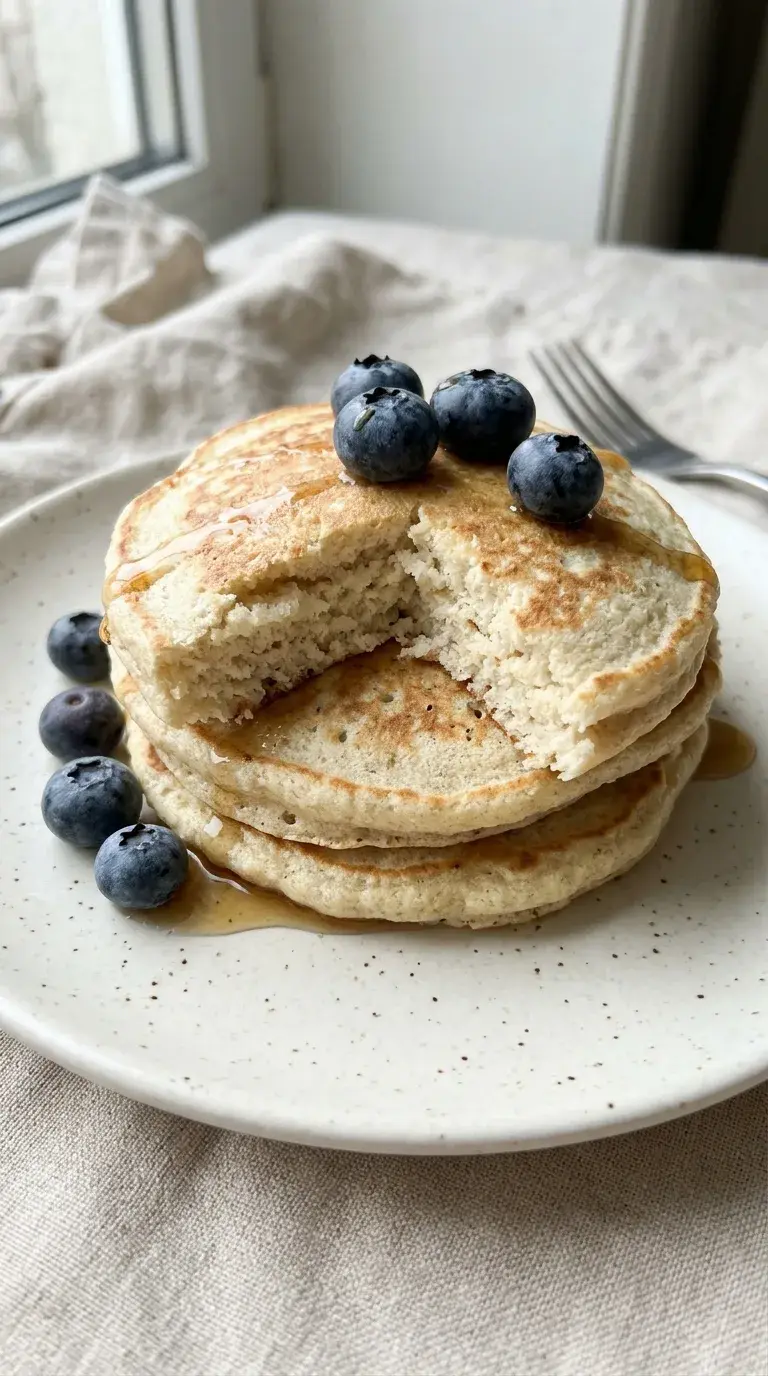
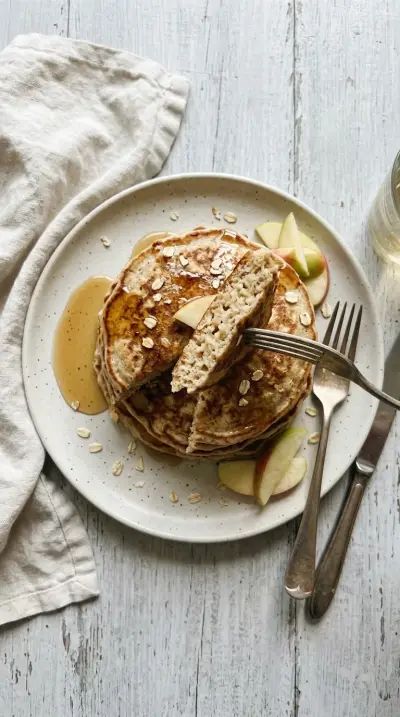
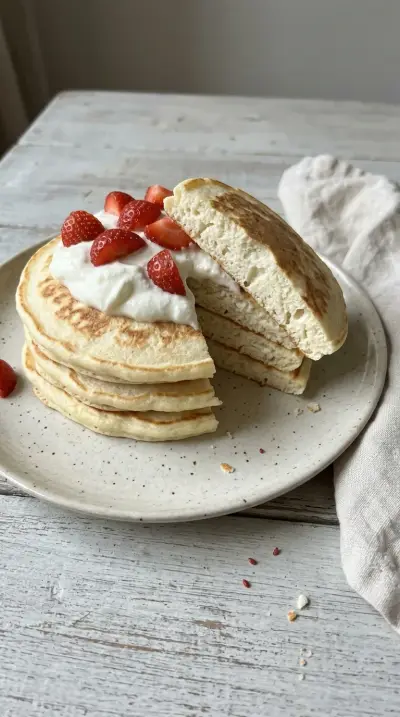
Traditional American pancakes rely on cow milk and wheat flour for structure. This version uses coconut flour pancakes no milk to achieve a dairy-free result. You substitute milk with warm water and coconut oil to keep the batter light. This departure removes gluten and dairy while maintaining a soft texture. It simplifies your ingredient list without sacrificing the classic breakfast experience.
The result is a golden-brown pancake with a subtle coconut flavour. You must allow the batter to rest for 10 minutes before cooking. This step is critical because coconut flour absorbs liquid more slowly than wheat flour. Resting ensures the batter thickens and the pancakes do not collapse in the skillet. Heat your non-stick skillet to 150°C (300°F) to ensure the edges set quickly and the centre remains moist. Serve these hot to prevent them from firming up on the plate.
Coconut Flour Pancakes: Dairy-Free Breakfast
Recipe cardIngredients
Instructions
-
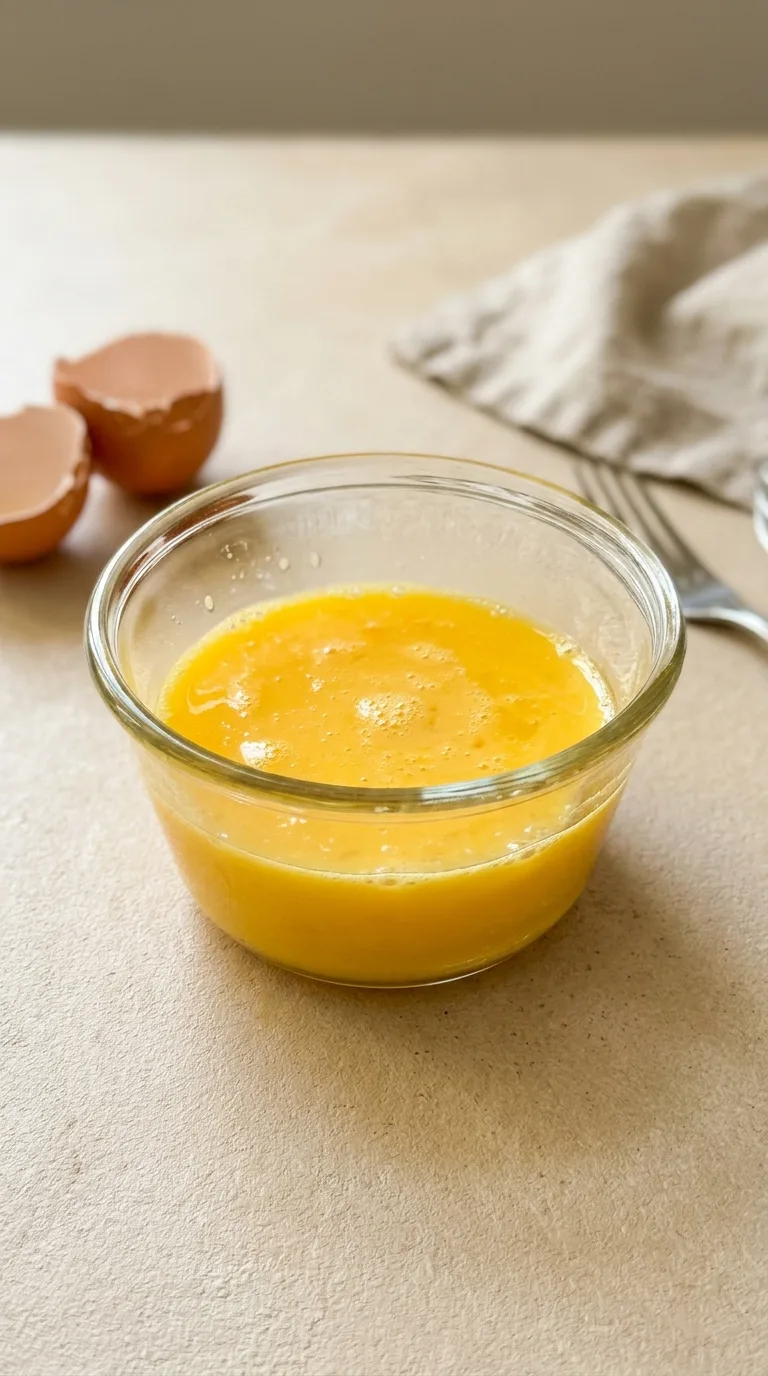
Whisk the eggs
Whisk the eggs in a small bowl. You must ensure the yolks and whites combine fully until the mixture is slightly frothy. This incorporates air for a lighter texture.
-
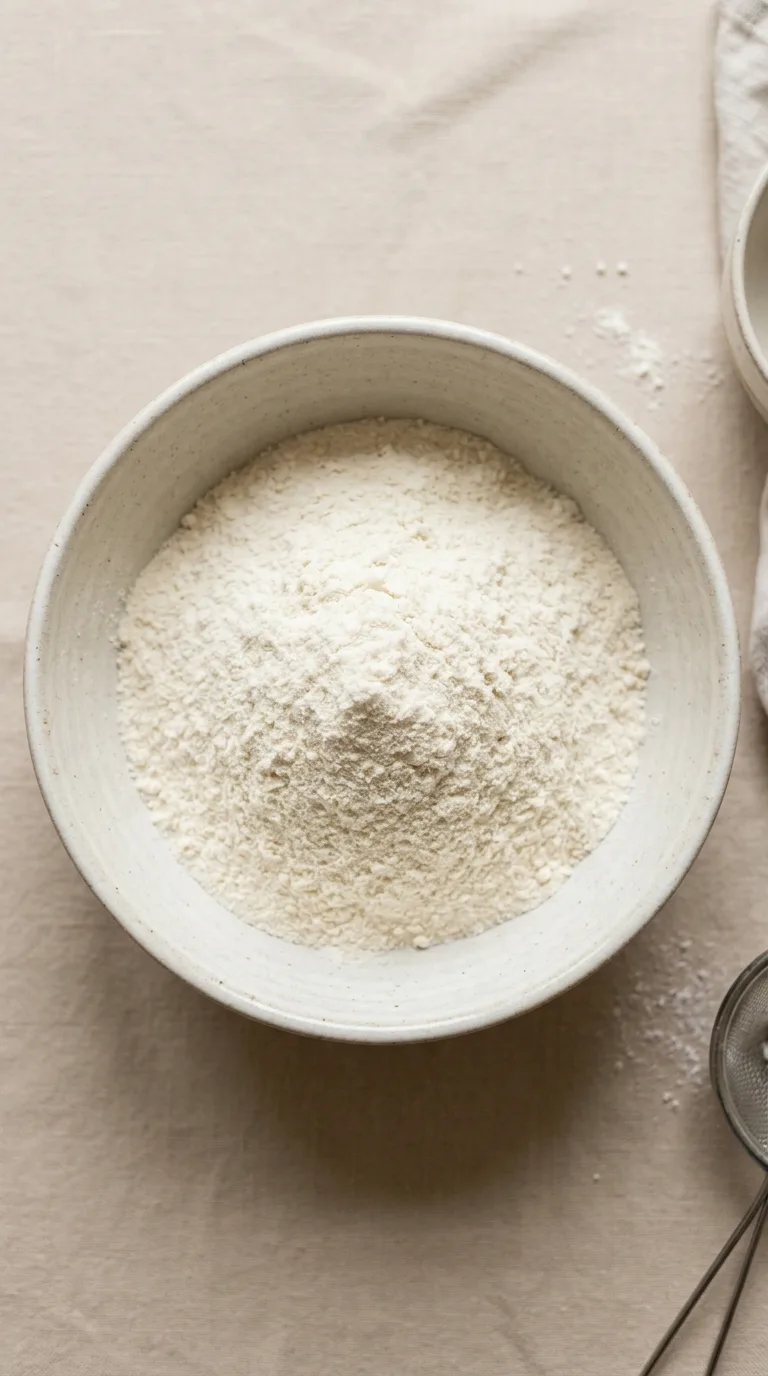
Sift dry ingredients
Sift the coconut flour, baking powder and salt into a medium bowl. Use a sieve to remove clumps. This ensures the leavening agent is evenly distributed throughout the batter.
-
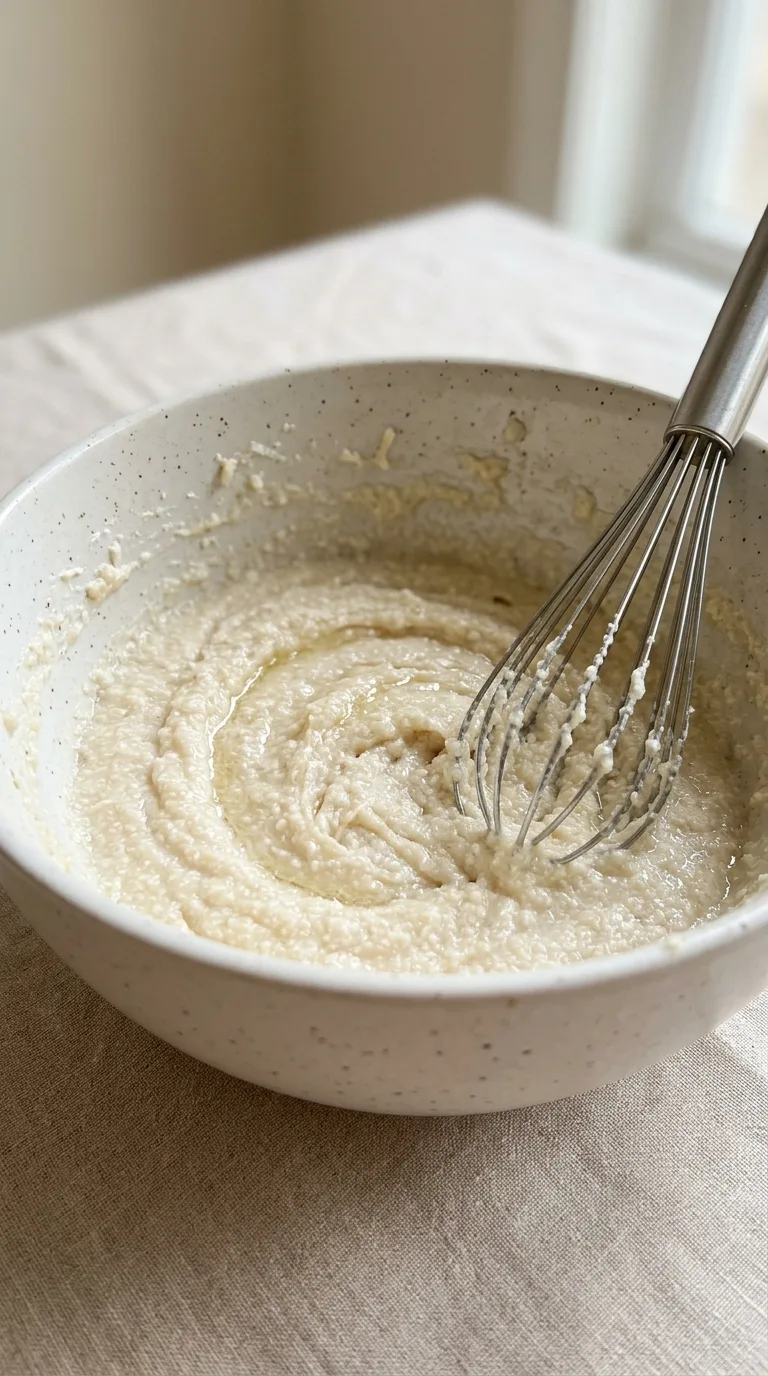
Combine the batter
Create a well in the dry mixture and pour in the warm water. Whisk until you have a thick, lump-free batter. Stir in the coconut oil until it is fully incorporated.
-
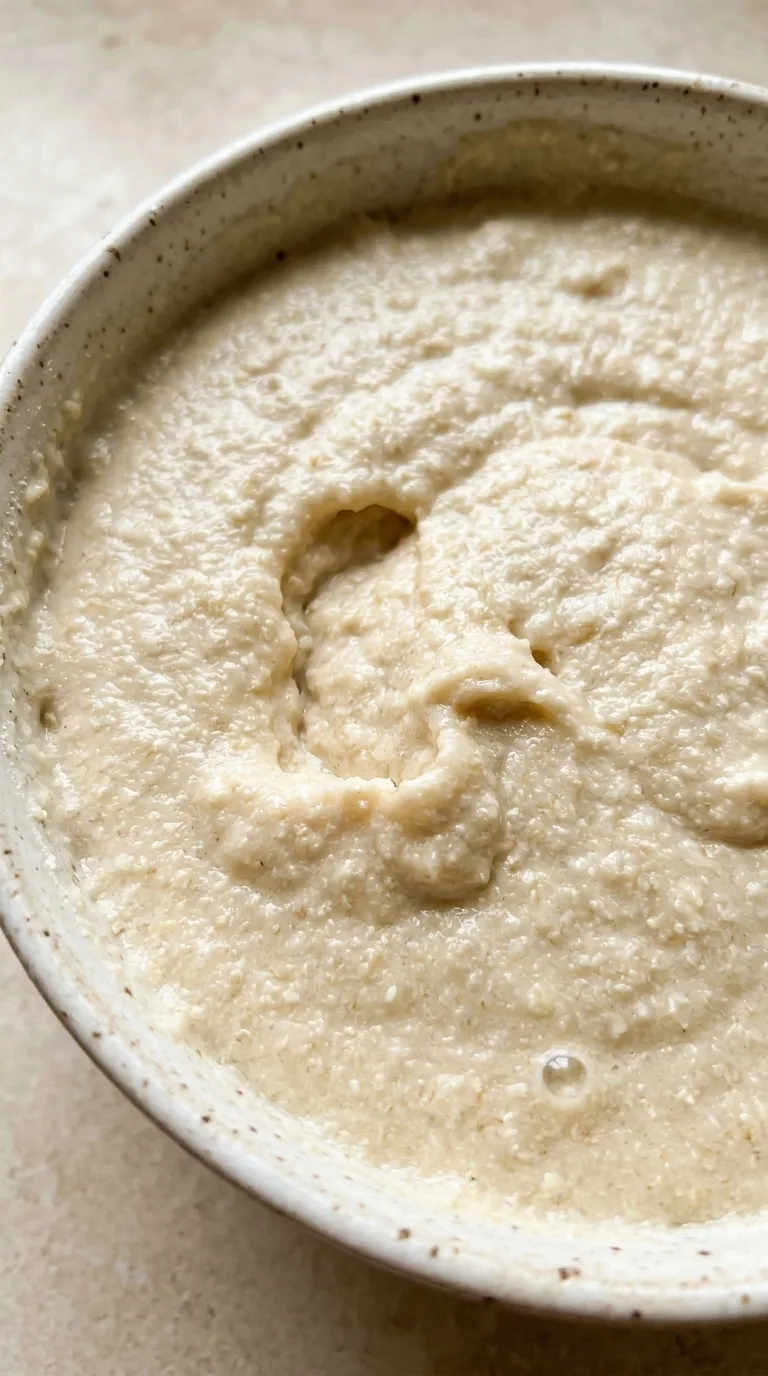
Rest the batter
Allow the batter to sit undisturbed. The coconut flour needs this time to absorb the liquid and thicken. This prevents the pancakes from falling apart during cooking.
-
Heat the skillet
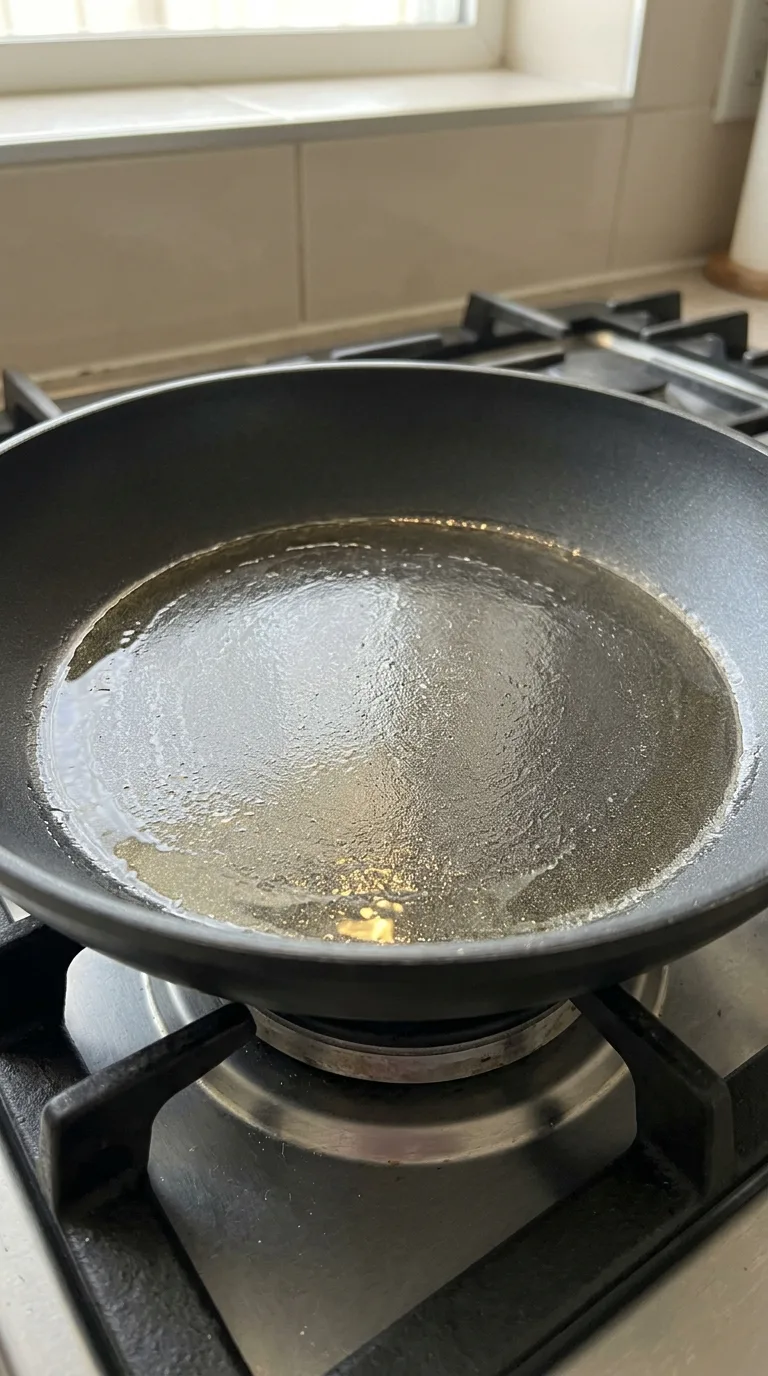
Preheat a non-stick skillet over medium-low heat at 150°C (300°F). Lightly grease the surface with a thin layer of coconut oil. This prevents sticking and helps the edges brown.
-
Fry the pancakes
Pour 30 ml of batter and spread it into a 5 cm circle. Cook for 2-3 minutes until bubbles form and the top looks firm. Flip gently with a spatula and cook for 1-2 minutes until golden-brown.
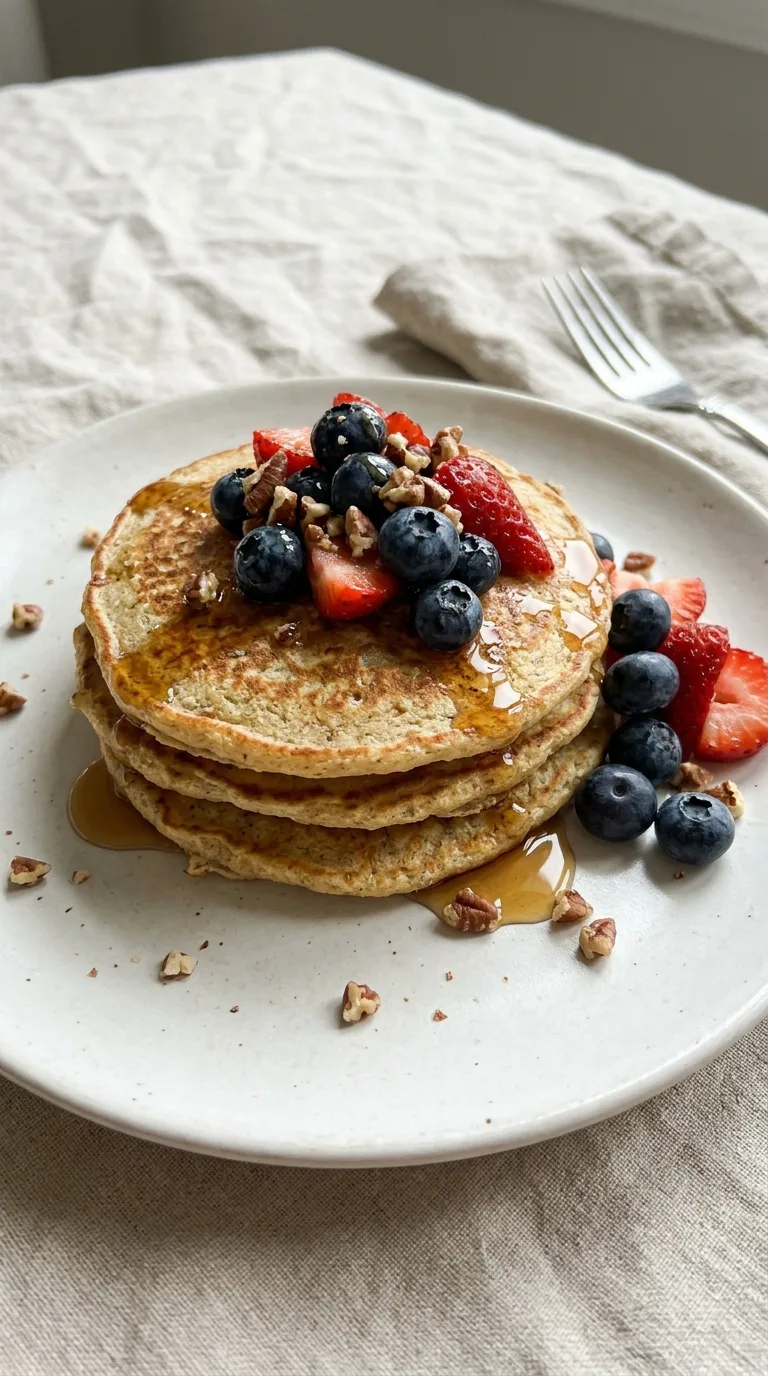
If the batter is too thick after resting, you will find it difficult to spread in the pan. Whisk in an extra tablespoon of warm water to restore a pourable consistency. Serve the pancakes immediately, as they will firm up and lose moisture if they sit for a few minutes.
How it differs from the traditional method
Coconut flour absorbs more liquid than wheat flour, resulting in a denser, nuttier pancake. Use wheat flour if you prefer a lighter, airier texture. These pancakes rely on eggs for structure rather than gluten, making them a suitable alternative for those avoiding dairy and gluten.
Storing and reheating
Store leftover pancakes in a container in the fridge for up to 2 days. For longer storage, freeze them in a single layer on parchment paper before transferring to a zip-lock bag for up to 4 days. Reheat them in a toaster or microwave for one minute.
Nutrition per serving
- Calories
- 115
- Protein
- 5.2 g
- Carbs
- 6.0 g
- Fat
- 7.5 g
- Fiber
- 2.1 g
- Sugar
- 1.2 g
Estimated, and offered as a guide rather than a medical figure.
Made it? Rate it.
Questions people ask
Does coconut flour work in pancakes?
Yes. Coconut flour works well because it provides a gluten-free structure. It requires more eggs and liquid than other flours to prevent the pancakes from becoming too dry or crumbly.
Can I use water instead of milk in pancakes?
Yes. Using warm water creates a lighter, dairy-free batter. It allows the natural coconut flavour to remain prominent without adding the heaviness associated with cow milk or cream.
How do I make simple coconut flour pancakes?
Whisk eggs and combine them with sifted coconut flour, baking powder, salt, water, and coconut oil. Let the batter rest for 10 minutes before cooking in a greased skillet at 150°C (300°F).

About the author
Makeva
Makeva is a home‑cook who loves crafting approachable meals that balance flavor and nutrition. She specializes in quick weeknight dinners, hearty soups, and wholesome baked goods, sharing step‑by‑step guidance and practical tips. Readers can expect clear instructions, adaptable recipes, and a friendly tone that encourages confidence in the kitchen.