Coconut Flour Oat Pancakes: Healthy Low-Carb Breakfast
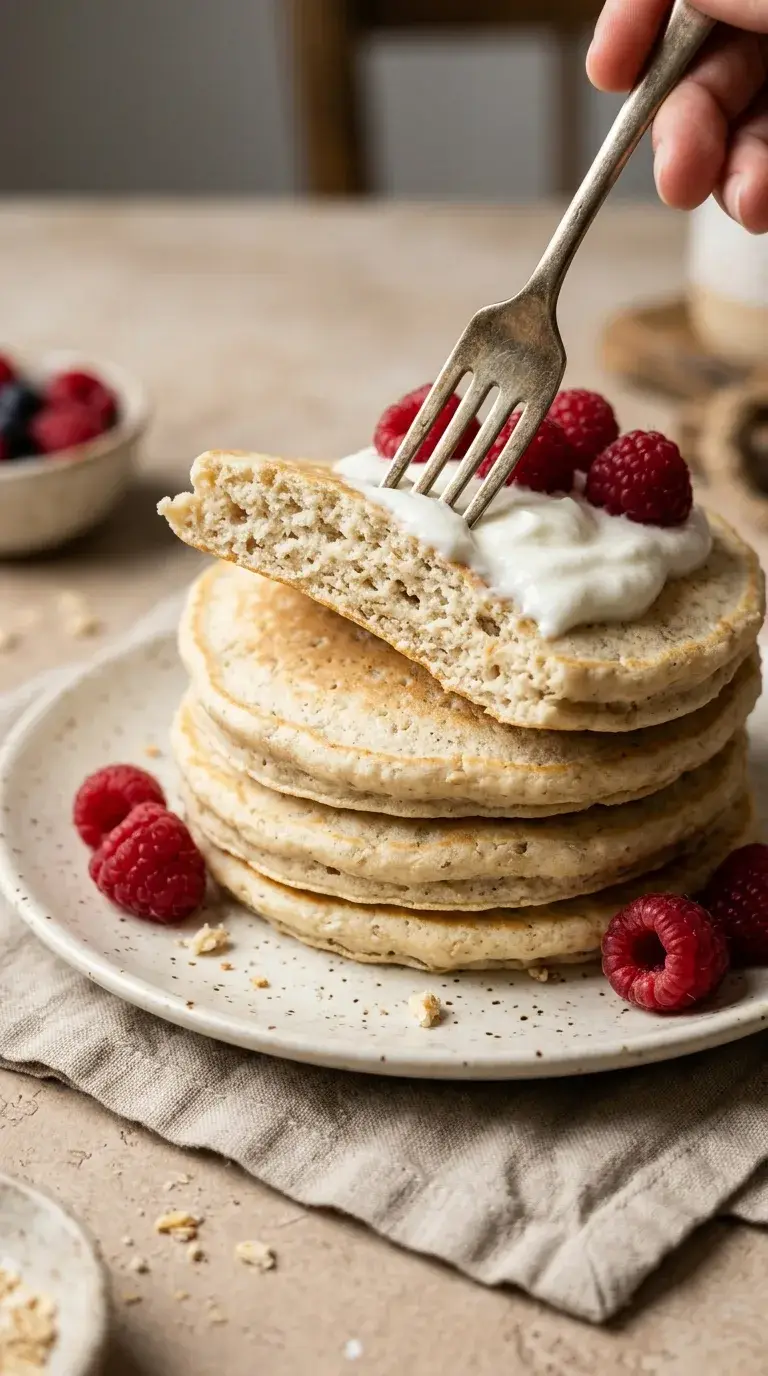
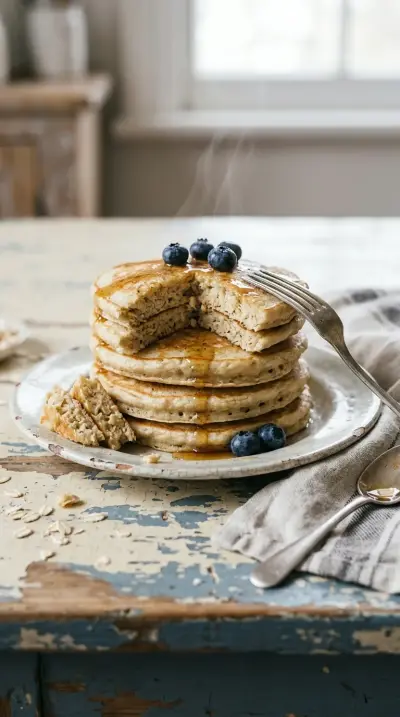
These coconut flour oat pancakes are a gluten-free breakfast from American cuisine. Rolled oats provide a nutty flavour, while coconut flour creates a light and airy texture. You use mashed ripe banana to add natural sweetness and eggs for structure. The result is a fluffy pancake that remains low-carb and fibre-rich.
Sift your dry ingredients to remove lumps and aerate the mix. Once you combine the wet and dry components, let the batter rest for 5 minutes. This step allows the flours to absorb liquid and swell, which ensures the pancakes rise properly. Without this rest, the batter will not set correctly in the skillet at 180°C (356°F), leading to a flat or dense consistency.
Coconut Flour Oat Pancakes: Healthy Low-Carb Breakfast
Recipe cardIngredients
Watch how it's made
Instructions
-
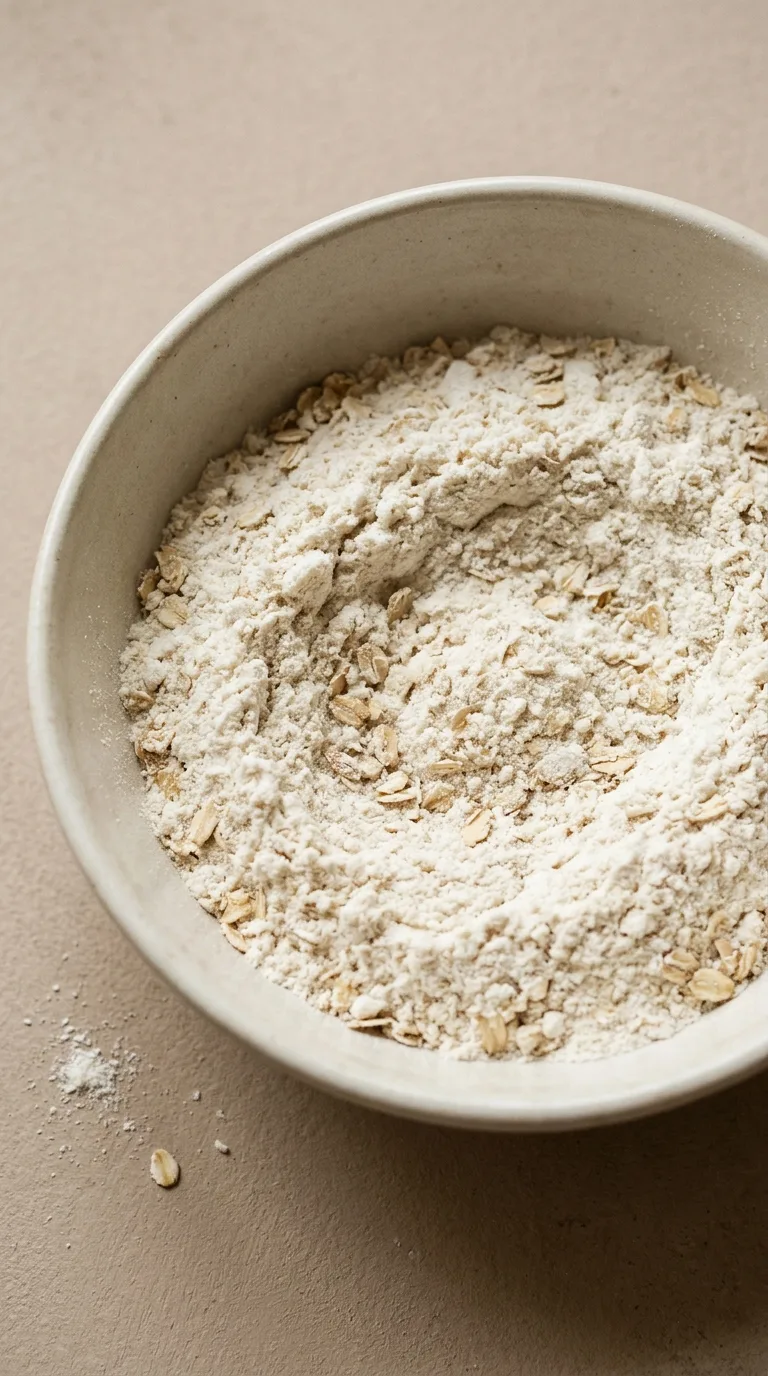
Sift dry ingredients
Sift the rolled oats, coconut flour, baking powder, baking soda and salt together into a medium bowl. Use a sifter to remove lumps and aerate the mix. This ensure the pancakes rise evenly.
-
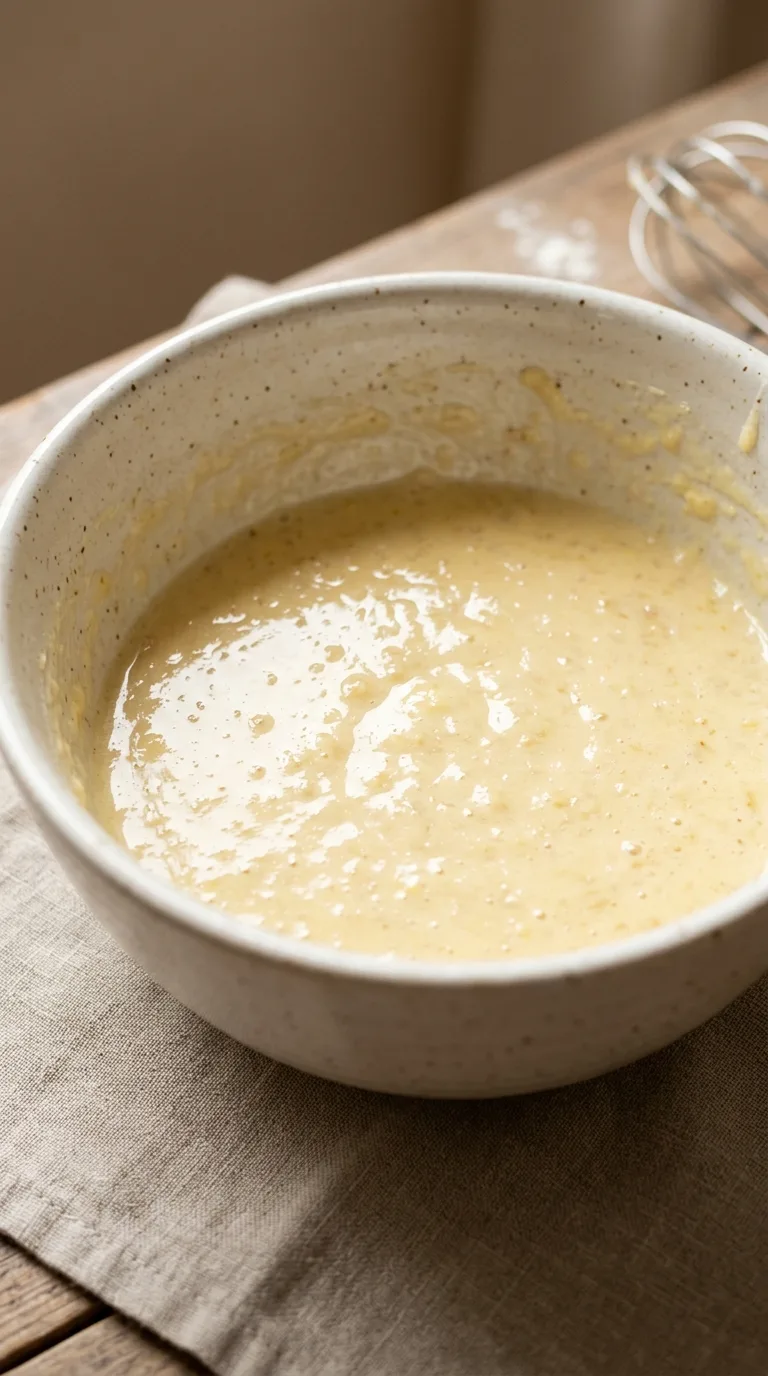
Whisk wet ingredients
Whisk the eggs, milk, vanilla extract and mashed banana in a second bowl. Continue until the mixture is smooth. This prevents pockets of unmixed egg in the final batter.
-
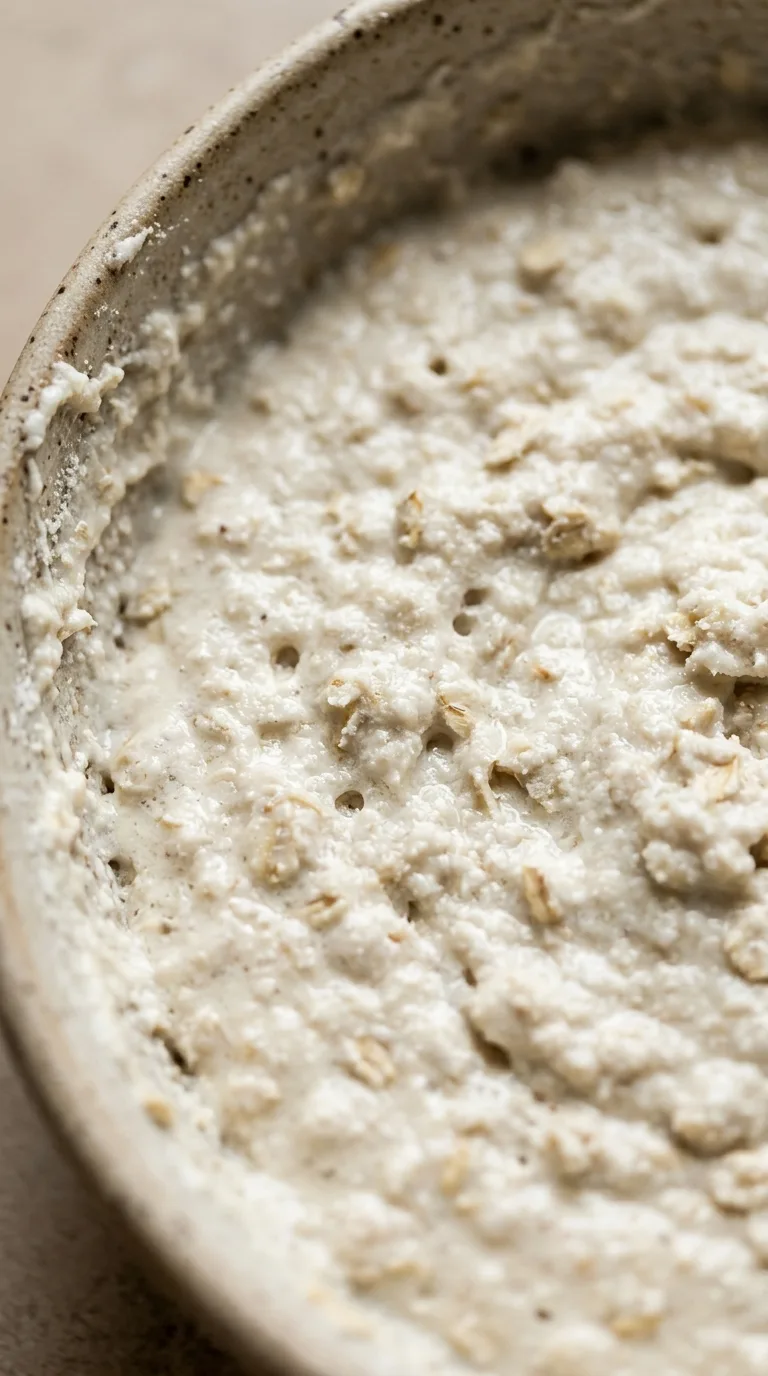
Combine and rest
Pour the wet mixture into the dry ingredients and stir with a rubber spatula just until combined. Leave the batter slightly lumpy. Let it rest for 5 minutes so the flours can absorb the liquid and swell.
-
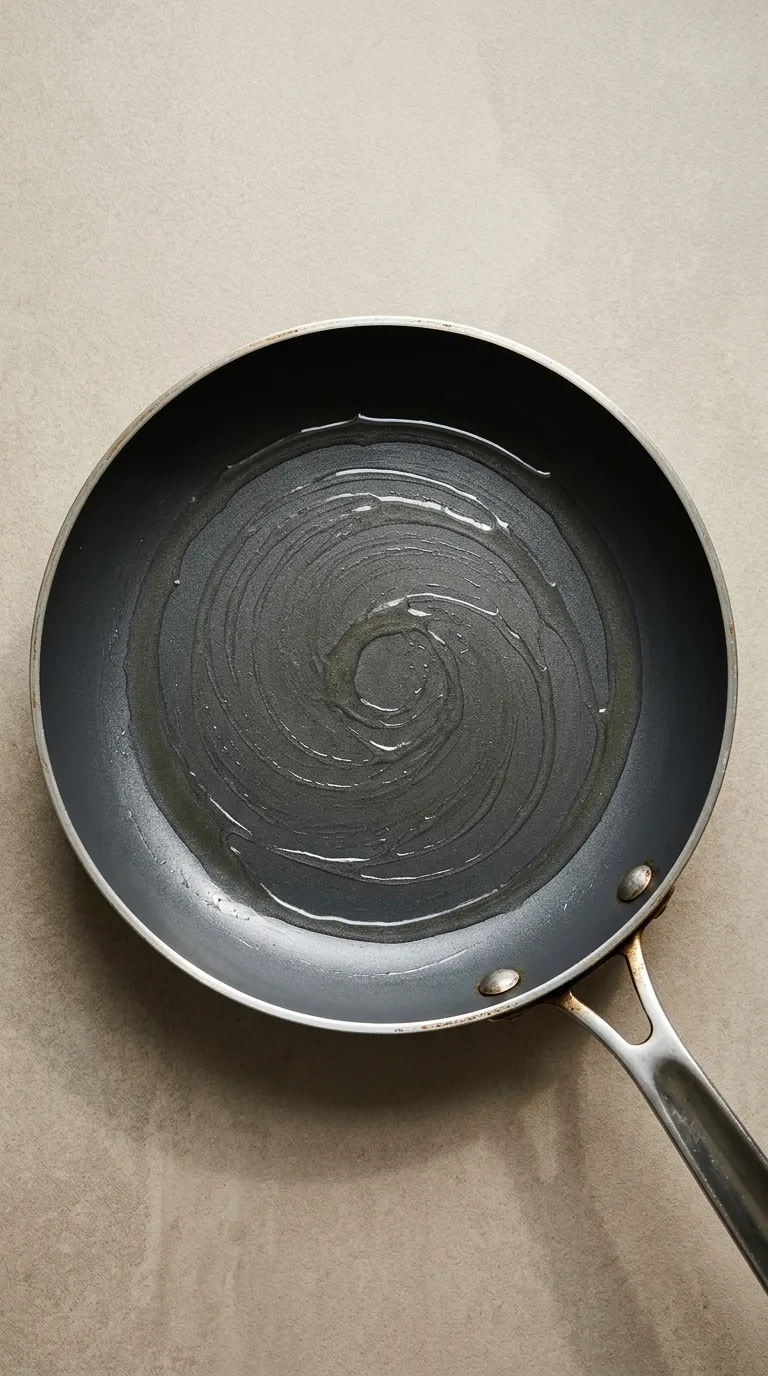
Heat the skillet
Pre-heat a non-stick skillet over medium-high heat to 180°C (356°F). Swirl 1 tbsp of coconut oil around the surface. Wipe away any excess oil with a paper towel to avoid greasy edges.
-
Fry the pancakes
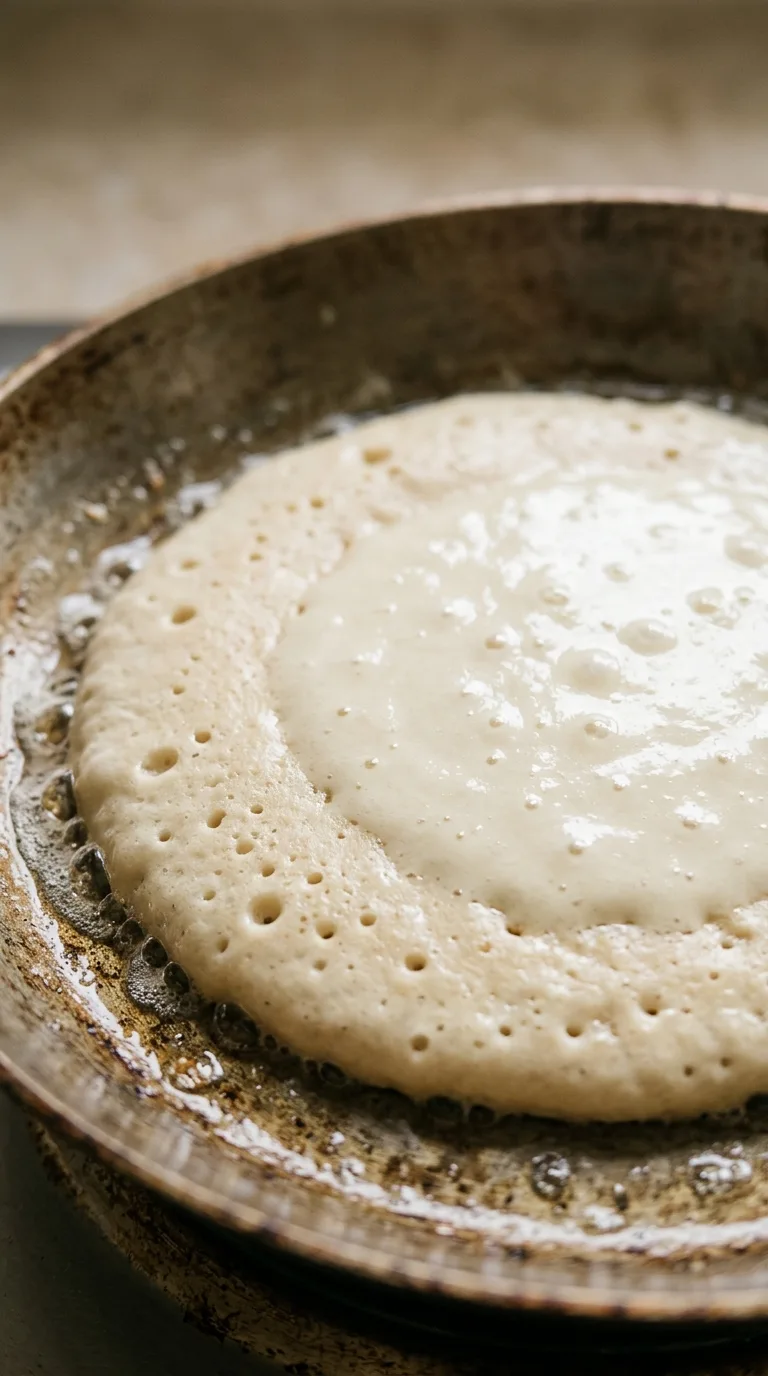
Ladle batter onto the skillet to create pancakes about 6 cm wide. Cook for roughly 2 minutes until bubbles appear on the surface and edges look set. These signs indicate the batter is ready to flip.
-
Brown and set
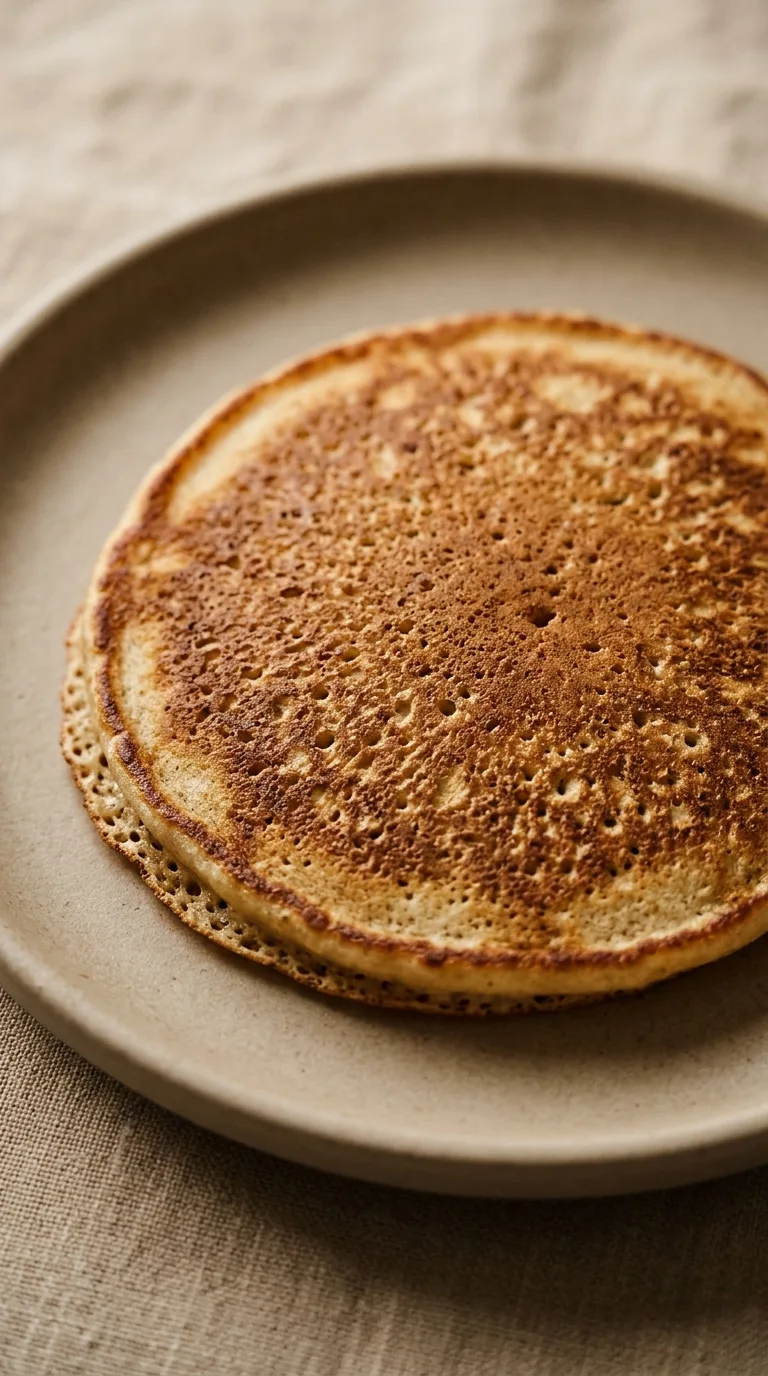
Turn the pancake with a spatula. Cook for another 1–2 minutes until the underside is golden brown and the top is fully set. This ensures the centre is cooked through.
-
Keep warm
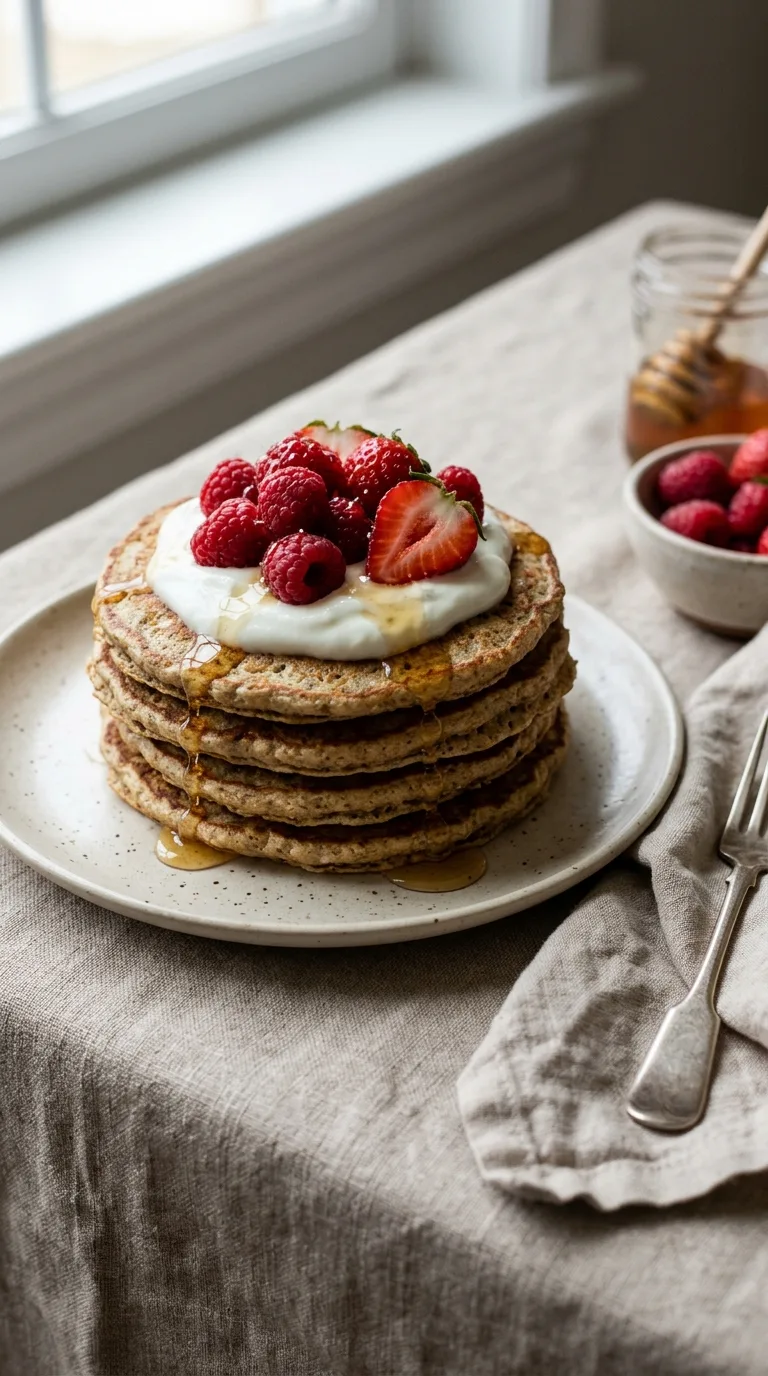
Transfer each cooked pancake to a wire rack. Avoid stacking them immediately on a plate. The rack allows steam to escape so the pancakes do not become soggy.
Watch the consistency of your batter before cooking. If it is too thick to pour, it will result in dense pancakes. Add milk in increments of 10–15 ml until the mixture reaches a smooth, pourable consistency.
What to serve with it
Top your pancakes with sliced bananas, almond butter, and a dusting of cinnamon for a sweet finish. You can also use Greek yoghurt with chia seeds for added protein. For a breakfast parfait, layer the pancakes with fresh berries, yoghurt, and a drizzle of agave syrup or maple syrup.
Storing and reheating
Keep leftover pancakes in an airtight container in the fridge for up to 4 days. For long term storage, freeze them in a single layer on parchment paper before transferring to a bag. Reheat frozen portions in a toaster or in the oven at 180°C (350°F) for 5 minutes.
Nutrition per serving
- Calories
- 215
- Protein
- 7.2 g
- Carbs
- 22.4 g
- Fat
- 8.1 g
- Fiber
- 4.8 g
- Sugar
- 8.5 g
Estimated, and offered as a guide rather than a medical figure.
Made it? Rate it.
Questions people ask
Does coconut flour work in pancakes?
Yes. Coconut flour provides a light and airy texture because it absorbs liquid efficiently. You must combine it with oats or other binders to prevent the pancakes from becoming too crumbly or dry during the cooking process.
Which is healthier, oat flour or coconut flour?
Coconut flour is generally lower in carbohydrates and higher in fibre than oat flour. However, combining both allows you to benefit from the nutty flavour of oats and the low-glycaemic properties of coconut flour in one dish.
Can I use oats instead of flour to make pancakes?
Yes. Rolled oats can act as the primary base for pancakes. Using them instead of wheat flour creates a denser, more nutrient-dense pancake that is naturally gluten-free and provides a sustained release of energy.
About the author
Makeva
Makeva is a home‑cook who loves crafting approachable meals that balance flavor and nutrition. She specializes in quick weeknight dinners, hearty soups, and wholesome baked goods, sharing step‑by‑step guidance and practical tips. Readers can expect clear instructions, adaptable recipes, and a friendly tone that encourages confidence in the kitchen.