Beetroot Protein Dip: Roasted Beet and Greek Yogurt Fusion
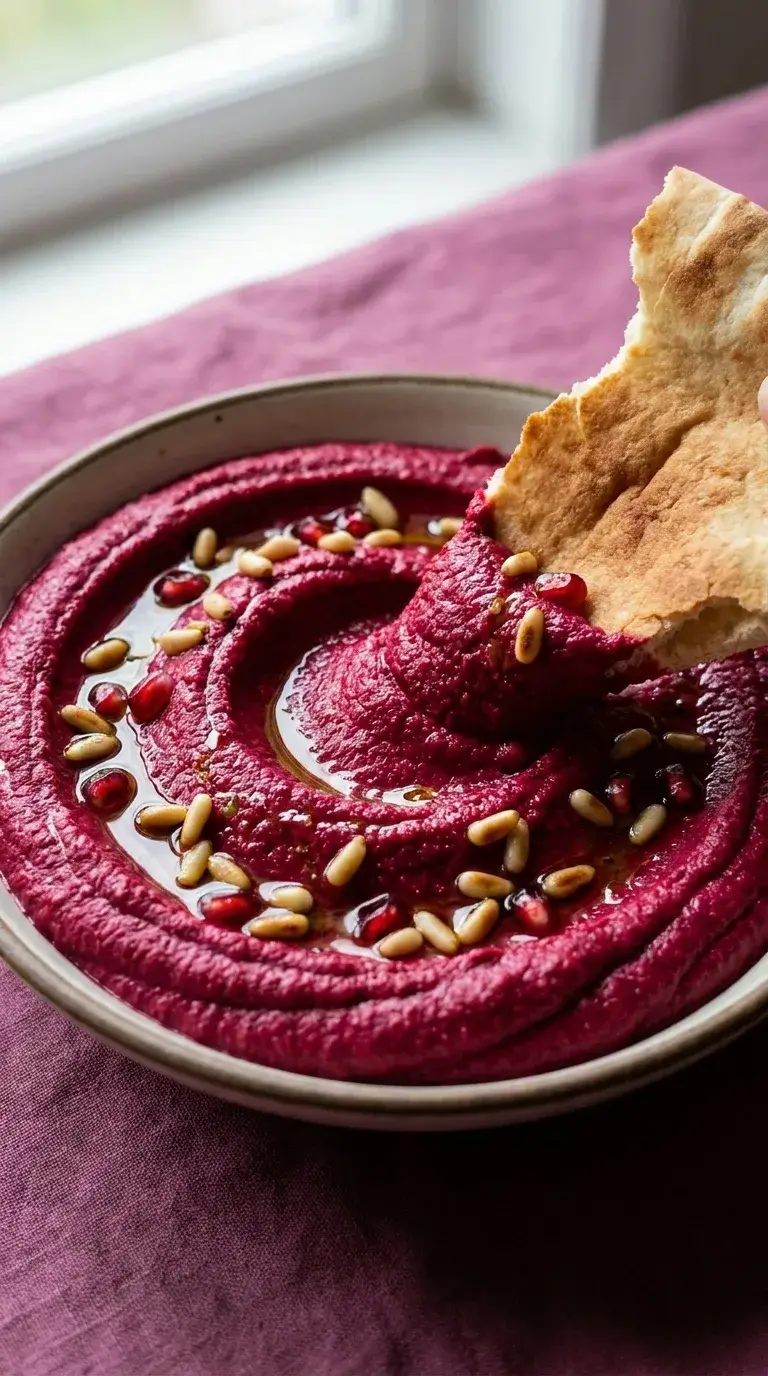
Mediterranean dips often rely on tahini or chickpeas to provide substance. This beetroot protein dip departs from those staples by using 200 g of Greek yoghurt as the creamy base. Use this substitution to increase the protein content while adding a sharp tang that cuts through the sugar of the vegetable. Roast the beets at 200°C (400°F) wrapped in foil to concentrate their natural sugars and ensure a tender texture before blending.
You will achieve a silky smooth consistency that balances earthy notes with bright lemon. The result depends on the blending process; blend on high until the mixture is completely smooth. Chill the dip in the refrigerator for at least 30 minutes. This resting period is essential because it allows the cumin, smoked paprika, and coriander to meld with the yoghurt. Finish the dish with toasted pine nuts and pomegranate seeds to add a necessary contrast in texture.
Beetroot Protein Dip: Roasted Beet and Greek Yogurt Fusion
Recipe cardIngredients
Instructions
-
Roast the beets
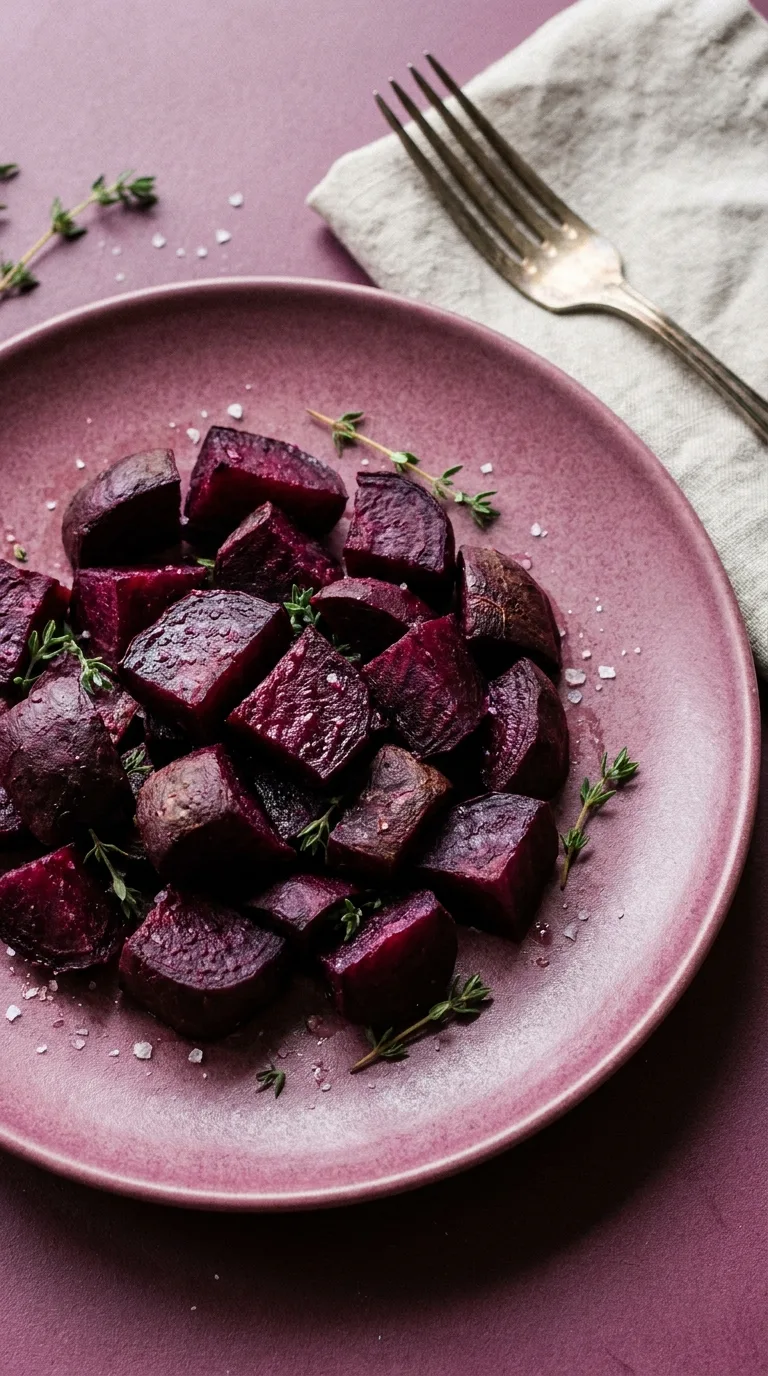
Preheat your oven to 200°C (400°F). Wrap the washed raw beets loosely in foil on a baking sheet. Roast for 50-55 minutes until a fork pierces the centre easily. This ensures the beet is tender enough to blend.
-
Cool and peel
Remove the beets from the oven. Let them cool to room temperature so you can handle them safely. Peel off the skins and chop the beetroot into bite-sized chunks.
-
Combine the base
Place the beet chunks, Greek yoghurt, lemon juice, olive oil, and minced garlic into a blender. Add the ground cumin, smoked paprika, ground coriander, salt and black pepper. Using a blender ensures the spices are evenly distributed.
-
Blend until smooth
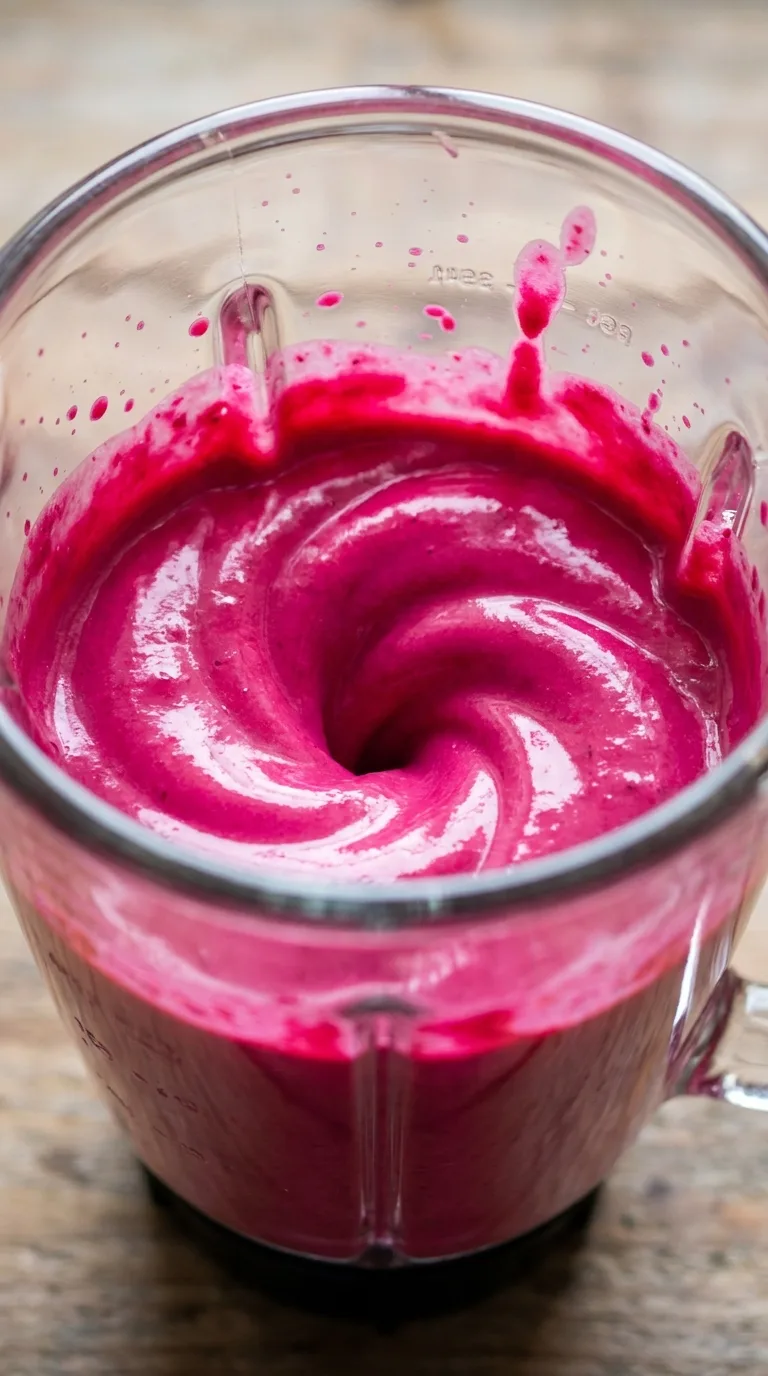
Blend on high until the mixture is silky smooth. Add 30 ml of cold water if the dip is too thick. A smooth texture prevents the dip from feeling grainy on the palate.
-
Season and plate
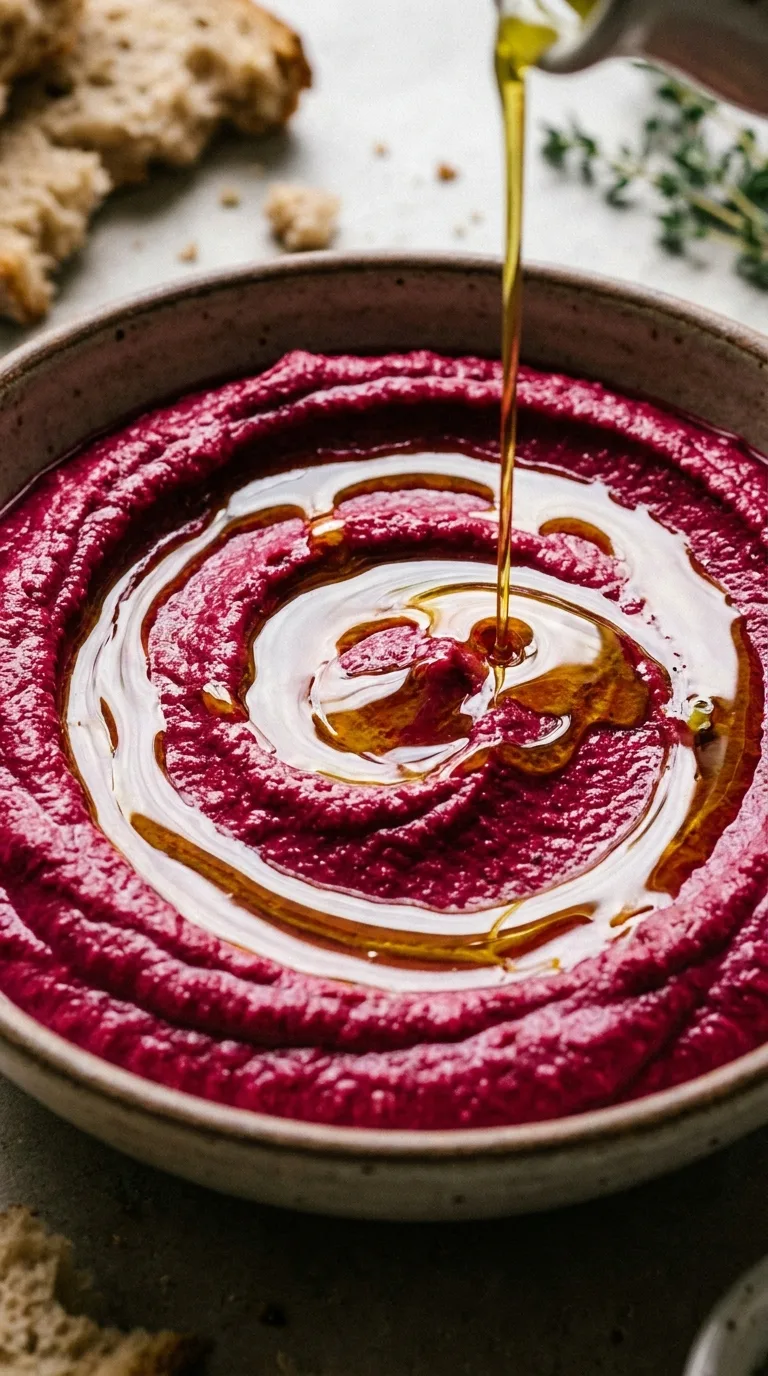
Taste the dip and adjust the salt, pepper or lemon juice to suit your palate. Transfer the mixture to a serving bowl and level the surface. Swirl in a drizzle of olive oil for a professional finish.
-
Add the garnish
Sprinkle the toasted pine nuts, chopped fresh mint and pomegranate seeds over the top. These additions provide a necessary contrast in colour and texture. Use fresh mint to cut through the earthy beet flavour.
-
Chill the dip
Cover the bowl with cling film. Chill in the refrigerator for at least 30 minutes. This resting period allows the bold flavours to meld together before you serve.
If the dip appears too thick or grainy during blending, add cold water in small increments. A dip that is too dense will lack the creamy, airy quality of a Mediterranean spread. Ensure the beets are fully cooled before peeling to avoid burns and maintain the dip's chilled temperature.
How it differs from the traditional method
This version replaces traditional tahini with Greek yoghurt to increase the protein content. While tahini provides a nutty depth, yoghurt adds a tangy creaminess and lighter colour. Use the traditional tahini method if you require a dip that is naturally vegan and has a longer shelf life.
What to serve with it
Serve this dip with warm pita wedges or flatbread to contrast the chilled temperature. For a fresher option, use crisp carrot, cucumber and bell-pepper sticks. You can also spread the mixture on toasted whole-grain bread for a protein-rich breakfast or use crisp crackers for an evening snack.
Nutrition per serving
- Calories
- 120
- Protein
- 16.0 g
- Carbs
- 15.0 g
- Fat
- 7.0 g
- Fiber
- 4.2 g
- Sugar
- 6.1 g
Estimated, and offered as a guide rather than a medical figure.
Made it? Rate it.
Questions people ask
What protein goes well with beetroot?
Greek yoghurt works well because its acidity balances the earthiness of the root. You can also use silken tofu or cooked red lentils for plant-based alternatives that maintain a creamy consistency.
Is beetroot dip good for you?
Yes. This dip is rich in fibre, potassium and vitamin C. The combination of roasted vegetables and yoghurt provides a balanced profile of vitamins and protein for a wholesome snack.
Can beetroot help with belly fat?
No. Beetroot is a nutritious vegetable, but no single food can target fat loss in a specific area of the body. It supports a healthy diet through its high fibre content.

About the author
Makeva
Makeva is a home‑cook who loves crafting approachable meals that balance flavor and nutrition. She specializes in quick weeknight dinners, hearty soups, and wholesome baked goods, sharing step‑by‑step guidance and practical tips. Readers can expect clear instructions, adaptable recipes, and a friendly tone that encourages confidence in the kitchen.