Baby Oat Pancakes: Soft and Healthy Breakfast
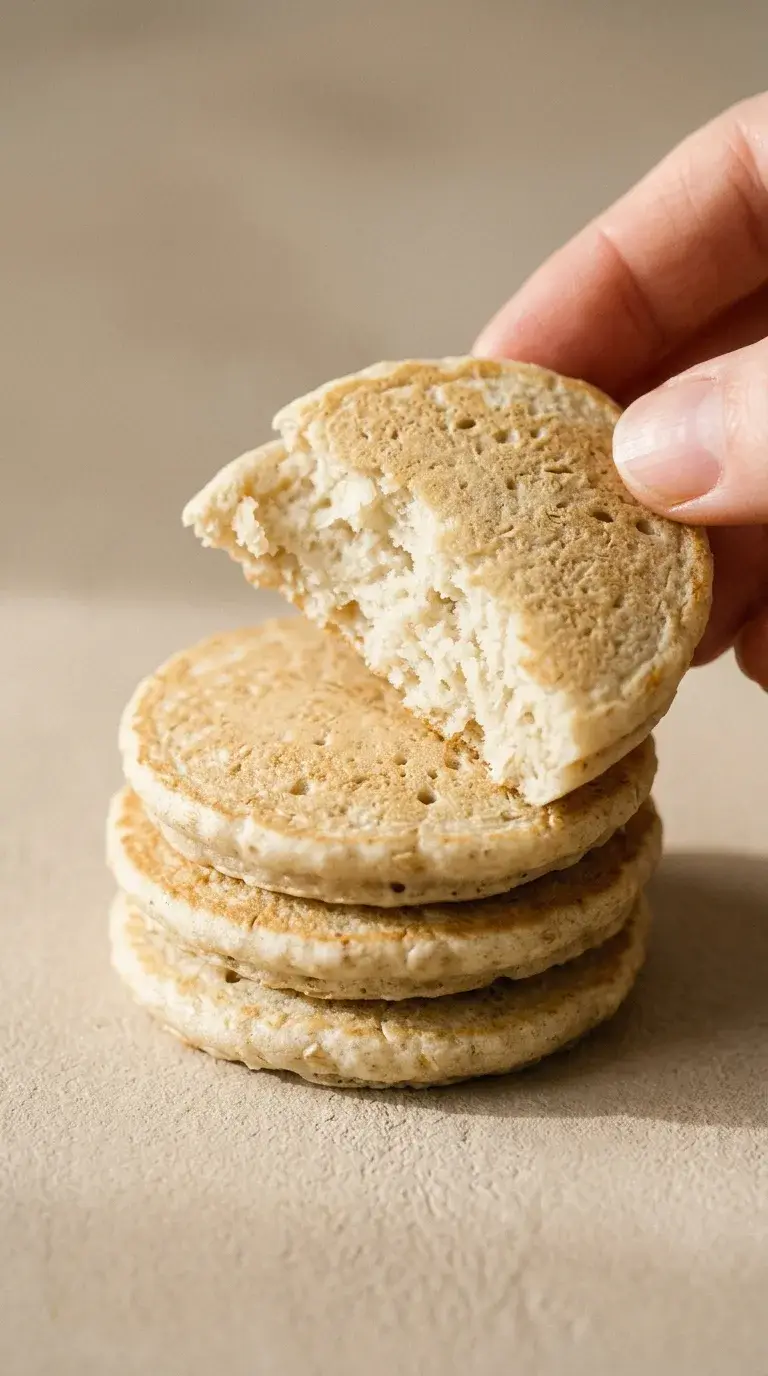
These baby oat pancakes are a soft, nutrient-dense American breakfast. You blend rolled oats into a fine flour to create a smooth base that is easy for infants to chew. The addition of ripe bananas provides natural sweetness and a creamy texture, while cottage cheese or soy milk adds moisture. Each small pancake measures about 4 cm in diameter and has a gentle, mild flavour.
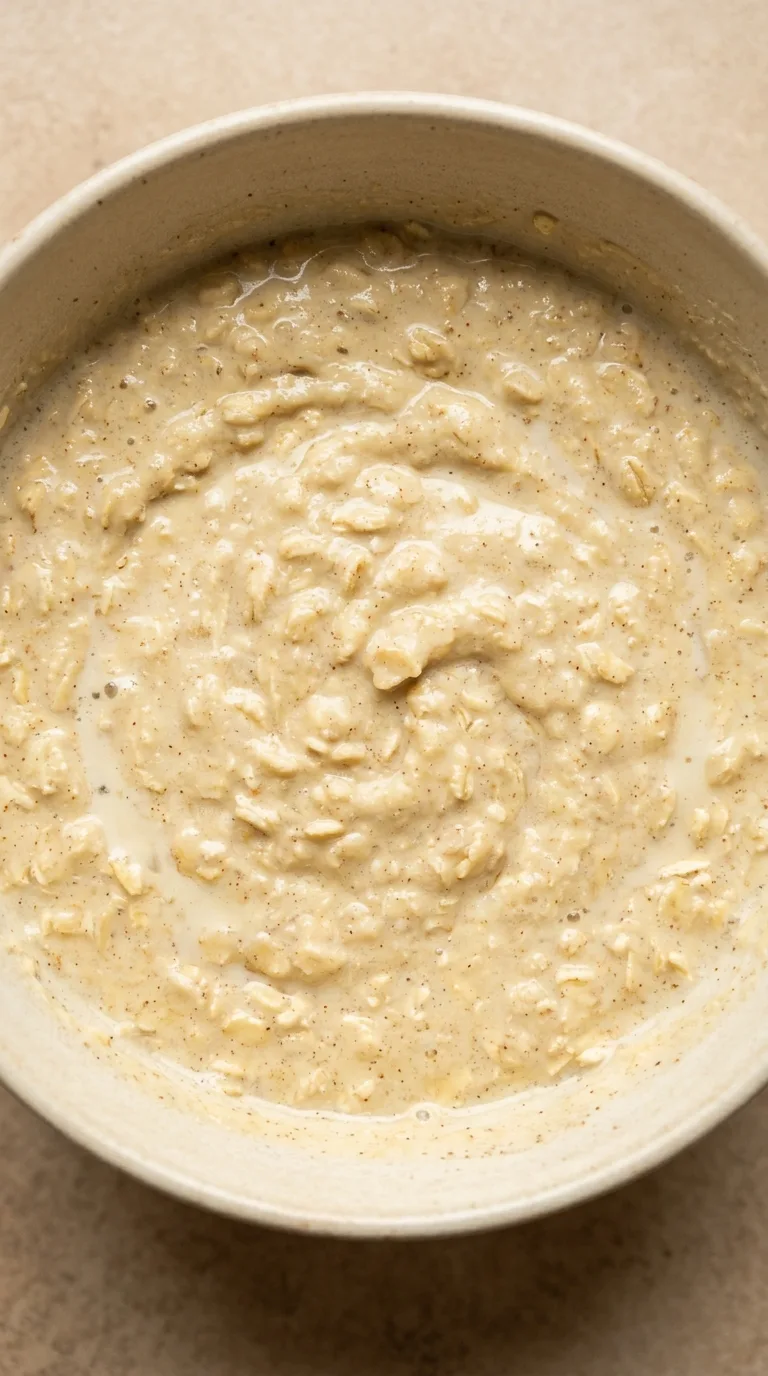
The success of these pancakes depends on the batter rest and the heat of your skillet. Let the batter rest for 1 minute so the oats absorb the liquid; this creates a tender texture rather than a grainy one. You must maintain a medium-low heat of 150°C (300°F) in the pan. If the heat is too high, the pancakes brown too quickly before the centre sets, resulting in a raw middle.
Baby Oat Pancakes: Soft and Healthy Breakfast
Recipe cardIngredients
Instructions
-
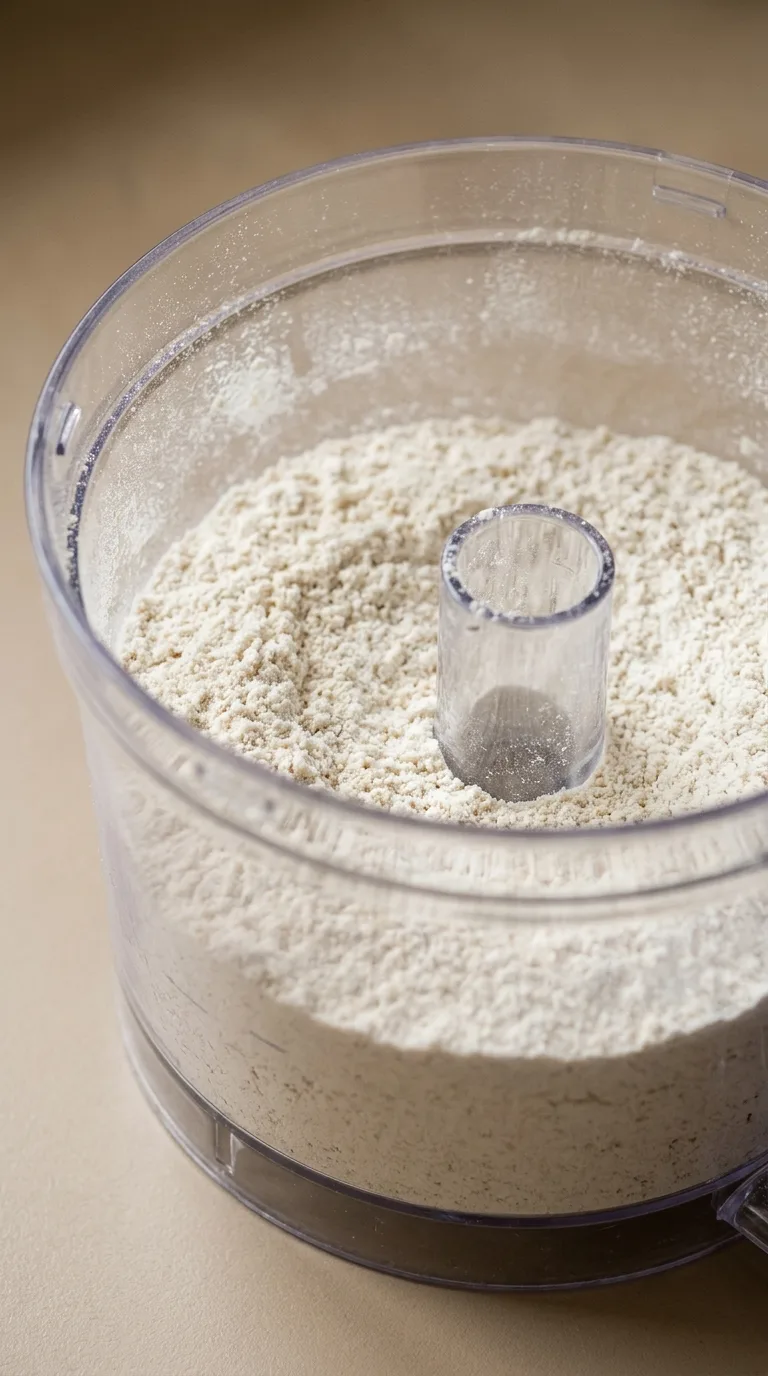
Prepare the oat flour
Place the rolled oats in a food processor. Pulse them until they reach a fine flour-like consistency. This ensures a smooth texture for the baby.
-
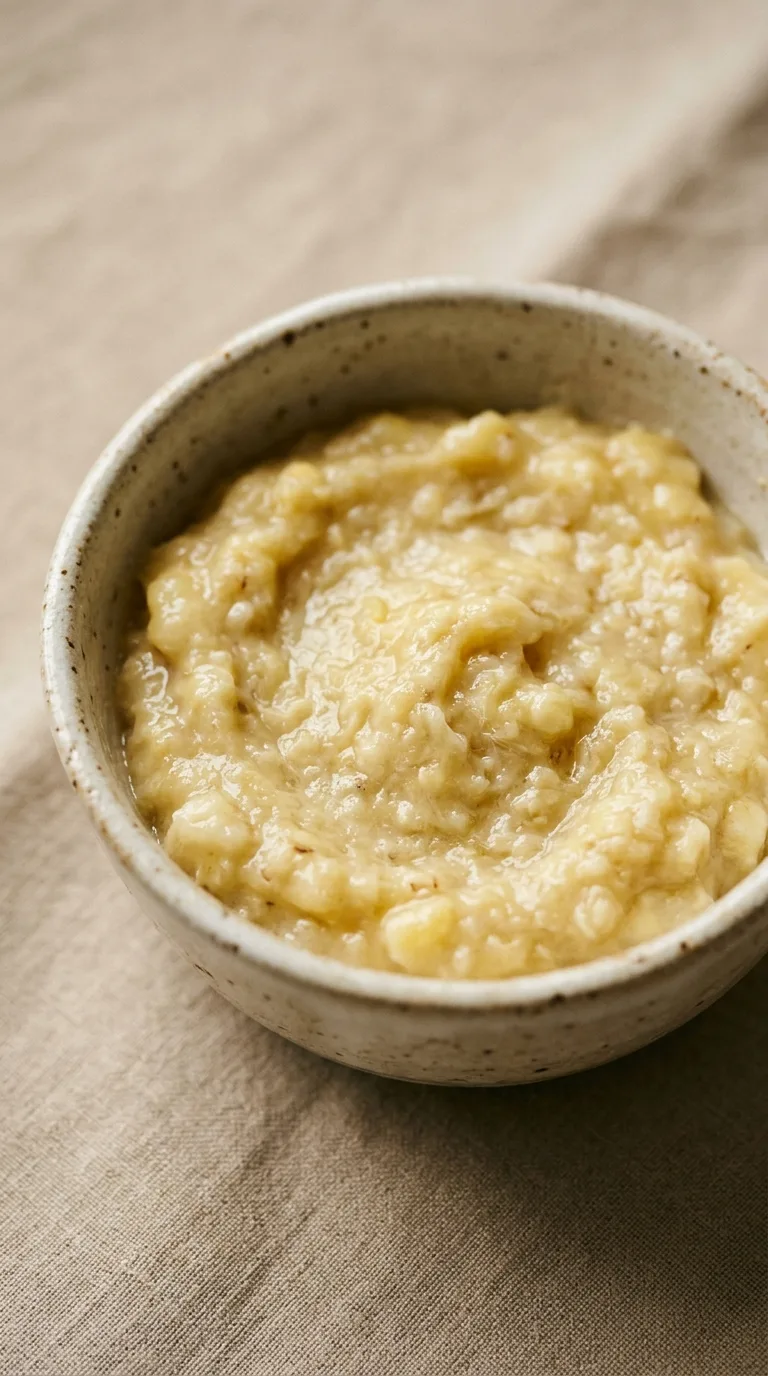
Mash the bananas
Use a fork to mash the ripe bananas in a separate bowl. Work until the mixture is smooth. This provides the base sweetness and structure.
-
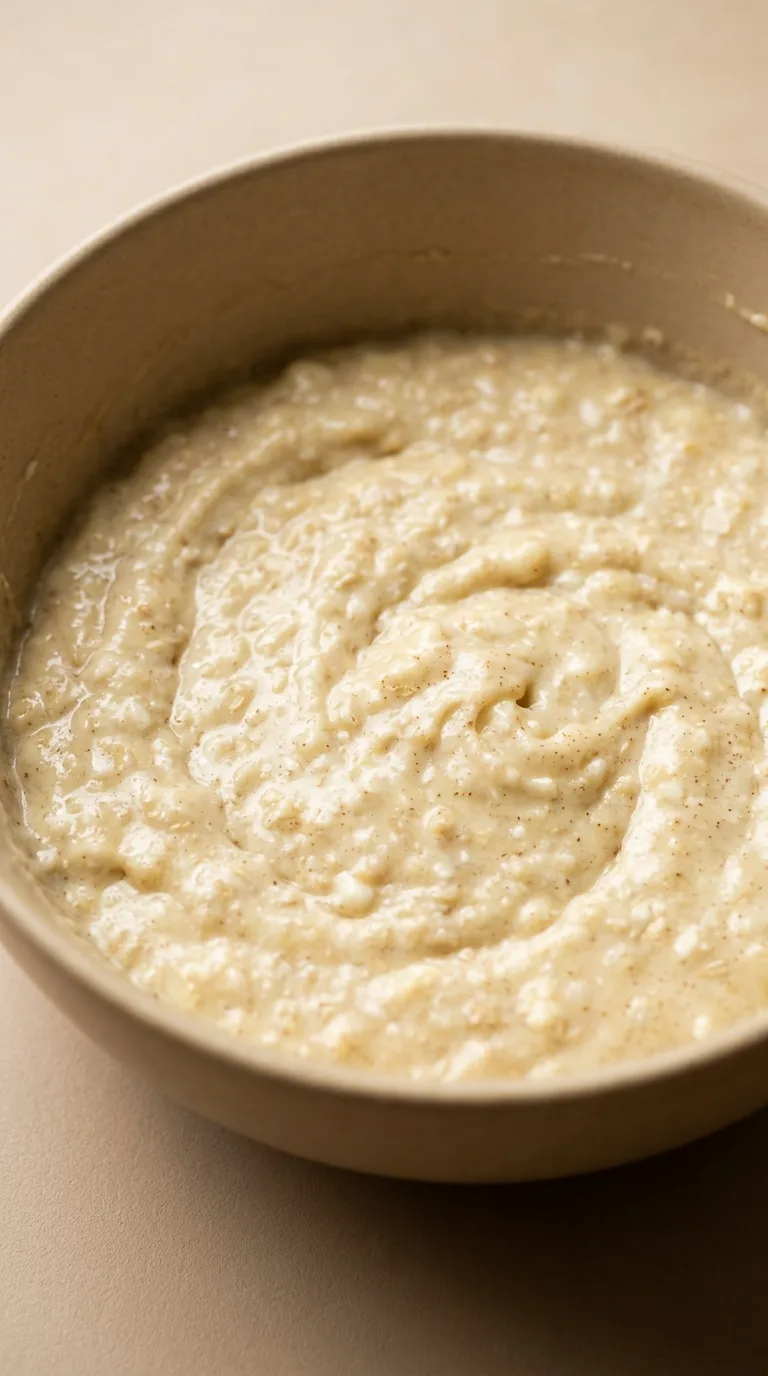
Mix the batter
Whisk the egg, cottage cheese, ground cinnamon, melted butter, and oat flour into the banana mixture. Stir until the ingredients are fully combined. You want a uniform consistency.
-
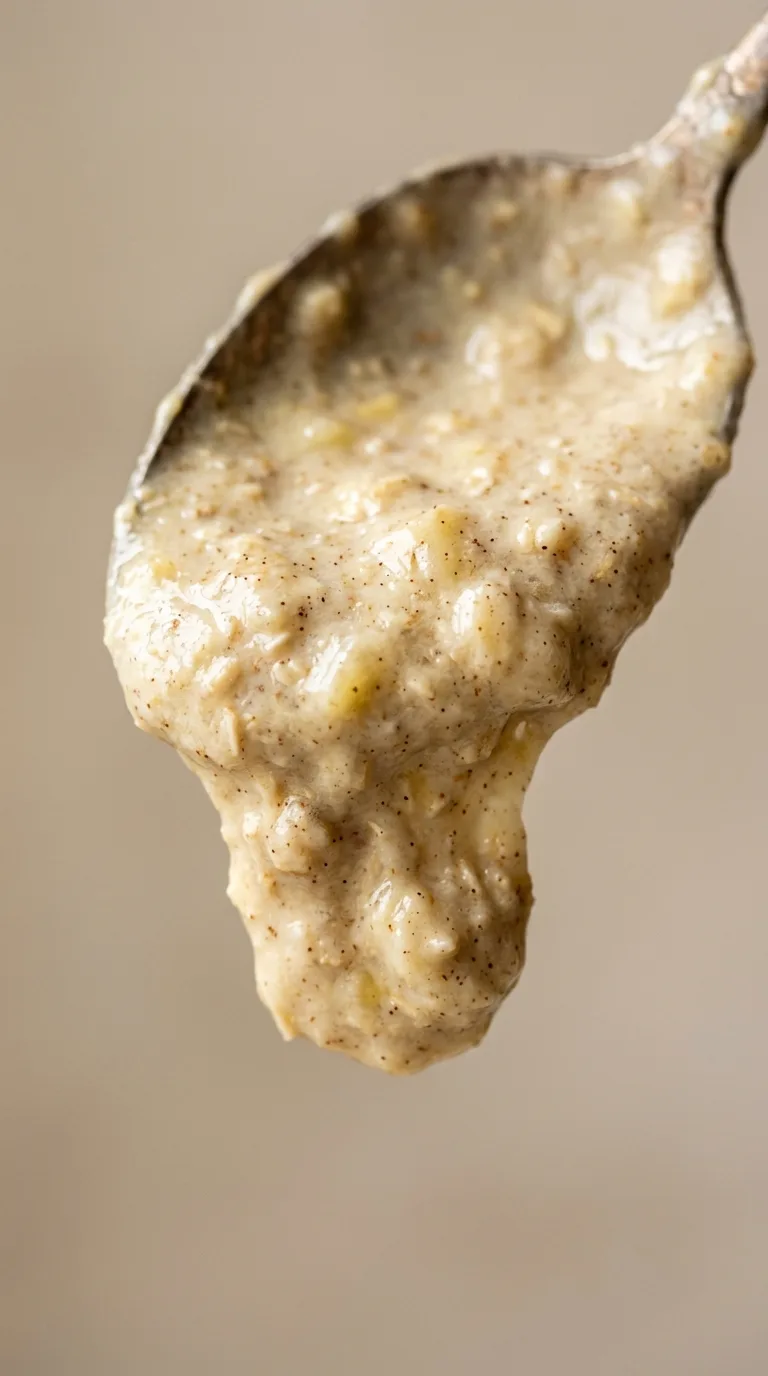
Adjust the consistency
Slowly stir in water, breast milk or plant-based milk if the batter is too thick. Stop when it is pourable but thick enough to cling to a spoon. This prevents the pancakes from spreading too thin.
-
Rest the batter
Let the batter sit undisturbed. This allows the oats to absorb the liquid. You will get a more tender texture in the final pancake.
-
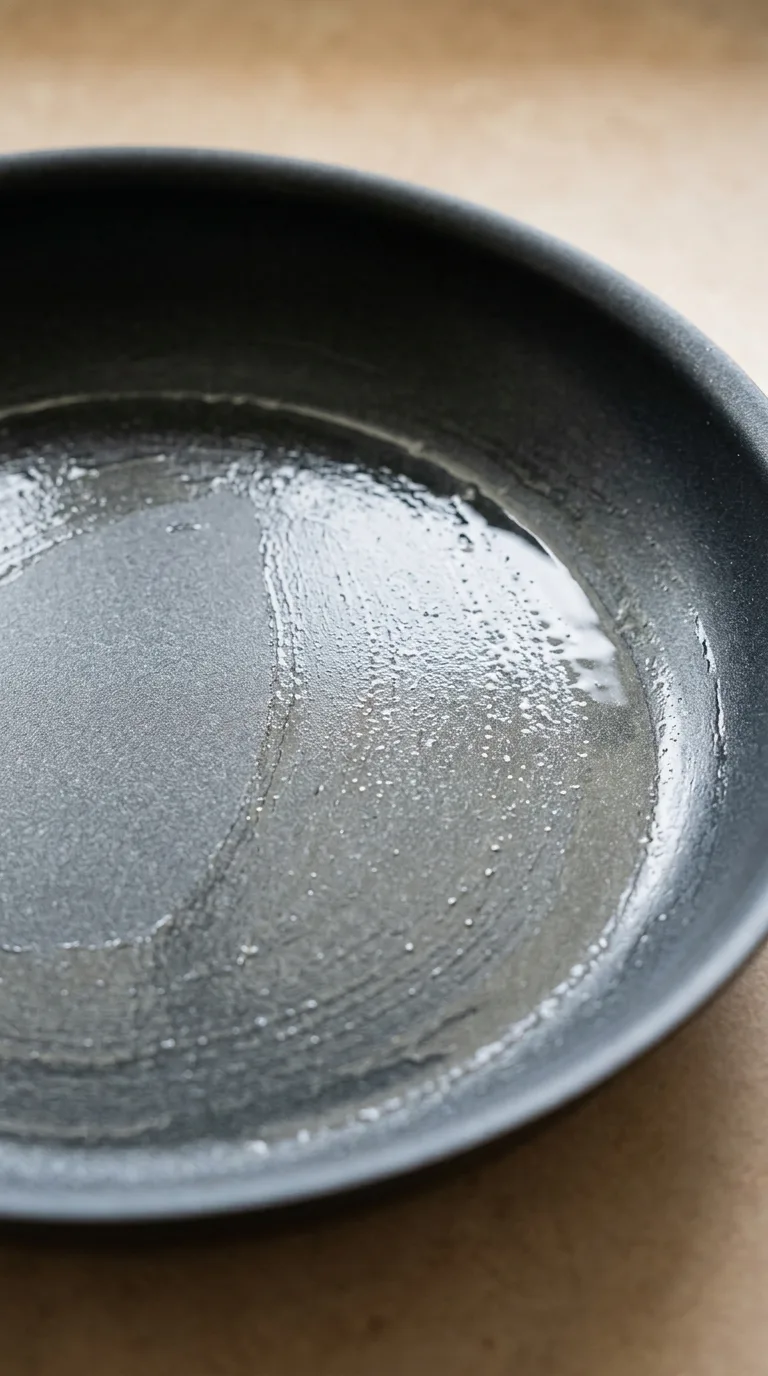
Heat the skillet
Heat a non-stick skillet or griddle over medium-low heat at 150°C (302°F). Brush the surface with sunflower or olive oil. This prevents sticking and adds a light crispness.
-
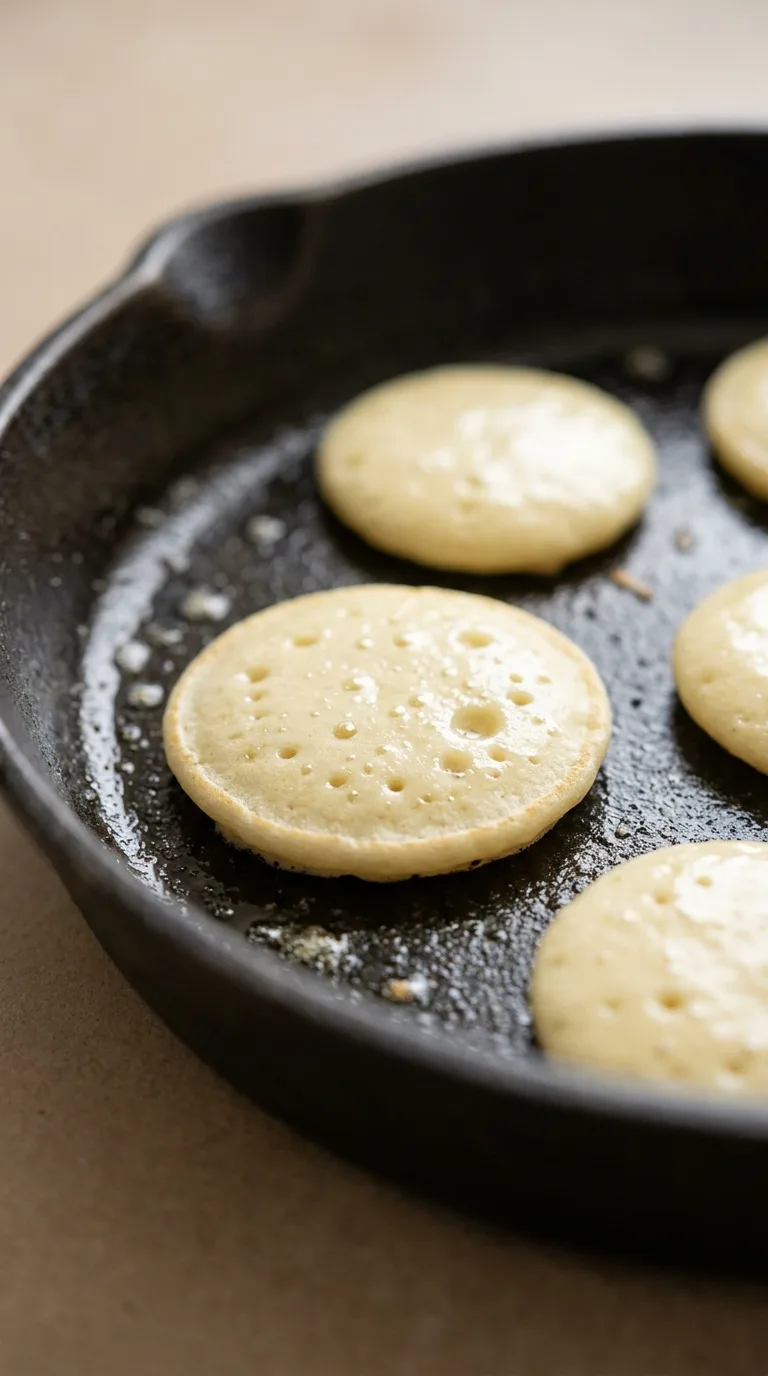
Fry the pancakes
Drop 1–2 tsp pools of batter onto the skillet and spread them to 4 cm in diameter. Cook for 1–2 minutes until bubbles form and edges look set. Flip and cook for 30–45 seconds until lightly golden.
-
Cool and store
Remove the pancakes with a slotted spoon. Place them on a plate and cover loosely with foil. This keeps them warm without making them soggy.
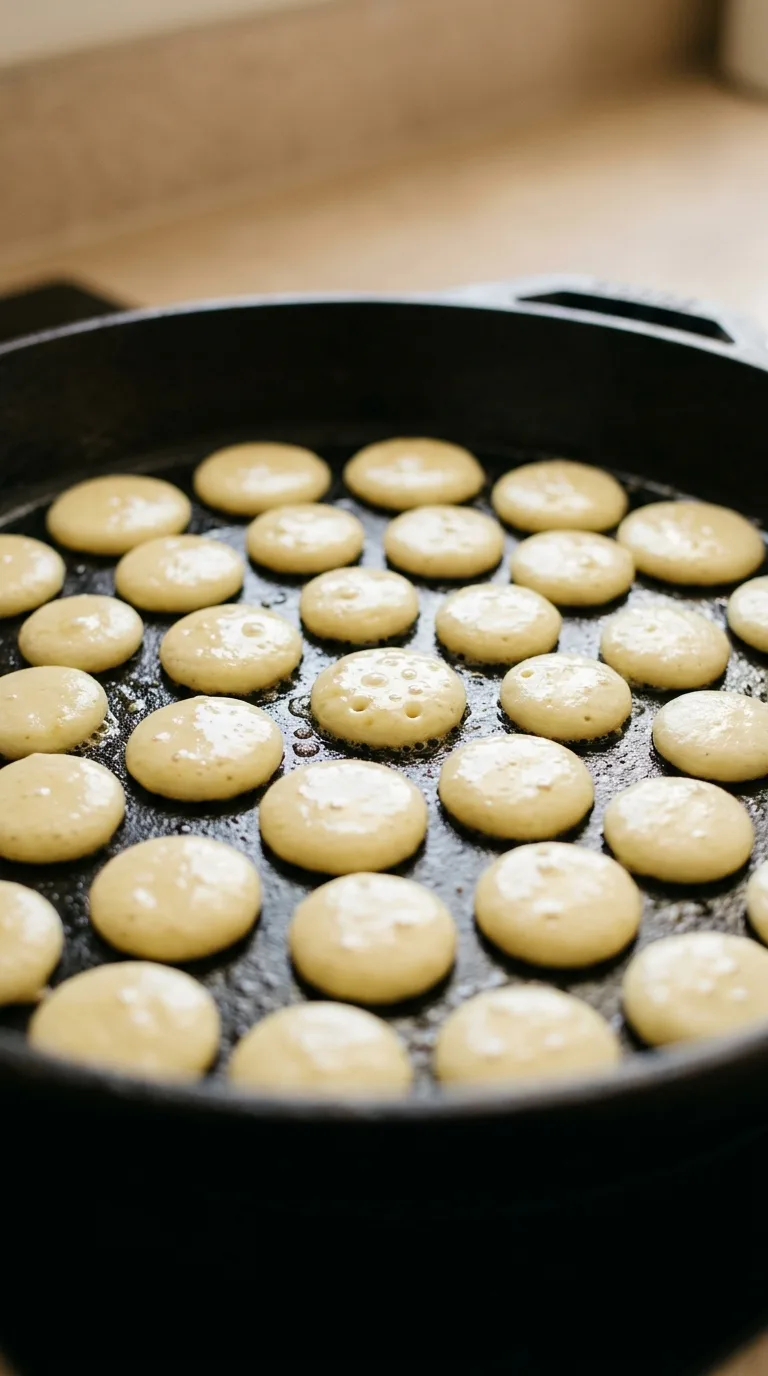
If the pancakes brown too quickly, you are using too much heat or oil. Lower the temperature immediately to ensure they cook through without burning. Test the thickness on a plate; the batter must hold its shape but remain soft enough for a 6-month-old baby to swallow easily.
What to serve with it
Pair these pancakes with mashed avocado or unsweetened Greek yoghurt to add protein and healthy fats. You can also use a thin smear of apple or pear puree to introduce new tastes. For a balanced weaning meal, serve them with small pieces of steamed carrot or sweet potato.
Storing and reheating
Store leftovers in an airtight container in the fridge for up to 2 days. For longer storage, freeze the pancakes in a single layer on a tray before transferring them to a bag. Reheat them in a toaster or microwave for 30 seconds to restore the soft texture.
Nutrition per serving
- Calories
- 82
- Protein
- 10.0 g
- Carbs
- 8.5 g
- Fat
- 2.1 g
- Fiber
- 4.0 g
- Sugar
- 3.2 g
Estimated, and offered as a guide rather than a medical figure.
Made it? Rate it.
Questions people ask
Can babies have oat pancakes?
Yes. These pancakes use wholesome ingredients like oats and bananas, which are suitable for babies. Ensure the texture is soft enough for easy swallowing, especially for 6-month-old infants, to avoid choking risks during the weaning process.
Can you use baby oatmeal instead of flour for baby pancakes?
Yes. You can use baby oatmeal as it provides the same fine consistency as pulsed rolled oats. This ensures the pancakes remain soft and easy for a baby to digest while maintaining the nutritional value of the oats.
How to give a pancake to a 6 month old?
Cut the pancakes into small, manageable strips or bite-sized pieces. Ensure they are soft by testing a spoonful on a plate first. This allows the baby to safely grasp the food and swallow it without difficulty.
About the author
Makeva
Makeva is a home‑cook who loves crafting approachable meals that balance flavor and nutrition. She specializes in quick weeknight dinners, hearty soups, and wholesome baked goods, sharing step‑by‑step guidance and practical tips. Readers can expect clear instructions, adaptable recipes, and a friendly tone that encourages confidence in the kitchen.