Rolled Oat Pancakes: Blender Breakfast Cakes
Choose traditional old-fashioned rolled oats rather than steel-cut oats for these rolled oat pancakes. Steel-cut groats remain hard and gritty unless soaked for hours, whereas whole rolled flakes break down completely in a blender within 60 seconds. High-speed blending mills the grain and activates the oat starches immediately, creating a smooth batter that thickens naturally as the leavening activates.
These pancakes cook over medium-low heat at 175°C (350°F) to give the dense batter time to puff through the centre before the base scorches. The result is a tall, golden stack with a nutty crumb, a gentle sweetness from pure maple syrup, and a soft interior that holds its structure under warm fruit.
Rolled Oat Pancakes: Blender Breakfast Cakes
Recipe cardIngredients
Watch how it's made
Instructions
-
Load the blender
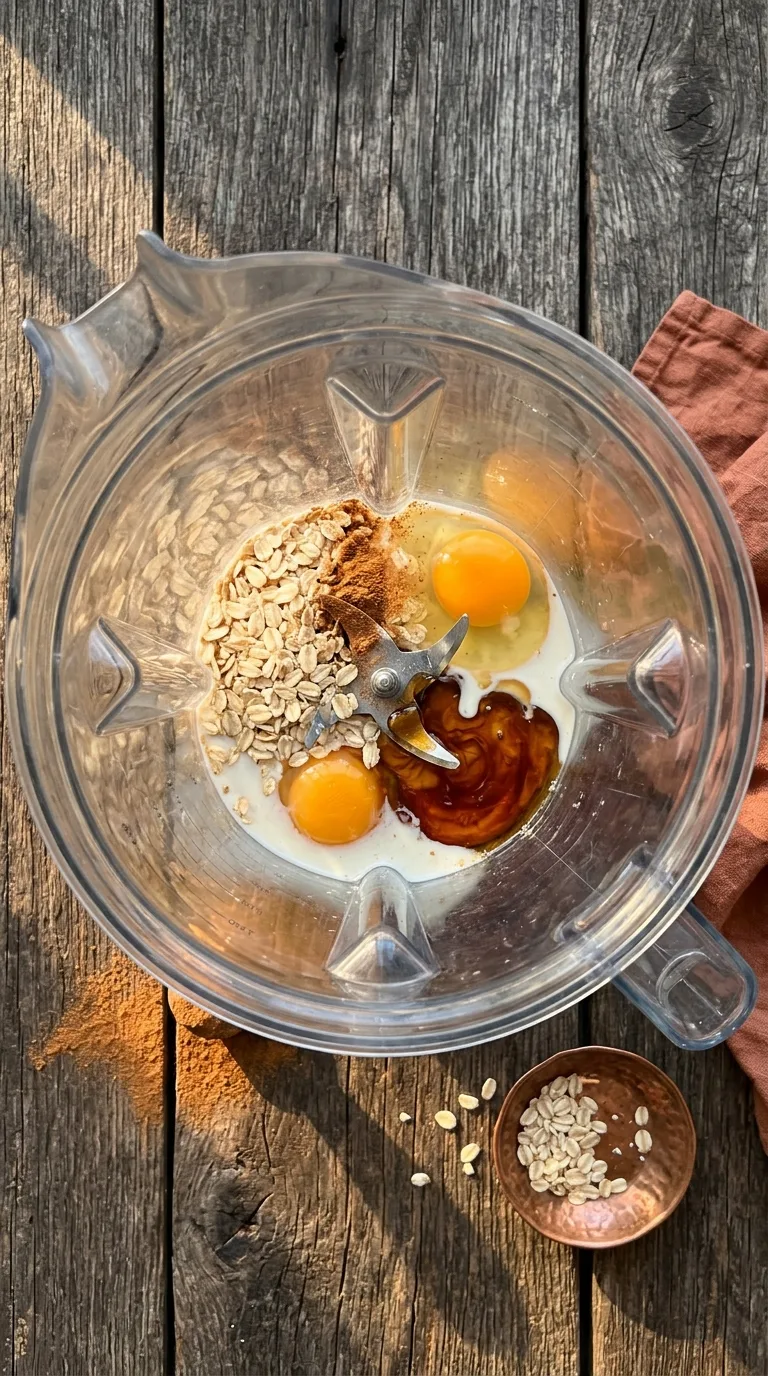
Place 180 g rolled oats, 240 ml milk, 2 large eggs, 2 tablespoons maple syrup, 1 tablespoon vegetable oil, 2 teaspoons baking powder, 1 teaspoon ground cinnamon, 1 teaspoon vanilla extract, and 0.5 teaspoon fine sea salt into the jug of a high-speed blender. Loading all liquid and dry ingredients together ensures the blades catch the dry oats immediately. Check that the lid is firmly sealed before running the motor.
-
Blend until smooth
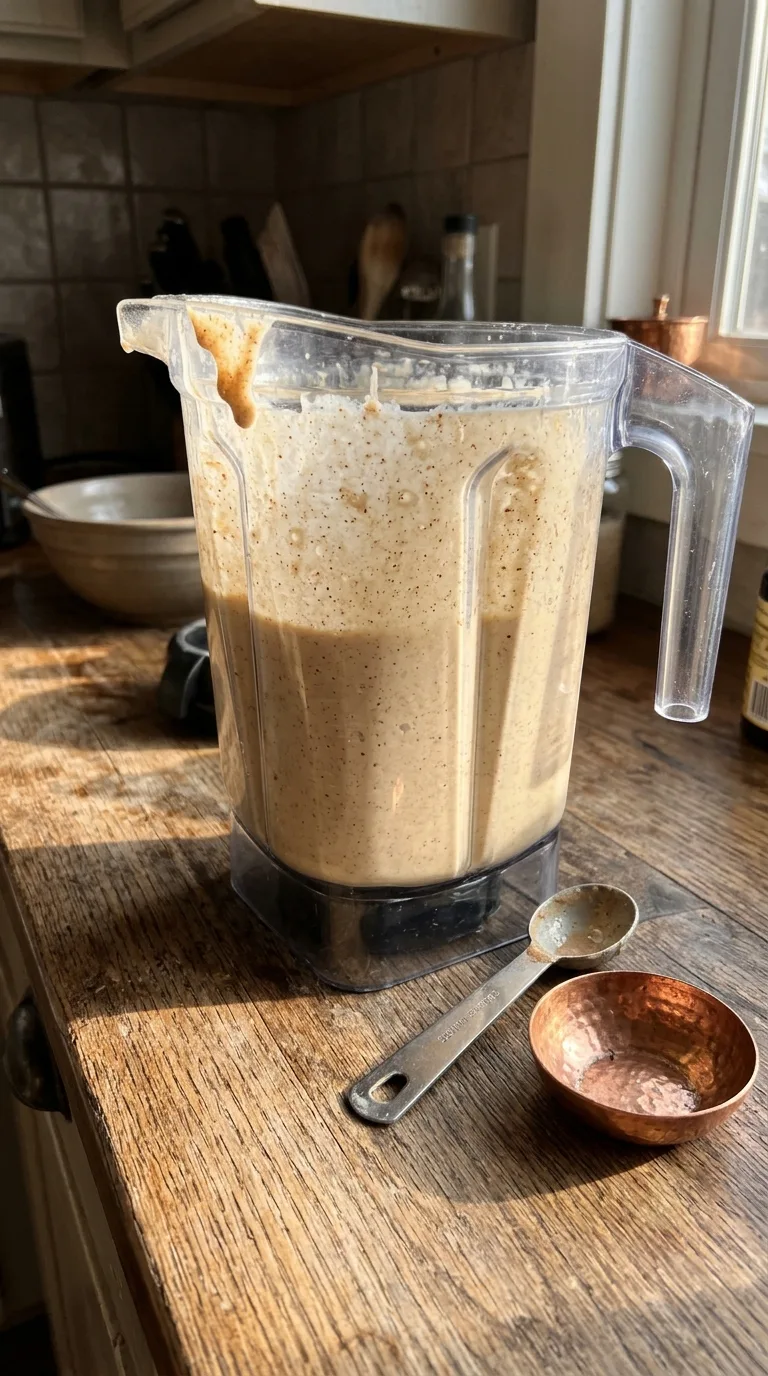
Blend on high speed for 45 to 60 seconds until the mixture transforms into a completely smooth, pourable batter. Look closely through the jug to ensure no coarse oat flakes remain unblended. Thorough milling is essential to hydrate the oat starches so your pancakes rise evenly rather than turning dense.
-
Rest the batter
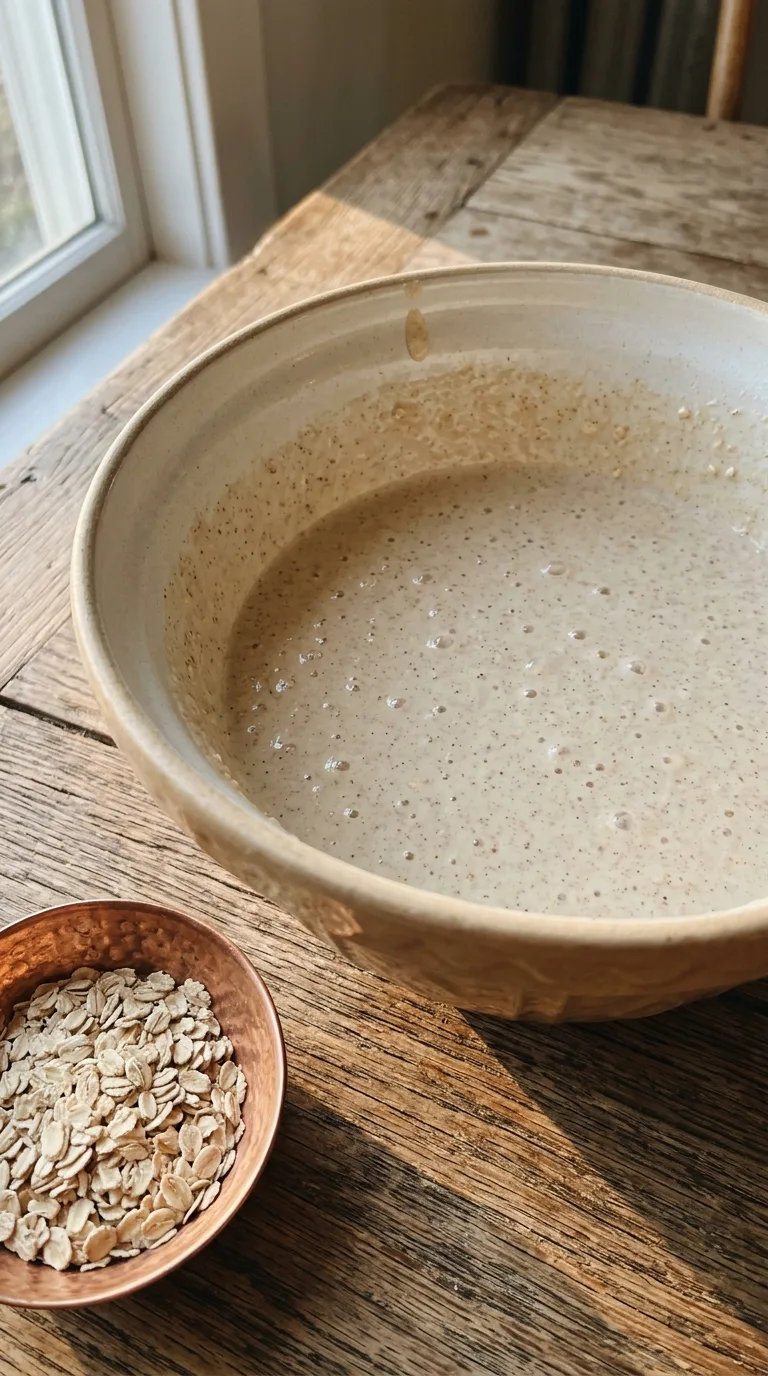
Pour the batter into a large mixing bowl and let it rest for 2 to 3 minutes while you heat the pan. This pause allows the leavening to activate evenly throughout the liquid. You will see slight aeration and thickening as the starches absorb the liquids.
-
Heat and grease the pan
Preheat a wide non-stick frying pan or griddle over medium-low heat, aiming for approximately 175°C (350°F) on an electric hotplate. Lightly brush the hot surface with a few drops of vegetable oil using a pastry brush or folded paper towel. Moderate heat prevents the oat sugars from scorching before the centre sets.
-
Pour and cook first side
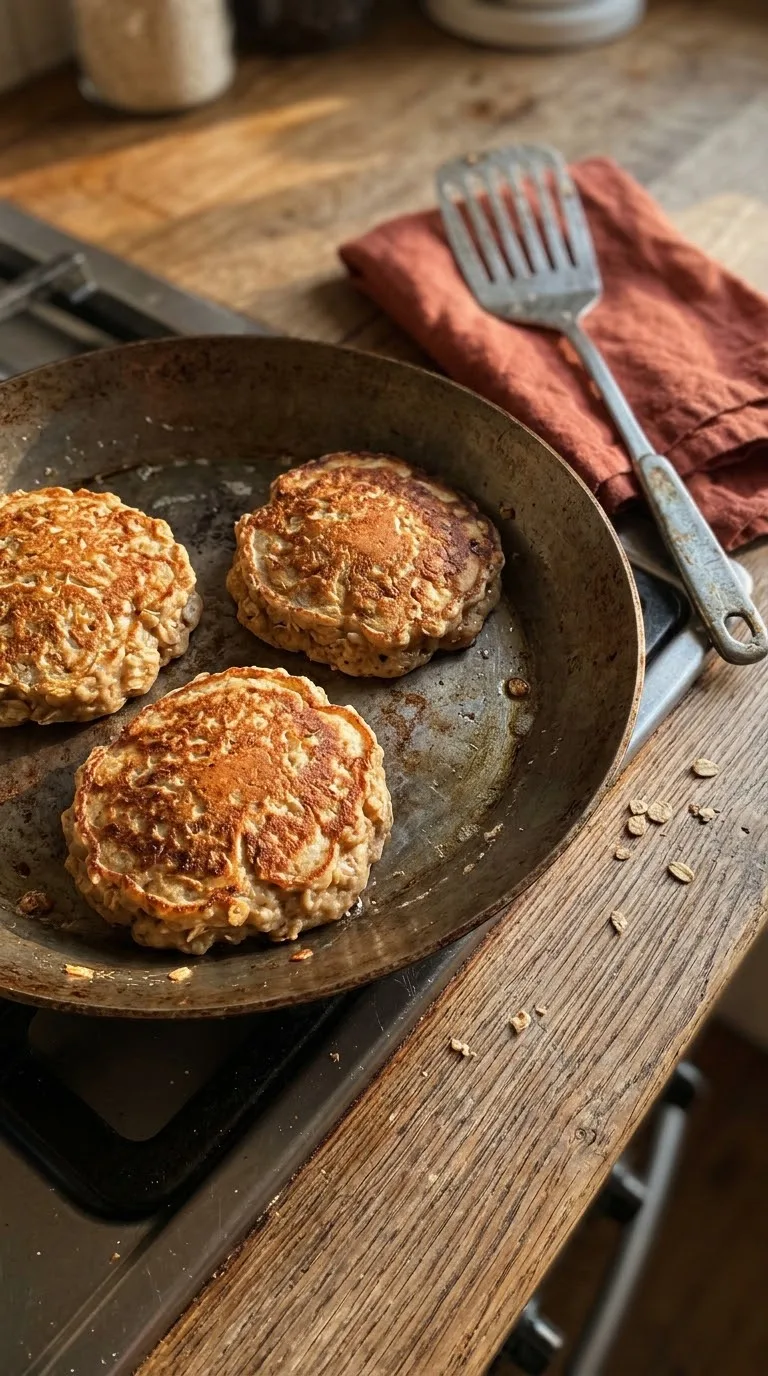
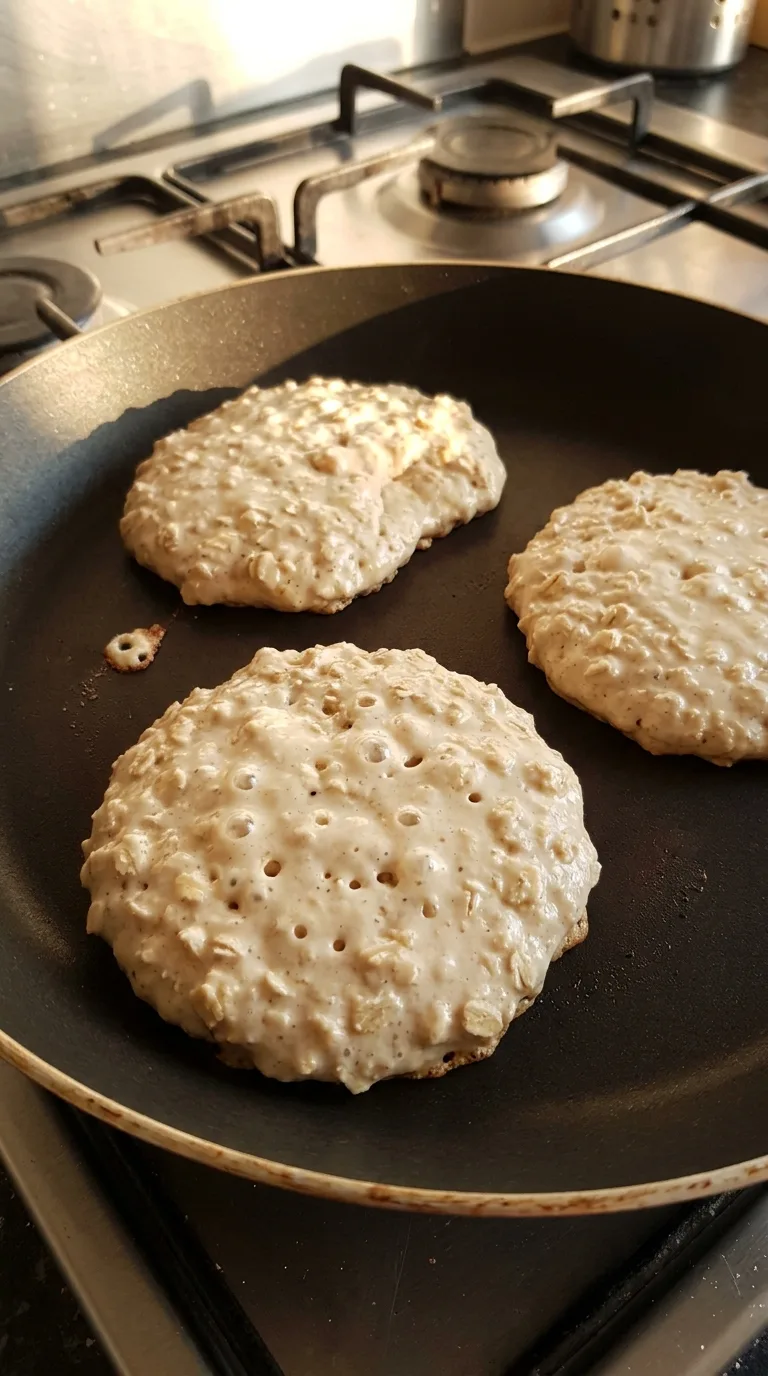
Pour roughly 60 ml (1/4 cup) of batter per pancake onto the hot surface, spacing them at least 5 centimetres (2 inches) apart to allow for spreading. Cook gently on the first side for 90 to 120 seconds. Wait until bubbles form across the surface, the edges appear set and slightly dry, and the underside turns an even golden brown.
-
Flip and finish cooking
Slide a spatula underneath each pancake and flip smoothly in one motion. Cook the second side for another 60 to 90 seconds until puffed and golden brown in the centre. Transfer cooked pancakes to a warm plate to keep them soft while you continue.
-
Adjust consistency and finish batches
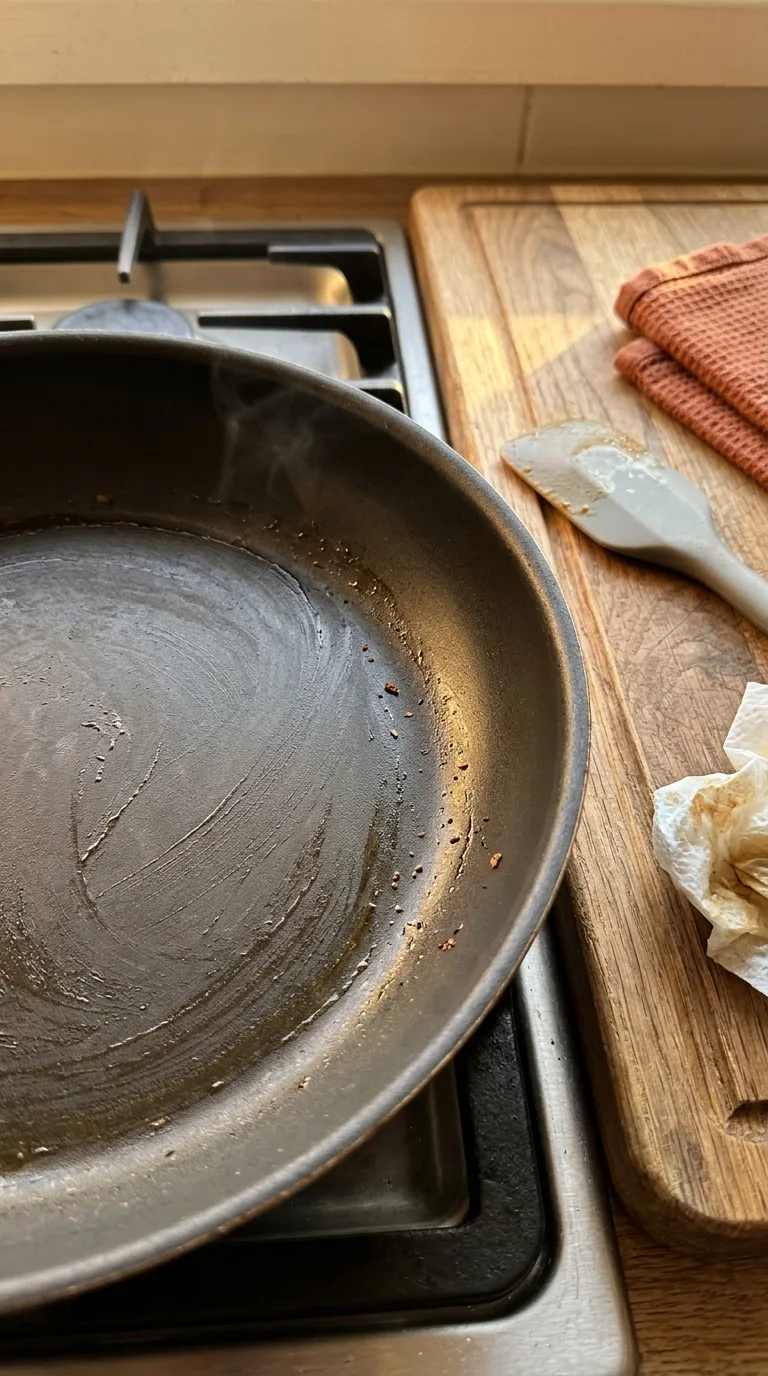
Wipe away any dark crumbs from the pan surface between batches and reduce the burner heat slightly if the pan begins smoking. If the remaining batter thickens as it sits, stir in 1 to 2 tablespoons of extra milk to return it to a fluid, pourable consistency. Repeat the process with the remaining batter to make approximately 9 to 10 pancakes, then serve immediately while warm.
Rolled oats absorb liquid continually as they rest. If the batter turns heavy or gloopy between batches, whisk in an extra tablespoon of milk immediately. A batter that is too thick will scorch on the base before the leavening puffs the centre through.
What to serve with it
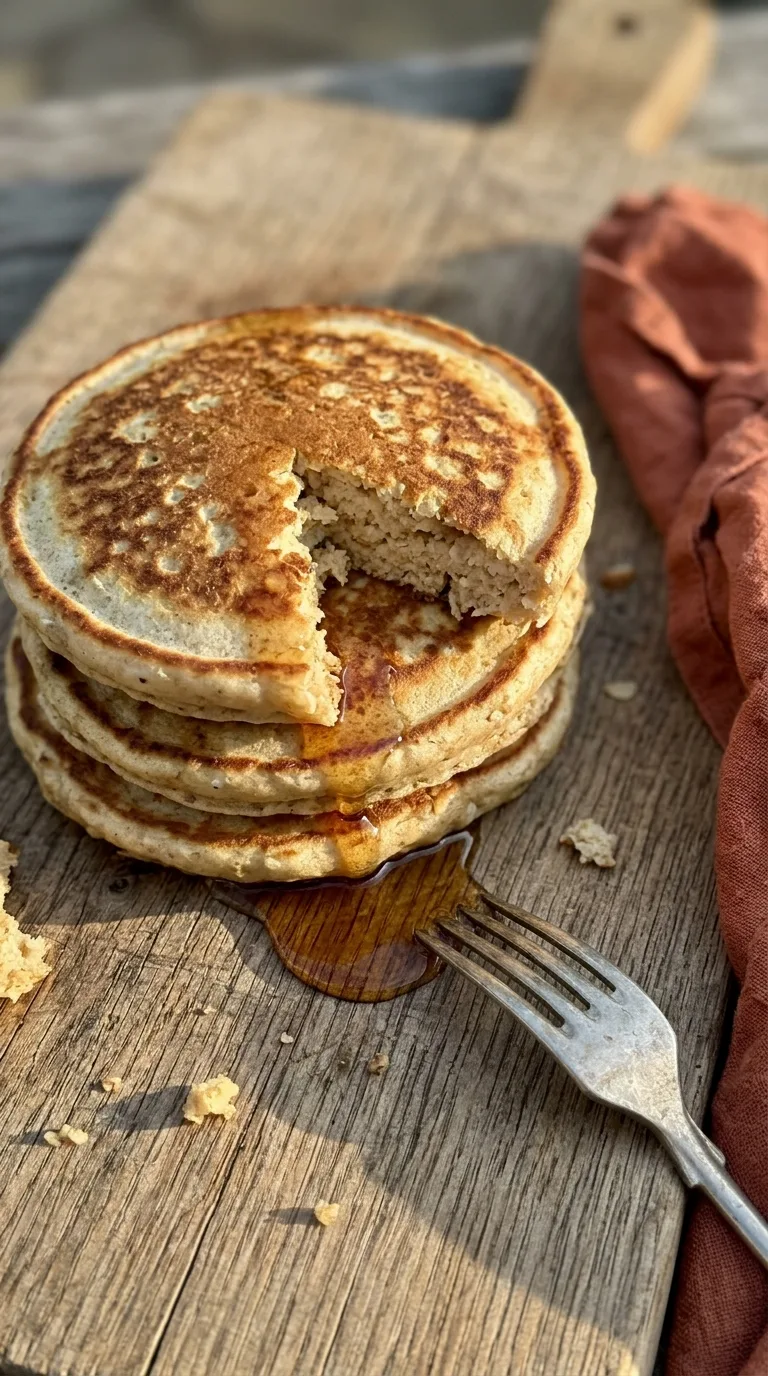
Serve these pancakes warm stacked high with a generous drizzle of warm pure maple syrup and a handful of fresh mixed berries. Alternatively, top them with thick Greek-style natural yoghurt and sliced ripe bananas dusted with ground cinnamon, or add crisp halal turkey rashers alongside for a savoury contrast.
Storing and reheating
Cool leftover pancakes completely before packing. Refrigerate them in an airtight container for up to 3 days, or freeze them solid in a single layer on a parchment-lined baking sheet before transferring to a zip bag for up to 2 months. Reheat frozen pancakes directly in a toaster or warm oven.
Nutrition per serving
- Calories
- 358
- Protein
- 13.5 g
- Carbs
- 52.8 g
- Fat
- 10.4 g
- Fiber
- 6.2 g
- Sugar
- 12.3 g
Estimated, and offered as a guide rather than a medical figure.
Made it? Rate it.
Questions people ask
Can I use steel-cut oats instead of rolled oats?
No. Steel-cut groats are too dense to break down in a standard blending cycle without a lengthy prior soak. Stick strictly to whole rolled oats so the batter mills into a completely smooth, tender batter that cooks through evenly.
Can I make these pancakes dairy-free and gluten-free?
Yes. Substitute unsweetened almond milk or oat milk in equal measure for the semi-skimmed milk to eliminate dairy. To keep them strictly gluten-free, ensure your rolled oats are certified gluten-free to avoid cross-contamination from processing facilities.
Why is my batter getting too thick to pour?
Rolled oats absorb moisture continuously as the mixture rests. Whisk in an extra 1 to 2 tablespoons of milk to loosen the batter back to a fluid, pourable state before ladling the next batch onto the pan.
Why are my pancakes browning too quickly before cooking inside?
Your pan has retained too much heat between batches. Keep the hob strictly on medium-low, around 175°C (350°F), and lift the pan off the burner for 15 seconds to drop the surface temperature before pouring more batter.

About the author
Makeva
Makeva is a home‑cook who loves crafting approachable meals that balance flavor and nutrition. She specializes in quick weeknight dinners, hearty soups, and wholesome baked goods, sharing step‑by‑step guidance and practical tips. Readers can expect clear instructions, adaptable recipes, and a friendly tone that encourages confidence in the kitchen.