Oat Pulp Pancakes: Spiced Breakfast Griddle Cakes
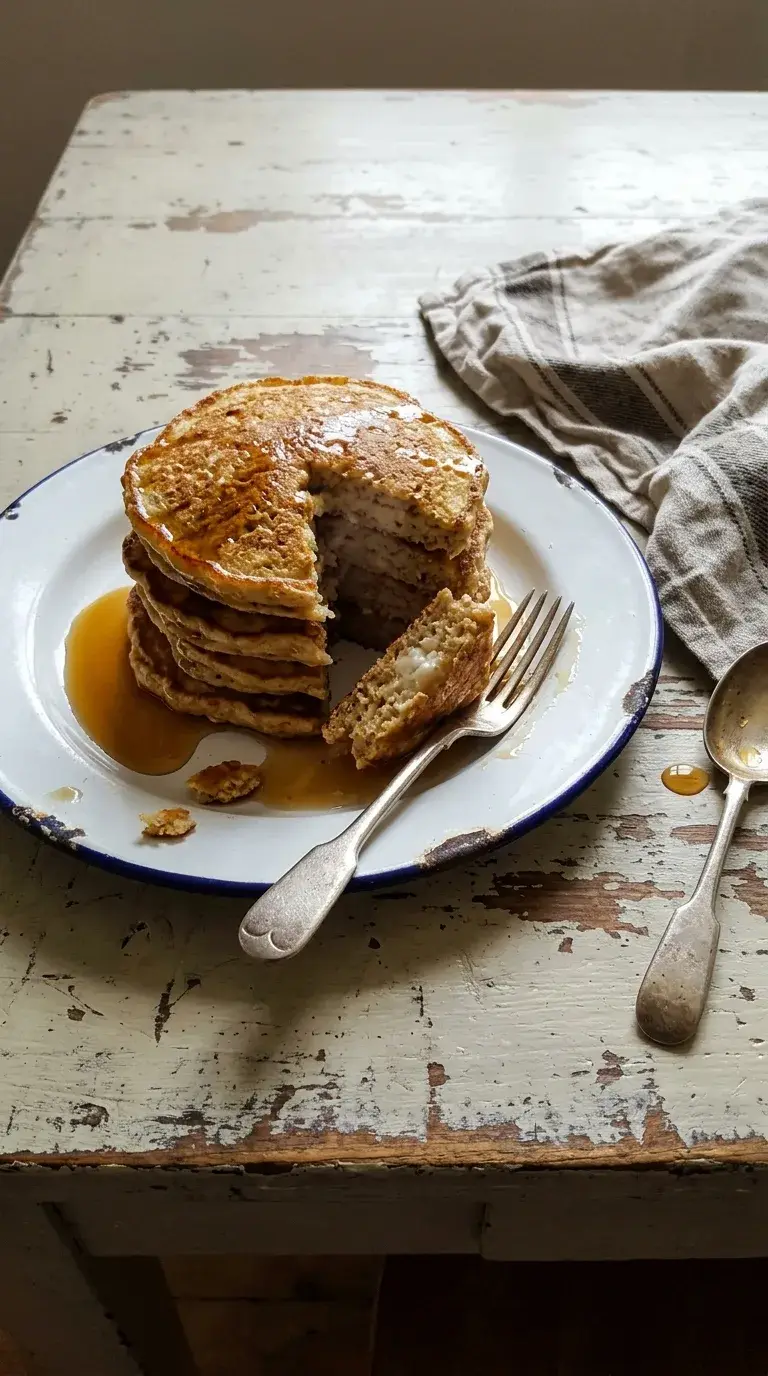
These oat pulp pancakes depend entirely on the moisture inside the strained oat pulp. Use pulp that is pressed firmly through a fine sieve or cheesecloth until it breaks apart into damp, crumbly flakes. If the pulp still drips liquid or sits in a loose slurry, leave it behind; excess water saturates the flour, weakens the leaveners, and turns the interior sticky rather than tender.
This breakfast combines that reclaimed oat fibre with oat flour, pure maple syrup, and warming cinnamon. A steady cooking temperature of 175°C (350°F) allows the batter to puff gently across the pan, creating crisp golden edges and a soft crumb. You produce eight wholesome griddle cakes from scratch in 30 minutes.
Oat Pulp Pancakes: Spiced Breakfast Griddle Cakes
Recipe cardIngredients
Instructions
-
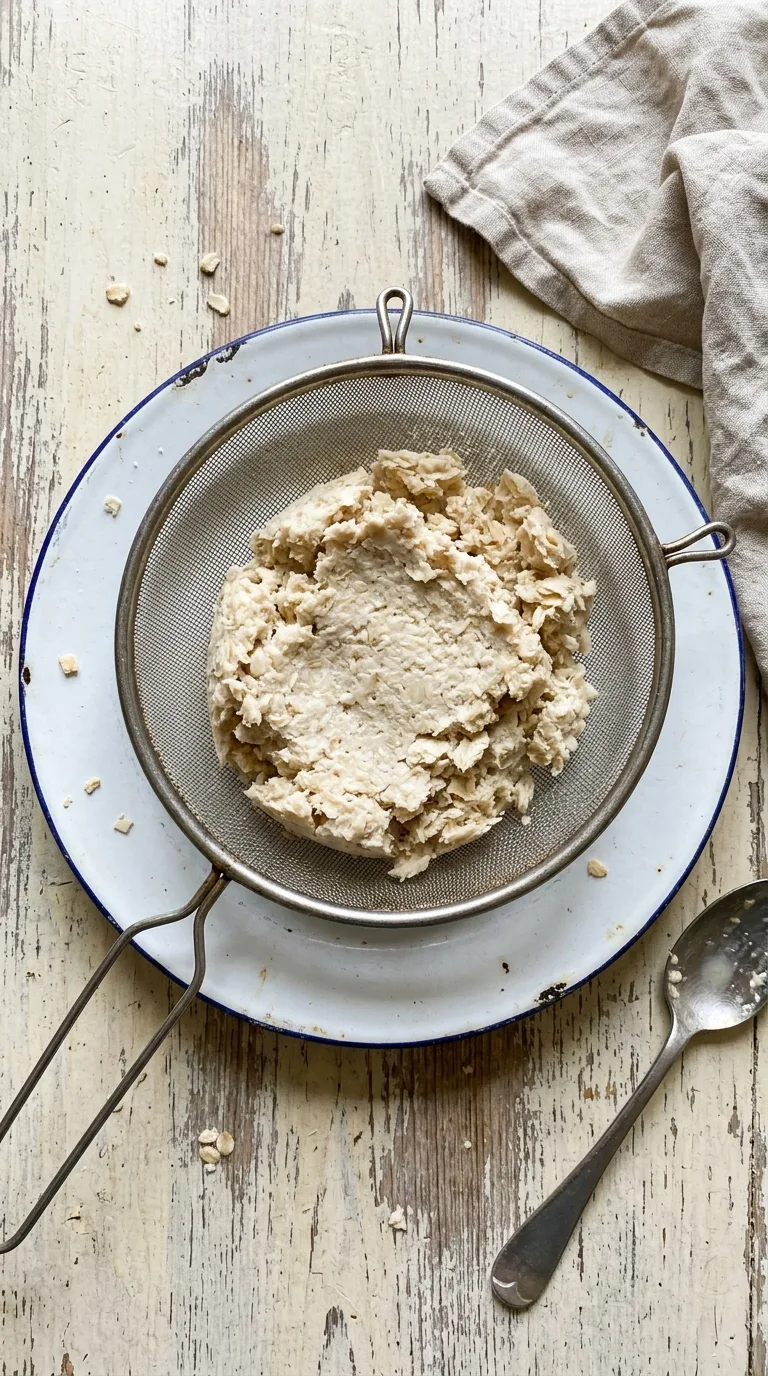
Strain the oat pulp
Press the fresh oat pulp firmly through a fine sieve or clean cheesecloth until it feels crumbly rather than wet. Discard or drink the extracted liquid, keeping only the damp solids. Squeezing out surplus water prevents the cooked pancakes from turning heavy and gummy in the centre.
-
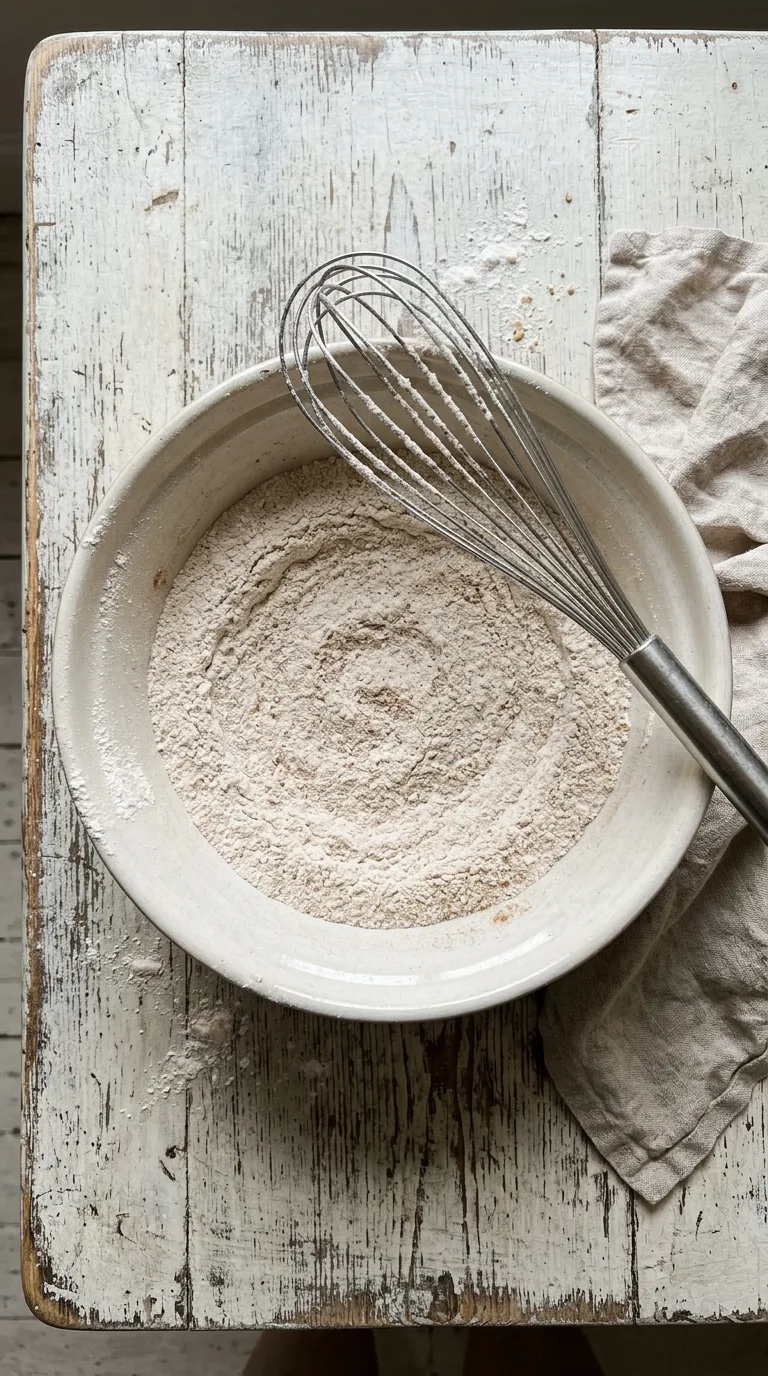
Whisk the dry ingredients
Add the oat flour, baking powder, bicarbonate of soda, ground cinnamon, and fine sea salt to a large mixing bowl. Whisk thoroughly until the spices and leaveners are evenly dispersed throughout the flour. Even distribution ensures the batter rises uniformly across the pan without leaving pockets of soda.
-
Blend the wet ingredients
Combine the strained oat pulp, unsweetened oat milk, pure maple syrup, melted coconut oil, and apple cider vinegar in a separate medium bowl. Whisk firmly to break apart all dense clumps of pulp until the liquid turns uniform and lightly emulsified. The vinegar activates the bicarbonate of soda once combined.
-
Mix and rest batter
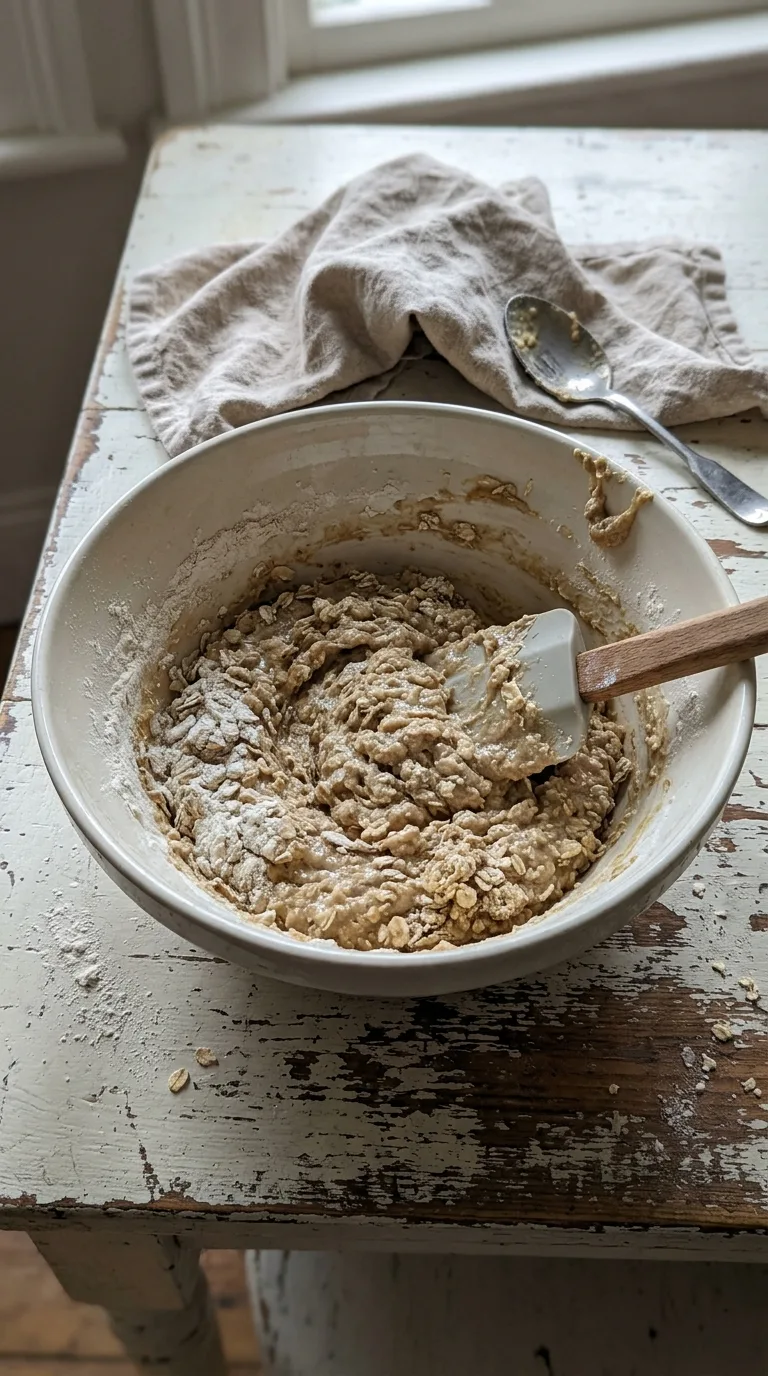
Pour the wet mixture into the dry bowl and stir gently with a spatula just until the flour disappears; do not overmix. Leave the batter to rest untouched on the counter for 5 minutes. This pause allows the dry oat fibres to hydrate and lets the leaveners aerate the mixture into a thick, spoonable batter.
-
Heat and grease pan
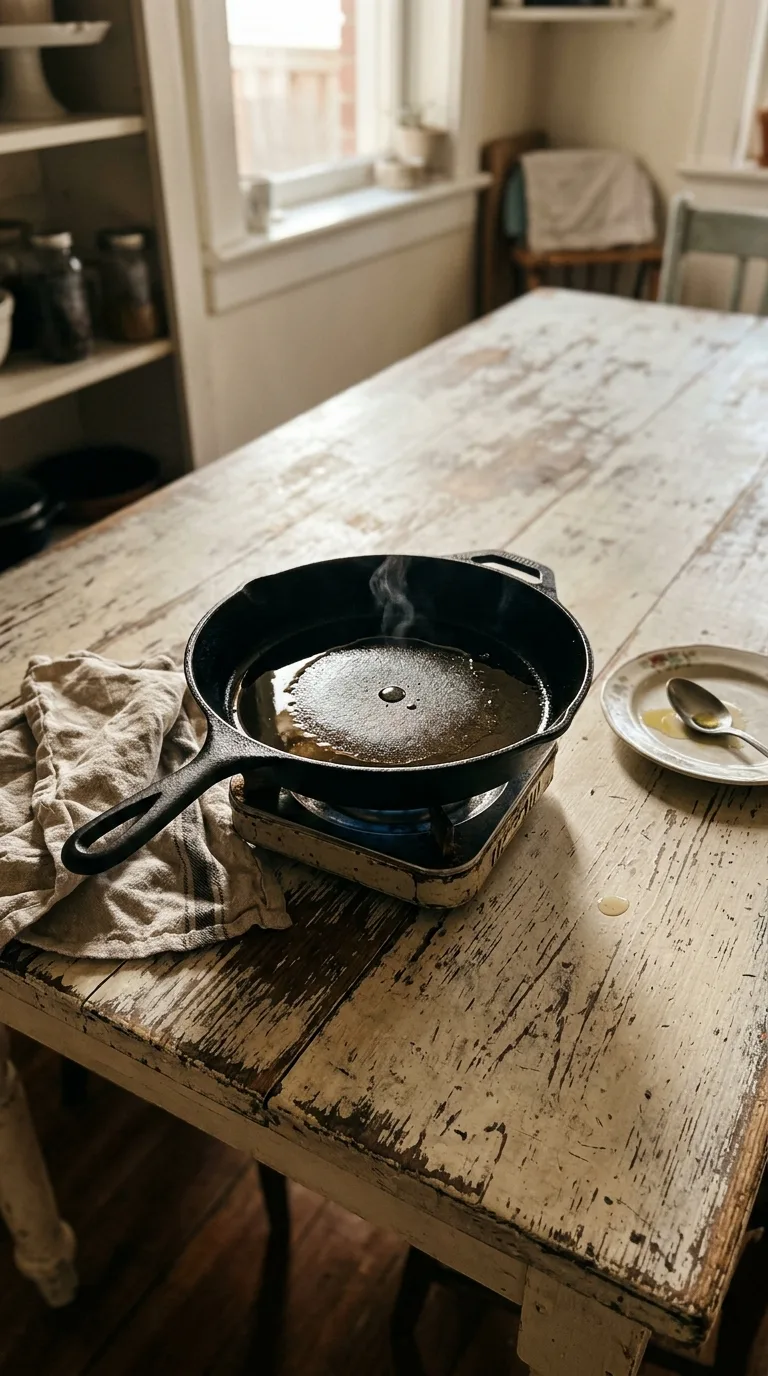
Set a large non-stick frying pan or flat griddle over medium heat until the surface reaches approximately 175°C (350°F), where a flick of water sizzles instantly. Brush the cooking surface lightly with a thin film of coconut oil or butter. Moderate heat prevents the oat starches from scorching before the centre sets.
-
Portion the rounds
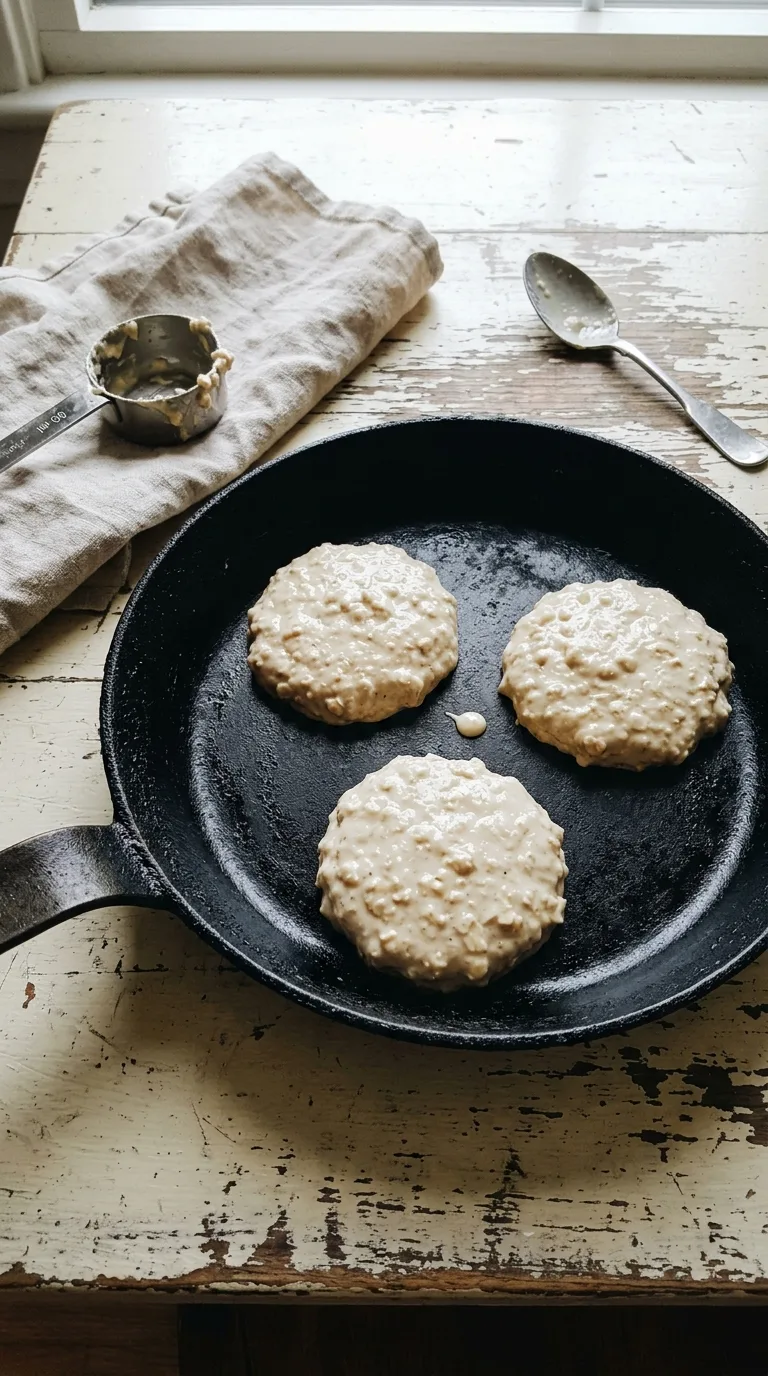
Scoop 60 ml portions of batter onto the hot surface, leaving roughly 5 cm (2 inches) of space between each puddle. Use the back of your scoop to ease the batter gently into 10 cm (4 inch) rounds. Leaving space ensures the steam escapes freely and allows you to slide the spatula cleanly underneath.
-
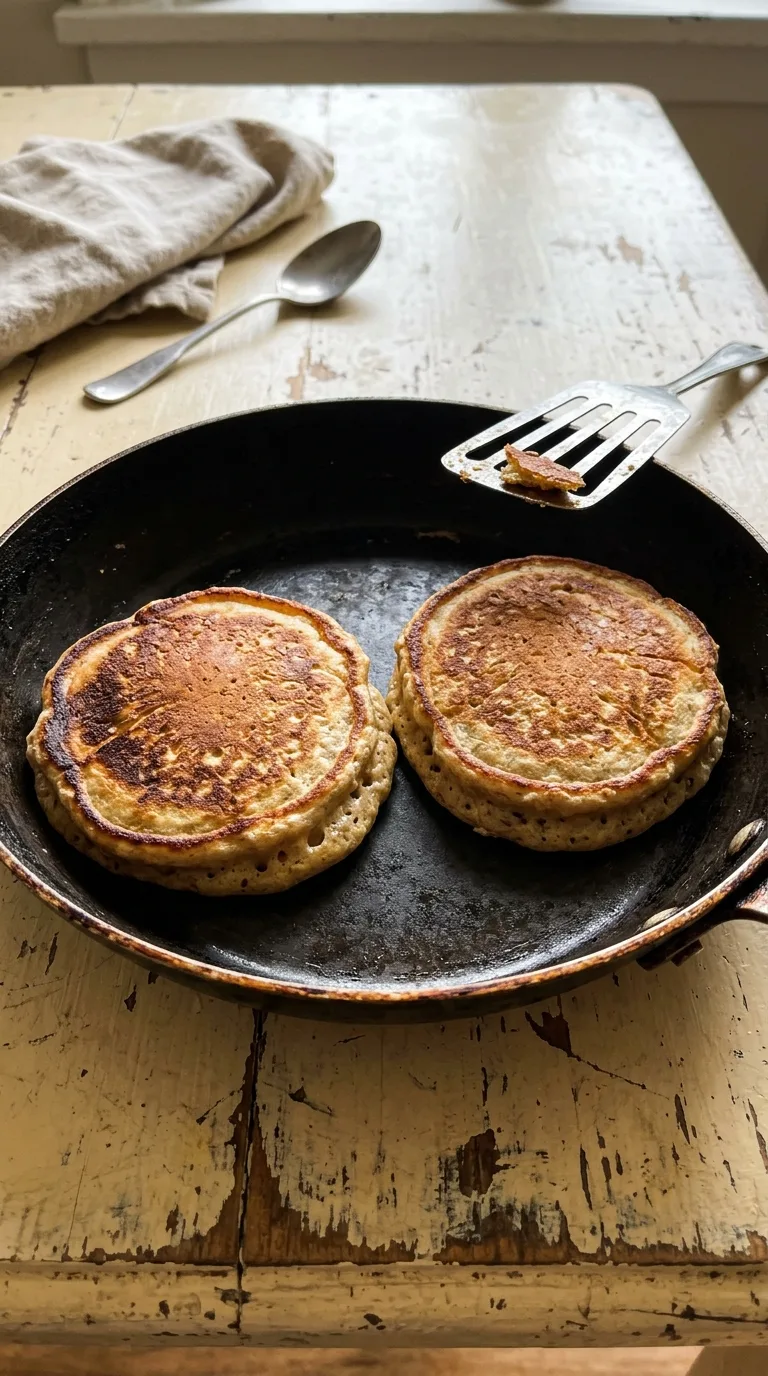
Cook and flip
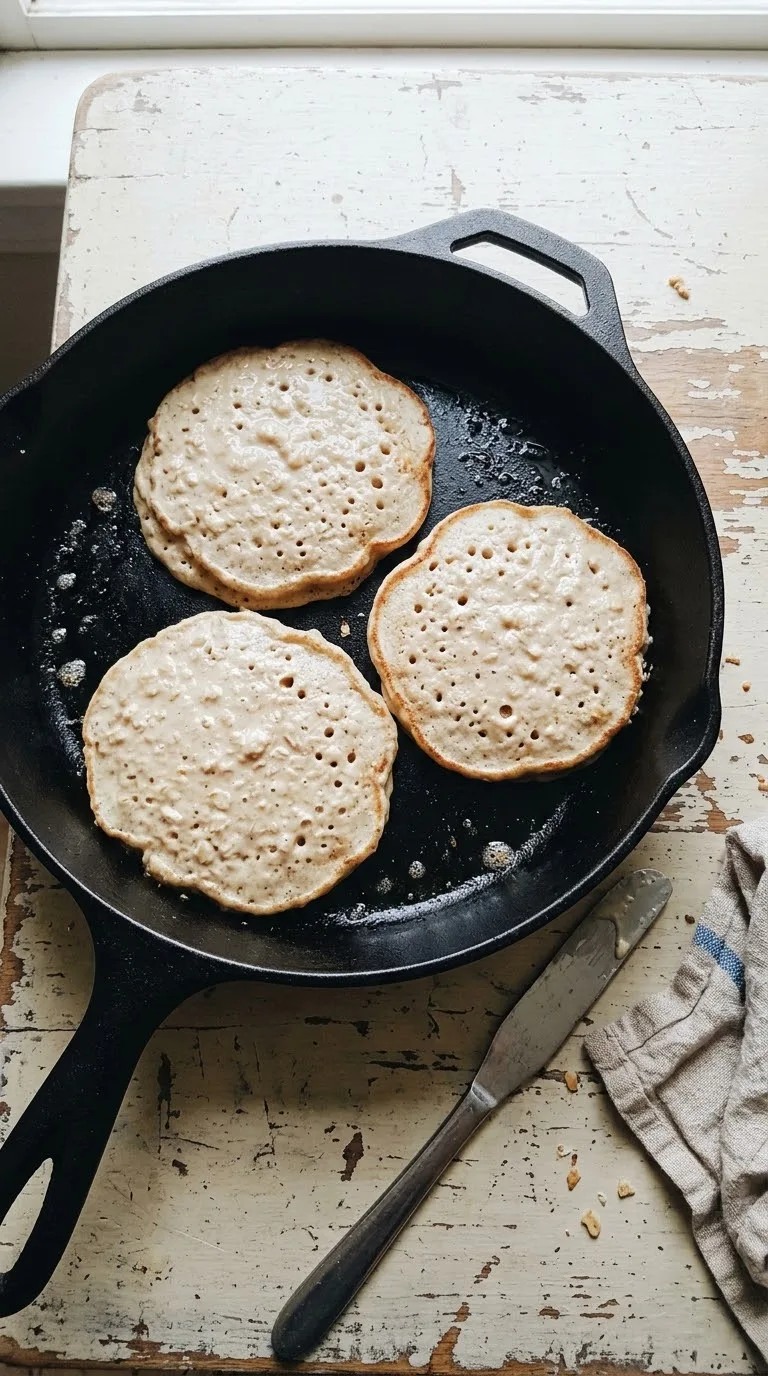
Cook over medium heat for 2 to 3 minutes until bubbles form across the surface and the edges turn matte. Slide a thin spatula underneath, flip cleanly, and cook the reverse side for 1 to 2 minutes until golden and puffed. The edges will spring back lightly when pressed in the centre.
-
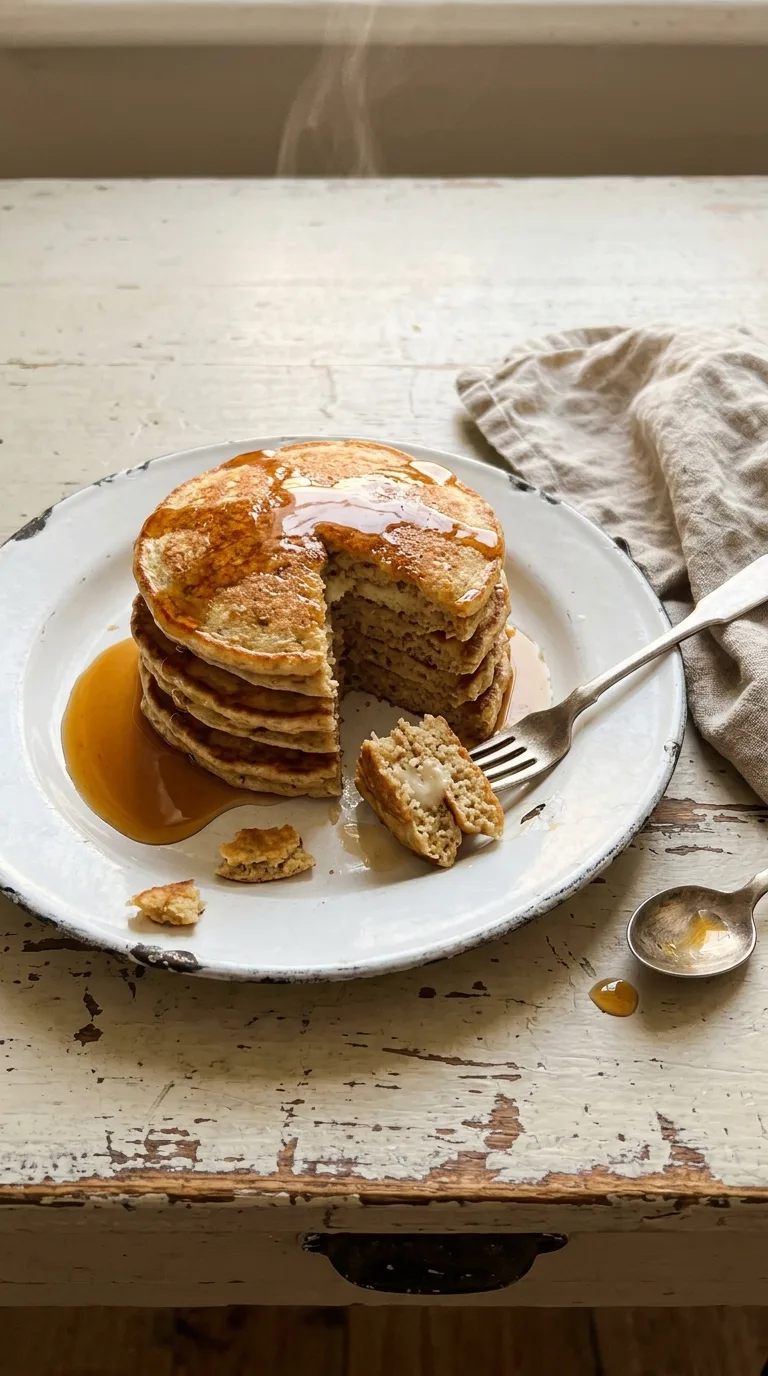
Keep warm and serve
Transfer the finished pancakes to a warm plate in a single or slightly overlapping layer. Brush the pan lightly with extra fat and repeat the portioning and cooking process with the remaining batter. Serve immediately while hot and crisp around the perimeter.
If the pancake centres feel damp and paste-like after three minutes, your pulp retained excess water. Counteract this immediately by whisking one level tablespoon of oat flour into the remaining batter before pouring your next batch, and lower the burner slightly so the interior cooks before the exterior browns.
Fresh oat pulp substitutions
Do not make this recipe without fresh oat pulp or properly hydrated oat residue. If you lack strained pulp from homemade milk, blend 60 g rolled oats with 80 ml warm water into a coarse, thick mash; dry rolled oats will absorb excessive liquid and leave the cooked cakes unpleasantly parched.
Storing and reheating
Store cooled pancakes in an airtight container at room temperature for up to 1 day. For longer keeping, freeze them flat on a lined tray before bagging for up to 2 months. Reheat straight from the freezer in a toaster or warm oven at 180°C (350°F) for 6 to 8 minutes.
What to serve with it
Layer the warm stack with sliced ripe bananas and creamy almond or peanut butter to add density and protein. Alternatively, pour over warm pure maple syrup alongside fresh blueberries or strawberries, or finish each portion with a spoonful of unsweetened coconut yoghurt and toasted pumpkin seeds or hemp hearts for contrast.
Nutrition per serving
- Calories
- 218
- Protein
- 6.1 g
- Carbs
- 36.4 g
- Fat
- 6.2 g
- Fiber
- 4.8 g
- Sugar
- 8.1 g
Estimated, and offered as a guide rather than a medical figure.
Made it? Rate it.
Questions people ask
Can I mix the pancake batter the night before?
No. Mixing the batter in advance exhausts the baking powder and bicarbonate of soda overnight, leaving the pancakes flat and dense. You may combine the dry ingredients ahead, but only combine the wet and dry elements five minutes before cooking.
Why are my pancakes raw and gummy in the centre?
Your oat pulp contained too much water, or the pan temperature exceeded 175°C (350°F). Excessive liquid prevents starch gelatinisation, while high heat scorches the exterior before heat penetrates the middle. Whisk a tablespoon of oat flour into remaining batter and lower the flame.
Can I make these pancakes entirely gluten-free?
Yes. Oats do not contain gluten naturally, but field harvesting often introduces cross-contamination. Use certified gluten-free oat flour and make your pulp using certified gluten-free oats and uncontaminated oat milk to ensure the finished griddle cakes remain completely safe for coeliacs.

About the author
Makeva
Makeva is a home‑cook who loves crafting approachable meals that balance flavor and nutrition. She specializes in quick weeknight dinners, hearty soups, and wholesome baked goods, sharing step‑by‑step guidance and practical tips. Readers can expect clear instructions, adaptable recipes, and a friendly tone that encourages confidence in the kitchen.