Coconut Flour Pancakes: Soft Finger Food for Babies
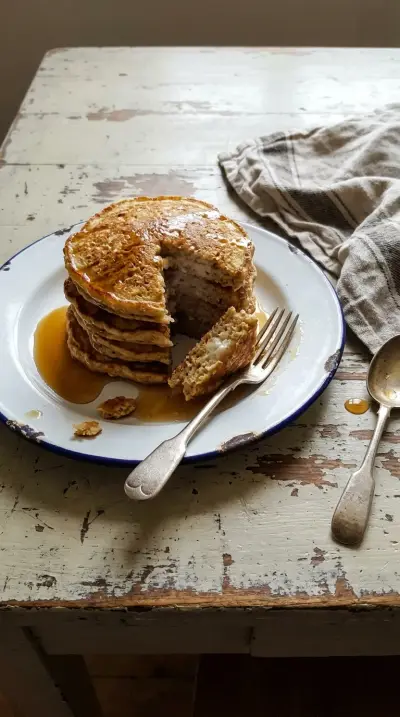
These coconut flour baby led weaning pancakes use mashed ripe banana, eggs, and coconut flour to create a soft, yielding crumb for infants. Because coconut flour lacks gluten and acts like a sponge, you must let the mixed batter rest for 5 minutes before cooking so the dry fibres absorb the liquid fully. Cook small rounds over medium-low heat at 150°C (300°F) to ensure the centres cook through completely without scorching the delicate fruit sugars.
Coconut Flour Pancakes: Soft Finger Food for Babies
Recipe cardIngredients
Instructions
-
Mash the ripe banana
Place the peeled banana into a medium mixing bowl. Mash thoroughly with a fork until smooth with minimal lumps remaining. A smooth fruit base ensures the delicate pancake batter binds evenly without pockets of moisture.
-
Whisk in wet ingredients
Add the eggs and oat milk to the mashed banana in the bowl. Whisk vigorously until the mixture is completely uniform and lightly aerated. Beating air into the eggs provides lift later, which is vital since this grain-free batter contains no chemical leaveners.
-
Combine the dry ingredients
Sprinkle the sifted coconut flour and ground cinnamon directly into the wet mixture. Stir thoroughly with a spatula to eliminate any dry pockets and disperse the spice evenly. Ensure the flour is fully integrated before allowing it to hydrate.
-
Rest the pancake batter
Let the batter stand untouched for 5 minutes at room temperature. Coconut flour behaves like a dry sponge and requires this dwell time to absorb the liquids fully. When rested, the mixture will thicken to a soft, spoonable consistency that holds its shape.
-
Heat and portion discs
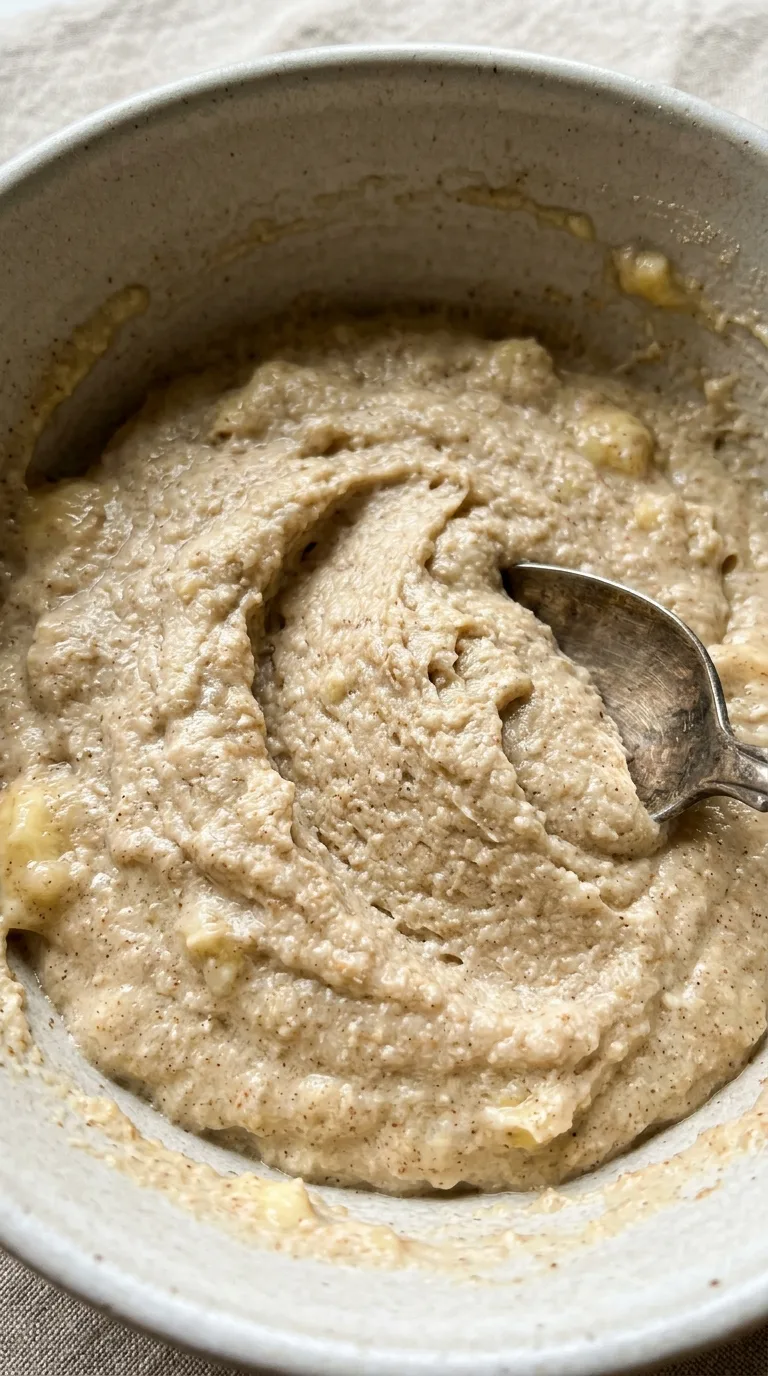
Heat a large non-stick frying pan over medium-low heat to roughly 150°C (300°F) and brush lightly with the melted coconut oil. Drop 1 tablespoon of batter per pancake onto the heated surface, leaving 5 cm (2 inches) of space between each portion. Gently pat the tops flat with the back of the spoon to form discs 5 cm to 6 cm (2 to 2.5 inches) wide.
-
Cook the first side
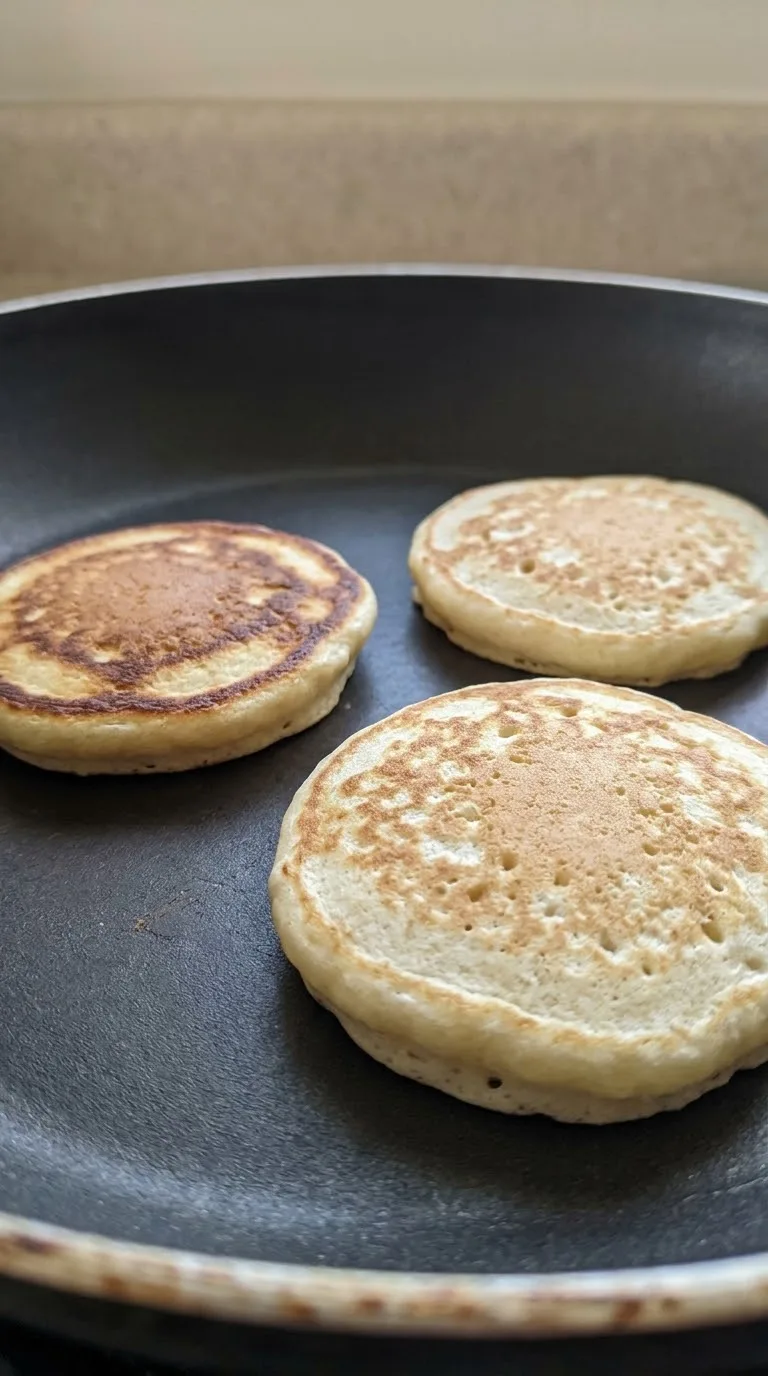
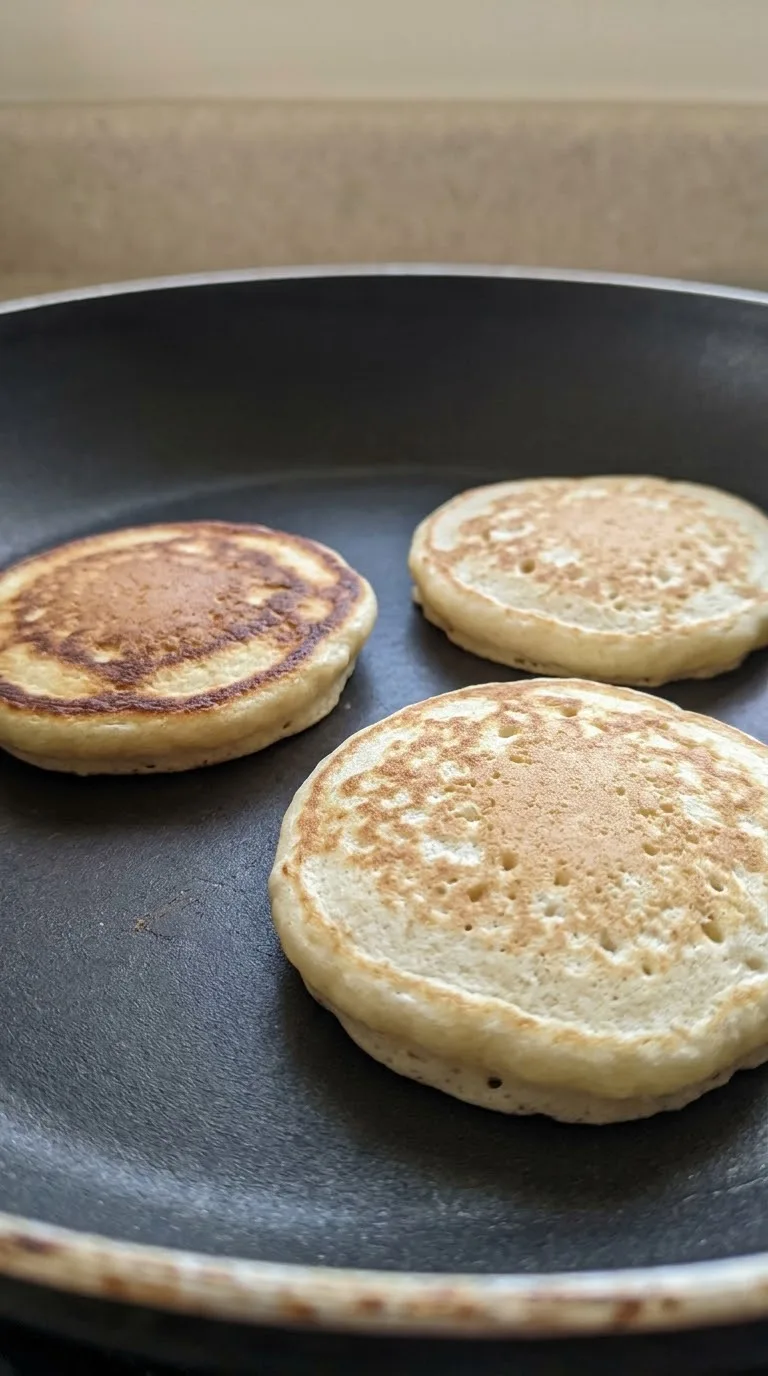
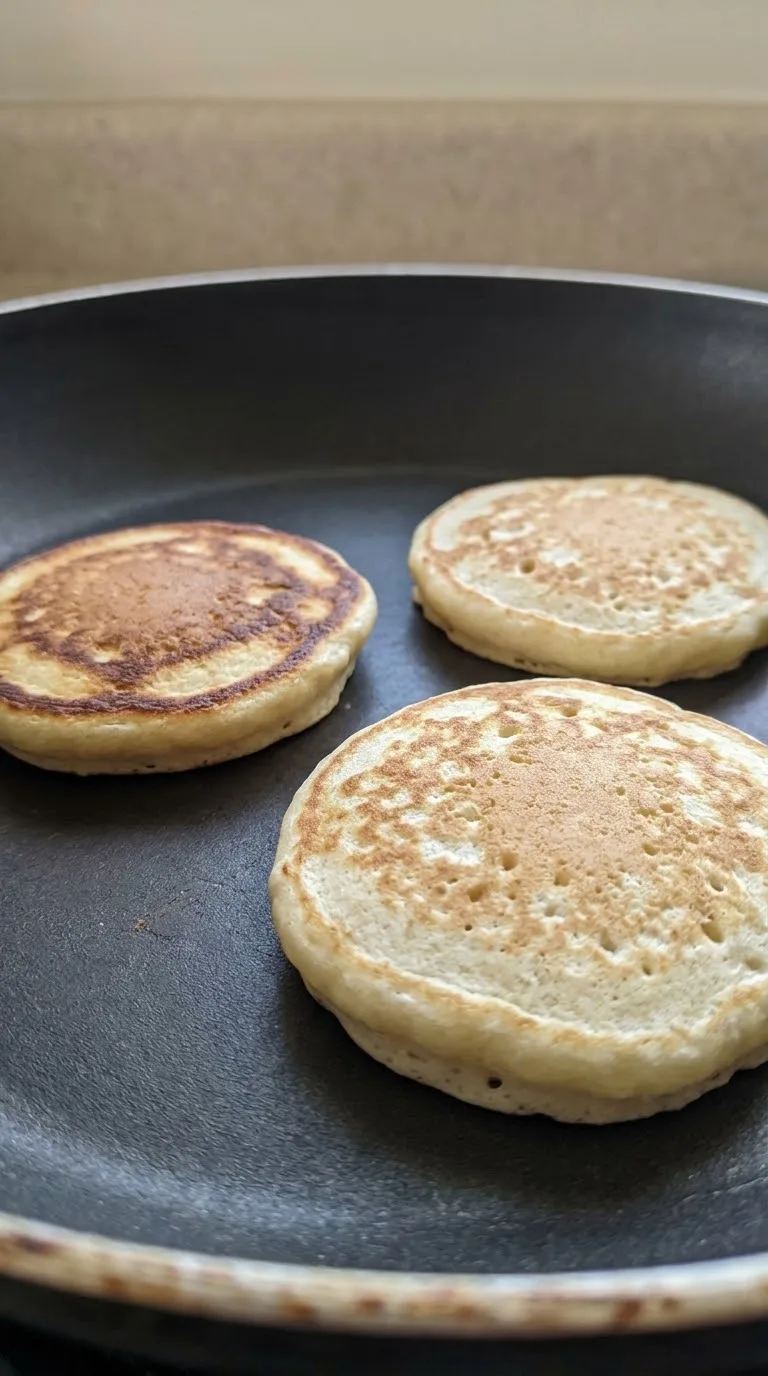
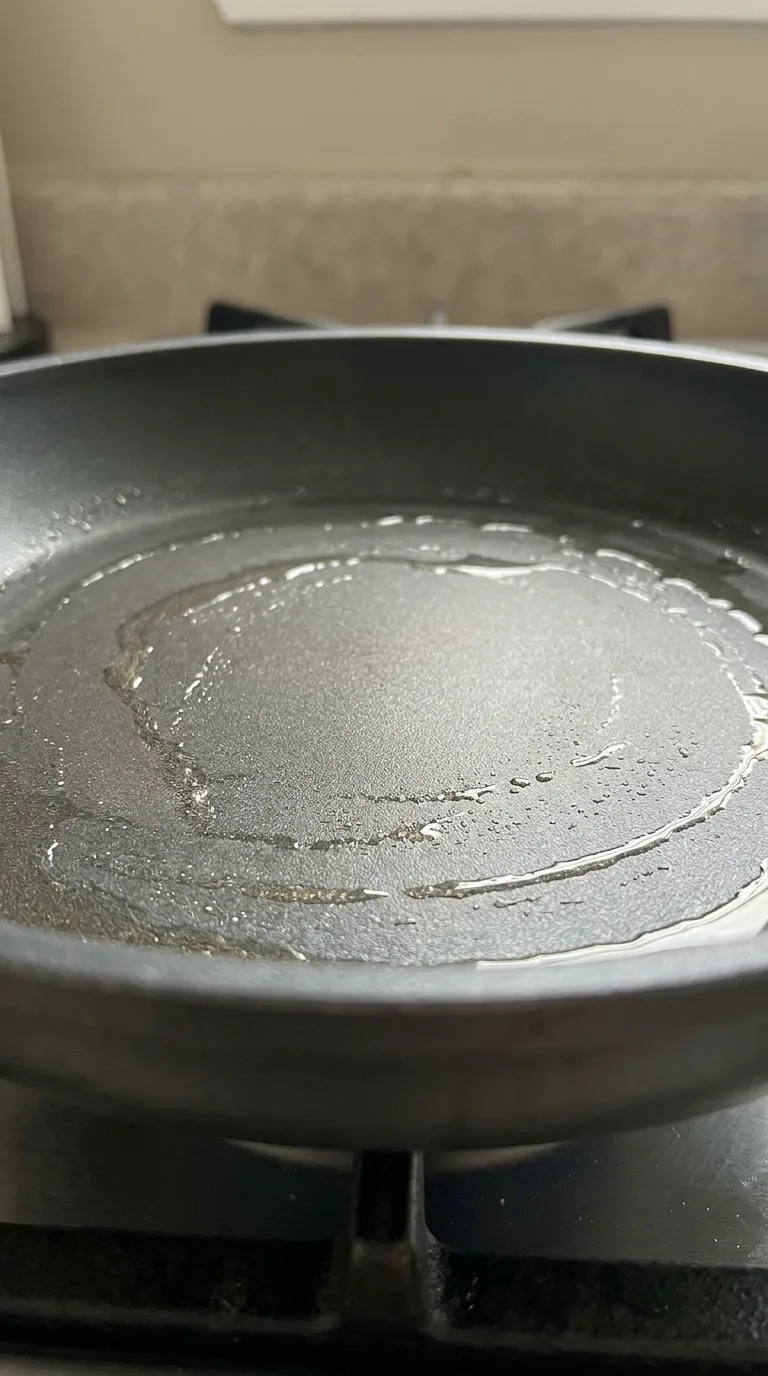
Cook gently for 3 minutes without moving the rounds. The natural fruit sugars scorch quickly, so gentle heat is essential. Watch for the undersides to turn an even golden brown and the edges to set firmly before you attempt to move them.
-
Flip and finish cooking
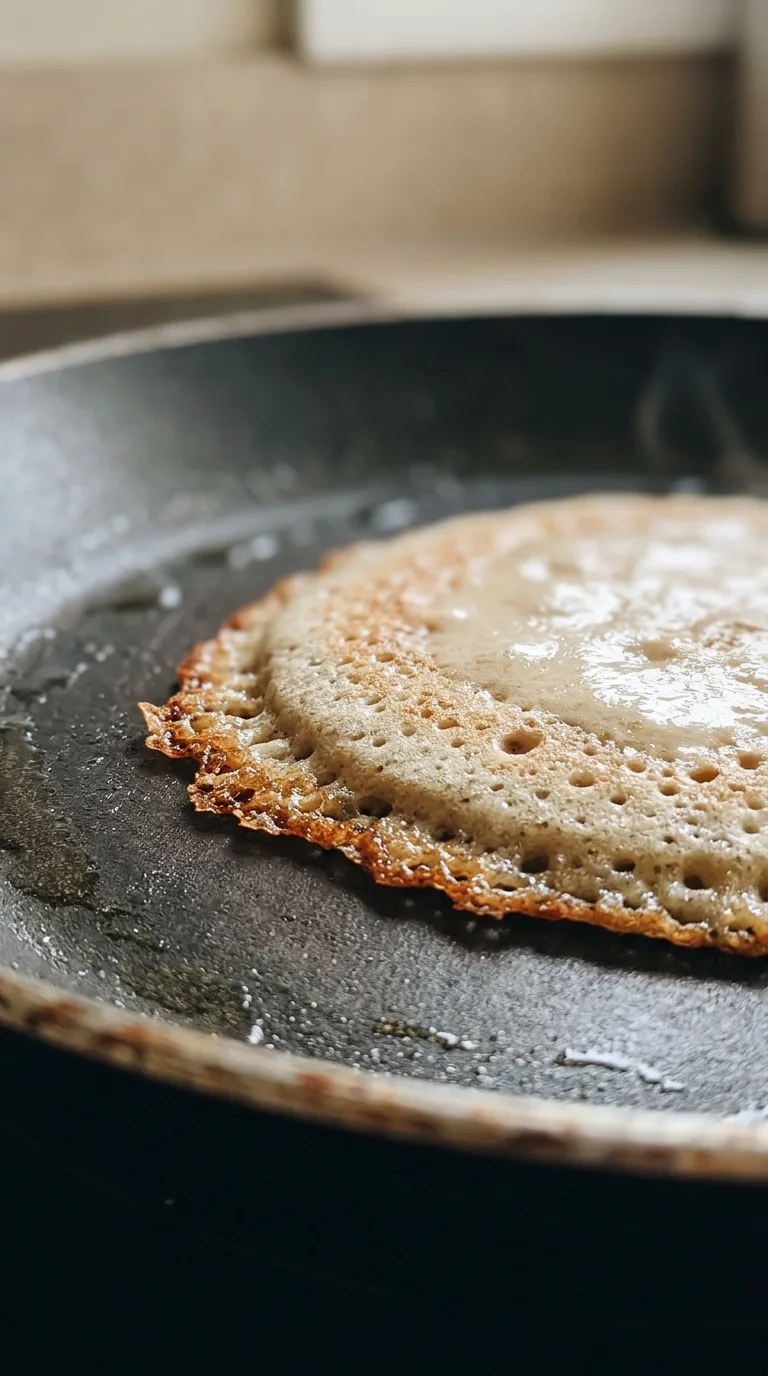
Slide a thin silicone spatula completely beneath each pancake and flip with a confident, gentle flick. Cook the second side for a further 2 to 3 minutes until lightly coloured and cooked through to the centre. Transfer the cooked rounds to a wire cooling rack and leave for approximately 5 minutes until completely lukewarm to the touch.
-
Portion for self-feeding
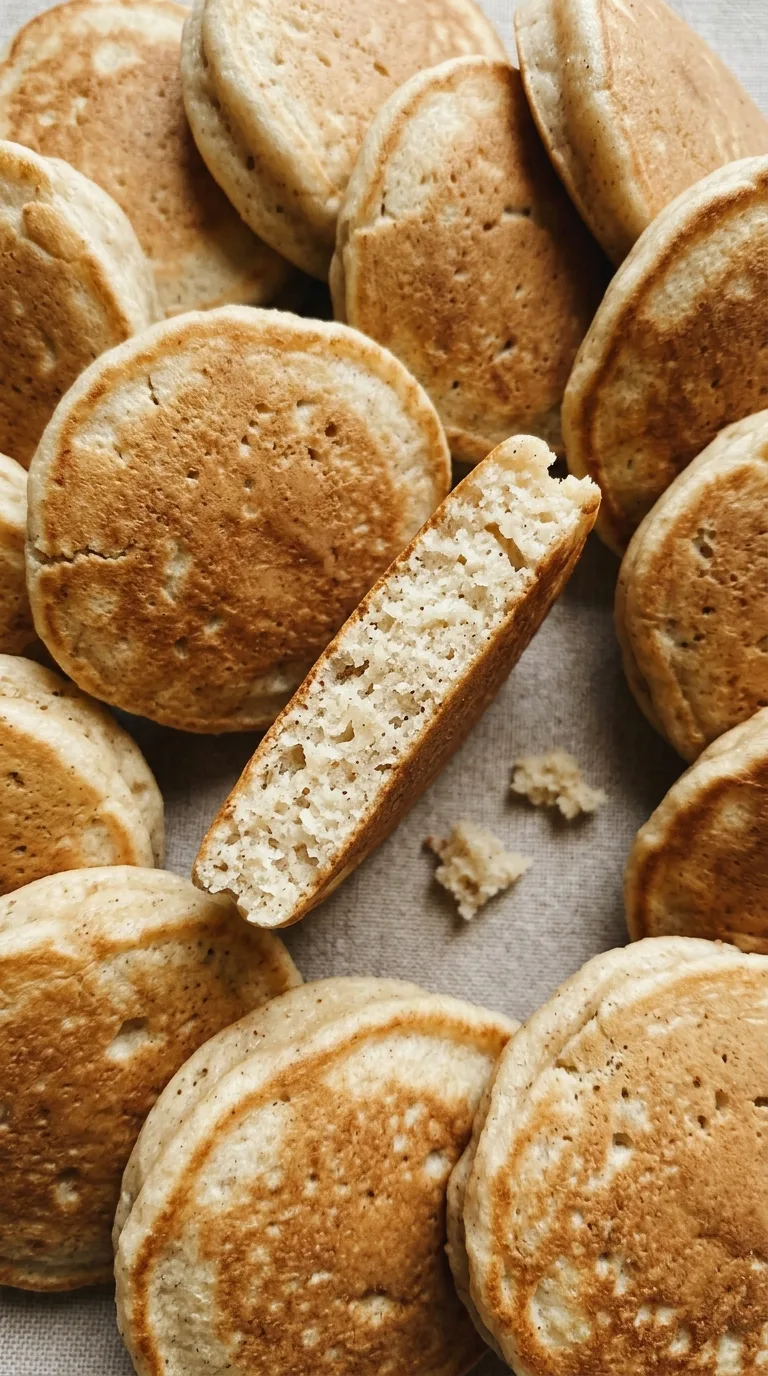
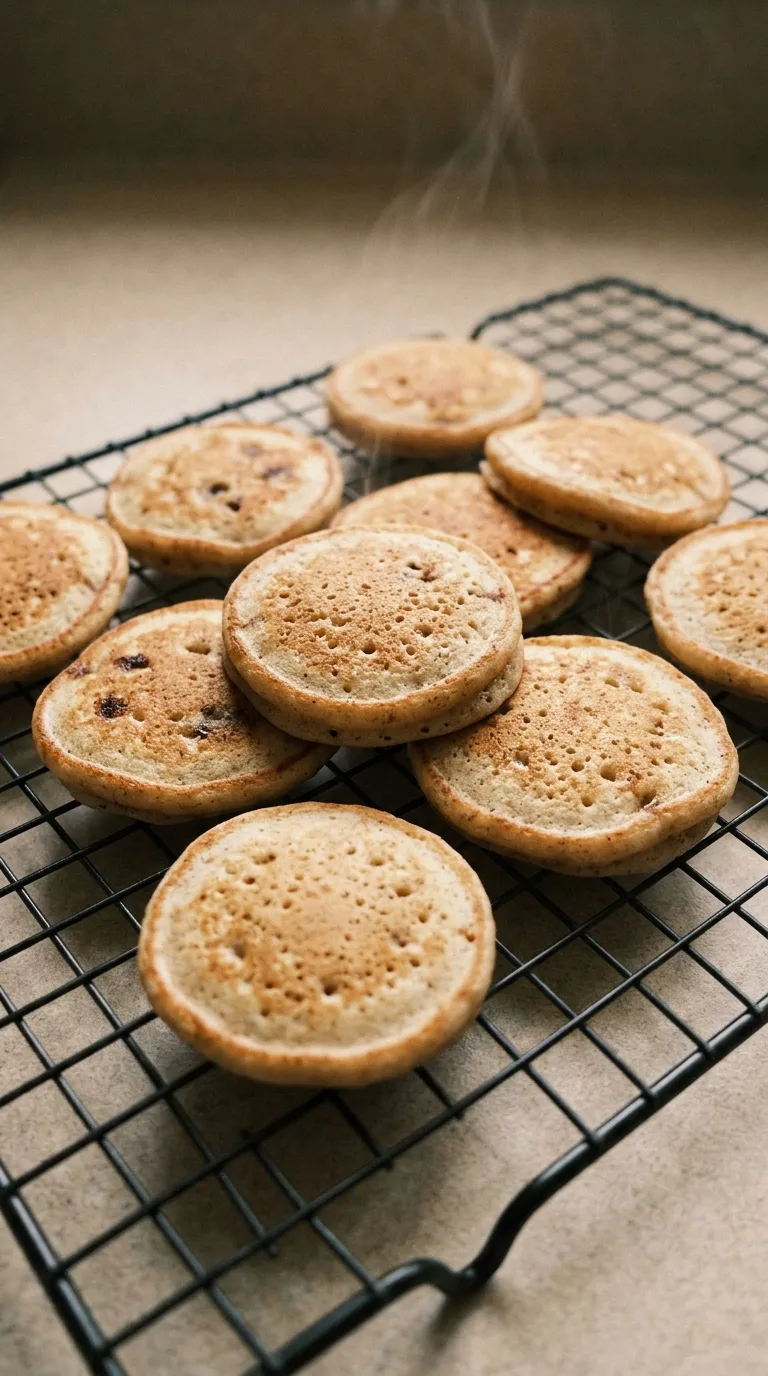
Prepare the cooled pancakes according to your baby's current developmental grasp. For infants aged 6 to 8 months relying on a palmar grasp, slice each pancake into finger-length strips about 2 cm (0.8 inches) wide. For older infants who have developed a pincer grasp, cut the pancakes into small bite-sized squares.
If the pancakes brown too quickly before setting, your pan is too hot. Lower the heat immediately. Coconut flour lacks gluten and tears if flipped prematurely, so wait until the underside is evenly golden and the rim turns matte before sliding your spatula underneath.
Getting the texture right
Coconut flour contains no gluten and absorbs liquid rapidly like a sponge. You must allow the batter to rest for 5 minutes after mixing to achieve a spoonable consistency. Keep the rounds under 6 cm (2.5 inches) across; larger cakes will break when turned with your spatula.
Storing and reheating
Do not store these pancakes at room temperature because of the egg content. Arrange cooled pancakes in a single layer on parchment paper, freeze until firm, and store in an airtight container for up to 2 months. Thaw thoroughly in the refrigerator overnight before warming gently in a dry frying pan.
What to serve with it
Serve alongside a dollop of unsweetened full-fat natural Greek yoghurt or fortified coconut yoghurt for dipping. You can also pair them with freshly steamed, soft-cooked pear or apple slices cut into infant-safe batons, or spread lightly with smooth, single-ingredient almond butter thinned with breast milk or water.
Making it ahead
Cook the full batch of eight pancakes and cool them completely on a wire rack for 5 minutes. Package the cooled rounds between sheets of parchment paper inside an airtight container. Keep refrigerated for up to 2 days or freeze immediately to preserve their delicate, tender crumb.
Nutrition per serving
- Calories
- 38
- Protein
- 1.9 g
- Carbs
- 3.8 g
- Fat
- 1.7 g
- Fiber
- 1.1 g
- Sugar
- 1.8 g
Estimated, and offered as a guide rather than a medical figure.
Made it? Rate it.
Questions people ask
Is coconut flour ok for babies?
Yes, coconut flour is suitable for babies starting solids. It is grain-free, soft when cooked, and rich in dietary fibre. Because coconut is a potential allergen, introduce it separately first and verify your infant tolerates it before serving a full portion.
Does coconut flour work in pancakes?
Yes, but it cannot be swapped for wheat flour at a one-to-one ratio. Coconut flour absorbs significantly more moisture and requires extra binding from whole eggs and mashed fruit. Keep pancake diameters small to ensure the fragile batter flips cleanly.
Can babies have pancakes BLW?
Yes, provided the pancakes are soft and prepared without added salt or refined sugars. For infants aged 6 to 8 months relying on a palmar grasp, slice each pancake into finger-length strips about 2 cm (0.8 inches) wide so they can hold them securely.

About the author
Makeva
Makeva is a home‑cook who loves crafting approachable meals that balance flavor and nutrition. She specializes in quick weeknight dinners, hearty soups, and wholesome baked goods, sharing step‑by‑step guidance and practical tips. Readers can expect clear instructions, adaptable recipes, and a friendly tone that encourages confidence in the kitchen.